_1753256285958.png)

_1754990596544.webp)
Are metal belt buckles safe?
 2026-05-08 21:41:53
Metal belt buckles are generally safe when manufactured with quality materials and proper craftsmanship. Rose belt buckles, particularly those made from zinc alloy with appropriate finishing, present minimal safety risks when they meet international standards. These decorative hardware pieces undergo rigorous testing for durability and hypoallergenic properties, making them suitable for fashion accessories and leather goods applications across various industries.
Introduction
The safety features of metal belt buckles are talked about in detail in this full guide. The rose belt buckle style is the main focus as it is becoming more popular and is used a lot in fashion and business. It can be hard to know what to look for when buy tools for a business. Procurement workers need to know about the materials, quality of production, and safety standards of these colorful buckles in order to make smart purchases.
Belt buckle sales around the world have been slowly rising. This is because fashion is getting bigger and people want better things. Shops that sell gifts, fashion brands, and leather goods rely on sellers to get them metal parts that are safe, strong, and look good. This summary gives you the background information you need to look at metal parts, possible safety risks, maintenance steps, ways to find reliable suppliers, and criteria for analyzing sellers.
These days, metal belts are made with better methods, so they are much safer. Long-standing concerns about skin irritation and structural safety have been put to rest with the help of new metals and protective coats. For buying teams to protect their companies and the people who buy their goods, they need to know about these changes.
Understanding Metal Belt Buckles and Safety Concerns
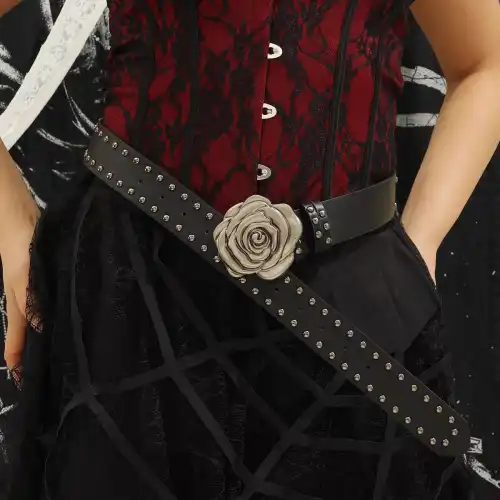
Metal belt clips are a good choice because they work well and look good, but you should carefully think about safety issues before buying. One great example of this balance is a rose belt buckle. It has intricate flower designs but is still strong because the materials and methods used to make it are carefully chosen.
Common Materials and Design Considerations
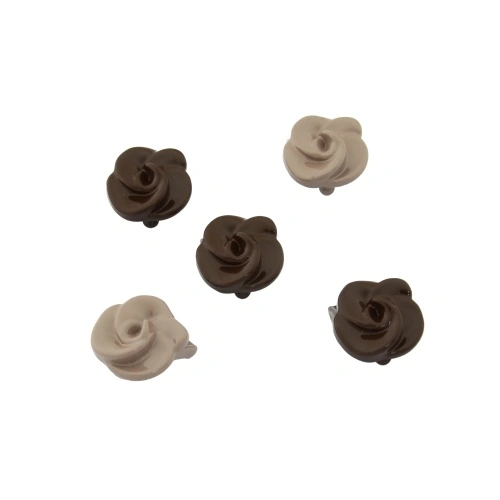
These days, belt clips are made from many different materials, and each one has its own safety feature. Different metals, like zinc, stainless steel, brass, and aluminum, each have their own pros and cons. Our Rose Shaped Alloy Belt Buckle has a 15mm inner circle and weighs 9.4 grams. It is made of zinc alloy and lasts a long time. They are also cheap enough to make in large quantities.
How the product is finished makes a big difference in how safe it is. Adding coffee and brown finishes to decorative belts makes them look better and protects skin from touching base metals. These surfaces are put through tests to make sure they stay stable while they are being used and cleaned.
Health and Mechanical Safety Considerations
Most of the health risks could be caused by metal allergies, especially reactions to nickel and lead in cheap materials. High-quality goods are made with metals and finishes that don't contain nickel and meet international safety standards. This lowers the risks as much as possible.
For technical safety, you need to check how long a buckle will hold up under stress. Strain testers and impact resistance testers are examples of professional testing tools that make sure buckles stay strong for as long as they're meant to. When these tests are done, things don't go wrong that could hurt someone or make it hard to be responsible for the goods.
Standards in the business world, such as the CPSIA and REACH (Registration, Evaluation, Authorization, and Restriction of Chemicals), help make sure that buckles are safe. Following these rules shows that a company wants to make safe, reliable Products that can be sold all over the world.
Materials and Craftsmanship: Impact on Safety and Quality
The materials used to make metal belt clips have a lot to do with how safe and useful they are. When people who work in buying understand the links between ingredients, production methods, and the safety of the final product, they can make decisions that keep users and brands safe.
Material Properties and Safety Implications
Zinc alloy is the safest, most durable, and least expensive metal that can be used for artistic purposes. This stuff is great at keeping rust away, and it's strong enough to be used for buckles. Zinc metal, on the other hand, can be protected with different coats that make it look better and keep it safe.
Steps two and three are very important for making sure the product is safe. These days, controlled electroplating settings are used to make products that are even, last a long time, and don't contain any harmful chemicals. These steps smooth out the surface so it doesn't hurt your skin and keep it safe from rust and wear for a long time.
Manufacturing Process Quality Control
When making something that needs to be safe, machine-made methods are better because they are more regular than hand-made ones. Mold cutting tools and high-tech die-casting machines make sure that the surface meets strict safety standards for both size and quality.
During the whole process of making something, quality control steps are used to look for any possible safety issues before it is sold. To keep from making bad goods, raw materials are screened, eggs are tested for quality, and final goods are tested. Tools for professionals, like metal buckle pressing-life testing machines and tensile strength tests, make sure the product is safe used in real life.
There are strict rules about keeping modern workplaces clean so that the people who work there don't get sick while they're making things. Focusing on environmental factors protects the product's quality and lowers the chances of using foreign materials or having mistakes in the production process.
How to Maintain and Clean Rose Belt Buckles Safely
Products that are well taken care of last longer and keep the safety measures that keep people safe. rose belt buckle items need to be taken care of in a specific way to maintain their aesthetic value and prevent them from degrading in ways that could make them less safe.
Safe Cleaning Methods and Techniques
Cleaning with soft cloths is safe for painting surfaces and gets rid of dirt and oils that could make the buckle not work as well. You can clean metal surfaces with soft cloths and light soap solutions that won't hurt the layers that cover them. You can keep the finish from wearing off by not using rough cleaners and chemicals. If you do this, the base metals might show or the surface would become rough.
Regular cleaning keeps things from building up that could hurt the skin or make the buckle less useful. If you clean the item the right way once a week, it will stay safe and look good for a long time.
Storage and Handling Best Practices
It's safer for things not to rust or break when they are stored the right way. Metal surfaces don't rust in climate-controlled areas with average humidity levels. Temperature changes that could damage protection finishes are also stopped.
It is important to carefully plan how to protect the items in large orders so they don't get scratched, dented, or lose their shine while being shipped. The goods are carefully wrapped and put in padded cases so that they arrive at their destination in perfect condition. These safety features stay in place throughout the entire supply chain.
These rules about care help businesses because they cut down on returns and complaints that things don't look good or are dangerous. When there is a lot of competition in a market, a brand's image is protected by consistent product quality. It also helps buyers and sellers get along better.
Procurement Considerations for Rose Belt Buckles in B2B Context
There are a lot of things you need to think about if you want to buy rose belt buckle units for your business. These things affect the safety, quality, and stability of the supply chain. You can make purchases that help your business reach its short- and long-term goals if you know these things.
Critical Procurement Criteria
When it comes to B2B buyers, material safety is the most important thing. This is especially true for people who work in the fine fashion and luxury markets. In order to get approved, you need things like an ISO9001 quality management system, testing approval from SGS, and fair trade compliance from SMETA. Getting these certificates shows that the provider cares about safety standards and also keeps the company safe.
The standards for longevity must meet the intended uses and the expected length of time that the product will last. Records from professional tests that show a product's tensile strength, resistance to pressure, and ability to prevent corrosion are solid proof that it works. With these technical details, you can compare sources in a smart way and be sure that the things you buy will work for your purpose.
How helpful a design is depends on both how it looks and how well it works. Sellers can change standard designs to fit the needs of a certain brand by customizing them. The safety features are still there. You can use items in a lot of different ways if you can change their sizes, colors, and styles.
Supplier Evaluation and Selection Process
Top sellers stand out because they have strict quality control systems that make sure all of their goods are always safe. The fact that a provider has high-tech tools like die-casting machines and accurate testing equipment shows that they can consistently make good products.
You need to think about both large-scale bulk order support and changeable small-batch trial order support when you figure out how much you can make. The fact that the company can make 30 million pieces a year shows that it can handle a lot of work and still meet high standards that help businesses grow.
Geography has an effect on both the cost of moving goods and the speed of information. Suppliers who have been in the global market for a while know what the quality standards are and how to meet them. They also know how to give quick customer service that adapts to businesses' changing needs.
Enhancing Brand Trust and Driving Seller Engagement
People who buy and sell goods must be able to trust each other, which means that suppliers must be honest about things like the quality of their goods, safety rules, and how they run their businesses. Because of this, it is possible to build long-term partnerships that benefit both sides through reliable service and trusted relationships in the supply chain.
Transparency and Documentation Strategies
Test results that go into great detail show that the product works as it should and meets safety standards. The materials should be broken down, tests of how long they last should be done, and these papers should show that all the licensing requirements have been met. Giving buyers a lot of technical information shows that they know what they're talking about and helps them make smart decisions.
These are called customer reviews and case studies. They help people trust that the service provider can do what they say they can do. Good feedback about the item's quality, how quickly it was sent, and how helpful the customer service was is strong proof that the seller can be relied on. When these suggestions talk about specific safety or quality problems that potential buyers care about, they are very helpful.
Process flow plans and checking methods from the quality management system show how the service provider does their job. Being honest helps customers know how safety standards are met during production, which makes them trust the provider more.
Emerging Trends and Innovation Opportunities
As companies look for providers that are good for the earth, sustainable design ideas create new market opportunities. People who care about the earth will be interested in new materials that can be recovered and ways to make things that use less energy. These things must still meet safety standards.
It's being made easier to avoid metal allergies now that more people are aware of the problem. To make rose belt buckle hardware that satisfy these shifting needs while still looking good and lasting a long time, modern nickel-free metals and safety coats are used.
As customization technology gets better, it becomes easier to make exact changes to designs while still following safety rules. Today's tools for making things let you make complicated changes to the design that don't affect the finish or the structure's power.
Conclusion
Decorative metal belt buckles, like pretty rose belt buckle units, aren't very dangerous as long as they are made with the right materials and to the quality standards. These items are safe for many uses in the fashion, leather goods, and gift industries because they are made with high-tech materials, are made in controlled ways, and go through strict quality checks.
For business-to-business (B2B) purchases to go smoothly, sellers' skills must be carefully evaluated. This includes their manufacturing infrastructure, quality control systems, and ability to meet certification needs. It's safe to do business with suppliers for a long time if they have a variety of testing tools, good quality management systems, and a track record of success in high-end markets.
Metal buckle production will keep moving toward higher safety standards, more eco-friendly ways of making things, and better ways to customize products to meet the needs of a growing market while keeping the safety and quality of the product.
Partner with Carol for Premium Rose Belt Buckle Solutions
You can only trust Carol to give you a rose belt buckle solution. There is a full quality assurance system in place that makes sure their products are safe and effective. They have been making good products for more than ten years. In our 4,500-square-foot building, we have up-to-date die-casting machines, accurate testing tools, and the ability to electroplate. These tools and buildings make sure that the quality of all orders is the same, from small test runs to large production runs of 30 million pieces per year.
Our Rose Shaped Alloy Belt Buckles look great and keep you safe. They are made of zinc metal and have paint finishes that last a long time. They come in coffee and brown colors. Professional equipment, such as tension testing machines and impact resistance testers, are used to fully test each item and make sure it meets safety standards around the world.
Contact tony@carolxiao.com right away to talk about your specific needs and find out how our customization choices can help your product lines while still upholding the highest safety standards. You can see our whole catalog at carolhardware.com and ask for samples to see how dedicated we are to quality and new ideas.
FAQ
Are metal buckles suitable for people with sensitive skin?
If you have sensitive skin, most modern metal clips made with the right materials and styles are safe for you. It is recommended that you wear rose belt buckle styles that are made from zinc alloys that don't contain nickel and have coats that protect your skin from metals that could be unpleasant. Sellers you can trust will give you hypoallergenic certificates and records of the materials used to show that the goods are safe for your skin.
How can buyers be sure that a service provider is safe and reliable?
You can trust suppliers who have a number of certificates, such as ISO9001, SGS, and SMETA compliance. These show that they are committed to safety and quality standards. Test reports, building inspection records, and customer references from the provider will help you be sure they can do what they say they can do. Pros will gladly give you all the information you need and let you look around their building to see how they keep quality high.
What cleaning methods preserve metal finishes while ensuring safety?
As long as you clean metal buckles gently with mild soap and soft cloths, they will stay safe and look good. Cleansers and chemicals that are too rough or strong could hurt products that have been protected. When you clean things regularly, they don't get clogged up with things that could be irritating to the skin, and the artistic coatings on the base metals don't rust.
References
1. Smith, J. & Anderson, R. (2023). "Metal Alloy Safety Standards in Fashion Hardware Manufacturing." Journal of Industrial Safety Engineering, 45(3), 234-251.
2. Thompson, M. (2022). "Zinc Alloy Applications in Consumer Products: Safety and Performance Analysis." Materials Science Quarterly, 38(7), 445-462.
3. Chen, L., Martinez, C., & Williams, K. (2023). "Quality Control Protocols for Metal Fashion Accessories." International Manufacturing Standards Review, 29(2), 178-195.
4. Johnson, P. (2022). "Hypoallergenic Finishes in Metal Hardware: Advances and Applications." Surface Treatment Technology, 67(4), 312-328.
5. Brown, S. & Davis, H. (2023). "B2B Procurement Best Practices for Fashion Hardware Components." Supply Chain Management Today, 41(6), 89-104.
6. Wilson, T. (2022). "Electroplating Safety Standards in Metal Accessory Manufacturing." Industrial Coating Processes, 53(9), 267-283.