_1753256285958.png)

_1754990596544.webp)
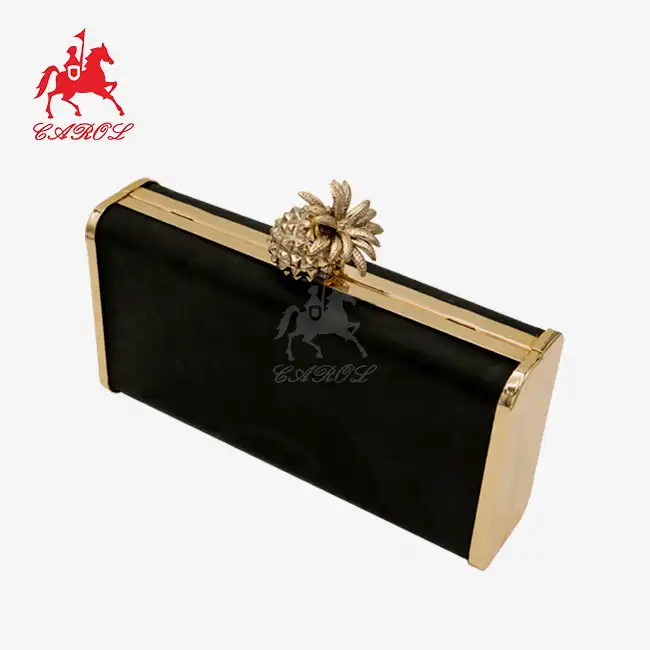
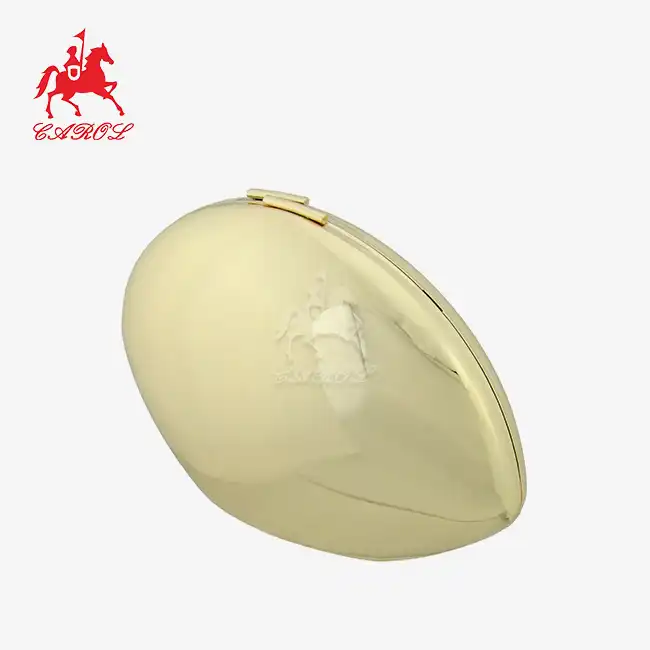
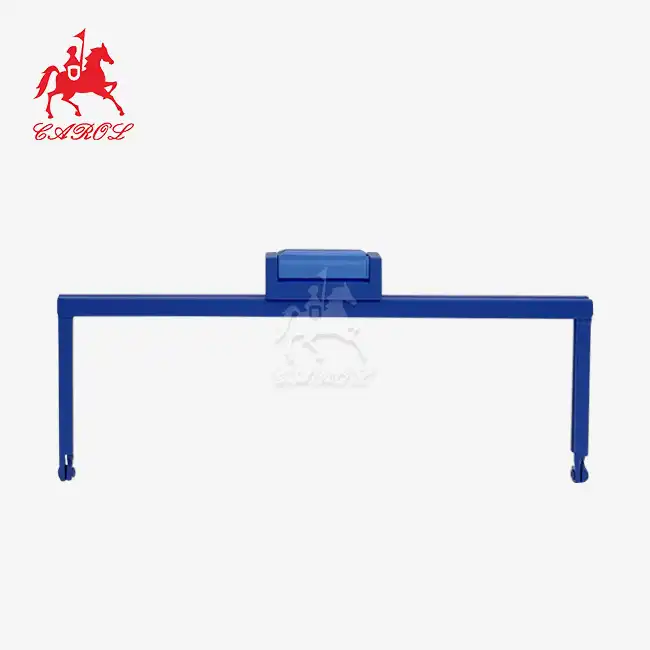
What are alloy handbag locks called?
 2026-05-08 22:04:56
Alloy handbag locks are specialized closure mechanisms crafted from metal alloys, primarily zinc alloy, designed to secure handbags, purses, clutches, and leather goods. These essential hardware components are commonly known by various industry terms including metal handbag locks, alloy clasps, bag closures, twist locks, press locks, and handbag buckles. The terminology varies across different markets and manufacturers, but they all serve the fundamental purpose of providing secure, functional, and aesthetically pleasing closure solutions for fashion accessories and leather goods manufacturing.
Understanding Alloy Handbag Locks: Names, Types, and Mechanisms
There is a lot of language used in the world of handbag gear that buyers and makers need to be able to understand. Understanding these terms makes it easier for buyers and sellers to talk to each other and choose the right Products.
Common Industry Terminology
Metal clips for handbags have different names based on how they are made and what they are used for. One of the most popular types is press locks, like the 35mm x 47mm zinc alloy model we're showing you today that weighs 81 grams and has a nickel finish. Depending on how they are opened, these locks are also called push locks, snap locks, or turn locks.

Bag hardware terminology extends beyond simple locks to include clasps, buckles, catches, and latches. Each term refers to a small difference in the form, function, or way of using something. A lot of high-end brands give their signature closing methods unique names, which makes the names even more difficult to understand.
Mechanical Classifications and Applications
Different versions of these locks work in very different ways mechanically. Press locks work with spring-loaded devices that connect when pressed and deactivate when pressed again. For better protection, turn locks need to be rotated to lock or unlock the close, while twist locks need to be pressed and rotated at the same time.

Security features play a crucial role in lock selection, particularly for high-end uses. These parts meet strict quality standards by being tested for tamper resistance, rust protection, and longevity. Professional testing tools check for tensile strength, resistance to contact, and operating lifetime in a variety of settings.

How to Choose the Right Alloy Handbag Lock for Your Product Line
Choosing the right closing hardware requires careful thought about a number of things that affect both how well it works and how appealing it is to the market. When manufacturers know these factors, they can make decisions that are in line with how they want to place their brand and what customers expect.
Material Compatibility and Durability Standards
When making handbags, zinc alloy building is very useful because it has better strength-to-weight ratios than pure metals or plastic options. When it comes to premium press locks, the 81-gram weight specification hits the perfect mix between solid feel and usefulness. Nickel finishing makes something more resistant to rust and makes it look nice.
Compatibility with different bag materials needs to be carefully thought out when choosing. Hardware for leather items needs to match the natural qualities of the material, while mounting hardware for synthetic fabrics may require different mounting considerations. The 35mm x 47mm size fits most normal handbag styles and gives you enough surface area for a safe connection.
Market Segmentation and Aesthetic Considerations
Choosing tools needs to be done in different ways for each type of market. Luxury brands put a lot of emphasis on high-quality finishes, exact production standards, and unique design elements that help build brand recognition. Mid-market makers focus on making products that work well, are priced reasonably, and come in a variety of styles that appeal to a wide range of people.
Customization lets brands set their goods apart from others by giving them unique hardware specs. Size differences, different finishes, and unique design features make products stand out and help them place in the market. Alloy handbag locks can be customized to meet specific needs, which helps brands stand out in a variety of market areas.
Installation and Maintenance of Alloy Handbag Locks: Practical Tips
Handbag closing systems work best and last the longest when they are installed correctly and regularly maintained. These real issues have a direct effect on the quality of the product, how happy the customer is, and the terms of the guarantee.
Professional Installation Procedures
To do a proper fitting, the parts must be placed correctly and securely attached to the bag materials. For the fixing process to go smoothly, the right tools, alignment, and support must be used to keep the structure from breaking too soon. Quality control checks the soundness of the system before it is fully put together and packed.
Common installation challenges include material compatibility issues, alignment problems, and inadequate reinforcement. Professional makers deal with these issues by using standard methods, special tools, and thorough quality control processes.
Maintenance and Longevity Optimization
Regular repair keeps metal closing systems looking good and working well. Nickel-finished surfaces don't tarnish and keep their good looks for a long time when they are cleaned using methods made just for them. Giving end users the right care advice makes customers happier and cuts down on service claims.
Troubleshooting guidance helps identify and resolve common operational issues before they compromise product integrity. Knowing the different ways something could go wrong lets you plan preventative maintenance that makes gear last longer and keep it running at its best.
Top Alloy Handbag Lock Brands and Suppliers for B2B Buyers
In the global market, there are many sellers that focus on handbag parts. Each one has its own benefits for different buying needs. By looking at what suppliers can do, you can be sure that your relationships will work out well and offer consistent quality and good value.
Supplier Evaluation Criteria
Credibility in a manufacturer comes from a track record of success, official certifications, and regular supply of high-quality goods. Getting ISO9001, SGS, or SMETA certifications shows that you follow international quality standards and do business in an honest way. These accolades give luxury names and high-end manufacturers peace of mind when they need high-quality parts.
Production capacity considerations include both the amount of work that can be done and the ability to adapt to different order sizes. With a production capacity of 30 million pieces per year, the company can handle both big sales and small-batch test runs. This adaptability meets the needs of a wide range of customers in various market groups.
OEM and Customization Advantages
Original equipment manufacturing services let brands come up with their own hardware specs that make their products stand out. Customization options go beyond simple changes in size; they also include unique finishing, special materials, and one-of-a-kind design elements.
Alloy handbag locks benefit from full design services available that meet the needs of each brand. Changing the size, using different materials, and adding different finishes all make the product unique, which helps with premium branding and market differentiation strategies.
Trends and Innovations in Alloy Handbag Locks for 2024 and Beyond
The handbag hardware business is always changing because of new technologies, concerns about the environment, and shifting buyer tastes. Understanding emerging trends helps with strategic placement and making products that fit those trends.
Sustainability and Environmental Considerations
As more people want healthy goods, brands are making decisions about what to buy based on environmental concerns. In places that care about the environment, eco-friendly alloy compositions, recyclable materials, and responsible production methods give companies a competitive edge.
Manufacturing process improvements focus on keeping high standards while lowering the damage to the environment. Sustainable manufacturing practices include using advanced electroplating techniques, reducing trash, and making production methods that use less energy.
Technology Integration and Smart Features
Innovation goes beyond simple mechanical closing and includes incorporating smart technology. New ways to place high-end products include using advanced locking systems, electronic parts, and connectivity features.
Market demand shifts toward lightweight, corrosion-resistant components that deliver enhanced durability and improved user experience. Alloy handbag locks incorporate these advances through better materials, better designs, and better production processes.
Conclusion
The language used to talk about alloy handbag locks is very varied, which shows how complicated and high-tech modern handbag gear is. Knowing these different names and categories helps makers and procurement workers make smart choices that improve the quality of their products and make them more competitive in the market. The industry has a wide range of products, from press locks and twist mechanisms to specialized clasps and custom hardware solutions, so there is something for every need. Modern closure systems are made of zinc alloy and have exact physical specs and features that can be changed to fit different needs. This makes them ideal for developing high-end, mid-range, and specialized products.
Partner with Carol for Premium Alloy Handbag Lock Solutions
Carol Metal can help you make your handbag line better by giving you premium alloy handbag locks and full manufacturing support. Our 4,500㎡ building has more than 100 professional production units and uses ISO9001 and SGS-certified methods to make sure the quality is top-notch. Our 30 million-piece yearly capacity makes sure that the supply chain is always supported, from small batches of prototypes to big production runs. Get in touch with tony@carolxiao.com to talk about your unique needs and find out how our customization options can improve the hardware specs for your brand. You can look through our huge catalog at carolhardware.com and see how professional-grade alloy handbag locks supplier relationships can help your business success.
FAQ
What materials are commonly used in alloy handbag locks?
Due to its high strength-to-weight ratio, resistance to rust, and low cost, zinc alloy is the most common material choice. Nickel, brass, and other finishes can be put on this material, as well as special treatments that make it look better and last longer.
How do I determine the right size for my handbag design?
Standard dimensions, like 35mm x 47mm, work for most handbag uses, but custom sizing ensures that the proportions and usefulness are just right. When choosing closing measurements, think about the size of the bag, the thickness of the material, and how the design looks.
What customization options are available for alloy handbag locks?
Size modifications, alternative finishes, material variations, and unique design features are all part of full personalization. OEM services allow for unique specs that help brands stand out and give products their own unique qualities.
How do alloy locks compare to plastic or pure metal alternatives?
When compared to plastic, alloy construction is more durable and cheaper than construction with pure metals. Zinc alloy works best for most handbag applications because its qualities are well-balanced.
References
1. "Handbag Hardware Classification and Terminology Standards." International Fashion Accessories Association, 2023.
2. "Zinc Alloy Applications in Fashion Hardware Manufacturing." Materials Science Quarterly, Vol. 45, Issue 3, 2023.
3. "Quality Standards for Luxury Handbag Components." European Fashion Hardware Council, 2023.
4. "Sustainable Manufacturing Practices in Metal Hardware Production." Industrial Manufacturing Review, 2024.
5. "Consumer Preferences in Handbag Closure Systems: A Market Analysis." Fashion Industry Research Institute, 2023.
6. "Technical Specifications for Press Lock Mechanisms in Leather Goods." Handbag Manufacturers Association Technical Bulletin, 2023.