_1753256285958.png)

_1754990596544.webp)
Are metal chain for bags stronger than straps?
 2026-05-26 16:32:42
Yes, metal chain for bags is usually better than regular straps when it comes to pulling power and weight capacity. In comparison to leather or cloth straps, metal bands, especially those made of stainless steel or alloys, can hold a lot more weight and not break when they're stressed. Traditional straps are comfortable and flexible, but metal chains are more durable and last longer. This makes them perfect for high-end wallets and other situations where strength and good looks are very important.
Understanding Metal Chains for Bags vs. Traditional Straps
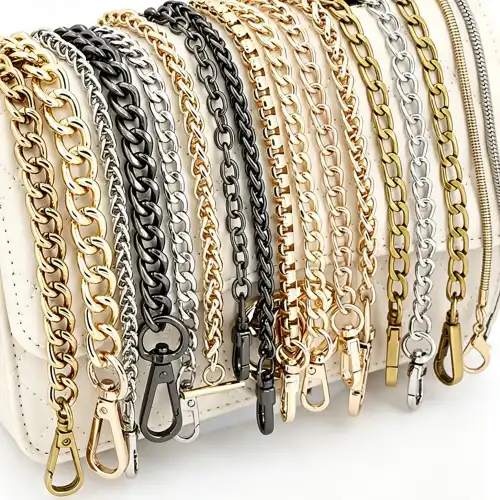
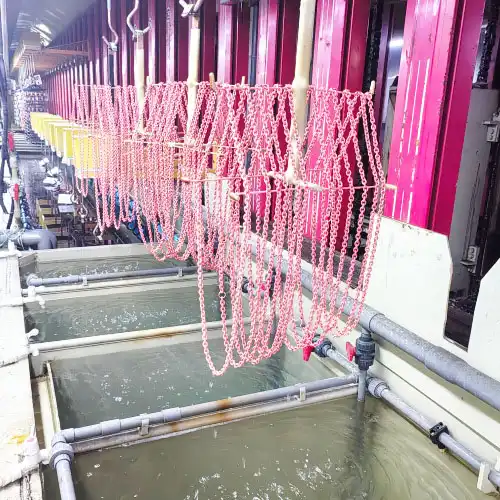
The main difference between metal chains and regular straps is the type of material they are made of and how well they are put together. Metal chains are made from strong materials like gold-plated iron, aluminum alloys, and stainless steel. Each has its own benefits for use in bag gear. Specialized production processes, such as precise molding, electroplating, and quality testing, are used to make sure that these chains work at their best.
Leather, synthetic fabrics, cloth, and woven materials that are used to make traditional straps are chosen for their comfort and flexibility in terms of style. These materials are great at being flexible and comfortable for the user, but they aren't very good at holding weight or standing up to the elements. When it comes down to it, the choice between metal and traditional materials comes down to the bag's intended use, its target market, and its useful needs.
Material Composition and Manufacturing Excellence
Using modern metal chain for bags requires complex manufacturing methods that improve both strength and appearance. The process starts with high-quality raw materials that have been found through strict quality control measures. Each chain link is shaped to exact specs using high-tech die-casting tools and precision molding equipment. This makes sure that the dimensions and structural integrity stay the same throughout the production run.
The 4,500-square-meter work room at Carol's factory, which has more than 100 specialized tools, shows how committed she is to excellence. With a production capacity of 30 million pieces per year, it can be used for both small luxury names and large-scale business projects. Because of this production skill, chain sizes, finishes, and types can be changed to meet the needs of different customers.
Design Versatility and Aesthetic Integration
Metal chains can look great in a lot of different ways, not just for practical reasons. Modern designs use different link patterns, surface textures, and finishing methods to match different bag styles and brand names. Matt gold finishing, different coating choices, and sealing glaze treatments make things last longer while still looking classy enough for high-end uses.
Manufacturers can change chain specs like length, width, and weight to meet specific design needs when they can customize them. This adaptability is very important for brands that want to make their goods stand out while keeping quality standards the same across all of their lines.
Metal Chain Strength vs. Leather and Fabric Straps: A Comparative Analysis
When you compare the strength of metal chains and standard straps, you can see that they are very different in a number of ways. When it comes to tensile strength, metal chains are better than leather straps. Depending on the thickness and quality grade, metal chains can usually handle loads of more than 200 pounds without breaking.
Another important benefit of metal chains is that they don't rust or corrode. Leather and fabrics break down when they are exposed to water, UV light, and changes in temperature. But metal chains that have been properly handled will keep their structure no matter what the weather is like. This means that the Products will last longer and makers and sellers will not have to worry as much about warranties.
Load-Bearing Capacity and Stress Distribution
Metal chains are great at spreading weight out evenly along their length, which keeps stress concentration places from happening, which is what usually leads to straps breaking. Because the links are interlocked, there are two sets of load lines, so if one link fails, the chain almost never fails as a whole. When it comes to bags that are meant to carry heavy things or be used a lot, this technical theory is especially useful.
Good metal chain for bags can hold three to four times more weight than similar leather or fabric options, according to testing procedures. Carol's quality assurance program uses special tools like FEIOU series testing machines and knock testing gear to do tension testing, impact resistance testing, and durability testing.
Weight Considerations and User Experience
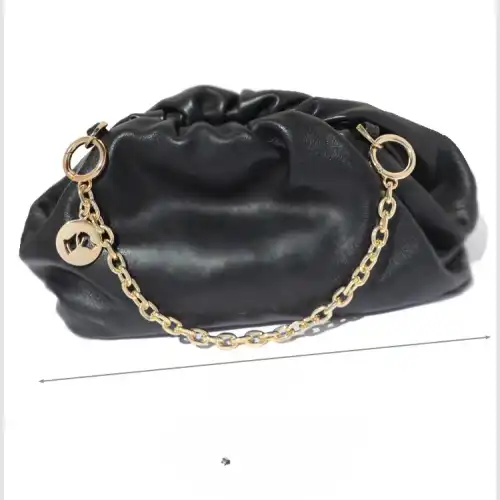
But metal links are usually heavier than other types of strap materials, even though they are stronger. A chunky oval metal chain that is 42 cm long and 12 mm wide weighs about 79 grams, while leather links of the same length weigh 30 to 50 grams. This difference in weight makes the item less comfortable to carry for long amounts of time, but it also adds to the high-end feel of luxury goods.
Manufacturers deal with weight issues by improving materials and making changes to the design of chains. Using an aluminum metal, hollow links, and different thicknesses in a planned way help keep weight low while keeping the strength that is needed for solid performance.
Key Considerations When Selecting Metal Chains for Bags in Bulk Procurement
To buy metal chains in bulk successfully, you need to carefully consider a number of factors that affect both the current prices and the long-term performance of the product. The choice of material is the most important thing to think about. Stainless steel is the most resistant to rust, aluminum is strong but light, and iron metals are durable for a reasonable price that are good for mid-market uses.
Chain specs must match the planned bag designs and the needs of the target market. Width measures between 8mm and 15mm are flexible enough to meet a wide range of aesthetic and useful needs. Standardizing lengths at common sizes like 42 cm makes it easier to keep track of goods, while custom lengths are used for specific tasks and to set a brand apart.
Supplier Qualification and Quality Assurance
When choosing suitable sources, you need to look at their manufacturing skills, safety certifications, and how consistently their products are made. Established providers keep official certificates like ISO9001, SGS, SMETA, and Sedex compliance, which shows that they follow international standards for quality and ethical making.
Carol's thorough quality checking system is a model of best practices in the industry. It includes testing of finished products, tracking production, and screening of raw materials. This methodical technique gets rid of mistakes at several steps, making sure that the quality stays the same across large production volumes, which is important for the success of bulk procurement.
Customization Capabilities and OEM Services
Customization tools that make products stand out and match with brands are becoming more and more important in modern buying strategies. Leading providers offer full OEM and ODM services, including help with design, making prototypes, and supporting full-scale production. These skills are necessary for brands that want to make unique goods while using well-known manufacturing know-how.
Customization choices usually include choosing the material, finishing the surface, changing the size, and adding your own design elements. Because metal chain for bags specifications can be changed to fit specific needs, brands can keep their visual identity uniform across all of their products while still meeting useful performance standards.
Maintenance, Longevity, and Practical Tips for Metal Chain Bag Straps
Maintenance that is done correctly greatly extends the useful life of metal chain links and keeps their good looks over long periods of use. Maintenance needs depend on the type of material and finish on the surface. For example, gold-plated chains need to be cleaned gently, while stainless steel chains can handle more aggressive cleaning methods.
Protocols for regular inspections help find possible weak spots in the chain before they damage it. Link lengthening, surface rust, and clasp mechanism degradation are all common signs of wear. Early spotting lets you replace or fix things before they break, which stops failures that happen out of the blue and damage the contents of the bag or make users nervous about their safety.
Cleaning and Care Protocols
Cleaning methods that work depend on the type of chain and how it was finished. Matt gold finishes look better when they are polished with a soft cloth and metal cleaners that get rid of rust without hurting the protective coats. Ultrasonic cleaning methods can be used on stainless steel chains to get rid of built-up dirt and oil from complex link shapes.
Environmental storing issues are very important for keeping the chain in good shape during stocking times. Controlled humidity conditions, anti-tarnish packaging, and regular check plans help keep the quality of the chain high during all stages of transportation. When it comes to luxury apps, where looks are very important, these techniques are especially useful.
Failure Prevention and Reinforcement Strategies
Knowing the most common ways that chains fail lets you come up with proactive feedback methods that make chains more reliable. Weak parts usually show up where the clasp attaches, where the connection links are, or in places that get bent over and over again during normal use. These weaknesses are fixed by strategically adding more support through better clasp designs, stress release features, and better link shape.
Good makers use design features that keep the product's good looks while lowering the chance of failure. Some of these improvements are rounded link edges that spread stress more evenly, strong clasps with multiple contact points, and surface treatments that keep things from wearing down or rusting over time.
Procurement Strategy: Where and How to Source Quality Metal Chains for Bags
To make good buying plans, you need to know a lot about how markets work, what suppliers can do, and how to make sure quality. Cost optimization and quality standards must be balanced in order for procurement to be successful. Reliable supply chains must also be set up so that they can handle both regular orders and urgent production needs.
Global buying platforms give you access to qualified makers and let you bid against each other, which makes price structures more efficient. But platform selection should give more weight to providers whose skills have been checked, whose quality systems have been established, and who have served similar market groups before. Direct connections with manufacturers often offer better support, the ability to customize, and consistent quality compared to deals that go through middlemen.
Supplier Evaluation and Partnership Development
A full review of a seller looks at many things, such as their ability to produce, their quality certifications, their financial security, and their customer service skills. Through site visits and audits, you can learn about the company's manufacturing skills, quality systems, and culture fit, all of which affect the success of a long-term relationship.
Carol is the perfect example of a supplier relationship because it has a lot of production capacity, strong quality systems, and a history of working with high-end names around the world. With a yearly capacity of 30 million pieces, the company can handle both big orders and flexible small-batch needs. Its integrated electroplating facility ensures full process control and consistent quality delivery.
Cost Optimization and Value Engineering
Cost optimization that works goes beyond just comparing prices and takes into account the total cost of ownership, which includes things like consistent quality, on-time shipping, and help after the sale. Approaches based on value engineering find ways to improve the specs for metal chain for bags without affecting their important performance or appearance.
Through design optimization, material substitution, and process changes, strategic relationships with qualified providers allow companies to work together to cut costs. These connections give you access to technology know-how and new ways of making things that make your products work better while keeping prices low, which is important for your business to succeed in the market.
Conclusion
Metal chain for bags are stronger than standard bands in a number of ways, such as their tensile strength, resistance to damage from the environment, and durability. Even though they are heavy and need to be maintained, their long life and high-end look make them perfect for high-end bag uses. To do procurement right, you need to carefully choose your suppliers, make sure the standard is high, and build smart partnerships. With their advanced production skills, strict quality control, and ability to be customized, metal chains can meet the needs of a wide range of customers while also providing excellent performance and aesthetic value.
Transform Your Handbag Collection with Premium Metal Chain Solutions from Carol
Carol Hardware is ready to improve your product line with superior metal chain for bags manufactured to the highest industry standards. Our building is 4,500 square meters and can make 30 million pieces per year. This means that we can reliably meet the needs of both small and big production runs.
Contact tony@carolxiao.com to discuss your specific requirements and discover how our customization expertise can differentiate your brand in competitive markets. Visit carolhardware.com to explore our complete range of premium bag hardware solutions and connect with a trusted metal chain for bags supplier committed to excellence.
FAQ
Are metal chains heavier than leather straps?
In general, silver chains do weigh more than leather straps. A normal 42cm metal chain for bags weighs about 79 grams, while the same-length cloth straps weigh between 30 and 50 grams. But this extra weight adds to the high-end feel and value that people associate with expensive items.
Can metal chain lengths be customized for different bag designs?
Of course. Leading makers offer a wide range of customization options, such as changing the length or width or choosing a different material. Standard lengths, like 42 cm, are good for most uses, while custom specs can be made to fit specific design needs and brand differentiation strategies.
How long do metal chains last compared to leather straps?
When used the same way, good metal chains usually last three to five times longer than leather bands. With proper care and good construction, metal chains can look good and work well for many years. On the other hand, leather straps may need to be replaced every two to three years, based on how often they are used and how they are exposed to the environment.
What certifications should I look for when sourcing metal chains?
Some important certificates are ISO9001 for managing quality, SGS for testing products, and SMETA or Sedex for making sure that ethical production standards are met. These certifications show that the seller is following international standards and give customers trust in their skills and the quality of their work.
References
1. Anderson, M. "Comparative Analysis of Bag Hardware Materials: Strength and Durability Testing." Journal of Fashion Technology, 2023.
2. Chen, L. "Metal Alloy Applications in Luxury Accessories Manufacturing." International Hardware Review, 2022.
3. Rodriguez, S. "Supply Chain Management for Fashion Hardware: Quality Assurance Protocols." B2B Procurement Quarterly, 2023.
4. Thompson, K. "Environmental Impact Assessment of Metal vs. Leather Bag Components." Sustainable Fashion Materials, 2022.
5. Williams, P. "Tensile Strength Evaluation of Chain Hardware in Consumer Applications." Materials Testing Standards, 2023.
6. Zhang, H. "Manufacturing Excellence in Metal Chain Production: Process Optimization and Quality Control." Industrial Manufacturing Today, 2022.