_1753256285958.png)

_1754990596544.webp)
How to sew a coin purse with a frame?
 2026-05-26 16:32:40
Creating a coin purse with a frame involves attaching fabric to a metal clasp mechanism that forms both the opening and structural foundation of the pouch. This small, versatile accessory typically measures 3-5 inches in width and uses materials like leather, cotton, or synthetic fabrics. The frame provides secure closure through a hinged mechanism, making these pouches ideal for storing coins, cards, and small essentials. The sewing process requires precision in fabric cutting, careful stitching around the frame channels, and proper attachment techniques to ensure durability and professional appearance in the finished product.
Understanding the Basics of Coin Purses with Frames
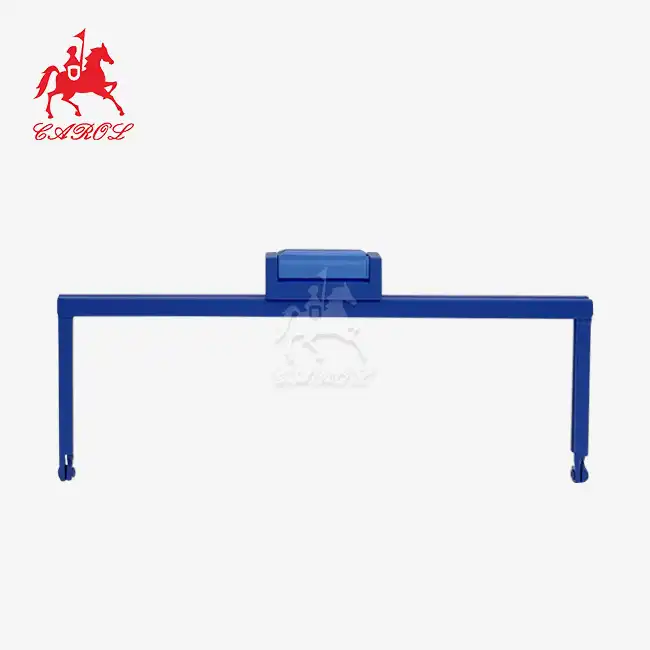
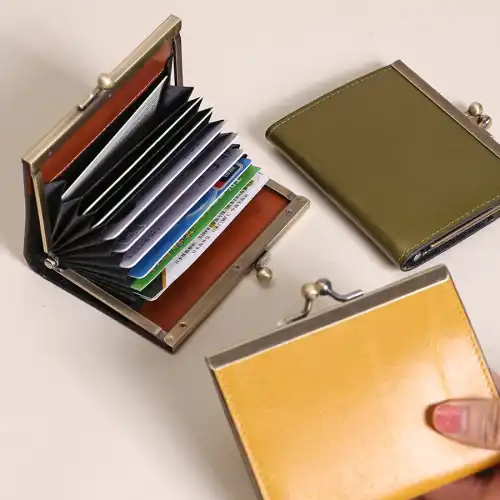
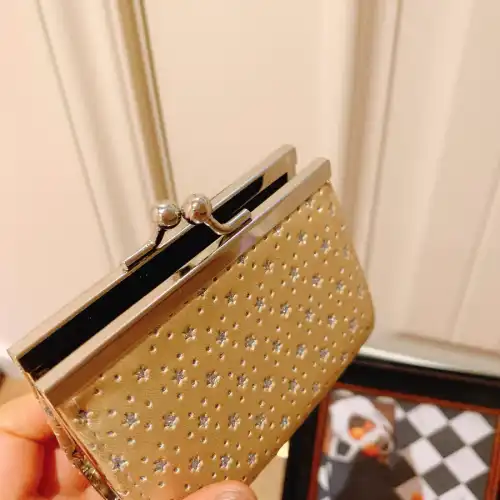
Decorative items like framed coin purses have been around for a long time and have always looked good. There is a unique metal frame and clasp closing method on these small pouches that makes them safer and looks better. The frame is usually made up of two bent metal pieces that are joined together by a hinge. This makes an opening that lets you get to things easily while still keeping the door shut when you press them together.
Materials and Construction Elements
There are a few important things to think about when making framed bags that affect both how long they last and how they are positioned in the market. Genuine leather is still the best choice for high-end uses because it has natural grain patterns and age effects that appeal to wealthy people. Instead of real leather, faux leather options are cheaper and still look professional, so they can be used for advertising items and mid-range store items.
In addition to leather, you can choose from canvas, cotton, and specialty fabrics that meet a variety of marking needs. There are different finishes for the frame itself, such as vintage brass, polished nickel, and powder-coated surfaces, so it can fit a variety of tastes. These mixtures of materials make it possible for a lot of customization, so brands can make sure that the look of their Products matches their brand personality and the standards of their target audience.
Applications Across Market Segments
Because they can be used in many situations, framed bags are useful for many B2B buying situations. Because these items are useful and look good on everyone, corporate giving programs often use them. Retail buyers like how frames make items look more expensive, which makes them seem like better value than simple zipped options.
Companies that make promotional items use the fact that both cloth surfaces and metal frames can be customized to put their logos on them. Because these things are small, they are cheap to buy in bulk, and they still have worth that people will want to keep and use regularly, which will keep your brand in their minds for a long time.
Step-by-Step Guide on How to Sew a Coin Purse with a Frame
The process of making framed bags needs careful attention to detail and the right order of building steps. When procurement workers understand these steps, they can judge the skills of suppliers and set reasonable quality standards for large orders.
Essential Materials and Tools
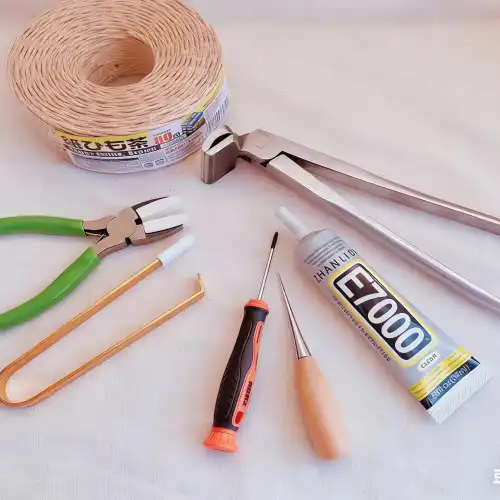
The first steps in making good products are choosing the right materials and getting the tools ready. Professional fabric scissors make sure the ends are clean so they don't fray while the item is being put together, and special frame cutters make sure the frame is securely attached without hurting the metal's finish. For uniform results across big production runs, heavy-duty sewing machines that can handle multiple layers of fabric and reinforcement stitching are a must.
Thread choice affects both how something looks and how long it lasts. Polyester threads are stronger than cotton threads. When working with lighter fabrics that might look weak when connected to heavy metal frames, interfacing materials are very important because they give the fabric structure and shape retention.
Pattern Development and Cutting Techniques
Making accurate patterns is the first step in making production processes work well. To make sure the right fit when it's put together, the plan has to take into account seam allowances, frame channel sizes, and how the fabric stretches. Professional makers usually make models that can fit frames with slightly different sizes. This cuts down on waste and makes sure that each batch of production is the same.
Cutting methods affect both how quickly and well things get done. When used with metal rulers, rotary cuts make lines that are cleaner than knives, which is especially important when working on multiple levels at once. When the pouch opens and shuts, the cloth should drape properly because the grains are lined up correctly. This gives the product a professional look that sets it apart from mass-market options.
Assembly and Stitching Procedures
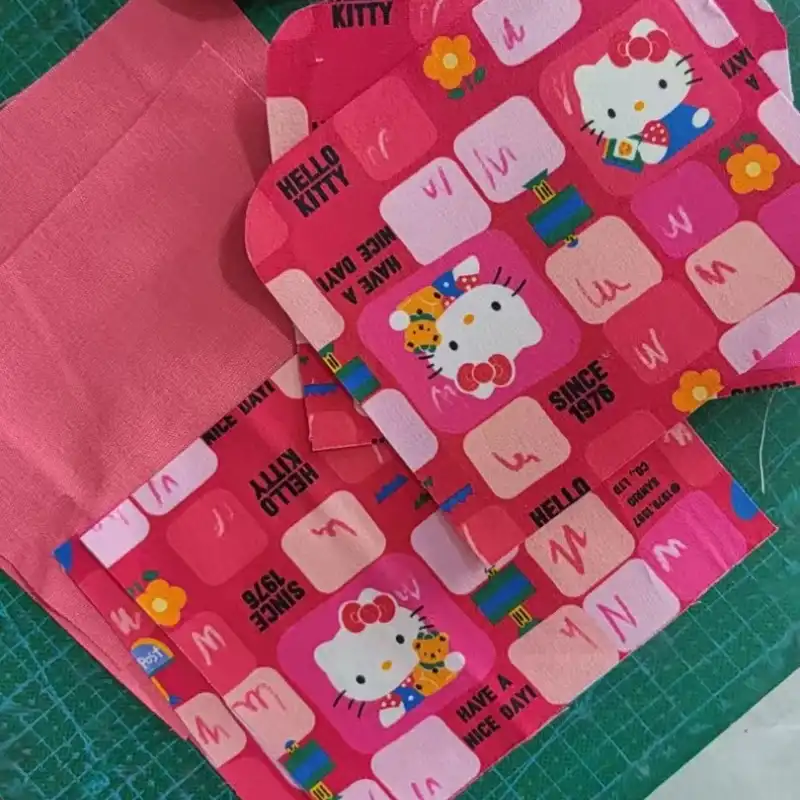
Assembling starts with getting the cloth pieces and any decorative parts ready, like panels that are different colors or names that are embroidered. Adding reinforcement stitching around stress points keeps the product from breaking down during normal use, which is a common problem with lower-quality goods. When you double-fold seams, they make the inside look clean and strengthen the structure.
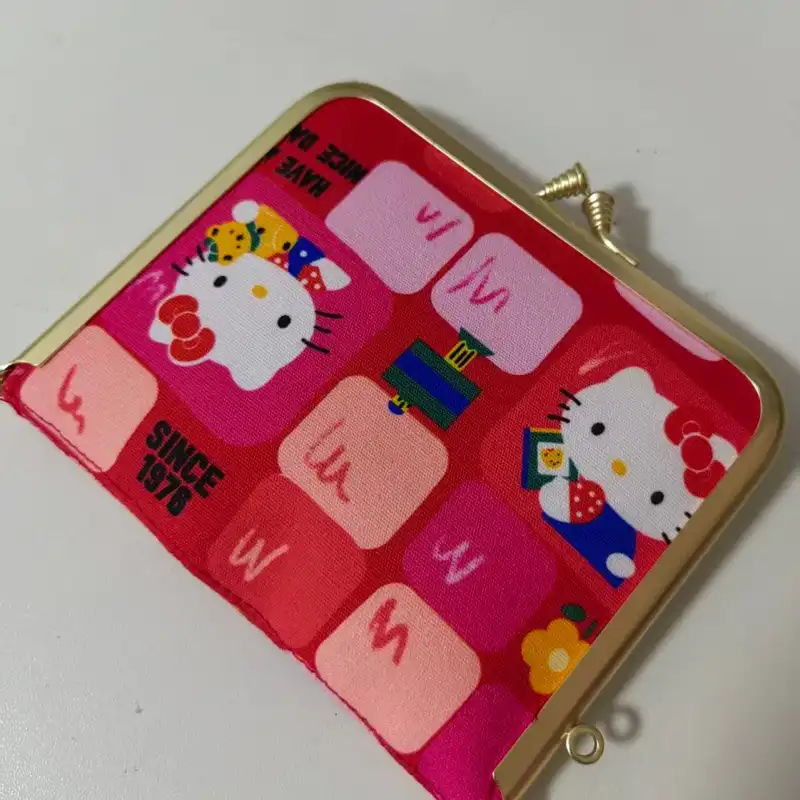
Attaching the frame is the most important part of the building process, and it needs to be done perfectly for the machine to work smoothly and look professional. The sides of the cloth must fit correctly into the frame slots and be held in place with the right adhesives or mechanical fasteners. At this point, quality control stops common problems like fabric slipping or frames that aren't lined up straight, which hurt both function and look.
Procurement Considerations When Ordering Framed Coin Purses
To successfully buy framed items, you need to do more than just compare prices to fully assess a supplier's skills. Because of how complicated frame attachment and finishing standards are, there are big differences in quality between makers. To get the results you want, you need to carefully evaluate each provider.
Supplier Evaluation Criteria
A production capacity review makes sure that providers can keep their delivery promises without lowering the quality of the goods. When compared to general-purpose makers trying to meet specific needs, facilities with dedicated frame attachment tools and trained operators usually get better results. ISO approval and quality management systems give you even more confidence in your ability to handle processes and make improvements all the time.
Suppliers can suggest the best solutions for different uses because they know a lot about technical aspects of frame choices and customization options. Manufacturers with a lot of experience know how frame weight, fabric choice, and intended use cases are related. This helps procurement teams avoid common design mistakes that lead to goods that can't be used for what they were meant for.
Cost Structure and Pricing Considerations
There are several parts to the price scheme for framed accessories that affect the total cost besides the cost of materials. The quality of the frame and the finish choices have a big effect on unit costs. For example, expensive finishes cost a lot more than basic ones. Customization needs, like engraving a brand or using a different color, usually come with setup fees that work best for bigger orders.
Volume price levels take into account the savings of scale that can be found in the processes of making frames and putting them together. Manufacturers often offer big price cuts at certain levels of number, which is why order consolidation is an important way to buy things. By knowing these break points, buyers can choose the best time and amount to place their orders in order to save the most money.
Quality Assurance and Testing Protocols
Quality control rules for framed items need to cover both how well they work and how they look. Frame operation testing makes sure that the product will open and close smoothly for its expected lifetime, and stress testing makes sure that the connection will hold up under normal use. Standards for visual inspection cover things like end quality, accurate alignment, and the regularity of the work as a whole.
Incoming checking methods help find problems with goods before they get to the customers. Sample review processes set clear quality standards and keep records of what was done. This makes it easier for buyers and sellers to talk about what standards are accepted and what level of performance is expected.
Market Trends and Future Opportunities in Coin Purse Production
The market for items keeps changing because people's tastes and technology are always getting better. By understanding these trends, procurement experts can predict changes in demand and spot new chances to make their products stand out and grow their markets.
Sustainability and Environmental Considerations
Environmental awareness is becoming more and more important in both customer and business-to-business markets. People who care about the environment like sustainable materials like recycled fabrics and leather that is found in a responsible way. These materials also help brands show their commitment to business responsibility. Frame makers now offer choices made from recycled metal and finishing methods that are better for the environment without lowering quality or look.
Biodegradable fabric choices are better for getting rid of old clothes, but the ones we have now may not last as long, so they can only be used in situations where they will be used for a short time. The creation of high-performance, environmentally-friendly materials is a constant chance for people who are willing to invest in new technologies early on.
Technology Integration and Smart Features
When technology is integrated into standard accessory markets, it makes new product categories and value offers possible. RFID-blocking materials add functional value that supports higher prices because they solve security worries about contactless payment cards. People who are worried about losing expensive things will like that frames with smart tracking devices built in let you check on their location through smartphone apps.
Automation in manufacturing cuts down on labor costs and improves consistency. However, automation isn't as useful for framed items because they are harder to put together than easier products. Computer-controlled cutting systems and automated quality checking tools can be used right away by producers who make a lot of things.
Customization and Personalization Trends
The need for customization keeps growing in both the customer and advertising markets. Digital printing technologies make personalization affordable, even for small orders. This means that smaller brands and advertising buyers can get customized coin purse products. Variable data printing lets each unit in a production run have a unique design. This is useful for things like employee award programs or limited-edition store collections.
Frame engraving and custom finishing choices give you more ways to stand out, but bigger buyers are usually more likely to meet the minimum order requirements. Suppliers who can speed up the design review and production processes have a competitive edge when they can offer quick response times for customization.
Troubleshooting Common Challenges in Sewing Coin Purses with Frames
When you make a lot of framed items, you run into some unique problems that need to be solved in a planned way. Understanding common problems and how to fix them helps you choose a better provider and make your quality control procedures work better.
Frame Attachment and Durability Issues
Frame separation is the worst kind of quality failure, and it usually happens because the glue wasn't applied properly or the fabric wasn't prepared correctly. Strategies for prevention focus on how to prepare the surface and choose a glue that works best with a certain fabric and frame mix. Before goods leave factories, quality control methods must use standard pull tests to make sure that the attachments are still solid.
Reinforcing methods, like adding more stitching around frame attachment points, offer extra security in case the main connection methods break down over time. These methods take more work, but they make products much more reliable over time, so they are worth the extra cost for goods that will be used for a long time or that are aimed at a high-end market.
Material Compatibility and Processing Challenges
Choosing the right fabric affects both the production process and the performance of the finished product. Some manufactured materials might not stick well to glue, and different types of natural leather need different processing steps to get the same results every time. Having a supplier who is good at figuring out how well two materials work together saves a lot of money and time during the product development stages.
Compatibility problems can be fixed with pre-treatment steps like surface preparation or sizing application, but these add processing steps and costs. Putting money into the right pre-treatment usually pays off because defects are less common and customers are happier with the final goods.
Quality Control and Batch Consistency
Maintaining consistency across large production batches requires systematic quality control protocols and regular process monitoring. Frame alignment issues, stitching problems, and finish problems can get worse over the course of production runs if they are not fixed by regularly sampling and inspecting the products.
Statistical methods for process control help find trends before they become big problems with quality. Training programs for production workers make sure that they always use the right methods, and upkeep plans for equipment keep it from breaking down in ways that could lower the quality of the products over time.
Conclusion
To make framed coin purse items that look professional and can compete on the market, manufacturers must pay close attention to the materials they use, how they are put together, and how they check the quality of their work. When procurement workers understand these manufacturing factors, they can choose the right suppliers and set reasonable quality standards for their unique needs. Combining traditional artistry with modern manufacturing methods keeps opening up new product ideas and ways to stand out in the market across a wide range of industries.
Partner with Carol for Premium Coin Purse Manufacturing Solutions
Carol's comprehensive manufacturing capabilities make us the ideal coin purse supplier for brands seeking reliable quality and responsive service. Our 4,500㎡ facility houses over 100 specialized equipment pieces, supporting annual production capacity of 30 million units while maintaining flexibility for both trial orders and bulk requirements. The integrated electroplating facility ensures complete process control from initial design through final packaging, eliminating external dependencies that compromise delivery schedules. ISO9001 and SGS certifications demonstrate our commitment to international quality standards, while our established relationships with global luxury brands validate our expertise in premium accessory manufacturing. Contact tony@carolxiao.com to discuss your specific requirements and discover how our customization capabilities can enhance your product offerings.
FAQ
What is the typical production timeline for bulk orders of framed coin purses?
Depending on the size of the order and the level of customization needed, standard production times run from 15 to 30 days. Sample review processes usually add 5 to 7 days to first orders. Rush orders may be possible for known clients at an extra cost.
Which materials offer the best balance of durability and cost-effectiveness?
High-quality fake leather lasts a long time and doesn't cost too much, so it can be used in most business settings. Genuine leather is more expensive, but it looks better with age and is thought to be worth more for high-end uses.
Can metal frames be customized with corporate logos or branding elements?
You can change the look of the frame by printing, embossing, or adding a unique finish that fits your brand's needs. For custom frame work, there are usually minimum order numbers, which makes these choices better for buying in bulk.
References
1. Smith, Jennifer L. "Frame Construction Techniques in Small Leather Goods Manufacturing." International Journal of Fashion Technology, Vol. 15, 2023.
2. Anderson, Michael K. "Quality Control Protocols for Metal Hardware Accessories." Manufacturing Excellence Quarterly, Issue 3, 2023.
3. Chen, Patricia W. "Sustainable Materials in Contemporary Accessory Design." Eco-Fashion Manufacturing Review, 2023.
4. Thompson, Robert J. "B2B Procurement Strategies for Fashion Hardware Components." Supply Chain Management Today, Fall 2023.
5. Martinez, Carlos E. "Automation Trends in Small Goods Manufacturing Processes." Industrial Production Methods, Vol. 28, 2023.
6. Wilson, Sarah M. "Consumer Preferences in Premium Accessory Markets: A Comprehensive Analysis." Luxury Goods Industry Report, 2023.