_1753256285958.png)

_1754990596544.webp)
Are metal purse frames rust-resistant?
 2026-08-21 20:05:08
Metal purse frames remain fundamental components in handbag manufacturing, offering durability and timeless elegance that synthetic alternatives struggle to match. The question of rust resistance has become increasingly critical as brands demand longer product lifespans and better customer satisfaction. For B2B procurement managers, distributors, and OEM clients, understanding rust-resistant properties isn't just technical knowledge—it's strategic intelligence that directly impacts sourcing decisions and brand reputation.
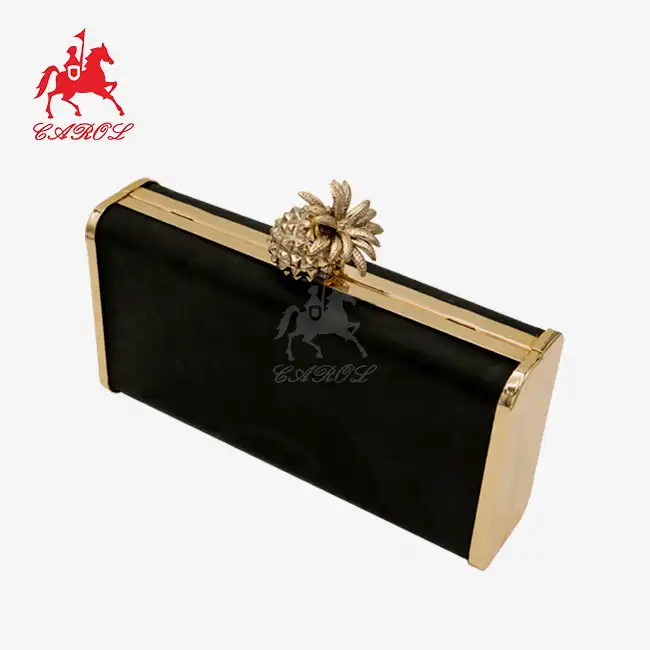
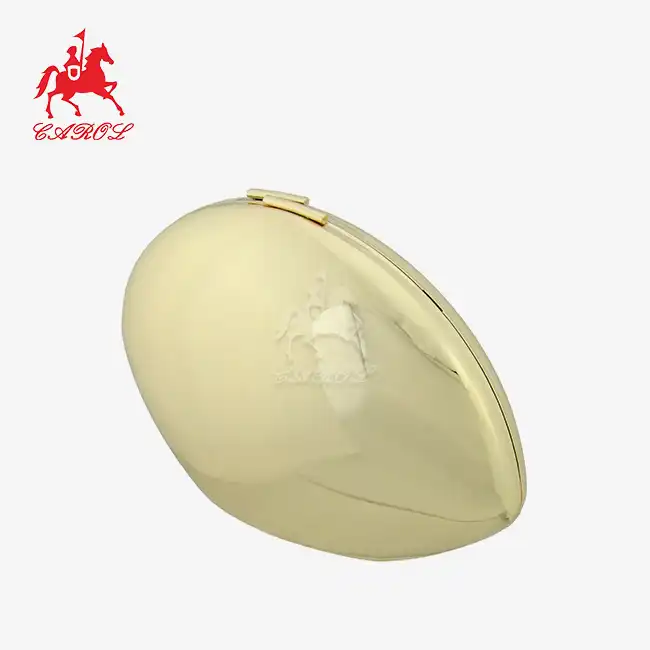
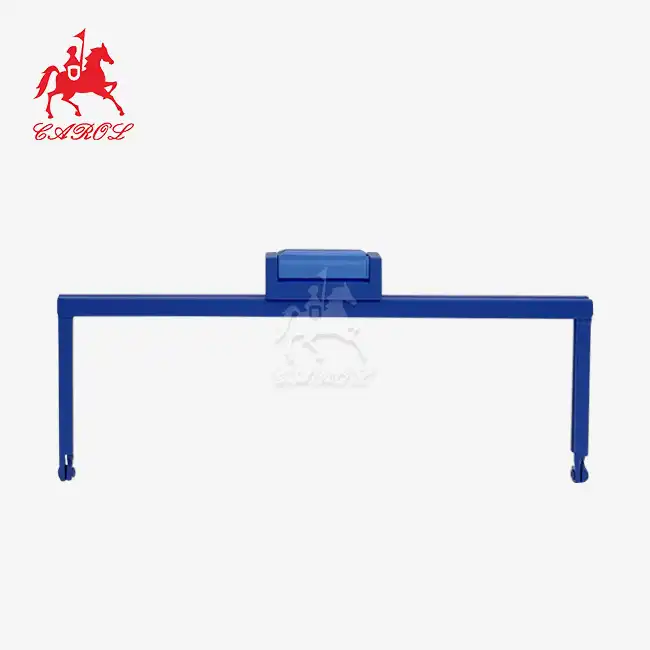
Yes, metal purse frames can be rust-resistant, though the degree of protection varies significantly based on material composition and surface treatment. A well-manufactured square purse frame crafted from iron with zinc alloy components and nickel finishing offers substantial corrosion resistance when proper electroplating processes are applied. The rust resistance depends on multiple factors: base metal selection, protective coating thickness, environmental exposure, and manufacturing quality standards. Understanding these variables empowers procurement professionals to source frames that maintain their appearance and structural integrity throughout years of commercial use.
Understanding Metal Purse Frames and Rust Resistance
The Chemistry Behind Rust Formation
Rust happens when metals that are mostly iron are exposed to air and water and oxidise. This electrolytic process makes iron oxide, which hurts the look and makes the structure less strong. When it comes to backpack hardware, this process speeds up in humid places, near the coast, or when frames come into touch with sweat and makeup. Corrosion happens at different rates depending on the pH level, the temperature, and whether chlorides or sulphates are present.
Advanced rust protection is a must for procurement professionals who work with bag makers in humid areas or who make accessories for coastal markets. The cost of changing frames that have rusted, both in terms of materials and brand image, is much higher than the cost of buying frames that won't rust. Metal kiss clasp frames that are 18.2 cm x 6.5 cm and are often used for evening bags need extra strong protection because they get handled a lot and come into contact with skin oils.
Material Selection for Corrosion Resistance
There are different amounts of rust protection in different base metals. Because it contains chromium, which forms a passive oxide layer, stainless steel naturally protects against corrosion very well. Because it is made up of copper and zinc, brass naturally doesn't rust, which is why it's used for artistic hardware. Aluminium forms a safe oxide layer that stops it from breaking down any further.
When paired with the right surface treatments, iron and zinc alloy combinations are a cost-effective solution. These materials help makers keep production costs low while still giving them the power and shapeability they need for complicated frame designs. The key is to use the right protection finishes that keep the base metal from coming into contact with things that can rust it. Carol Metal specialises in this method and uses advanced etching methods on iron-zinc alloy frames to make them rust-resistant to an industrial level at a price that is competitive.
Industry-Standard Protective Finishes
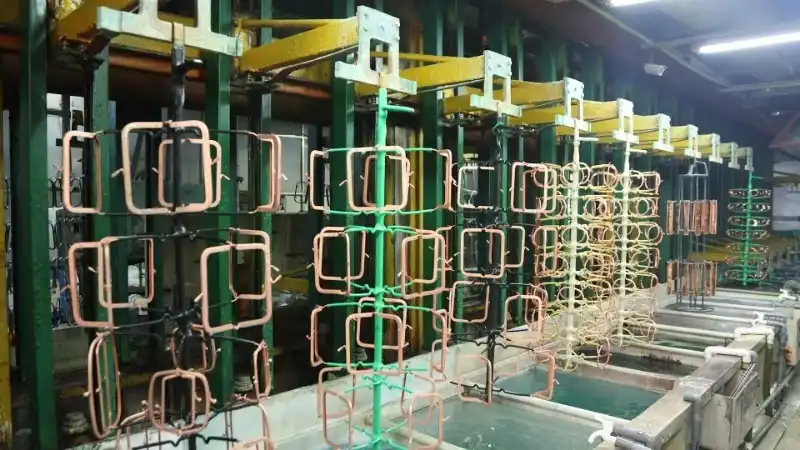
Electroplating is still the best way to protect the square purse frame. A thin, even layer of metal that doesn't rust is added to the base material by the nickel finishing (NF Nickel) process. This makes both a physical barrier and a layer that corrodes more quickly than the metal below it, defending it. The quality of the electroplating relies on how the surface is prepared, what is in the plating bath, how dense the current is, and how long it runs.
Powder coating is another way to protect something; it uses a dry polymer finish that hardens when heated. This method gives good covering and even thickness, but the edges need to be treated carefully. Anodising is a process that changes the surface of aluminium into a strong, corrosion-resistant metal layer. Depending on the frame design, the intended use environment, and the need for style, each treatment has its own benefits.
Comparing Metal Purse Frames: Rust Resistance and Material Properties
Material Performance Analysis
When choosing materials for handbag hardware, procurement managers have to weigh how resistant they are to corrosion against cost, usability, and looks. The frames made of stainless steel don't rust and keep their good looks in a variety of settings. The material is hard, though, which makes it harder to work with and costs more to make. This means it's not as good for complicated patterns or product lines that need to stay within a budget.
Over time, brass frames get a protected sheen that makes them less likely to rust. Brass needs to be polished often to keep its shine, but the warm golden tone draws to high-end markets. Because the material is soft, it can be engraved with fine details and in complicated shapes, which makes it perfect for making custom frames for evening bags. In spite of being light and resistant to corrosion, aluminium isn't very strong, so it can't be used for structural parts.
Frames made of iron-zinc metal and properly electroplated are the best balance for most business uses. These materials are strong enough for high-cycle-count covers and can have different surface finishes applied to them. Because the production is flexible, it is possible to make changes at a low cost to different sizes, even common ones like 18.2cm x 6.5cm for evening bags. When Products are made in factories that have their own electroplating equipment, quality control stays the same throughout the whole process.
Surface Treatment Effectiveness
How well rust-resistant treatments work depends a lot on how well they are applied and how the treated item is exposed to the environment. According to ASTM B117 guidelines, salt spray testing shows big differences between basic and premium electroplating methods. Standard barrel plating might rust within 24 hours of being tested, but rack plating or PVD covering won't break down for 48 to 96 hours.
Carol Metal's specialised electroplating plant uses rack plating methods to make sure that the coating thickness is the same on all frame surfaces, even the important hinge mechanisms and internal channels. This level of attention to detail is very important in business settings where frames are opened and closed thousands of times. Integrated manufacturing approaches can make it possible to make 30 million pieces every year, which shows how scale-efficient they are and how consistent they can be.
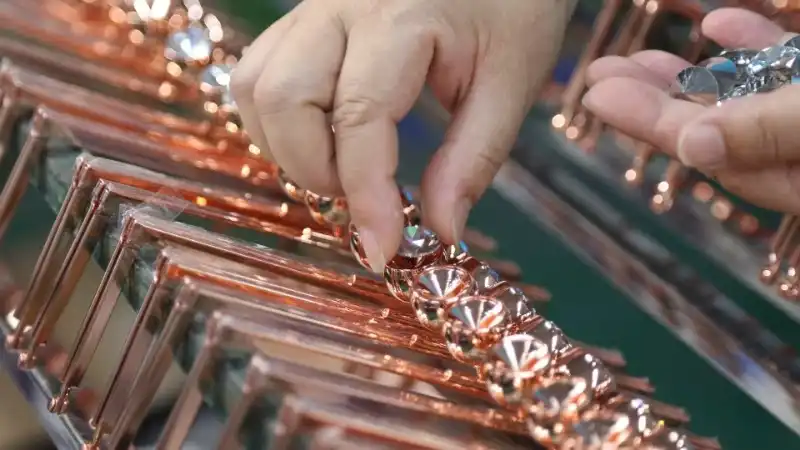
In addition to salt spray, other tests include exposure to a humidity room, cycling through different temperatures, and checking for chemical protection. These tests act out years of real-life use to find weak spots in frames before they are put into production. Procurement managers should ask for test certifications that include dimensional tolerance reports. These will show that the protective coatings stay the same within ±0.2mm of the frame's shape.
Procurement Insights: How to Source Rust-Resistant Metal Square Purse Frames?
Supplier Evaluation Criteria
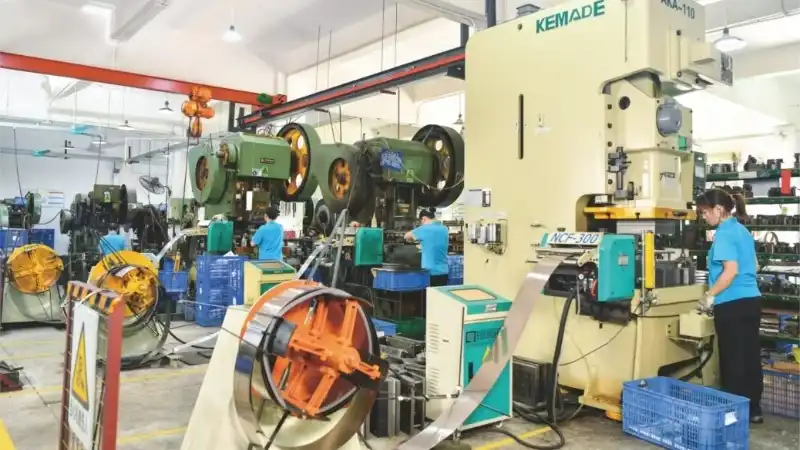
For finding reliable suppliers, you need to look at more than just the prices they offer. Manufacturing capacity tells you if a provider can keep up with your growing wants without lowering quality. A 4,500㎡ building with more than 100 pieces of specialised equipment is more likely to be a serious operating infrastructure than a contract builder that could be affected by problems in the supply chain.
Vertical integration is very helpful for controlling quality and making sure deliveries happen on time. Suppliers who run their own electroplating plants are in charge of the whole process, from the raw materials to the finished square purse frame hardware. This gets rid of the need to rely on third-party processors whose quality standards can change and whose lead times can grow without warning. Customising shapes, sizes, and finishes in a single production setting speeds up the development of prototypes and makes conversation easier.
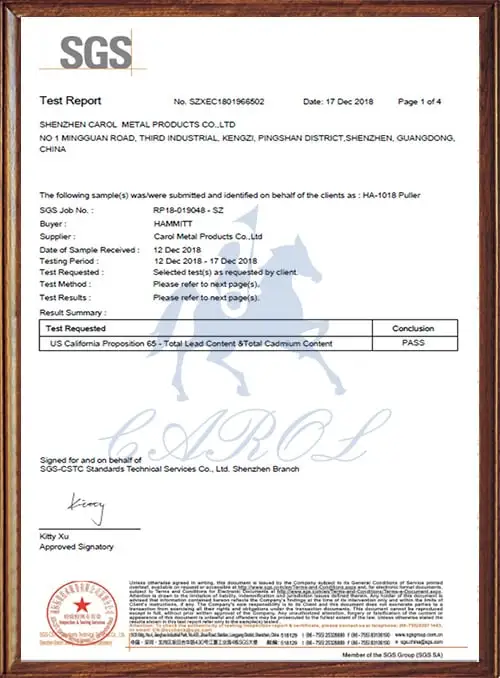
A supplier's certification collection shows how committed they are to quality processes and ethical manufacturing. ISO9001 approval shows that quality management methods are written down, and SMETA and Sedex audits make sure that brands that sell in Western markets are meeting important social compliance standards. SGS testing certifications make sure that materials meet REACH and RoHS environmental standards. This makes sure that products don't have any levels of lead or nickel that aren't allowed and could cause problems with the law or health concerns for customers.
Customization and Order Flexibility
Modern ways of buying things need providers that can handle both big production runs and small trial orders. Because of this, brands can try out new designs in small quantities before deciding to buy a lot of them. Manufacturers that offer OEM and ODM services add value beyond just making products; they can also help with design, which can make your products stand out.
Customisation should be possible in a lot of different ways, such as frame sizes other than standard ones, finish choices like old brass or silver tones, and material swaps for specific performance needs. Being able to talk about design plans with experienced technical staff speeds up the development process and keeps mistakes from costing a lot of money. When suppliers answer technical questions quickly and give skilled product advice, they show that they care about their customers, which is important for building long-term relationships.
When it comes to speciality items or seasonal collections, minimum order quantities have a big effect on the economics of procurement. Strategic benefits can be gained from suppliers who can handle a range of order amounts without drastically raising the cost per unit. This flexibility is very helpful when you have to keep track of supplies for several product lines or when you're serving different market groups with different number needs.
Cost-Benefit Analysis and Pricing Transparency
The total cost of ownership must be taken into account when figuring out how much a frame should cost. When cheaper frames don't resist rust, warranty claims, product returns, and damage to the brand's reputation cost a lot more than the money saved by buying them cheaper. Quality frames from well-known manufacturers may cost more, but they perform better and lower costs in the long run.
Accurate project budgeting is possible with clear pricing structures that separate material costs, finishing costs, and tooling investments. Suppliers who are willing to talk about cost factors show that they are sure of their value proposition. Knowing how the number of orders affects prices helps with strategic planning for purchasing, which could include combining purchases to get better deals while keeping enough inventory turnover.
Reliability in lead times has a direct effect on cash flow and work schedules. Suppliers with a history of on-time deliveries lower the costs of keeping supplies and lower the risk of running out of stock, which can throw off manufacturing plans. Customer comments that stress on on-time deliveries and good communication give useful information about operating reliability that specs alone can't show.
Conclusion
How resistant a metal bag frame is to rusting relies on the material used, how well it is treated on the outside, and how well it was made. Different metals naturally protect against rust to different degrees, but iron-zinc alloy square purse frame that have been properly electroplated offer commercial-grade sturdiness that can be used for a wide range of items, from high-end handbags to useful accessories. Instead of just looking at price, procurement workers should look at a supplier's production skills, certifications, and service flexibility. Throughout production, from screening the raw materials to testing the finished product, quality control is used to make sure that the resistance to rust is the same from one production run to the next. When making strategic sourcing choices, giving preference to well-known manufacturers that can do vertical integration cuts down on supply chain risks and protects a brand's image in competitive markets through performance and dependability.
FAQ
Are all metal purse frames naturally rust-resistant?
No, rust protection depends a lot on the type of metal used and the protective coatings that are put on it. Stainless steel and brass are naturally resistant to rust, but frames made of iron need to be electroplated or coated. Even materials that don't rust can benefit from protective treatments that keep their look and lengthen their useful life in business settings.
What is the expected lifespan of quality rust-resistant frames?
When frames are properly electroplated and well-made, they can usually withstand more than 5,000 opening and closing cycles and won't rust for years. Lifespan varies on how it was made, how it is maintained, and how long it is exposed to the elements. When taken care of properly, high-quality frames from certified suppliers often last longer than the bag materials themselves.
Can rust-resistant metal frames be sustainably sourced?
Of course, metal frames are much easier to recycle than synthetic ones. Stainless steel, iron, zinc alloy, and brass can all be recycled and still be worth something. Responsible manufacturers follow environmental certifications like REACH and RoHS and run material recovery programs to make sure their products meet performance and sustainability standards.
Partner With Carol for Premium Square Purse Frame Solutions
Carol Metal sells metal gear that won't rust and is backed by ISO9001 approval and strict quality control measures. Our 4,500㎡ factory has separate soldering areas that make sure the finish quality is the same on every square purse frame we make. The 30 million-piece-per-year capacity can handle both large orders and flexible small-batch needs, meeting the buying needs of everyone from high-end fashion houses to quick-moving accessory makers.
We can fully customise the frames and structural hardware for evening bags, and we also offer technical consultation services to help you make the best designs for durability and good looks. Our nickel-finished iron-zinc alloy frames are put through a lot of salt spray tests and measurements to make sure they meet international standards for corrosion protection. Email tony@carolxiao.com to get samples, talk about your needs, or look into business options with a reliable square purse frame manufacturer that values quality, efficiency, and quick B2B support. CarolHardware.com has a full range of hardware products made for the needs of challenging global markets.
References
- Davis, J.R. (2000). Corrosion: Understanding the Basics. ASM International Materials Park, Ohio.
- Schweitzer, P.A. (2010). Fundamentals of Metallic Corrosion: Atmospheric and Media Corrosion of Metals. CRC Press, Boca Raton.
- American Society for Testing and Materials (2019). ASTM B117-19: Standard Practice for Operating Salt Spray (Fog) Apparatus. ASTM International, West Conshohocken.
- Revie, R.W. and Uhlig, H.H. (2008). Corrosion and Corrosion Control: An Introduction to Corrosion Science and Engineering. John Wiley & Sons, Hoboken.
- Kanani, N. (2004). Electroplating: Basic Principles, Processes and Practice. Elsevier Advanced Technology, Oxford.
- International Organization for Standardization (2015). ISO 9001:2015 Quality Management Systems - Requirements. ISO, Geneva.