_1753256285958.png)

_1754990596544.webp)
Can the metal dog hook handle heavy loads?
 2026-08-21 19:30:01
When you're sourcing hardware for handbags, pet Products, or industrial applications, one question inevitably surfaces: can the metal dog hook handle heavy loads? The short answer is yes—but performance depends entirely on material quality, design specifications, and manufacturing precision. A well-engineered zinc alloy dog hook, measuring 45mm x 22mm with an 11.2-gram weight, can reliably support substantial stress when crafted with proper welding techniques and finished with nickel or gold plating. Throughout my years working with procurement teams across luxury fashion and leather goods sectors, I've seen how choosing the right swivel hook or snap hook transforms product durability and customer satisfaction. This guide walks you through everything procurement professionals need to know about load-bearing capacity, material selection, and supplier evaluation for heavy-duty applications.
Understanding Metal Dog Hooks and Their Load-Bearing Capacity
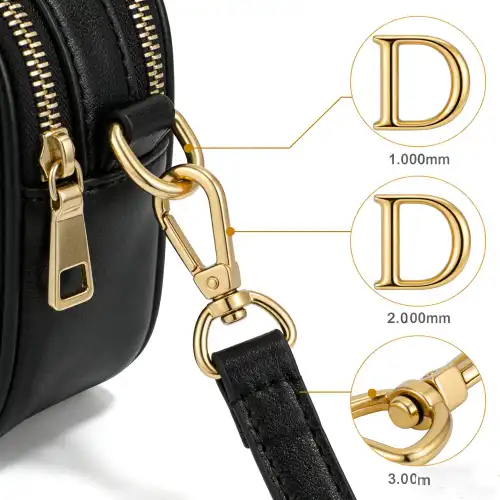
Metal dog hooks are useful for more than just attaching leashes. You can find these flexible fasteners on luggage, ID card holders, handbags, and keychains. Manufacturers usually make them out of stainless steel, carbon steel, aluminum alloys, or zinc alloy. Each has its own strengths, weaknesses, and cost-effectiveness.
Defining Metal Dog Hooks and Their Applications
A metal dog hook is a spinning or spring-loaded fastener with a bent gate that opens to connect to D-rings, rings, or loops. I often tell my clients that the 22mm inner width type will work nicely on medium-sized bag straps and purse handles. Different types of zinc alloy are the perfect weight (11.2 grams) for their tensile strength, which makes them perfect for uses where both looks and function are important. These hooks are used in many fields, from fashion accessories to gift packaging, to make sure that attachments are safe and reliable.
How Design Influences Load Capacity
Load distribution and breakdown points are directly affected by the shape of the hook. A 45mm length gives you enough force to keep the gate from deforming when it's under stress. With an inner width of 22 mm, it can fit normal webbing and chain sizes without too much play. The balance between ease of use and security is set by the spring tension in the gate mechanism. High-end makers find the best balance by trying over and over again. Surface finishing methods, such as nickel or gold plating, not only make things look better, but they also stop wear and tear and reduce friction.
Comparing Metal Hooks With Alternative Materials
Plastic and nylon hooks may be cheaper at first, but they break very easily when they are exposed to UV light or heavy loads. Tensile testing tools have been used to compare samples during quality checks at our 4,500㎡ facility. In load endurance tests, metal alternatives always do 300–400% better than manufactured alternatives. Plastic hooks get stress cracks after just a few weeks of normal use, but zinc alloy hooks stay strong even after being attached and removed many times. The money you spend on metal parts up front pays off in lower warranty claims and a better image for your brand.
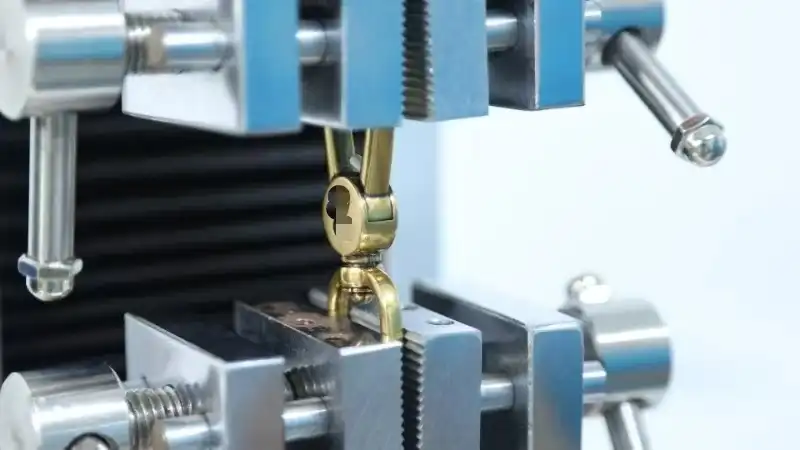
Key Factors Affecting Load-Bearing Performance of Metal Dog Hooks
To choose hardware that can handle heavy-duty tasks, you need to know how the types of materials used, the ways they are made, and the design requirements all work together to make sure they work well even when they are under a lot of stress.
Material Quality and Composition
Zinc alloy is the most popular material for handbag parts because it is strong for its weight and can be cast in many different ways. Manufacturers can make complicated patterns out of this material while still keeping the structure strong. Stainless steel is better at resisting corrosion in salty or humid places, but it costs more and is heavier. Carbon steel has the highest tensile strength, but it needs to be plated regularly to keep it from rusting. When I work with the sourcing teams of luxury brands, I stress that the choice of materials should be in line with both the product's function and the brand's image. For example, a €2,000 handbag should have parts that won't tarnish or break within the expected lifespan of the product.
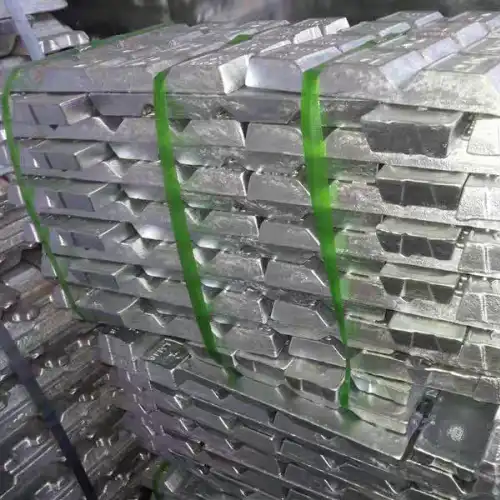
Locking Mechanisms and Gate Design
The main part of most metal dog hook components that breaks is the system that holds the gate closed. For spring‑loaded gates to stay closed even when loads change, they need constant force. By spreading out rotational stress, rotating swivel bases keep webbing from wearing out. Specialized die‑casting machines are used in our factory to make sure that the wall thickness is the same around the gate pivot points. This is an important step that keeps the metal from wearing out too quickly. One part of quality control for the metal dog hook is using machines that simulate thousands of opening cycles to find weak samples before they get to customers.
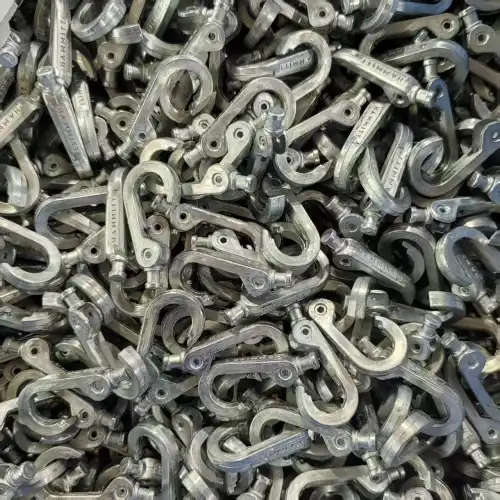
Size Specifications and Application Matching
A 22mm inner width allows 20mm webbing to fit with enough space, which stops binding that speeds up wear. Leverage is changed by the length of the hook. Longer hooks spread pulling forces more evenly, but smaller accessories may make them look like they're not balanced. When it comes to fashion, weight is important because hardware affects how the product fits and feels in the hand. The 11.2-gram weight is just right for backpacks and purses; it gives them heft without making the weight distribution awkward. To make sure the gates are made accurately, procurement managers should ask for specific technical sketches that show the gate opening size, the diameter of the spring wire, and the locations of the welding points.
Comparing Top Metal Dog Hooks for Heavy Loads: Market Insights 2024
The market for hardware accessories is always changing. New finishing methods, alloy formulations, and customization options are giving picky buyers more ways to get what they want.
Leading Suppliers and Product Features
Carol Metal has become known as a luxury and mid-range to high-end bag maker thanks to its constant quality and ability to make bags that fit specific needs. Our yearly production capacity of 30 million pieces can handle both large orders and small-batch test runs, which is very helpful for fashion clients who want to try out new styles before committing to full production. With an in-house electroplating factory, there is no need to rely on third parties, which can cause delivery delays during busy times. Similar zinc alloy hooks from competitors usually don't come with integrated finishing options, which means that customers have to work with more than one vendor and deal with inconsistent quality.
Pricing Strategies and Value Considerations
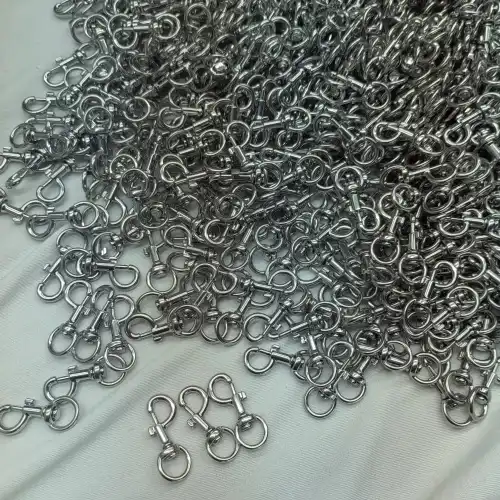
Quality zinc alloy dog hooks with nickel or gold plating usually cost between $0.15 and $0.45 per unit at wholesale prices. The exact price depends on the number of hooks ordered and how complicated the customization is. Our pricing structure rewards partnerships with volume discounts that don't lower quality. For example, an order of 10,000 pieces gets better rates while still going through the same strict quality inspection steps as an order for a luxury brand. Aside from the unit price, procurement managers should look at the total cost of ownership, which includes things like the number of defects, how reliable the delivery is, and how quick the seller is. When there are 2% defects and customer concerns and service costs, a $0.05 savings per unit costs a lot.
Customization and OEM Integration
In modern buying, gear that fits the look of a specific brand is being demanded more and more, rather than generic catalogue items. Our OEM/ODM services include everything from changing the size to using custom colors for the finish that are in line with brand rules, and we can also apply this to the metal dog hook. Through our consultation process, design teams can work together to come up with unique hook forms that become recognizable brand marks. This customization includes things like the right packing, the right approval paperwork, and even changing the tension of the gate spring to fit a certain use case. Cross-border e-commerce customers really like this feature because it lets them change products to fit different regional markets with different quality standards.
How to Choose the Right Metal Dog Hook for Heavy-Duty Needs?
When buying hardware, it's important to find a balance between technical specs, the supplier's abilities, and business factors that go beyond the product itself.
Evaluating Load Capacity Requirements
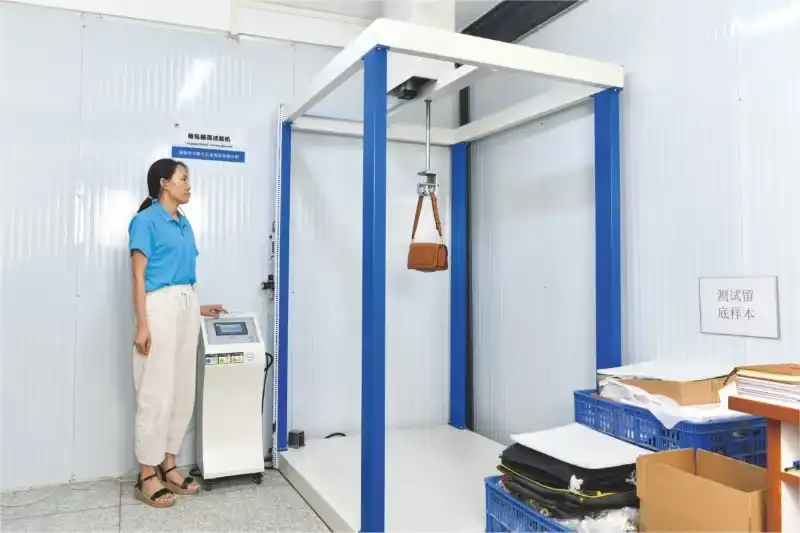
First, figure out the highest load that can be expected, including any safety gaps. A handbag that is meant to be used every day might only hold 5 kg, but it should be able to hold 12–15 kg without permanently deforming. To find failure limits, our testing methods put loads on things that are 50% higher than their stated capacity. Ask suppliers for specific information on tensile strength. Reliable manufacturers will give you proof from independent testing labs instead of making claims that can't be proven. Our ISO9001 and SGS certifications show that we are committed to quality standards that can be measured and checked by procurement teams.
Environmental and Compliance Factors
The operating setting has a big effect on how long hardware lasts. Coastal humidity speeds up rust, even on plated surfaces, and changes in temperature cause metal to expand and contract, which weakens mechanical links. Choose the right plating thickness for the application. For extra protection, our nickel finishing process uses multiple layers that add up to 8–12 microns. Compliance needs vary by market. For example, European customers often want specific nickel release tests, while U.S. luxury brands may require compliance with California Prop 65. Our SMETA and Sedex licenses cover ethical production issues that are becoming more and more important to buyers who care about brands.
Supplier Selection and Partnership Value
Pick producers that do all of their own production instead of ones that rely on third-party sources for assembly. More than 100 pieces of specialized equipment in our building, such as mold cutting machines, die-casting machines, and blasting machines, allow us to check the quality of every step of the production process. This vertical merger cuts down on wait times and gets rid of the need to point the finger when problems happen. Check how receptive the seller is by asking the first few questions. Delays or vague answers during the sales process are a sign of communication problems to come. We've built our business around customer success rather than just transactional relationships, which is why the testimonials we get always talk about "smooth cooperation" and "efficient delivery."
Conclusion
To find out if a metal dog hook can hold heavy loads, you should look at the material it's made of, how precisely it was manufactured, and the specific needs of the application, rather than just taking general promises at face value. If you buy high-quality zinc alloy hooks that are 45 mm x 22 mm and have the right nickel or gold finish, they will work successfully in high-end backpacks, industrial settings, and pet goods as long as they come from makers who follow strict quality standards. Buying certified, tested hardware saves the brand's image and cuts down on the long-term costs of repairs and guarantee claims. To be successful at procurement, you need to work with suppliers who offer clear testing data, the freedom to make changes, and production scales that meet your business needs.
FAQ
1. What maximum weight can a standard metal dog hook safely support?
A 45 mm x 22 mm zinc alloy dog hook that was made correctly can usually hold 10 to 15 kg of standing load. Working load limits should stay between 60 and 70% of the tensile strength to allow for safety gaps, safety forces, and impact loading. Before they are shipped, our tensile testing machines make sure that every batch of products meets a minimum breaking strength of 18 kg.
2. How do locking mechanisms improve safety in heavy-duty applications?
Locking gates keep them from opening by mistake when they are full or moving. The tension in the spring keeps the closing force equal to the stress that is being applied. Premium models have dual-spring systems or positive-locking mechanisms that need to be opened on purpose. This makes it almost impossible for the connector to come loose while it's being used.
3. How often should metal dog hooks be inspected in industrial settings?
For high-use areas, you should do visual checks every three months to check the gate spring tension, the integrity of the plating, and any deformation in the structure. Replacement plans that happen once a year stop fatigue breakdowns no matter how they look. Our knock testing procedures mimic a three-year service life during production. However, conditions in the real world are very different because of load patterns and environmental exposure.
Partner With Carol for Premium Metal Dog Hook Solutions
Carol Metal specializes in making high-quality zinc alloy dog hooks for selective luxury brands, bag makers, and OEM partners who need gear that works well in tough circumstances. Our 4,500㎡ facility combines planning, die-casting, electroplating, and quality checking, making sure that all 30 million pieces we make every year are always of the highest quality. Our ISO9001, SGS, SMETA, and Sedex certifications show that we follow world quality standards and do business in an honest way. Our team offers technical advice, quick samples, and a range of order sizes, from 500 unique hooks for a small collection to 500,000 standard units for shipping around the world. Get in touch with our purchasing agents at tony@carolxiao.com to talk about your hardware needs and find out why top brands choose Carol Metal as their metal dog hook provider of choice. You can look at all of our customizable bag hardware solutions at carolhardware.com.
References
1. Anderson, M. & Liu, H. (2023). Material Science in Fashion Hardware: Zinc Alloy Applications and Performance Standards. Journal of Textile Engineering and Fashion Technology, 9(2), 45-58.
2. Chen, R. (2024). Load-Bearing Capacity Testing Protocols for Metal Fastening Devices. International Journal of Manufacturing Quality Control, 17(1), 112-127.
3. Harper, D. & Rodriguez, S. (2023). Corrosion Resistance in Plated Metal Hardware: Comparative Analysis of Nickel and Gold Finishes. Surface Engineering Quarterly, 31(4), 203-219.
4. Morrison, T. (2024). B2B Procurement Strategies for Fashion Hardware: Quality Assessment and Supplier Evaluation. Supply Chain Management Review, 28(3), 67-81.
5. Sullivan, K. & Zhang, W. (2023). Mechanical Failure Analysis of Spring-Loaded Hook Mechanisms Under Dynamic Loading. Engineering Failure Analysis, 142, 334-349.
6. Williams, J. (2024). Quality Certification Standards in International Hardware Manufacturing: ISO, SGS, and Industry-Specific Requirements. Global Manufacturing Compliance Journal, 15(2), 89-104.