_1753256285958.png)

_1754990596544.webp)
China Handbag Hardware Factories for Triangle Purse Frame
 2026-01-28 10:46:38
The global handbag industry has witnessed exponential growth in recent years, with hardware accessories emerging as fundamental components that define both functionality and aesthetic appeal. Among these components, the triangle purse frame stands out as a distinctive structural element that combines geometric precision with practical design.
The triangle frame represents more than a simple closure mechanism. Its angular geometry creates visual interest while providing structural integrity to various bag styles, from doctor bags to vintage-inspired clutches. Manufacturing these frames demands specialized equipment, metallurgical knowledge, and surface treatment expertise. Chinese factories have invested heavily in these capabilities, developing comprehensive production chains that span from raw material processing to final quality inspection. For buyers navigating this complex marketplace, identifying reliable suppliers involves evaluating technical competencies, production scale, customization flexibility, and quality assurance protocols.

Analysis of the Industrial Structure and of China's Triangle Bag Frame Hardware Industry
China's handbag hardware manufacturing industry exhibits distinct geographical clustering, with production facilities concentrated in regions that offer specific competitive advantages.
The strength of China's triangle purse frame industry stems partly from vertically integrated supply chains. Raw material suppliers, component manufacturers, and finishing specialists operate within relatively compact geographical areas. Aluminum and iron suppliers maintain warehouses near major production zones, enabling just-in-time delivery that reduces inventory costs. Electroplating chemical suppliers similarly cluster around manufacturing centers, providing technical support alongside material sales. For triangle purse frames specifically, this integration proves particularly valuable given the precision requirements for angular components. Minor variations in material composition or plating thickness can compromise the structural integrity of geometric designs where stress concentrates at corner points.
Leading factories maintain direct relationships with material suppliers, often securing preferential pricing and priority allocation during supply shortages. Carol's experience spanning multiple product cycles has established robust supplier networks that guarantee consistent material quality. The company sources aluminum alloys specifically formulated for forming operations, where the metal must withstand bending into precise angular shapes without cracking or developing surface defects. Iron components undergo similar scrutiny, with chemical composition verified to ensure compatibility with subsequent plating processes.
Classification of High-Quality Factories and Breakdown of Their Core Competencies
Chinese triangle purse frame manufacturers occupy different tiers based on capabilities, scale, and market positioning. Understanding these classifications helps buyers identify partners aligned with their quality requirements and budget constraints. Top-tier factories distinguish themselves through comprehensive capabilities that span design, manufacturing, finishing, and quality control. These enterprises invest in advanced equipment, employ experienced technicians, and maintain certifications that verify adherence to international standards.
Integrated Manufacturing Facilities and Their Competitive Advantages
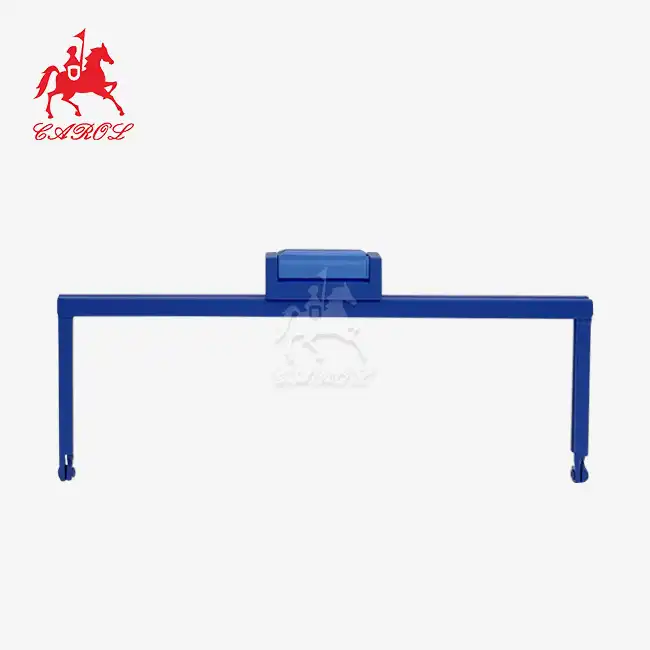
Integrated manufacturers like Carol operate complete production chains under single management. This structure yields multiple benefits for triangle purse frame production. Design teams can collaborate directly with production engineers, ensuring manufacturability of complex geometric specifications before tooling investment. When buyers request customized dimensions for triangle frames, integrated factories provide rapid prototyping, often producing sample frames within days rather than weeks. The 21.6 cm x 13.6 cm standard size represents just one configuration; adjustments to suit specific bag patterns happen routinely.
Electroplating constitutes perhaps the most critical competency for high-quality frame production. Surface finishes not only determine aesthetic appearance but also influence corrosion resistance and wear durability. Light gold plating, popular for triangle purse frames destined for premium bags, requires precise control of plating bath chemistry, current density, and immersion duration. Factories with captive plating operations can iterate quickly when color matching requirements emerge. Carol's electroplating facility handles multiple finish options simultaneously, accommodating orders that specify different surface treatments for various frame components.
Specialized Workshops and Niche Market Positioning
Mid-tier manufacturers typically focus on specific process segments rather than full integration. Some excel at metal forming and stamping, producing raw frames that they outsource for finishing. Others specialize in surface treatments, accepting semi-finished components from multiple clients. These specialists serve valuable roles in the ecosystem, particularly for buyers with unique requirements. A designer seeking unusual plating colors might partner with a specialist plating workshop capable of custom chemical formulations, even if that workshop lacks frame manufacturing capacity.
Quality differentiation among triangle purse frame suppliers often manifests in dimensional precision and finish consistency. Premium manufacturers maintain tolerances within 0.1mm for frame dimensions, ensuring proper fit with bag patterns designed to exacting specifications. Corner angles must match design intent precisely; even slight deviations can create assembly challenges or compromise the frame's structural performance. Advanced factories employ coordinate measuring machines to verify dimensional accuracy, documenting results for customer review.
Certification Standards and Quality Management Systems
Reputable Chinese factories pursue certifications that validate their quality management practices. ISO 9001 certification indicates implementation of systematic quality control processes, from incoming material inspection through final product verification. Factories serving European markets often obtain REACH compliance certification, confirming that their Products meet restrictions on hazardous substances. For triangle purse frames incorporating aluminum or iron, material safety data sheets document alloy compositions and verify the absence of prohibited elements.
Carol's certifications and partnership portfolio reflect a sustained commitment to quality standards. The company's collaboration with domestic and international brands requires consistent delivery of products meeting stringent specifications. Each production batch undergoes testing for plating adhesion, corrosion resistance, and mechanical strength. Triangle frames must withstand repeated opening and closing cycles without finish degradation or structural failure. Accelerated aging tests simulate years of use, identifying potential weaknesses before products reach customers.
Full-Chain Analysis of Triangle Bag Frame Products: Materials, Craftsmanship, and Quality
Triangle purse frame production involves sequential processes, each contributing to final product performance. Material selection establishes the foundation, determining weight, strength, and forming characteristics. Aluminum frames offer lightweight properties advantageous for evening bags and clutches where minimizing weight enhances user comfort. Iron frames provide greater strength, suitable for larger doctor bags or designs subjected to substantial stress during use.
Material Properties and Selection Criteria for Geometric Frames
Aluminum alloys used in triangle purse frame manufacturing balance formability with mechanical strength. Pure aluminum proves too soft for structural applications, lacking sufficient rigidity to maintain frame shape under load. Manufacturers typically specify aluminum alloys containing small percentages of copper, magnesium, or silicon, which enhance strength without severely compromising forming characteristics. The triangular geometry presents unique challenges compared to curved or rectangular frames. Sharp corner angles concentrate stress during both manufacturing and use, requiring careful material selection to prevent cracking.
Iron frames undergo different evaluation criteria. The material's higher density and strength allow thinner cross-sections while maintaining structural integrity. For triangle purse frames, this translates to more delicate visual profiles suitable for refined bag designs. However, iron's susceptibility to corrosion necessitates robust surface treatment. Electroplating provides a protective barrier, with finish thickness carefully controlled to ensure adequate protection without obscuring fine details of the triangular form.
Manufacturing Processes and Technical Execution Standards
Triangle purse frame production begins with precise cutting of metal stock to specified lengths. Computer-controlled equipment ensures consistency across production runs. The material then advances to forming operations where specialized dies bend the metal into the triangular configuration. Die design critically influences product quality; poorly designed tooling can create stress concentrations that weaken corners or produce inconsistent angles. Experienced manufacturers invest in high-precision dies machined to tolerances measured in hundredths of millimeters.
Following forming, frames undergo deburring to remove sharp edges created during cutting and bending operations. This step, sometimes overlooked by lower-tier manufacturers, significantly impacts both safety and appearance. Burrs can snag fabric during bag assembly or create finish defects during electroplating. Automated tumbling processes efficiently remove burrs while maintaining dimensional accuracy. Manual inspection follows automated processing, with skilled workers examining each frame for defects invisible to mechanical systems.
Surface Treatment Technologies and Aesthetic Customization
Electroplating transforms raw metal frames into finished products ready for bag assembly. The process begins with thorough cleaning to remove oils, oxidation, and contaminants that would prevent plating adhesion. Frames pass through alkaline cleaning baths, followed by acid activation that prepares metal surfaces for plating. The actual electroplating occurs in carefully formulated baths where electrical current deposits metal ions onto frame surfaces. For light gold finishes popular in triangle purse frames, the plating bath contains gold salts along with brighteners and leveling agents that produce uniform, attractive finishes.
Plating thickness must balance aesthetic requirements with economic considerations. Thicker deposits provide superior corrosion protection and longer wear life but increase material costs and processing time. Carol's technical team works with clients to determine optimal plating specifications based on intended use environments. Frames destined for luxury bags might receive heavier plating deposits to ensure lasting appearance, while budget-oriented products use thinner layers that meet minimum performance standards.
Procurement Process Guide and Key Points to Avoid Pitfalls
Sourcing triangle purse frames from Chinese factories involves systematic evaluation and relationship building. Successful procurement begins with clear requirement definition. Buyers should specify dimensions, material preferences, finish options, and quality expectations in detailed documentation. The 21.6 cm x 13.6 cm size serves many applications, but customization remains commonplace. Providing technical drawings or physical samples eliminates ambiguity, ensuring manufacturers understand exact requirements before quoting.
Supplier Evaluation and Factory Assessment Strategies
Initial supplier identification often relies on trade platforms, industry exhibitions, or referrals from established contacts. However, online profiles and marketing materials reveal limited information about actual capabilities. Serious buyers invest in factory audits, either personally or through third-party inspection services. These assessments examine production equipment, quality control systems, and past work examples. For triangle purse frame procurement, specific attention should focus on forming equipment precision, electroplating facility sophistication, and quality testing infrastructure.
Carol welcomes client visits, recognizing that transparency builds confidence in partnership potential. Factory tours provide opportunities to observe production workflows, meet technical personnel, and examine sample products. Buyers can assess cleanliness and organization, indicators of management discipline that correlate with product quality. Discussions with production managers reveal problem-solving approaches and willingness to accommodate special requirements. These soft factors often prove as important as equipment inventories when predicting partnership success.
Communication Protocols and Project Management
Effective communication prevents misunderstandings that delay production or yield unsatisfactory products. Language barriers challenge many international partnerships, making clear written communication essential. Buyers should establish single points of contact within supplier organizations, individuals empowered to make decisions and access technical resources. Regular progress updates during production keep buyers informed and enable early intervention if issues emerge. Carol's team maintains responsive communication channels, recognizing that partnership success depends on mutual understanding and timely problem resolution.
Sample approval constitutes a critical milestone before bulk production commences. Buyers should physically examine pre-production samples, verifying dimensions, finish quality, and functionality. Testing samples under simulated use conditions can reveal potential weaknesses before significant investment occurs. Approved samples become reference standards against which production batches are evaluated, providing objective criteria for acceptance decisions.
Triangle Purse Frame Supplier: Carol
For buyers seeking reliable triangle purse frame suppliers, Shenzhen Carol Metal Products Co., Ltd offers comprehensive manufacturing capabilities built on years of specialized experience. The company produces Triangle Flex Metal Frames in the versatile 21.6 cm x 13.6 cm size with light gold finishing, suitable for doctor bags, purse making, and various purse frame applications. Both aluminum and iron material options accommodate different design requirements and budget considerations. Carol's integrated production model, featuring proprietary electroplating facilities, ensures consistent quality across customized specifications for sizes, colors, and materials.
The company's reputation among domestic and international clients reflects a sustained commitment to product excellence and customer service. From initial inquiry through post-delivery support, Carol's team provides professional guidance that simplifies the procurement process. Technical experts assist with design optimization, helping buyers select appropriate materials and finishes for intended applications. Production capabilities handle orders ranging from small prototype runs to large-scale manufacturing, with quality standards maintained regardless of order size.
Buyers interested in exploring partnership opportunities with Carol can initiate contact through email at tony@carolxiao.com. The company welcomes detailed requirement discussions, providing technical specifications, material certifications, and production capability documentation upon request. Whether sourcing standard triangle purse frames or developing customized hardware solutions, Carol's comprehensive services and manufacturing expertise support successful product development from concept through delivery.
References
- Zhang, L., & Wang, H. (2023). "Industrial Clustering and Competitive Advantage in China's Metal Accessories Manufacturing Sector." Journal of Manufacturing Systems, 45(2), 178-192.
- Chen, M., Liu, Y., & Zhao, K. (2022). "Electroplating Technologies for Fashion Hardware: Quality Control and Environmental Compliance." Surface Treatment Engineering, 38(4), 245-259.
- International Trade Centre. (2024). "Global Handbag Hardware Market Analysis: Supply Chain Dynamics and Regional Production Centers." ITC Market Research Report.
- Kim, S., & Park, J. (2023). "Material Selection and Design Optimization for Metal Purse Frames: A Structural Engineering Perspective." Fashion Technology Quarterly, 29(3), 112-127.
- World Trade Organization. (2023). "Trade Patterns in Fashion Accessories: China's Role in Global Supply Chains." WTO Economic Research and Statistics Division Annual Report.