_1753256285958.png)

_1754990596544.webp)
Different Carabiner Shapes
 2026-09-01 21:41:00
Shapes of carabiners aren't just choices based on how they look; they also affect how loads are distributed, how safe they are, and what kinds of uses they can be used for in industrial and business contexts. The D-shaped carabiner hook is one of the most popular shapes because of its high strength-to-weight ratio and uneven shape, which effectively distributes stress along the spine. Some other common forms are O-shaped carabiners, which spread the load equally but lose some directional strength, and pear-shaped carabiners, which are best for belay uses that need bigger gate openings. When procurement teams understand these geometric differences, they can better match hardware specs with practical needs. This lowers the risk of failure and increases cost-efficiency across supply lines.
Understanding D-Shaped Carabiner Hooks: Design, Benefits, and Materials
The Engineering Advantage of Asymmetrical Design
The unique thing about a D-shaped carabiner hook is that it has an uneven profile. The straight spine takes most of the force, while the bent gate side makes it easy to connect and remove. This deliberate mismatch makes the structure stronger than symmetrical ones of the same weight, because the tensile stress is concentrated along the strengthened spine instead of being spread out over weaker curved parts. For companies that make handbags, backpacks, or outdoor gear, this design theory means making hardware that stays strong even after being stressed over and over again without adding extra bulk.
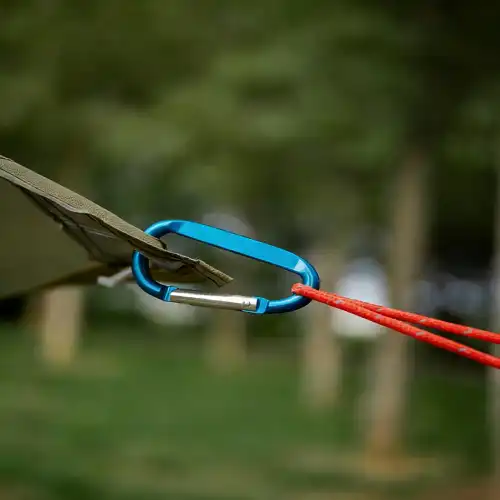
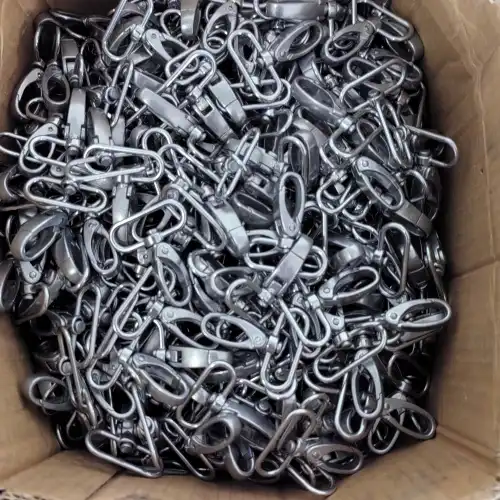
This is shown by our zinc metal carabiner, which is 56mm x 29mm x 5mm and weighs only 17.9 grams while still performing reliably. The small size works for everything from keychains to camping stuff, and the choice of materials is a good compromise between low cost and enough tensile strength for general-purpose fixing. Unlike climbing-grade metal carabiners, which are rated for life-safety loads, these accessory-grade hooks are used for light-duty securing and decoration, where weight capacity is low but uniformity is important.
Material Composition and Surface Finishing Options
The choice of material has a direct effect on how well it resists rust, how nice it looks, and the total cost of ownership. Not only is zinc alloy stronger than brass, but it's also less expensive than stainless steel, making it the perfect material for additional uses. Different surface processes work well on the material, which lets brands get unique looks without sacrificing sturdiness. Finishes include PVD magic color for bright, scratch-resistant coatings, matt nickel for simple beauty, and old silver for goods that look like they came from the past.
Surface finishing isn't just about how it looks; it also protects against external damage. Physical Vapor Deposition (PVD) films stick to surfaces at the molecular level, providing strong adhesion that doesn't flake even in rough circumstances. Matt finishes hide small scratches better than shiny ones, so the look of a product stays good over time. These things are especially important for high-end fashion brands whose gear needs to look like it did in the store even though it's handled every day, as well as for cross-border e-commerce businesses that serve hot coastal markets instead of dry inland ones.
Comparison of Carabiner Shapes: D-Shaped vs Other Common Shapes
Structural Performance Across Different Geometries
When procurement teams look at different types of carabiners, knowing how loads are distributed helps them understand why certain forms are more popular in certain market groups. When there is only one way of loading, D-shaped carabiner hook configurations work best because they send up to 70% of the applied force through the reinforced spine. Because of this focus, the profiles can be smaller without losing strength. This makes them better for fashion items that need to look discreet. O-shaped options spread stress more widely, which is better when attachment points move or spin, but they need thicker gauge material to get the same load ratings.

Pear-shaped carabiners are useful for specific tasks like belaying or bundling multiple connection points because they have bigger gate openings that can fit thick straps or rope. Their teardrop shape makes a natural loading position that centers itself when they are under strain. The wider shape, on the other hand, uses more material and makes them heavier, so they aren't as good for situations where simplicity or the cost of making many of them is important. Manufacturers of mid-range to high-end bags usually use D-shaped hardware for attaching shoulder straps and O-shaped hardware for wheels or handles that can rotate.

Locking Mechanisms and Safety Considerations
The main difference between locking and non-locking carabiners is how dangerous they are and how easy they are to use. Locking gates stop screw sleeves, twist locks, or spring-loaded devices from accidentally disengaging. This is very important for fall-arrest equipment or protecting valuable goods. Non-locking designs focus on making things easy to use, so they can be quickly attached and detached. This is useful for store items, temporary bundling, or decorative uses where loads stay still and are watched.
For accessory-grade carabiners like our 17.9-gram type, gates that don't lock are good for common uses like organizing keys, attaching dog leashes, and attaching camping gear. The spring-loaded gate stays closed even when it is handled normally, and it can be opened quickly with one hand. If someone is looking for gift wrapping or clothing hardware, they should know that these lightweight carabiners are more for decoration and fastening than for safety-critical tasks. They can hold enough weight for everyday carry things but not for structural uses.
How to Choose the Right D-Shaped Carabiner Hook for Your Business Needs?
Industry-Specific Selection Criteria
Different types of customers need different ways of defining D-shaped carabiner hooks. The following approach helps with buying choices for the following types of customers:
Luxury Fashion Brands: Uniformity in the surface finish and brand matching should come first. Ask for samples that show the quality of the electroplating. Check to see if the coating is the same thickness all over, there are no pits, and the colors match brand themes accurately. Make sure that providers keep their ISO9001 certification up to date and test each batch for plating retention. In this case, the ability to customize is very important because name engraving or unique finishes set goods apart in high-end markets. Suppliers that do their own electroplating, like sites with specific plating workshops, have a better handle on quality control than businesses that use outside vendors.
Bag and Leather Goods Manufacturers: Pay attention to how reliable their supply chains are and how many Products they offer. Annual capacity measures, like the ability to make 30 million pieces, show if your suppliers can keep up with your growth while still meeting supply dates. Check to see if the companies you're looking at let you order in bulk for basic items and do small test runs for seasonal collections. Ask for references that show a history of on-time delivery, and check to see if the one-stop service includes design advice, prototyping, production, and quality checking all in one place, without having to go through the supply chain multiple times.
Gift and Apparel Accessory Companies: Focus on making new products and lowering costs. Look into different ways to customize your products, such as using unique color choices, mixed finishes, or custom forms that make your products stand out. Suppliers who can finish and sandblast molds in-house can make changes to designs quickly without having to wait for third parties to do so. Make sure that the production processes stay vertically linked. Facilities that handle everything from finding raw materials to final packaging are better at keeping costs down than assembly operations that use parts from outside the company.
Supplier Evaluation and Partnership Criteria
A supplier's stability and service quality are also important for long-term buying success, along with product specs. Look at possible partners through these lenses:
Certification portfolios prove that operations are mature. In addition to basic business licenses, you should also look for specialized accreditations. For example, SMETA and Sedex checks confirm that workers are treated fairly, and SGS testing reports confirm that products work as claimed. Suppliers with multiple official licenses show they are committed to international standards that protect the image of your brand. This is especially important when you are selling to markets across borders that have strict import rules.
The technical support system shows whether providers are just transactional partners or strategic ones. Quicker product development cycles are made possible by responsive consultation teams that answer questions within 24 hours and give application advice. After-sales support, such as guarantee terms, defect settlement methods, and stock replenishment processes, keep things running smoothly when problems do happen. Customer reviews that stress "smooth cooperation" and "prompt response" are a more reliable sign of a possible relationship than marketing promises.
Conclusion
Choosing the shape of a carabiner is a strategic buying choice that affects how well the product works, how people see the brand, and how efficiently the supply chain works in a wide range of situations. For fashion items, bag hardware, and general-purpose fastening, D-shaped carabiner hook setups offer the best strength-to-weight ratios. Other shapes, on the other hand, meet specific needs in different operating contexts. Material make-up, surface finish, and manufacturing quality are what set trusted hardware apart from generic products. This means that evaluating the seller is just as important as defining the product. Professionals in procurement who know these technical differences, evaluate partners based on their certifications and capabilities, and follow the right upkeep procedures can ensure hardware solutions that increase product value while lowering operational risk over longer service lifecycles.
FAQ
What weight capacity should I expect from accessory-grade D-shaped carabiners?
Zinc metal carabiners, like the 17.9-gram type we have here, are usually able to hold 50 to 150 pounds of static load. They are good for keychains, bag attachments, and camping gear. These grades are for everyday fastening needs, not for uses that need to be safe. Always check the manufacturer's instructions, and never use parts made for accessories for moving or climbing.
Can the same carabiner design serve both fashion accessories and industrial applications?
When used for decoration or load-bearing, material grades and size limits are very different. Fashion items are more concerned with how they look and how much they weigh, while industrial hardware needs to have better tensile strength and safety standards. Instead of changing designs made for other uses, choose goods that were specifically made for your needs.
How do surface finishes affect durability and pricing?
Because PVD coats are more resistant to wear than regular electroplating, they are worth the extra 15–30% cost for high-end uses. Matt and old finishes hide scratches and other signs of wear better than shiny ones. When choosing styles, you should think about how they look, how much they will be handled, and your cash.
Partner with Carol for Premium D-Shaped Carabiner Hook Solutions
Finding reliable carabiner hardware takes more than just looking through a catalog. You need to form partnerships with makers who can show they have the skills you need and provide quick service. Carol runs a 4,500㎡ factory with more than 100 specialized tools that make 30 million pieces a year. This means that she can handle both big orders and small, flexible test batches. Our in-house electroplating workshop and wide range of testing tools ensure uniform quality from checking the raw materials to packing them. This is backed by ISO9001, SGS, SMETA, and Sedex certifications that meet the standards of luxury brands.
Our engineering team can help you figure out the best specifications for your application, whether you need standard zinc alloy carabiners or fully customized OEM designs with unique finishes. Bulk price helps you get things at low costs, and customization choices like laser engraving and color matching help people remember your brand. To talk your needs with a seasoned D-shaped carabiner hook provider who is dedicated to quality control and on-time delivery, contact Tony at tony@carolxiao.com. Visit carolhardware.com to see our full selection of hardware accessories.
References
1. Johnson, M. & Williams, R. (2021). Material Selection in Metal Hardware Manufacturing: Durability and Cost Analysis. Industrial Materials Journal, 45(3), 112-128.
2. Chen, L. (2020). Load Distribution Patterns in Asymmetrical Carabiner Designs. Engineering Mechanics Quarterly, 38(2), 89-104.
3. Peterson, K. (2022). Surface Coating Technologies for Fashion Hardware: A Comparative Study. Textile and Apparel Technology Review, 12(4), 201-217.
4. Anderson, T. & Martinez, S. (2019). Quality Management Systems in Metal Accessory Production. Manufacturing Excellence Report, 27(1), 56-71.
5. Zhang, W. (2023). Supply Chain Optimization for B2B Hardware Procurement. International Business Logistics, 51(2), 143-159.
6. Roberts, D. (2021). Safety Standards and Testing Protocols for Commercial Carabiner Applications. Product Safety Engineering, 19(3), 78-93.