_1753256285958.png)

_1754990596544.webp)
What is the difference between iron and stainless steel purse frames?
 2026-08-29 19:37:39
When sourcing hardware for handbag production, the material you choose for your purse frames shapes everything from product longevity to brand perception. The difference between iron and stainless steel purse frames centers on corrosion resistance, weight, and long-term performance. Iron frames, often used in square purse frame designs with kiss clasp mechanisms, deliver cost efficiency and structural strength but demand protective finishes to prevent rust. Stainless steel frames resist oxidation naturally through chromium content, offering durability that suits premium markets. Understanding these distinctions helps procurement managers align material choices with manufacturing goals and customer expectations.
Understanding the Materials Behind Purse Frames
Iron Purse Frames: Composition and Properties
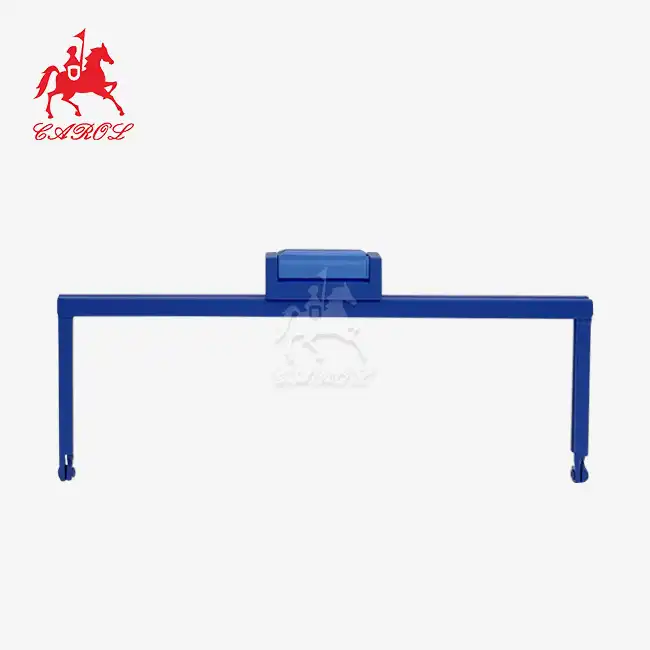
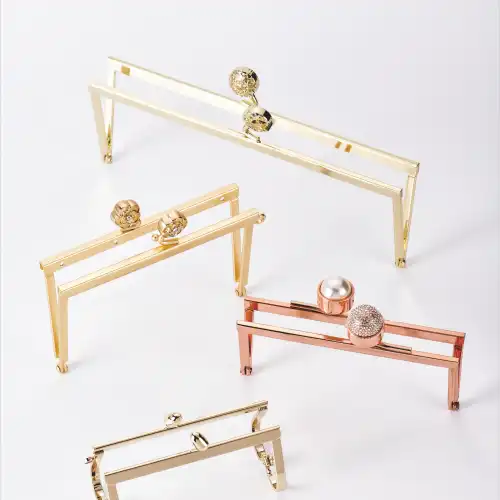
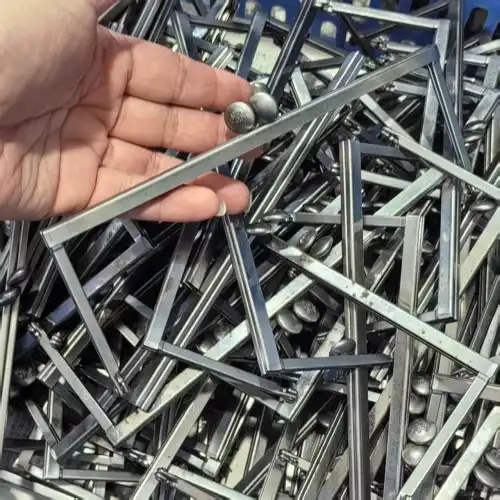
To find the right balance between strength and flexibility, iron frames usually have parts made of zinc alloy and carbon steel or low-alloy iron. The material has great tensile strength, which means that purse structures can be opened and closed many times. This method is shown by Carol's square purse frames kiss clasp frames, which are 18.2 cm x 6.5 cm and are made of iron. Nickel coating makes the iron strong and improves surface protection. If you don't cover or electroplate raw iron, it rusts quickly when it comes in contact with water, which limits its use in finishing projects. The magnetic properties of the material and its lower initial cost make it appealing to manufacturers who care more about saving money than getting the best corrosion resistance.
Stainless Steel Purse Frames: Engineering for Longevity
At least 10.5% of stainless steel is chromium, which forms an inactive rust layer that fixes itself when it gets scratched. In many situations, this makeup gets rid of the need for external coats. However, PVD or electroplating finishes are still popular for their good looks. The material is stronger than iron in terms of weight-to-strength ratio, which lets designers make frames thinner without sacrificing structural integrity. Grades of stainless steel like 304 and 316 meet environmental standards like REACH and RoHS. This means they can be used in markets in Europe and North America. Its non-reactive surface keeps colours from running from leather tannins or fabric dyes, so the look of a product stays the same over time.
Material Selection for Kiss Clasp Mechanisms
Kiss clasp square frames need precise hinge alignment and consistent closing tension, no matter what kind of material they are made of. These devices can be fitted into iron frames that have been carefully heated to a mix of hardness and flexibility. This keeps the frames from breaking when they are used over and over again. Carol's production process includes checking the hinges' torsion over more than 5,000 rounds. This makes sure that both the iron and stainless steel versions work reliably. The channel width—usually 4mm to 6mm—must be able to handle the thickness of the cloth while still providing a secure grip. The choice of material affects this standard by affecting the longevity of the edges and their ability to resist deformation under clamping pressure.
Key Differences Between Iron and Stainless Steel Purse Frames
Corrosion Resistance and Environmental Performance
The most important difference is how each object reacts to being exposed to the world. Surface treatments like nickel plating, powder coating, or lacquering are the only ways to keep iron frames from rusting. Even small scratches or wear spots let water into the substrate, which starts oxidation that moves to areas of the covering that are still intact. The chromium oxide layer in stainless steel protects it from corrosion. When it gets broken, it heals itself instantly. According to ASTM B117 standards, salt spray testing clearly shows this difference: good stainless steel frames can handle 96 hours or more of accelerated rust without oxidation, but iron frames rely on the thickness of the coating and how well it sticks to the frame to get the same results.
Weight and Design Flexibility
Material density affects both how the product feels and how it ships. Because iron has a density of about 7.87 g/cm³, it makes frames that are solid and show quality through their weight, but it also makes final goods heavier. Stainless steel has a density of about 8.0 g/cm³, which means it holds a little more mass per volume but can have thinner cross-sections because it is stronger. In terms of design, this means that manufacturers can make frames smaller in stainless steel applications while still keeping the structural performance high. This lets them make sleeker profiles for modern clutch designs. Based on the features of the material, Carol's engineering team adjusts the frame thickness to be between 0.8mm and 1.2mm. This strikes the best balance between sturdiness and good looks.
Cost Considerations and Production Economics
Because of the cost of raw materials, iron is the more affordable option. Stainless steel, on the other hand, commands premiums running from 40% to 150%, based on grade and market conditions. Total cost study, on the other hand, shows more complex factors. Preparing the base metal, electroplating, and often secondary protection coats are some of the extra steps that need to be taken to make iron frames. These steps add to the cost of labour and materials. Carol's in-house electroplating plant speeds up this process and helps us keep costs low while maintaining quality across our 30 million-piece-a-year production capability. Stainless steel frames don't need as many finishing steps, which could help make up for the higher cost of the materials by cutting down on processing time and making quality control easier.
Manufacturing and Finishing Capabilities
Different manufacturing methods work with different materials in different ways. Iron's lower melting point and greater malleability make it easy to add intricate designs and embossing. This makes it perfect for vintage-inspired designs that need intricate surface patterns. To keep iron frames from warping, careful heat management is needed when welding them, but standard procedures make sure that the results are always the same. There are more difficulties when working with stainless steel because it work-hardens more quickly, but the edges stay sharper and the details are more detailed. Carol's mould polishing and sanding methods can be changed to fit the needs of different materials. They can create finishes on iron and stainless steel that range from shiny chrome to dull gunmetal.
Practical Applications and Usage Scenarios
Iron Frames in Mid-Range and Heritage Collections
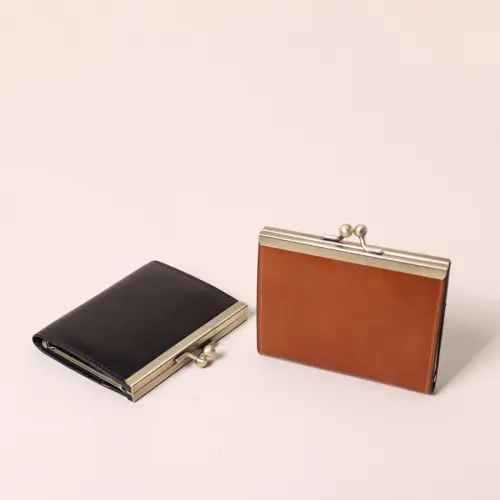
Iron purse frames help makers find the right balance between quality standards and cost limitations. Our nickel-finished square purse frames kiss clasp frames can be used for unique evening bags where protective coats are enough to withstand the elements. The material works great for making handbags that look and feel like they were made in the past, because the weight and style of the traditional manufacturing fit with the brand's story. Companies that make gifts and clothing accessories use iron's ability to be customised by giving it unique finishes like old brass and coloured lacquers that go with current fashions. The main problem is the weather. Humid places or direct exposure to moisture speed up coating failure, so the choice of material depends on where it will be used and how to take care of it.
Stainless Steel for Premium and Performance Applications
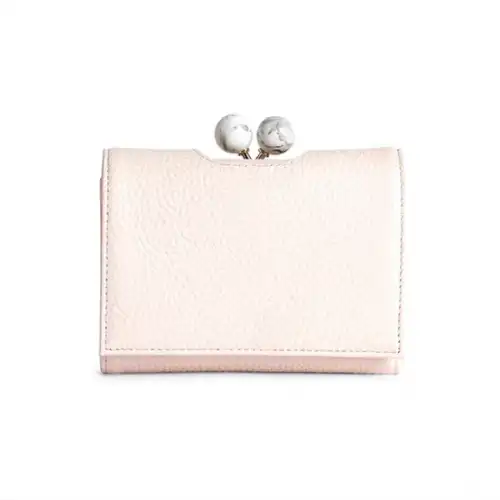
When positioning a product for extreme durability, makers of high-end leather goods choose frames made of stainless steel. The material doesn't tarnish easily, so it keeps its look over long periods of use. This lowers the number of guarantee claims and supports higher prices. Stainless steel is stiff, so it keeps its geometric shapes even when heavy full-grain leathers are used to make doctor bags and structured clutches. Cross-border e-commerce clients that are trying to sell to people in Europe and the United States like that the material follows environmental rules without needing a lot of paperwork. Carol's SGS and ISO9001 certifications prove that the materials are real and that they were processed according to strict standards. This makes it easier for international buyers to make sure that they are following the rules when managing complicated supply chains in a lot of different countries.
Manufacturing Integration and Assembly Considerations
The way the frame is attached affects the choice of material in ways other than its natural qualities. Sew-through iron frames have CNC-punched holes that allow hand-stitching in craft production settings. However, the ends of the holes need to be carefully deburred to keep the thread from wearing down. Glue-in channel designs work with both metals, but the smoother inner surfaces of stainless steel make them stick together better. Carol's quality control methods include checking the dimensions to within ±0.2mm, which makes sure that the fabric is inserted the same way every time, no matter what material is used. Clasp tension adjustment, which is important for user happiness, changes based on the springback properties of the material. For example, iron frames need a slightly different amount of ear compression than stainless steel frames to get the best closing force.
Conclusion
Choosing between iron and stainless steel for bag frames has a big impact on how the product is positioned, how much it costs to make, and how happy customers are in the long run. Iron square purse frame are cheaper and can be used for a variety of styles, including mid-range collections and vintage looks, as long as the protective finishes are specified correctly and the end user is shown how to take care of them. Stainless steel frames cost more than other frames because they don't rust, they're strong, and they don't need much maintenance, which is what the luxury market wants. A good buying process includes looking at the total cost, which includes how hard it is to process, how well it meets regulations, and what happens after the sale that isn't covered by the original unit price. Working with makers that are vertically merged guarantees consistent quality, the ability to make changes, and a reliable supply chain, all of which are important for staying ahead in today's tough global markets.
FAQ
Can iron and stainless steel frames be used interchangeably in the same design?
When you substitute materials, you have to look at more than just how well they fit together in terms of size. Iron and stainless steel frames with the same outside measurements have different spring properties that change the tension of the clasp and slightly different weight distributions that change the balance of the product. There are different ways to finish things, and some decorative treatments stick to different substrates in different ways. This could make it harder to match colours across production runs that use different materials. Regulatory compliance paperwork is different for each material, which makes the approval process harder when frames need to be switched out in the middle of production. Designing around a specific material from the start of a project is best practice, but Carol's engineering team can check to see if it's possible for certain uses that need material versatility.
What factors should B2B buyers prioritize when purchasing frames for different markets?
Material plans need to be customised based on the goals of each market. European buyers care a lot about the environment and being able to track down materials. They prefer stainless steel frames because they are naturally REACH-compliant to iron frames that need a lot of paperwork about the finish. The American market strikes a mix between high standards for quality and low prices, giving both materials chances to succeed based on how the brand is positioned. Asian manufacturers often care about how quickly they can make things and how much they cost in bulk. This makes iron frames appealing when they can be protected in-house. Seasonal product lines benefit from iron's faster customisation cycles, while core collections benefit from stainless steel's durability, which allows Products to last for more than one year. Carol's global sales experience in these markets helps her make material suggestions that are in line with regional tastes and rules.
Partner with Carol Metal for Superior Square Purse Frame Solutions
Carol Metal is ready to help you with your hardware buying plan. They have a lot of experience making square purse frames out of both iron and stainless steel. Our 4,500 building has advanced die-casting, mould carving, and precision soldering tools, as well as strict quality control systems that have been approved by ISO9001, SGS, SMETA, and Sedex. Our engineering team creates custom solutions that meet your exact needs, whether you need small-batch customisation to test your design or large orders to take advantage of our 30 million-piece yearly capacity. Contact tony@carolxiao.com to talk about your needs with a dedicated square purse frame provider that offers OEM/ODM services, cheap pricing, and reliable delivery that has been praised by both high-end names and mid-range manufacturers. Visit carolhardware.com to explore our complete hardware portfolio and discover how our full-chain production control changes the way you source.
References
- Materials Science and Engineering Handbook: Metal Alloys for Consumer Hardware Applications, Society for Materials Engineering, 2021.
- Corrosion Prevention in Fashion Hardware: A Technical Guide for Manufacturers, International Association of Leather Goods Producers, 2020.
- Quality Standards for Metal Purse Frames and Clasps, American Society for Testing and Materials (ASTM) B117-19, 2019.
- Sustainable Material Selection in Fashion Accessories Manufacturing, Journal of Industrial Ecology and Product Design, Volume 34, 2022.
- Electroplating Best Practices for Iron and Steel Hardware Components, National Association of Surface Finishing, 2021.
- Global Supply Chain Management for Fashion Hardware Procurement, International Journal of Fashion Technology and Textile Engineering, Volume 9, Issue 2, 2023.