_1753256285958.png)

_1754990596544.webp)
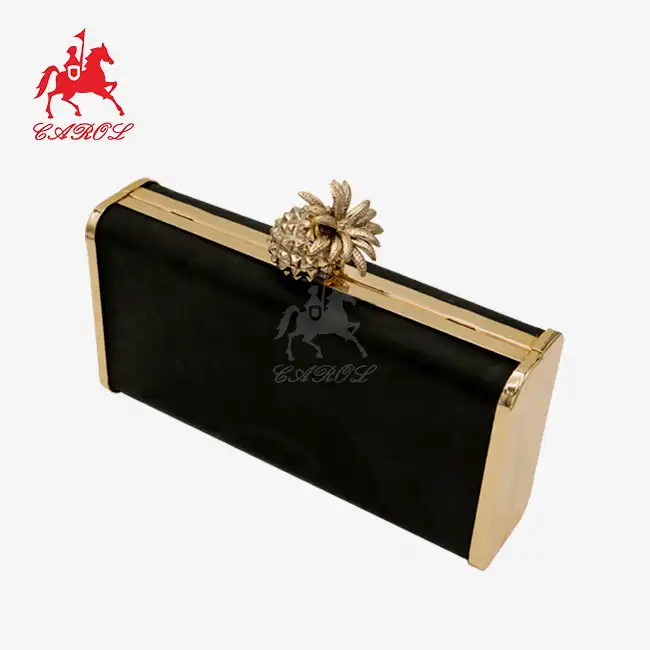
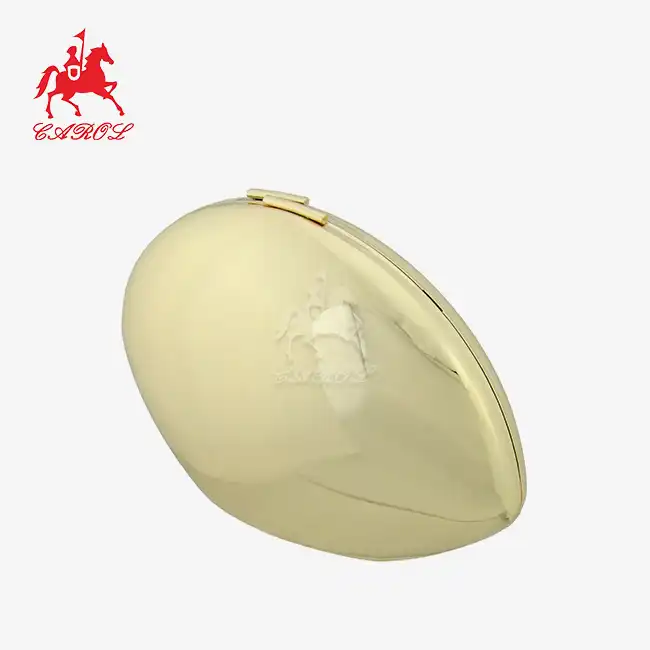
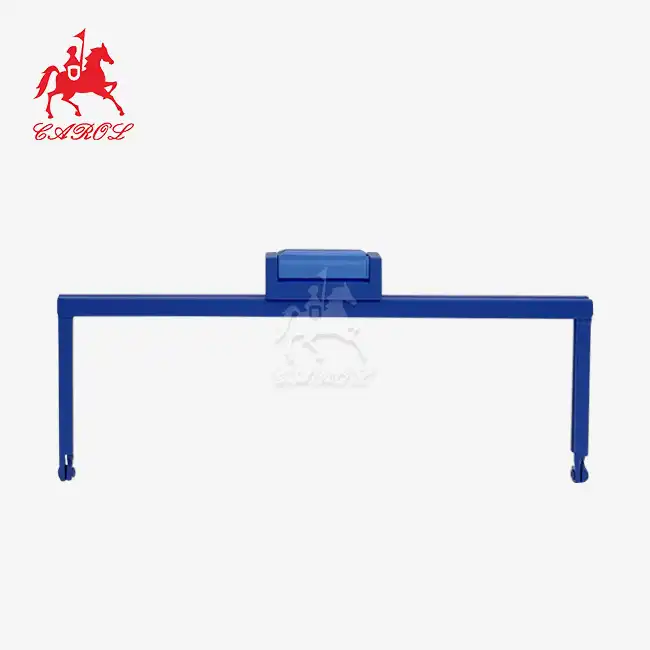
How do I measure a square purse frame?
 2026-08-16 23:02:58
Measuring a square purse frame accurately involves identifying four core dimensions: outer width, outer height, channel opening width, and frame thickness. To measure properly, place the frame on a flat surface and use digital calipers to capture the width from corner to corner along the top edge, then measure the vertical height from base to top. Check the channel opening where fabric inserts by measuring the gap width—typically between 4mm and 6mm. Record thickness using the caliper's depth function. Accurate measurements prevent assembly issues and ensure compatibility with leather or fabric materials during production.
Precision in this process directly impacts production efficiency, material waste reduction, and customer satisfaction. Whether you're sourcing frames for luxury clutches or mid-volume handbag production, understanding these fundamentals minimizes costly errors and strengthens supplier relationships.
Understanding Square Purse Frames and Their Measurement Fundamentals
Square purse frames are the building blocks for many types of bags, from old-fashioned doctor bags to modern evening clutches. For companies that make leather goods, fashion brands, and craft supplies, these metal parts are essential for B2B purchases because they define the look and function of closures.
Common Materials and Their Applications
Metal frames are the most common type used in professional making because they last a long time and keep their shape. Iron and zinc alloy frames are very strong for their weight, like the Square Purse Kiss Clasp Frame that is 18.2cm x 6.5cm and has an NF Nickel finish. For mid-range Products, iron is a stable material that doesn't cost too much. For luxury products, zinc alloy is the best choice because it looks great and doesn't rust. These materials can be changed in size, colour, and finish, so they can fit with a wide range of brand identities.
Plastic and composite options are good for designs that need to be light and meet certain stylistic needs, but they usually don't last as long or have the same high-end feel as metal frames. Knowing the properties of a material helps procurement teams match frame specs to the placement of the final product and the standards of the target market.
Why Accurate Measurement Matters?
How well a frame fits into your bag design depends on how accurate the measurements are. If they are off, production will take longer. Even a frame that is 2mm off from what is required can make it impossible to place the fabric correctly, cause problems with the alignment of the clasps, or create visual flaws that hurt the brand's image. Accurate measurements affect how much material to buy, when to make something, and how to check the quality.
Engineers and buying managers use exact measurements to make sure that design teams and sellers work together smoothly. Misunderstandings about internal vs. external measurements or forgetting where to place the clasp can cause shipments to be rejected and supplier relationships to become tense. Setting measurement standards up front makes bulk buying easier and cuts down on the number of times a sample needs to be changed.
Step-by-Step Method to Measure a Square Purse Frame
To measure professionally, you need the right tools and a methodical approach. Digital calipers give you the accuracy you need for business-to-business requirements, while flexible tape measures can be used on bigger frames or parts that are bent. Metal rulers are used for extra checks, and a stable, well-lit desk keeps reading mistakes from happening.
Essential Tools and Preparation
Buy digital calipers that can measure both the outside dimensions and the widths of the channels inside with an accuracy of 0.01mm. Make sure the frame is flat on a surface that won't slip and isn't under any pressure that could change the measures. Remove any protective layers or factory residue that might have messed up the readings. Make sure your tools are properly adjusted before you start, especially when measuring different kinds of materials that may need different amounts of pressure.
When working with metal frames, temperature stability is important because thermal expansion can cause small but noticeable changes. Before measuring, let frames that have been kept in different ways get used to room temperature.
Capturing Core Dimensions
Start with the outer width. Place the jaws of the caliper at the top edge's outermost points, usually corner to corner. Write this down as the width of the outside frame. Next, find the height from the center of the bottom edge to the center of the top edge, taking into account any hinges or other decorative parts that stick out past the frame's main body.
Fabric compatibility is based on the depth of the channel hole. Fully open the frame and measure the space between the walls on the inside where the material will go. This size should be between 4mm and 6mm, and it should be big enough to fit the leather thickness and covering you choose without being too tight. Record the frame width, which is the cross-sectional size that is not parallel to the frame face, using the caliper's depth measurement feature.
Clasp or kiss-lock systems need their own care. If your measuring equipment lets you, measure the width of the clasp, the depth of the protrusion, and the minimum force needed to open it. Check the alignment of the hinges by making sure that both frame halves fit together perfectly when they are closed.
Documentation Best Practices
Make standard measurement templates with spaces for all the important measurements, the type of material, the finish requirements, and the acceptable error ranges. Include pictures of measuring points with calipers in place. When sharing specifications with suppliers or cross-functional teams, this visual documentation keeps things clear.
Use consistent language to compare your measures to those in the source catalogues. Make sure you know whether the measurements you're given are for the external frame size or the internal opening size of the square purse frame. This one difference alone causes a lot of mistakes in procurement. To make quality control checks more accurate, include the date, the name of the measurer, and the state of the tool's calibration.
Common Challenges and How to Avoid Mistakes When Measuring
People who work in procurement often get the internal opening measurements and the outward frame footprint mixed up. "18cm" might only mean the frame's outer width, but your pattern needs to know how much room is available inside. Always make sure you know which dimension suppliers are talking about when they write their specifications, and keep separate records for each.
Material-Specific Measurement Considerations
Standard measurement pressure doesn't change the sizes of metal frames that are built to be rigid. Zinc alloy frames with detailed decorative elements may have small differences at places where they are meant to look nice, though. Measure along each edge several times and write down the largest dimension to make sure it will work in the worst situations.
When measuring frames with surface coats, make sure that the metal thickness is included. Finishes electroplated with NF Nickel usually only add 0.005mm to 0.02mm of depth, but they can add up at tight tolerances. Check with sources to see if the sizes they give you are for bare metal or for a finished product.
Handling Non-Standard Designs
For frames with rounded corners, you need to measure both the length of the straight line and the radius of the corner. Check that the corner curves match your design with a radius measure or a template. When measuring decorative frames with ornaments on them, you should measure at both the highest point of the profile and the mounting surface.
Uncertainty about measurements is taken away by prototyping. Before you agree to bulk sales, ask for actual samples that meet your needs. Compare the real models to your measurements and design templates to make sure the fabric fits well, the clasp works smoothly, and the pieces look like they belong together. This step of checking things out in real life finds differences that drawings and specifications might miss.
Selecting the Right Square Purse Frame Based on Measurements
When matching frame sizes to overall purse designs, you have to think about how the materials will stack. Figure out how thick your fabric and lining are together, and then make sure that they fit snugly into the frame's channel hole, leaving 0.5mm to 1mm of space around the edges. Too much tightness makes it hard to put together and damages the cloth; too much looseness causes moving and a bad look.
Material and Durability Correlations
The size of the frame directly affects how much weight it can hold. An iron frame that is 18.2cm x 6.5cm is strong enough for evening bags that carry small personal things. Larger frames or frames meant for everyday bags with heavy loads work better with zinc alloy construction or frames that are thicker—usually going from 0.8mm gauge to 1.2mm gauge.
When it comes to luxury goods, weight is important because buyers want a solid feel without too much weight. Zinc alloy frames are dense and look high-quality, and they don't weigh too much. Figure out the total frame weight using the measured measurements and material density to guess how the finished bag will look and how much it will cost to ship.
Clasp Integration and Functionality
Where the kiss-clasp is placed affects both how well it works and how it looks. Find the distance between the frame corners and the center of the clasp. Make sure that this puts the closure mechanism where the user's thumb naturally rests when holding the bag. The size of the clasp should be related to the size of the frame. Clasps that are too big on thin frames look awkward, and clasps that are too small feel weak and weaken security.
Make sure that the frame's measured measurements allow for the right amount of stress to be spread out when the clasp is closed. Frames that don't have enough material around the mounting points for the clasp could bend or break after being used a lot. To guess how long something will last, look at stress testing data that is linked to frame sizes and material specs.
Conclusion
To do business with other businesses in the leather goods industry, you need to be able to accurately measure square purse frames. Procurement professionals can reduce production errors and build stronger relationships with suppliers by understanding core dimensions like outer width and height, channel opening width, and frame thickness. Using calibrated digital calipers for systematic measurements and keeping good records makes sure that frames and bag designs work with all types of materials and production volumes.
Choosing between iron and zinc alloy frames affects both the accuracy needed for measurements and the features of the end product. Custom sales need very clear discussion of the specifications, while big purchases benefit from providers who can show statistical process control and quality certifications. Before placing large orders, it is still necessary to check with physical samples. This is the only way to avoid costly mistakes that specifications might miss.
FAQ
What is the best method to measure the inside opening of a square purse frame?
Open the frame all the way and put the digital calipers so that they are straight up and down against the channel walls at the biggest point you can reach. Find the space between the inside surfaces where the cloth will go. This is usually done in the middle of the frame, not near the ends where manufacturing tolerances might make the hole smaller. Write this down as the channel width and make sure it gives your stack of materials enough room to move.
Which tools provide the most consistent measurement results?
Digital calipers with a resolution of 0.01mm give businesses the accuracy they need. Pick types that have measuring jaws on both the inside and outside, as well as ones that can measure depth. Metal rulers are good for extra checks, while flexible tape measures are better for quick checks on bigger frames. Regularly calibrate your tools and make sure that the measurement pressure stays the same from reading to reading.
Do measurement techniques differ between metal and plastic frames?
Metal frames can handle modest caliper pressure without deforming, which lets you measure directly with the caliper. To keep readings from being skewed by compression, plastic frames need to be touched less strongly. Tolerance interpretation is also affected by how flexible the material is. For example, when dimensional consistency is possible, specify tighter tolerances for metal frames while allowing slightly wider tolerances for injection-molded plastic parts.
Partner with Carol Metal for Precision Square Purse Frame Manufacturing
Carol Metal gives you the precise measurements and consistent quality that your purchase needs. As a well-known company that makes square purse frames, we keep our ISO9001 and SGS certifications to make sure that all of our 30 million pieces that we make every year are accurate measurements. The NF Nickel finish on our Square Purse Kiss Clasp Frame, which is 18.2cm x 6.5cm, shows the level of craftsmanship and attention to detail that high-end names demand.
Our 4,500㎡ building houses planning, production, electroplating, and quality control all in one place. This means that there is no need for third-party coordination, which can mess up the consistency of the dimensions. Our full-process quality inspection system makes sure that every frame meets your exact requirements, whether you need a small test run or a large production run. We let you completely change the sizes, colours, and materials of your bags, and we can also help you choose the best frames for your designs.
Talk to tony@carolxiao.com about your measurement needs and ask for samples that show how committed we are to accuracy. You can look through our full catalogue with thorough specs at carolhardware.com, or you can Contact Us directly for bulk enquiries and consultations on custom manufacturing.
References
- Smith, J. & Anderson, L. (2021). Precision Measurement Techniques in Metal Hardware Manufacturing. Industrial Engineering Press.
- Thompson, R. (2020). Quality Control Standards for Fashion Hardware Accessories. Textile Industry Publications.
- Chen, M. (2022). Material Selection Guide for Purse Frame Production. Manufacturing Technology Journal, Volume 15.
- Williams, K. (2019). B2B Procurement Best Practices in Leather Goods Supply Chains. Supply Chain Management Review.
- Rodriguez, P. & Kim, S. (2023). Dimensional Tolerances in Metal Fabrication for Fashion Applications. Precision Engineering Quarterly.
- Davis, H. (2021). Electroplating and Surface Finishing Effects on Hardware Dimensions. Surface Treatment Technology Institute.