_1753256285958.png)

_1754990596544.webp)
How does o ring work?
 2026-05-14 21:20:41
When squeezed between two surfaces that fit together, O-rings work by stretching and deforming. This creates a seal that stops fluid or gas leaks. Metal O-rings work differently than their rubber cousins because they close by controlled plastic deformation and metal-to-metal contact. When squished together, these unique sealing parts smooth out rough surfaces while keeping their shape in harsh conditions like high temperatures, high pressures, and acidic environments, where regular rubber seals would break.
Understanding Metal O-Rings: Fundamentals and Functions
Metal O-rings made of metal are a special kind of closing part that is made to last in the harshest industrial settings. These precision-made rings don't use elastomers like regular seals do. Instead, they use controlled metal bending and close surface contact to make seals. The basic idea depends on the metal ring's ability to slightly bend under pressure, covering up tiny surface flaws and creating a shield that doesn't let any fluids through.
Core Material Compositions and Properties
The way metal closing rings work depends a lot on what kinds of materials they are made of. Different types of stainless steel are very strong and don't rust, which makes them perfect for places where chemicals are processed. Copper-based rings are better at conducting heat and being shaped, so they can seal well with less tension force. Specialty alloys that contain graphite or other soft metals make them more flexible while still being chemically neutral.
One big benefit is that it doesn't change much with temperature. Some setups work well from very cold temperatures to over 1000°F. Chemical compatibility is better than that of rubber options; it can resist strong acids, solvents, and reactive gases that would quickly break down elastomer seals. Even when the pressure changes, the technical longevity means that the product will last longer.
Sealing Mechanism and Performance Characteristics
The way it seals is very different from how rubber rings do it. When the metal ring is put in place, it deforms in a controlled way, making close touch with both sealing sides. This metal-to-metal contact gets rid of the problems that come up with rubber seals letting air through. This makes them very useful in vacuum uses and gas control systems.
When conditions are very bad, performance dependability goes up a lot. Metal seals work the same way all the way through their operating range, while rubber seals can fail because of temperature degradation, chemical swelling, or explosive release.
Types of Metal O-Rings and Their Applications
There are many kinds of metal sealing bands that can be used in different manufacturing settings. Each type has its own benefits that make it better for certain situations and performance needs.
Material-Based Classifications
Stainless steel bands are most often used in high-pressure situations, especially in the nuclear and aircraft industries. Because they are very strong for how light they are and don't rust, they can be used for important closing jobs where failure would be very bad. These rings usually need stronger installation forces, but they are the most reliable in harsh settings.
Copper and copper metal rings work great in situations where they need to conduct heat better and be less hard. Because they are more flexible, they can seal well with less compression force, which makes them useful in vacuum systems and cryogenic uses. Copper's natural ability to kill microbes is also useful in some specific situations.
Specialty composite rings with soft metal cores or coats have the strength of steel and better closing properties. The best performance for certain uses is achieved by these combination designs, which balance longevity with sealing effectiveness.
Industrial Applications Across Sectors
When weight, dependability, and temperature resistance are crucial, metal O-rings are used in aerospace uses for engine sealing, fuel system parts, and hydraulic tools. They are essential in jet engine uses because they can keep their structure through multiple thermal cycles.
More and more, automakers are using metal sealing options for high-performance engine parts, exhaust gas return valves, and turbocharger systems. The longer durability cuts down on upkeep needs and raises the general reliability of the system.
Metal rings are used to seal reactor vessels, connect pipelines, and make pump systems that handle toxic media in the chemical processing industry. Because they are chemically harmless and don't melt at high temperatures, they can be used to handle materials that would normally damage seals.
Performance Comparison with Elastomer Alternatives
When you compare operating limits, the performance benefits become clear. Rubber O-rings usually work in temperatures between -40°F and 400°F, but metal alternatives have a much wider temperature range. The pressure that can be applied also goes up a lot. Some metal rings are rated for forces over 10,000 PSI.
Another big benefit is that chemicals don't react badly with each other. When choosing a material for an elastomer seal, you have to be very careful about which media it works with. On the other hand, many metal rings are chemically resistant in all situations. This flexibility makes keeping track of goods easier and lowers the chance that the seal will break because of an unexpected chemical exposure.
Choosing the Right Metal O-Ring: Key Factors for B2B Decision-Makers
When choosing metal closing components, people who work in procurement must look at a number of factors to make sure they perform well and are cost-effective. As part of the decision-making process, technology needs are weighed against supply chain issues.
Critical Performance Parameters
The selection factors are based on the pressure rating standards. For uses with high difference pressures, rings need to have the right wall width and material strength. Knowing the highest working pressure, which includes any possible pressure spikes, is important for making sure there are enough safety margins.
When thinking about temperature range, you need to think about both steady-state and changing situations. Effects of thermal cycling can cause stress concentrations that hurt dependability over time. Thermal strain problems can be lessened by choosing rings with the right material qualities and stress-relieving features.
Chemical compatibility is more than just resistance to corrosion. It also takes into account stress-corrosion cracking, galvanic compatibility with matching surfaces, and the possibility of process media contamination. Full match charts and material certifications help you make the right choice.
Dimensional Specifications and Customization Options
Standard measurements are based on standards from the industry, but for many uses, unique sizes are needed to get the best performance. Design factors for grooves, such as their width, depth, and surface finish, have a big effect on how well they close. Working with suppliers who can make things to order makes sure that the Products fit and work right.
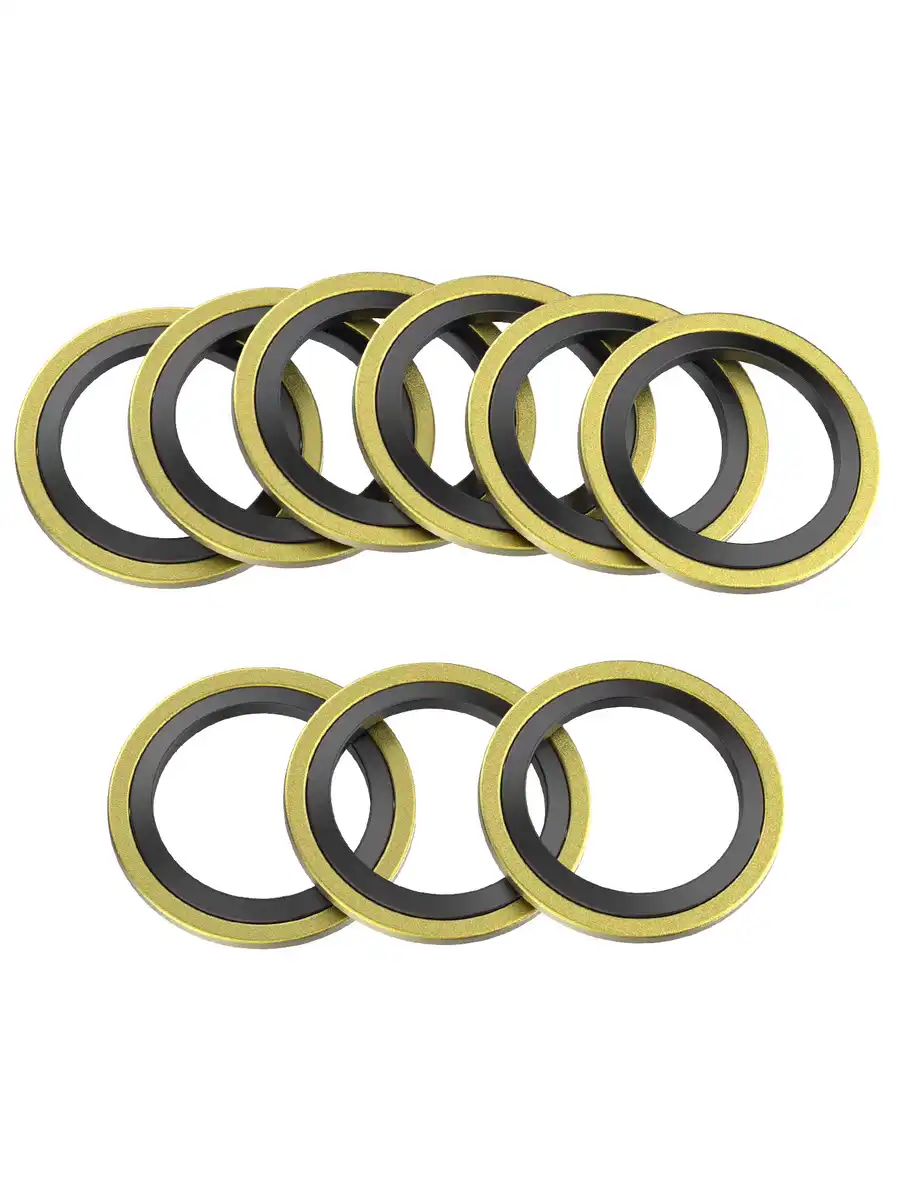
Carol can make things in unique sizes ranging from 10 mm to 200 mm in diameter, and she can also make them with a number of different cross-sectional shapes. The 31mm ID x 41mm OD model of our zinc alloy O-rings shows how precise you can be in unique hardware uses. While these rings are used as bag decorations and keychains, the same level of accuracy in making can also be used for industrial sealing.
Supplier Qualification and Certification Requirements
Different industries have different standards for supplier certification, but most of the time, they include ISO 9001 quality management systems, paperwork that shows where materials came from, and reports that check the size of the goods. Applications in aerospace may need to be certified to AS9100, while applications in nuclear power must be compliant with 10CFR50 Appendix B.
A manufacturing capability review should look at how much can be made, how well quality control systems work, and how well technical help can be provided. Suppliers with full testing tools can give important performance proof data for important uses.
Procurement and Supply Chain Insights for Metal O-Rings
Cost savings and supply chain dependability are both improved by effective procurement methods. Knowing how the market works and what suppliers can do helps you make better choices about where to buy things.
Sourcing Strategies and Channel Selection
When it comes to price, professional help, and customization options, working directly with the manufacturer is often the best option. This method works especially well for jobs that need to be done in large quantities or with special materials or measurements.
Distributor networks are better for standard sizes and smaller amounts because they offer faster shipping and make the buying process easier. A lot of wholesalers keep common sizes in stock, which cuts down on lead times for common uses.
Online markets have given procurement workers more choices, especially when it comes to normal sizes and materials. But for technical purposes, talking to the provider directly is often best to make sure that the right specifications and application advice are given.
Pricing Structures and Cost Optimization
When it comes to volume prices, structures are usually stepped, with big savings at bigger amounts. Knowing the break points helps you figure out the best order amounts to keep unit costs low and inventory spending under control.
Material costs make up the biggest part of the price of metal O-rings, and specialty alloys command higher prices. Standardizing on popular materials can help cut costs and make managing supplies easier.
The costs of customization include the cost of tools for non-standard sizes and the cost of setting up materials that aren't common. Spreading these costs out over bigger amounts is better for the economy as a whole.
Lead Time Management and Inventory Planning
Standard goods usually ship within days, but custom designs might take a few weeks to make. Planning your buying efforts around these wait times will keep your production from being held up.
Minimum order amounts depend on the supplier and the type of goods. To find the right balance between MOQ standards and the cost of keeping goods, you need to carefully look at how things are used and how reliable the supply chain is.
The amount of safety stock you keep should take into account changing lead times and unclear demand. Higher stocking levels may be necessary for critical uses to avoid costly production interruptions.
Advantages of Metal O-Rings and Future Trends in Sealing Technology
Due to their better performance, metal O-rings are the best choice for uses that need to meet higher standards. Knowing about these benefits helps people who work in buying make smart choices.
Performance Advantages and Reliability Benefits
One big benefit is that metal rings usually last for years instead of months. This longer life lowers the cost of upkeep and makes the machine more available.
It has better leak rate performance than elastomer options, especially in vacuum situations where leakage through the seal material is a big problem. Metal O-rings completely stop permeation, which makes ultra-high pressure uses possible.
Temperature stability makes sure that the sealing works the same way across the whole working range. Metal rings keep their sealing qualities throughout their stated temperature range, while rubber seals may harden at low temperatures or soften at high temperatures.
Emerging Technologies and Innovation Trends
Using new coating technologies that combine metal longevity with better conformability improves closing performance. When used in certain situations, these combination methods improve performance while keeping the main benefits of metal building.
Improvements to the manufacturing process keep bringing down prices and raising quality. Tighter specs and more consistent performance are made possible by more advanced machining methods and quality control systems.
Materials that can be recycled and environmentally friendly ways of making things are being developed because of concerns for the environment. Metal rings are naturally easier to recycle than rubber ones, which helps companies with their green efforts.
Market Evolution and Adoption Patterns
Adoption in the industry keeps growing as performance standards rise and costs fall. Applications that weren't thought to be good for metal seals before now benefit from better designs and lower prices.
Industry groups work to standardize things so that more people can use them by making sure that all of them have the same requirements and testing methods. Standardization cuts down on technical costs and makes the buying process easier.
Conclusion
Metal O-rings are better at sealing than standard elastomer seals in difficult situations where they can't meet working needs. Because they can handle high temperatures, work with chemicals, and last a long time, they are the best choice for sealing jobs that need to be done quickly and accurately in the aircraft, automobile, chemical processing, and vacuum system industries. Controlled metal distortion is the basic idea behind how seals work. They make reliable, long-lasting seals that keep working in harsh circumstances. Procurement pros can get the best sealing solutions at the best prices by understanding the selection factors, such as pressure ratings, temperature ranges, and chemical compatibility.
Partner with Carol for Premium Metal O-Ring Solutions
Carol offers top-notch metal closing solutions that meet the exact needs of high-end fashion brands and precise manufacturing tasks. As an example of our precision metal component production, our 31mm ID x 41mm OD dull gold finished rings are made from custom zinc alloy hardware that meets your exact specs. We guarantee stable quality and on-time delivery with our 30 million-piece yearly production capacity, which is backed by ISO 9001 certification and advanced quality control systems. Our skilled engineering team helps with choosing materials, making sure measurements are correct, and making sure the products work as expected. Tony@carolxiao.com can help you with your metal O-rings provider needs. Let us show you how our proven knowledge can improve your sealing applications with unique solutions that will last and work well.
FAQ
What makes metal O-rings different from rubber O-rings?
Rubber O-rings work by stretching, while metal O-rings use controlled plastic deformation and metal-to-metal contact to make seals. Because of this basic difference, metal rings can work at much higher temperatures (up to 1000°F vs. 400°F for rubber), can handle harsh chemicals that would damage elastomer seals, and don't let any air through for vacuum uses.
Can metal O-rings be customized for specific applications?
Yes, metal closing bands can be changed in a lot of ways. Manufacturers like Carol can make products in any size, material, or surface finish to fit the needs of a particular purpose. We can make things with different cross-sectional shapes, special coatings, and, if needed, measurement accuracy as low as ±0.001 inches.
Which industries benefit most from using metal O-rings?
The businesses that gain the most are vacuum technology, chemical processing, nuclear power, aerospace, and automobile turbocharger systems. In these fields, sealing solutions are needed that can work in places with very high pressures, harsh chemicals, very high temperatures, or where the environment is very clean, where regular rubber seals would fail.
How do I determine the right material for my application?
The choice of material depends on the conditions under which you will be working. Think about the highest temperature, pressure, chemical contact, and service life that is needed. In general, stainless steel works well for high-temperature uses, while copper metals are better for vacuum systems. Talk to suppliers with a lot of knowledge. They will be able to tell you which materials will work best for your whole working envelope.
What are typical lead times for metal O-ring procurement?
Standard sizes usually ship in three to five business days, but special configurations can take two to four weeks, based on how complicated they are. Carol keeps a stock of popular sizes and can quickly meet pressing needs. Planning your buying efforts around these wait times will keep your production from being held up.
References
1. Parker Hannifin Corporation. "Industrial Sealing Solutions: Metal O-Ring Design Guide." Parker Seal Group Technical Manual, 2023.
2. American Society of Mechanical Engineers. "ASME Boiler and Pressure Vessel Code Section VIII: Rules for Construction of Pressure Vessels." ASME International Standards, 2023.
3. Society of Automotive Engineers. "SAE J2716: Metal O-Ring Seal Performance Standards for Automotive Applications." SAE Technical Paper Series, 2022.
4. National Institute of Standards and Technology. "Material Properties Database for High-Temperature Sealing Applications." NIST Special Publication 800-145, 2023.
5. International Organization for Standardization. "ISO 3601-5: Fluid Power Systems - O-rings - Part 5: Specification of Elastomeric and Metal O-ring Sealing Elements." ISO Technical Committee 131, 2022.
6. Vacuum Technology Association. "Ultra-High Vacuum Sealing Systems: Best Practices and Material Selection Guidelines." VTA Technical Bulletin 2023-04, 2023.