_1753256285958.png)

_1754990596544.webp)
How to fix a belt buckle pin?
 2026-05-14 21:44:24
Fixing a belt buckle pin involves several straightforward steps that can restore functionality to damaged hardware. When dealing with a double-ended pin buckle, begin by carefully removing the damaged pin using needle-nose pliers or a small screwdriver. Inspect the buckle frame for wear or deformation, then select a replacement pin that matches the original specifications. Insert the new pin through the designated holes, ensuring proper alignment and secure positioning. Test the mechanism by threading a strap through to verify smooth operation and adequate tension retention.
Understanding the Belt Buckle Pin and Common Issues
Structure and Operation of Double-Ended Pin Buckles
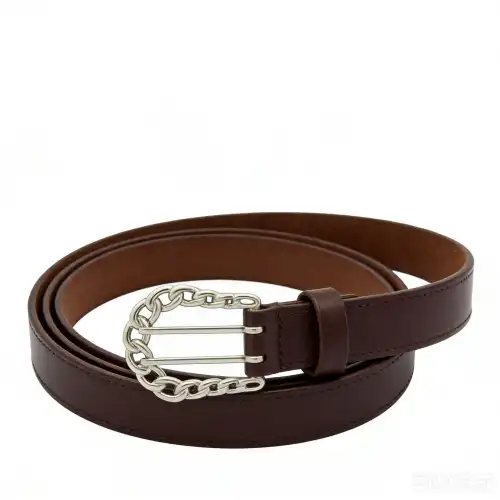
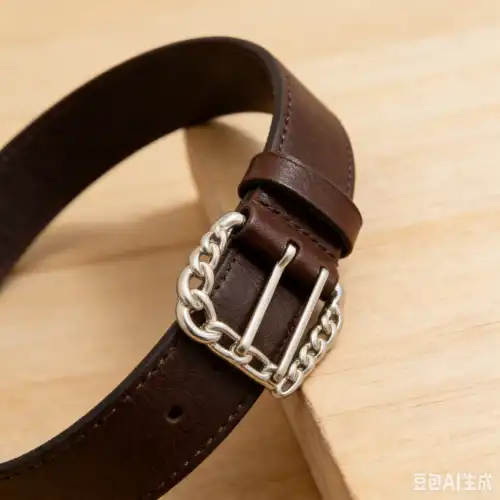
The double-ended pin buckle is a clever way to fix things that is widely used in fields that need reliable ways to attach straps. Unlike most buckles with only one pin, these have two horizontal pins that spread the load across the width of the strap more evenly. This design makes it last longer while keeping the sleek look that is needed for high-end uses.
Several important parts make up modern pin buckles: the main frame, the pins that can move, the spring systems, and the fastening points. The 11mm flat metal roller pin buckle we sell is made of zinc alloy, which makes it very strong while still being very light (only 6.8 grams). The silver finish looks good and doesn't rust, which are both very important for items that are exposed to different weather conditions.
Common Failure Modes in Industrial Applications
When a pin buckle fails, it usually does so in a few expected ways. Material wear is the most common problem, especially in high-stress situations where repeated loading processes weaken the metal structure over time. Environmental factors like exposure to wetness can speed up rust, especially in steel types that aren't covered, but structures made of zinc alloy are more resistant to oxidation.
Manufacturing flaws can sometimes cause Products to fail before they should. Poor electroplating can leave weak spots where stress builds up, and pins may come apart when they're under load if the welding isn't stable enough. These problems with quality show how important it is to choose suppliers who have a history of making good products and strong quality control systems.
Impact on Product Performance and Brand Reputation
Failures of buckle pins are more than just an annoyance; they can affect whole product lines and how people think of a brand. In high-end fashion uses, hardware failure can hurt brand pictures that were built on quality and dependability. Manufacturers that sell to high-end customers need to make sure that their parts are reliable so that their customers are happy and they buy from them again.
Hardware failure can lead to more warranty claims, higher customer service costs, and even safety worries in important uses. Knowing these effects helps buying workers see how important it is to buy high-quality hardware parts that match the quality standards of the whole product.
Diagnosing the Problem and Analyzing Causes
Systematic Inspection Techniques
A thorough eye examination using the right magnification tools is the first step in making a correct evaluation. Check the pins' surfaces for signs of stress concentration spots, such as cracks, bends, or excessive wear patterns. Pay close attention to the spots where the pins touch the buckle frame; these are the places that experience the most mechanical stress during normal use.
Material research might show quality problems that are deeper. It's important to make sure that the electroplating thickness is the same on all areas. Changes in the quality of the finish often mean that the manufacturing process wasn't done properly, which hurts the long-term longevity. Also, make sure that the pin measures meet the original specs. Parts that are too small may not have enough strength margins.
Root Cause Analysis for Procurement Teams
Understanding how failures happen helps procurement workers come up with useful criteria for evaluating suppliers. Material fatigue usually happens because the wrong material was used or the cross-sectional area wasn't big enough for the job. When examining possible suppliers, make sure to ask for thorough material specs and data from stress tests to make sure the parts will work.
Failures during installation are often caused by bad building methods or mixing parts that don't work well together. To keep failures in the field to a minimum, work with suppliers who give full installation instructions and expert help. Think about companies that offer training programs for people who put together gear, since the right way to install it has a big effect on how long it lasts.
Quality Parameter Identification
Setting quality standards that can be measured helps buying teams make sure that standards are the same across all source networks. Tensile strength scores, corrosion protection specs, and dimensional limits are some of the most important measures. Our 11mm x 13mm x 3.2mm roller pin buckle is a great example of the high-quality production needed to make something that will work reliably in tough situations.
Supplier certifications give you even more peace of mind about the quality of the product. Keep an eye out for places that have ISO9001 quality control systems and SGS material standards. These standards list well-known quality control methods that keep given goods from being too different from one another.
Effective Repair Methods for Belt Buckle Pins
Step-by-Step Repair Procedures
To change a pin, you need to pay close attention and use the right tools. Start by holding the buckle in place so that it doesn't move while you're fixing it. If you don't want to damage nearby parts, especially delicate electroplated areas that could change how they look and how well they resist rust, use precise tools.
Make sure that both pins are lined up correctly before installing a double-ended pin buckle device. Misaligned pins cause uneven stress distribution, which can cause the part to break before it should. Before putting the finished unit back into service, test it in a controlled environment to make sure it works right.
Safety Considerations for Industrial Settings
To keep people and tools safe, repair work should follow set safety rules. When working with metal parts, make sure you have the right safety gear on, like safety glasses and gloves that won't cut you. Make sure that work places have enough light and air flow, especially when cleaning solvents or lubricants are being used.
Set clear rules for how to handle broken parts so that people don't get hurt by sharp edges or spring-loaded devices. To keep repair quality uniform across shifts and sites, teach maintenance staff how to use tools correctly and identify parts.
Replacement Component Selection
When choosing the right new pins, you need to pay close attention to how well the materials work together and how accurate the measurements are. When it comes to rust protection, zinc alloy pins are better than basic steel ones because they have a better strength-to-weight ratio. When deciding between different materials, you should think about what the purpose needs.
Surface finishing is a very important part of making sure that parts last a long time and look good together. The look of gunmetal finishes is sophisticated, and they also have functional benefits, such as longer durability and less upkeep. To keep the product's integrity and guarantee coverage, make sure that new parts are made to the same specs as the originals.
Comparing Double-Ended Pin Buckles with Alternatives
Performance Analysis Across Buckle Types
Double-ended pin buckle designs work better in situations where the load needs to be evenly distributed and the buckle needs to be able to be adjusted often. The two-pin design offers safety that single-pin systems can't match, which lowers the risk of failure in important applications. For makers who care about quality, this design benefit is worth the small price increase.
Comparative testing shows that the ways that stress is distributed in different buckle types are very different. Single-pin systems put a lot of stress on a few places, which could cause early wear or a catastrophic failure. Double-ended systems have spread loading, which makes parts last longer and keep working at the same level throughout the repair time.
Economic Considerations for Bulk Procurement
Total operating costs, not just the initial purchase price, must be taken into account in a cost study. Even though high-end hardware components may cost more up front, the lower failure rate and longer service life often make them a better deal. Calculate replacement costs, work expenses, and possible warranty claims when examining different source choices.
Opportunities to buy in bulk can have a big effect on the costs of a project. Manufacturers that serve a wide range of market groups can benefit from suppliers that let them change the amounts they accept and make changes to their products. With a production capacity of 30 million pieces per year, we can offer affordable prices for both small test orders and large-scale production needs.
Application-Specific Suitability Assessment
Different uses have different needs for hardware parts. To protect animals' well-being, pet items need to be very durable and have extra safety features. On the other hand, luxury backpacks focus on looking good and working smoothly. When buying teams understand these complex needs, they can choose the best parts for each type of product.
Material choice and finishing needs are affected by how the material will be exposed to the environment. Components that will be used outside need better rust protection, while parts that will be used indoors may focus on saving money or having certain looks. Customization features let hardware makers make sure that the specs are best for the applications they're meant for.
Procurement Insights: Sourcing Reliable Double-Ended Pin Buckles
Supplier Evaluation Criteria
To find trusted suppliers, you need to carefully look at their manufacturing skills, quality control methods, and customer service. Check the suppliers' production ability to make sure they can meet both present needs and growth projections for the future. Our building is 4,500 square meters and has more than 100 pieces of professional equipment. This shows that we have the size we need to make reliable large amounts of product.
Quality badges are objective proof of a supplier's skills. Check to see if the buildings meet a number of foreign standards, such as SMETA, Sedex, and ISO9001. With these credentials, you can be sure that your quality management systems are in place and that you are committed to methods of continuous growth.
Customization and Branding Opportunities
With OEM customization options, producers can make their goods stand out while keeping costs low. Custom sizes, materials, and styles let brands make metal marks that are unique and help people recognize and value the product. Our wide range of customization options includes everything from changing the size to applying special finishes to the surface.
When special parts are added to production plans, lead time management becomes very important. Most special orders are filled in two to six weeks, based on how complicated they are and how many of them there are. Plan your procurement rounds carefully to avoid output delays or extra costs that hurt the project's ability to make money.
Supply Chain Optimization Strategies
Creating smart relationships with suppliers has benefits beyond just lowering costs. When people work together, they can make new products, set priorities when resources are limited, and get better professional help. When dealing with specific application needs or shortened project timelines, these relationships become even more useful.
Shipping costs, wait times, and the freedom of the supply chain are all affected by where things are located. When it comes to standard goods, Asian suppliers often have lower prices, while regional suppliers may be better at meeting pressing needs. Balance these factors based on the needs and amounts of risk you are willing to take for each job.
Conclusion
For belt buckle pin repair and buying plans to work, you need to know how parts are designed, how they break, and what your suppliers can do. When it comes to performance and dependability, double-ended pin buckle systems are better than other options, which is why they are chosen for quality-focused uses. Setting clear quality standards, checking source certifications, and building strategic relationships that support long-term business goals are all important parts of successful buying. When makers use the right repair methods and make smart decisions about where to get their materials, they can make the best products at the lowest prices for a wide range of uses.
Partner with Carol for Premium Hardware Solutions
Carol is an expert at making precise double-ended pin buckle parts that meet the high standards of luxury brands and makers who care about quality. We offer unique design services, a wide range of materials, and the ability to accept orders in any quantity, from small prototypes to big production runs. We make sure that all of our deliveries are of the same high quality by using ISO9001 certification and cutting-edge testing tools.
Our experienced team provides expert support throughout the entire product creation process. They help find the best hardware specs for each application while keeping costs low. To talk about your needs with our double-ended pin buckle source experts, email tony@carolxiao.com. You can look at our full line of high-quality hardware solutions at carolhardware.com. They are made to make your goods better and boost the image of your brand.
FAQ
What tools are needed for belt buckle pin repair?
For exact work, you'll need needle-nose pliers, small screwdrivers, and enough light for basic repairs. Professional use may benefit from using specific pin placement tools and torque measurement tools to make sure that the quality of installation is the same across multiple fixes.
How do I determine if a pin buckle needs replacement versus repair?
Check to see how bad the damage is and whether the parts are available. Small alignment problems can usually be fixed by adjusting, but broken or bent pins need to be replaced. When deciding how to fix something in a work setting, you should weigh the cost of new parts against the time it takes to fix it.
What materials provide the best durability for pin buckles?
The strength-to-weight ratio of zinc alloy building is very good, and it resists rust better than other materials. Alternatives made of stainless steel are the strongest and best for heavy loads, while alternatives made of brass are more aesthetically pleasing and better for artistic uses that need certain looks.
What are typical lead times for custom buckle orders?
Depending on how complicated and how many are being ordered, standard special orders take 2 to 6 weeks. Simple changes to dimensions can be made faster than custom surface treatments or making completely new tools. To avoid output delays, make sure that the plans for buying things are correct.
How can I be sure that a provider can provide great products?
Ask for proof of approval that includes ISO9001, SGS, and other standards that apply. Check out the production sites, quality control methods, and testing tools that are available. Before committing to bigger orders, you might want to ask for sample products to see how good the real thing is.
References
1. Industrial Fastener Design Principles and Applications in Modern Manufacturing Systems
2. Materials Science and Corrosion Resistance in Zinc Alloy Hardware Components
3. Quality Control Standards for Metal Hardware in Luxury Fashion Applications
4. Supply Chain Management Strategies for B2B Hardware Procurement
5. Comparative Analysis of Pin Buckle Designs in Industrial and Consumer Applications
6. Failure Mode Analysis and Prevention in Mechanical Fastening Systems