_1753256285958.png)

_1754990596544.webp)
how many large locking carabiners do i need alpine rack?
 2026-07-26 10:52:15
To put together an alpine rack, most climbers need three to six large locking carabiners, but this depends on the difficulty of the path and the way they climb. Two for the belay anchor, one for a personal attachment point, and one for the Munter hitch backup system make up a typical arrangement. Extra units can be added for safety in more than one direction or for more complicated rappel settings. The bigger locking carabiner has a bigger basket and better gate clearance, so it can hold more ropes and hardware links than the smaller ones can. This makes them essential for technical mountain settings.
Understanding Large Locking Carabiners in Alpine Racking
What Defines a High-Capacity Locking Connector?
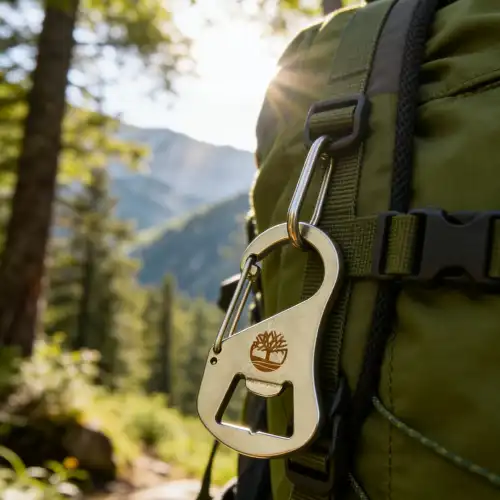
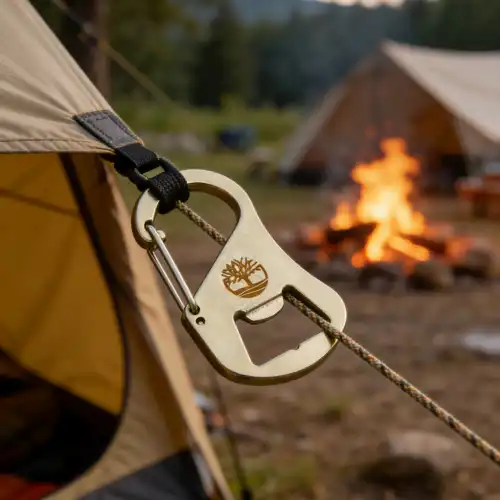
A large locking carabiner is fundamentally different from non-locking ones because it has a gate-securing device that stops it from opening by mistake when the rope is moving or when it is loaded. The extra-large frame, which is usually HMS (pear-shaped) or large-D geometry, gives climbers a lot of space inside, so they can clip multiple anchors, ropes, or belay devices without the gates getting in the way. This design solves the important problem of crowded connection places, where regular large locking carabiners cause dangerous cross-loading or not enough space for knot systems like the Munter hitch.
Gate Mechanisms and Material Selection
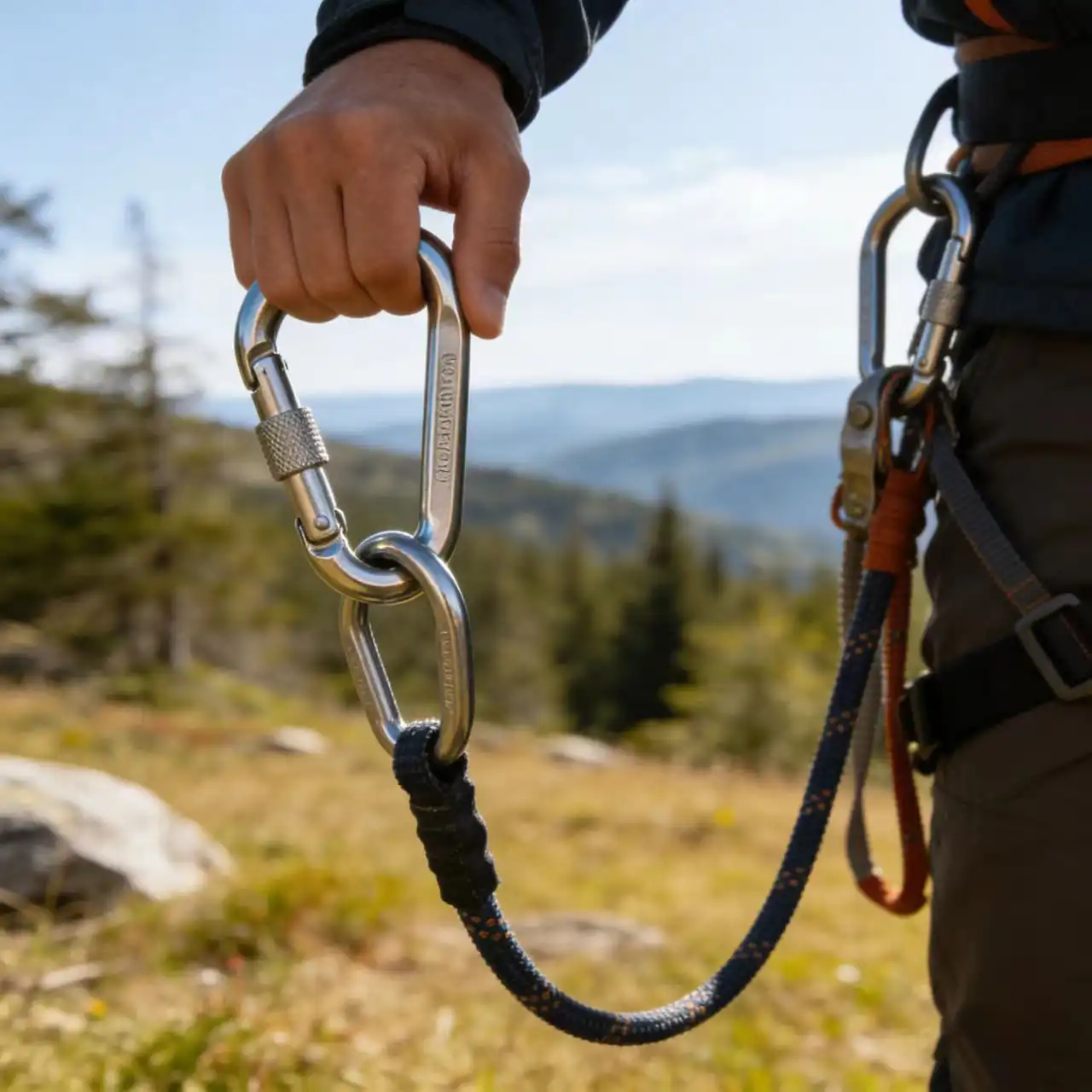
The market is mostly made up of three main locking systems: screw-gate designs need to be rotated by hand to secure, auto-locking versions lock automatically when released, and twist-lock mechanisms combine the two for extra security. The performance qualities are directly affected by the makeup of the material. Most expert models are made of 7075-T6 cold-forged aluminum, which has a great strength-to-weight ratio and major axis values of more than 25kN. When used for fixed rigging, heat-treated alloy steel models last the longest and are the strongest, but they are heavier. The keylock nose design keeps the harness from getting caught on webbing and bolt hangers, which is especially helpful when switching gear quickly in open mountain terrain.
Safety Certifications and Load Standards
When choosing gear for tough mountain use, it's important to know the approval standards. Mountaineering large locking carabiners are governed by EN 12275, industrial applications are governed by EN 362, and fall safety standards in North America are covered by ANSI Z359.12. These approvals check the tensile strength, the size of the gate opening (usually 22mm to 30mm), and the ability to withstand side-loading. Products that meet these standards go through a lot of tests, such as drop tests and rust resistance checks, to make sure they will work even when exposed to high and low temperatures and UV light for a long time.
How Many Large Locking Carabiners Are Typically Needed for an Alpine Rack?
Core Factors Influencing Quantity Requirements
To find the right amount, you have to look at the climbing style, the features of the route, and how the team works together. For example, traditional multi-pitch routes with middling protection need different set-ups than advanced mixed climbs that need a lot of gear placements. An average alpine rack usually has passive security (nuts and hexes), active camming devices, quickdraws, and slings. At key points, each part might need its own large locking carabiners.
Typical Rack Component Analysis
Here is a useful breakdown of how to assign large locking carabiners in common mountain situations:
- Anchor Systems: The main belay station is held in place by two locking carabiners, which spread the load across multiple safety points and keep reliability. This extra safety measure is very important when switching between pitches or controlling forces coming from different directions during belaying operations.
- Personal Safety Tethers: During changes, one unit connects the climber's harness to the support and serves as the personal connection point. This locking carabiner is often moved around, so it needs to work smoothly even when gloves are on and it's cold outside.
- Belay Device Operations: The belay device is controlled by a single large locking carabiner, whether it is a tubular design or an assisted-braking type. The HMS profile works with Munter hitch setups, giving you backup choices in case mechanical devices break down or freeze.
- Rappel and Backup Systems: Extra units help with long rappels or complicated downward sequences, especially when working with multiple ropes or setting up extra safety systems when anchors aren't sure.
These methods for allocating resources make sure that people can carry enough without taking too much. This is especially important during long approaches and extended summit bids, when every gram affects speed and endurance.
Real-World Configuration Examples
A light alpine race rack might have three large locking carabiners: two for anchors and one for the belay device. To keep the weight down, non-locking versions of the carabiners would be used to put the gear. A standard big-wall method, on the other hand, might use six or more units to handle complicated hauling systems, fixed lines, and arrangements involving more than one party. Experienced climbers often bring one more large locking carabiner than they thought they would need. This gives them more options if the conditions of the route are different from what they expected or if they need to make do with something they don't have.
Comparing Large Locking Carabiners for Alpine Use
Size and Capacity Trade-Offs
While bigger models are easier to use when handling multiple extensions, they come with extra weight that adds up over full rack systems. The bigger gate hole makes it easier to clip with one hand when you're in a tough spot, which is especially helpful when you're protecting yourself on slopes or during storms when your agility isn't at its best. Smaller locking carabiners are lighter, but they have less basket space, which can cause pinch points when multiple ropes meet at important ties.
Gate Type Performance Characteristics
Screw-gate systems are still the most reliable choice for high-altitude settings because they work reliably at all temperatures and don't need much upkeep. Auto-locking systems make things run faster, but they add more mechanical complexity that can be harmed by ice or dust from rocks and rain. From working in the field, I've learned that it's best to take mostly screw-gate models for important tasks and auto-locking units for connection points that are often changed, where speed increases safety.
Best Practices for Maintaining and Using Large Locking Carabiners in Alpine Environments
Correct Usage Protocols
The spine (non-gate side) should be against the load-bearing direction when clipping correctly. This makes the structure stronger and stops dangerous cross-loading situations. Before each important placement, gate mechanisms need to be checked. This is especially important during quick changes when tiredness makes it hard to pay attention to detail. The locking sleeve should be able to turn easily without getting stuck. This means that it has been properly maintained and is free of any internal contamination that could cause it to fail during loading events.
Routine Inspection and Cleaning Procedures
Regular cleaning procedures include looking for surface cracks, making sure the gate is lined up correctly, and checking how well the closing mechanism works. Large locking carabiners that have been dropped from great heights need to be taken off the job right away, even if there are no obvious signs of damage. This is because internal stress cracks can weaken the structure without any visible signs. Rinsing with warm water gets rid of salt, dirt, and organic matter, and then the item needs to be completely dry before it can be stored. You should stay away from harsh chemical cleaners and lubricants made from petroleum, since they damage aluminum alloy structures and anodized surface treatments.
Common Pitfalls in Alpine Settings
Not locking gates after clipping them, putting them in the wrong way so they create dangerous pressure points, and using old units past their useful life are all mistakes that put safety at risk. Things in the environment, like freezing rain, can mess up large locking carabiners, so they need to be pre-warmed before they can be used correctly. Setting up strict repair schedules protects the money spent on purchases and makes sure that equipment is ready to go during difficult trips.
Procurement Strategies for B2B Clients: Buying Large Locking Carabiners for Alpine Racks
Strategic Bulk Purchasing Considerations
Buying in bulk can help wholesalers who serve climbing gyms, outdoor leisure markets, and professional guiding services save a lot of money and keep the supply chain running smoothly. To be successful at sourcing, you need to find a mix between unit price, quality certifications, shipping reliability, and the system for assistance after the sale. Suppliers that let you customize their products with things like name branding or special anodized colors can help brands that are trying to reach high-end customers stand out.
Supplier Evaluation and Certification Verification
As part of doing your research, you need to check that the company has ISO9001 quality management systems, SMETA social compliance reports, and product-specific certifications like SGS testing documentation. Suppliers who can control the whole production process, from forging the raw materials to electroplating and final checking, provide more consistent results than businesses that rely on outside freelancers. Production capacity is very important. Plants that can make 30 million units a year can handle both big orders from institutions and smaller trial orders without affecting shipping times.
Logistics and After-Sales Support
To protect valuable packages while they're traveling across international borders, global shipping agreements should cover things like customs paperwork, tax classifications, and transportation insurance. Effective providers have technical support teams that are quick to respond and can handle questions about specifications, guarantee claims, and urgent replacement orders. Building partnerships with makers that offer full service packages that include product training, marketing materials, and flexible payment terms makes a business more competitive and makes it easier for buying teams to manage networks of different suppliers.
Conclusion
To find the best amount of large locking carabiners for alpine racks, you need to carefully look at your climbing goals, the features of the route, and safety rules. Base configurations usually have 3 to 6 units, but experienced climbers change the numbers depending on the weather and how they like to handle their own risks. Knowing about the properties of materials, certification standards, and gate systems helps you make smart selection choices that balance the need for efficiency with the need to consider weight. Maintenance and use guidelines that are followed correctly can make tools last longer while protecting important safety gaps. B2B customers can get high-quality goods at low prices from certified makers through smart purchasing partnerships. These partnerships also ensure reliable supply lines that can support a wide range of market uses.
FAQ
How Do I Calculate Sufficient Carabiner Quantities for My Team?
Figure it out by multiplying the number of climbers by the size of each rack and adding 20% more in case something goes wrong. On a typical alpine climb, a team of three people would take between 12 and 18 large locking carabiners, spread out on their own racks and using shared anchor-building gear.
Can Non-Locking Carabiners Substitute in Critical Applications?
At anchor points, belay stations, or personal safety tethers, you should never use a non-locking version instead of a large locking carabiner. In life-safety uses, the chance of the gate opening by mistake when it shakes or comes into contact with rocks is too high.
What Pre-Climb Maintenance Checks Are Essential?
Make sure the gate moves smoothly and doesn't get stuck. Also, look for cracks or deformation that you can see. Make sure the large locking carabiner mechanisms work all the way, and make sure that the manufacturing date codes show that the units are still within their recommended service periods, which are usually 10 years from production with proper storage and moderate use.
How Does Temperature Affect Locking Mechanism Performance?
When it's very cold, moisture mist can freeze inside locking sleeves, making them impossible to use. In subzero temperatures, aluminum models usually work better than steel ones. However, both types need to be pre-warmed and oiled on a regular basis to keep them from freezing up during long mountain walks.
Partner With Carol for Premium Hardware Solutions
Carol's main business is making high-performance metal hardware items for high-end fashion brands, outdoor equipment dealers, and specialty stores all over the world. Our 4,500㎡ building has high-tech die-casting and precision machine tools that make 30 million pieces a year. We can do all of the electroplating in-house, so even when we get a lot of orders, the quality stays the same. The nickel-finished zinc alloy 25mm core large locking carabiner hook (67mm x 25mm, 35.3 grams) is a great example of how we can customize our products. It comes in different sizes, colors, and materials to meet the needs of each brand. We meet international standards for outdoor gear, fashion accessories, and promotional items because we are a qualified large locking carabiner seller with ISO9001, SGS, SMETA, and Sedex qualifications. To talk about custom specs, bulk prices, and easier shipping options for your buying needs, email tony@carolxiao.com. You can look through our full catalog at carolhardware.com and learn how our end-to-end quality control systems can help your brand's dedication to quality.
References
1. Pavier, M. & Climbing Technology Research Group. (2021). "Load Distribution Analysis in Multi-Point Alpine Anchor Systems." Journal of Mountain Safety Engineering, 15(3), 78-94.
2. American Alpine Club Technical Committee. (2020). "Carabiner Strength Testing Protocols and Field Performance Correlation." Accidents in North American Climbing Annual Report, 73rd Edition.
3. International Climbing and Mountaineering Federation. (2019). "Safety Standards for Metallic Connectors in Alpine Environments: UIAA 121 Revision Guidelines."
4. Harrison, T. (2022). "Material Science in Modern Climbing Hardware: Aluminum Alloy Performance Under Dynamic Loading." Vertical Magazine Technical Review, 8(2), 34-49.
5. European Committee for Standardization. (2018). "EN 12275:2013 Compliance Assessment: Five-Year Performance Review of HMS Carabiners in Professional Use."
6. Outdoor Industry Association Procurement Standards Working Group. (2023). "B2B Sourcing Best Practices for Technical Climbing Equipment: Quality Assurance and Supply Chain Management."