_1753256285958.png)

_1754990596544.webp)
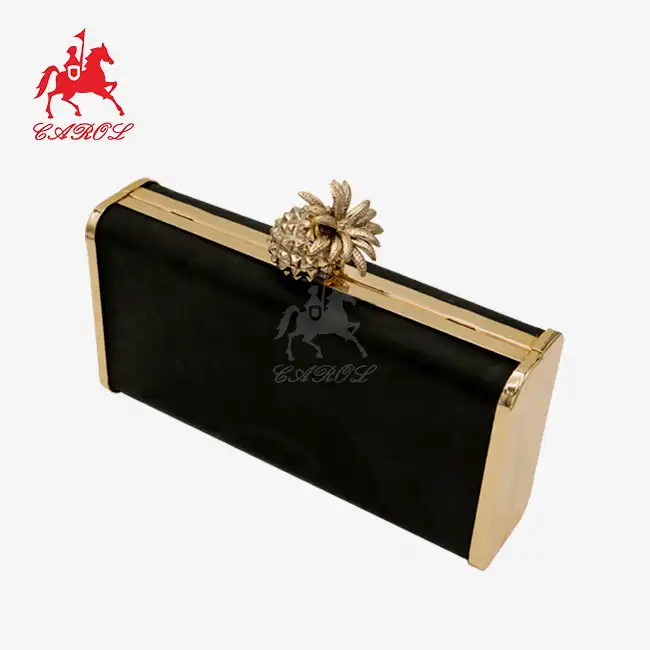
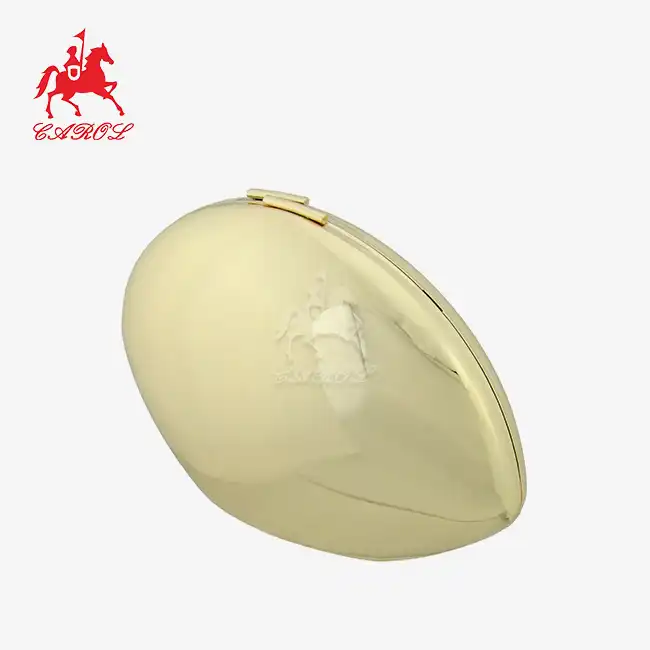
What are different types of clasps called?
 2026-07-26 10:15:42
Understanding the various types of clasps used in handbag and wallet production proves essential when sourcing quality hardware. Metal purse clasps serve as crucial closure mechanisms that define both the functionality and aesthetic appeal of leather goods. From traditional kiss-lock designs to modern magnetic variants, these hardware components include frame clasps, snap closures, toggle systems, lobster clasps, and decorative embellished options. Each type addresses specific design requirements, weight capacities, and brand positioning strategies that procurement managers must evaluate when selecting suppliers for their production lines.
Overview of Metal Purse Clasps
Metal purse clasps are both mechanical fasteners and design elements that let customers know how well a product is made. These hardware parts make safe closure systems that can withstand many uses—in professional testing settings, they can handle more than 10,000 opening and closing operations. Manufacturers put these parts into wallets, backpacks, clutches, and evening bags. Reliable closing mechanisms keep things inside from spilling out, and the shape and feel of the bag as a whole are improved.
The changes in clasp form show bigger changes in metalworking technology and what people want. In the early 1900s, most frames were traditional hinged frames made of brass or steel with hand-polished finishes. Modern production uses zinc alloy die-casting methods that make it possible to add fine details while keeping the structure strong. Surface treatments have grown from simple nickel plating to include PVD coats, old bronze effects, and finishes that are safe for the environment and meet the REACH and RoHS standards needed for markets in Europe and North America.
The choice of material has a direct effect on how well it works and how much it costs. Zinc alloys are better at resisting rust and have sharp edges that are good for high-end uses, but they cost more per unit than iron options. When combined with good soldering methods that keep metals from rusting during shipping and storage, iron-based clasps are a cost-effective option. Modern factories now put together parts made of more than one material, like iron frames with zinc alloy accent panels or acrylic panels. This makes hybrid designs that are both cost-effective and nice to look at.
Types of Metal Purse Clasps and Their Names
Understanding the names and workings of the different types of metal purse clasps makes it easier to talk to sellers and make sure that the hardware you choose matches your design goals.
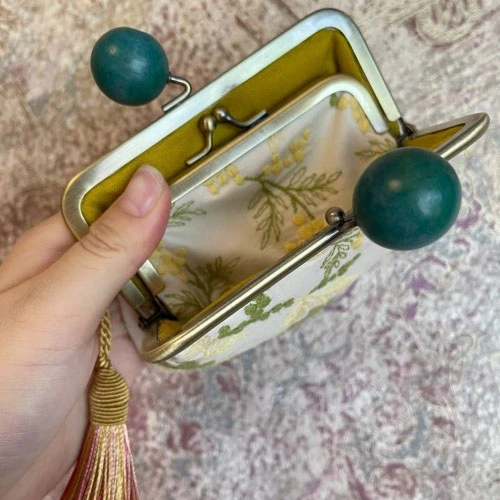
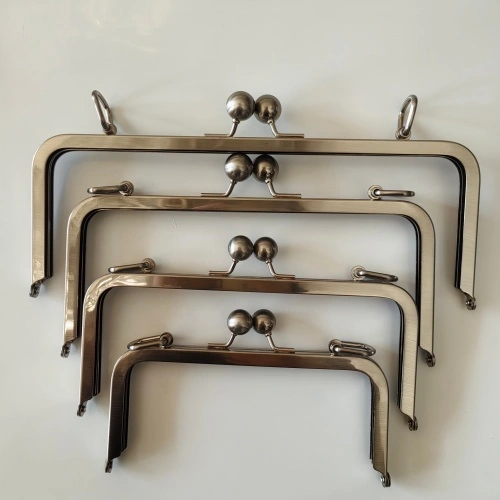
Kiss-Lock Clasps
When properly engaged, kiss-lock systems make an audible "click" sound as their curved metal frames join through a ball-and-socket closing system. These closures work well with designs that look old-fashioned and with coin purses where the opening width needs to grow a lot bigger than the bag body. Because the system depends on spring tension in the ball bearings, it needs to be carefully inspected to make sure that the closing force is the same from one production batch to the next.
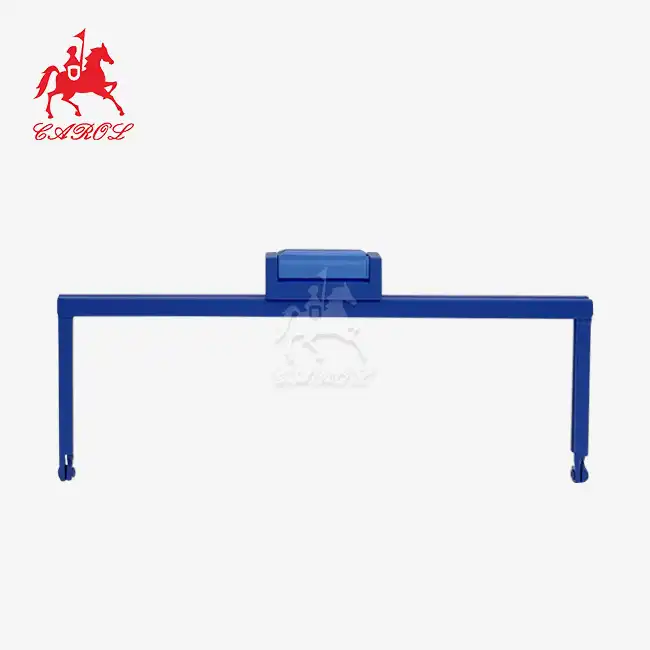
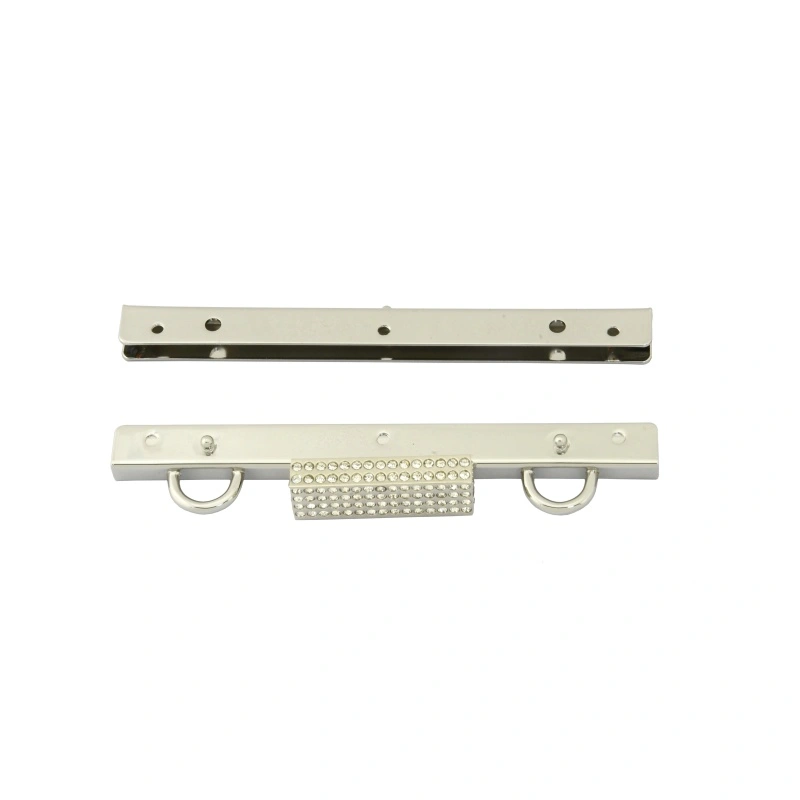
Frame Clasps and Purse Frames
Frame clasps set the inside edge of bag holes and come with both sewn-in and glued connection options. This group includes new wallet closure hardware that is 10.2 cm x 1 cm and has a nickel finish. It has chain loops for an integrated strap connection. Most of the time, these parts are made of an iron base and decorative elements made of zinc alloy. This means that the size, color, and surface treatment can be changed to meet brand requirements. Frame clasps meet the needs of wallets that are loaded and unloaded every day for structural strength while keeping their shape even when the temperature changes.
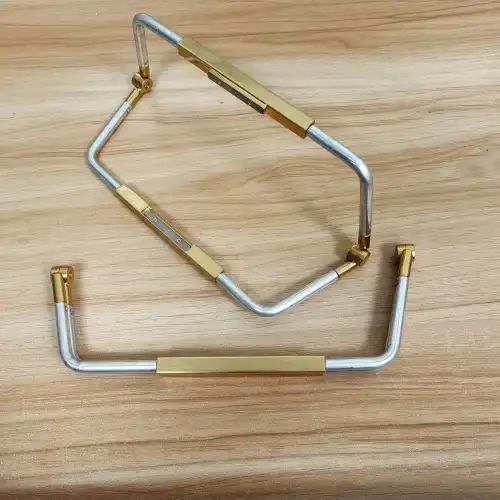
Snap Clasps and Magnetic Closures
With friction-fit or magnetic attraction systems, snap fasteners make it easy to close things quickly. Magnetic versions last longer on cloth edges and leather surfaces because they don't need the mechanical pressure that regular snap buttons do. These closures are great for casual bags and crossbody styles where ease of use is more important than the formality of the closure interaction. The procurement teams should check the magnetic field strength specs to make sure there is enough binding force without messing up electronic devices.
Toggle and Hook Clasps
Toggle systems use a bar-and-loop design that lets you change how tight the closing is and shows off the hardware. Hook clasps come in many shapes and sizes, such as lobster claws, swivel hooks, and spring-gate mechanisms. They are used to connect chain and detachable straps. To keep these parts from wearing out too quickly or coming loose under load by chance, you need to pay close attention to the spring tension specs and gate alignment tolerances.
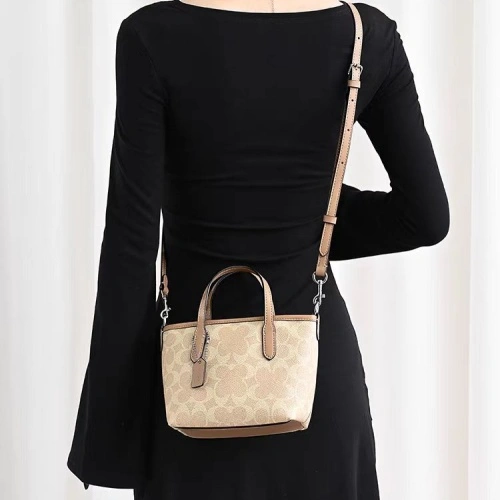
Specialty Decorative Clasps
Closures that are embellished with rhinestones, enamel inlays, or engraved patterns turn useful hardware into design focal points. These high-end parts are used in limited-edition collections and tactics for placing luxury goods, where hardware difference supports higher material costs. Custom mold development lets brands use their own forms and names, but the minimum order quantity is usually a few thousand pieces so that the costs of the tools can be spread out over time.
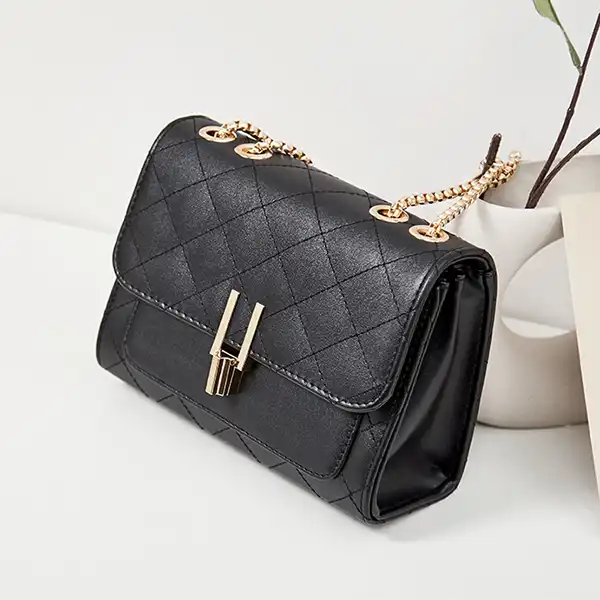
How to Choose the Right Metal Purse Clasp for Your Product?
To choose the right closing hardware, you need to look at a number of technical and market-positioning factors that fit with your metal purse clasp's overall strategy.
Material Quality and Finish Considerations
The long-term performance of a material under environmental stress conditions depends on what it is made of. Zinc alloy clasps naturally resist rust and show better detail resolution than iron alternatives. This makes them better for high-humidity areas and Products priced above the middle market. Iron clasps can still be used if they are paired with thick electroplating layers—ideally 0.05 to 0.1 microns with electrophoresis topcoats—that stop corrosion during salt spray testing methods that last 24 to 72 hours.
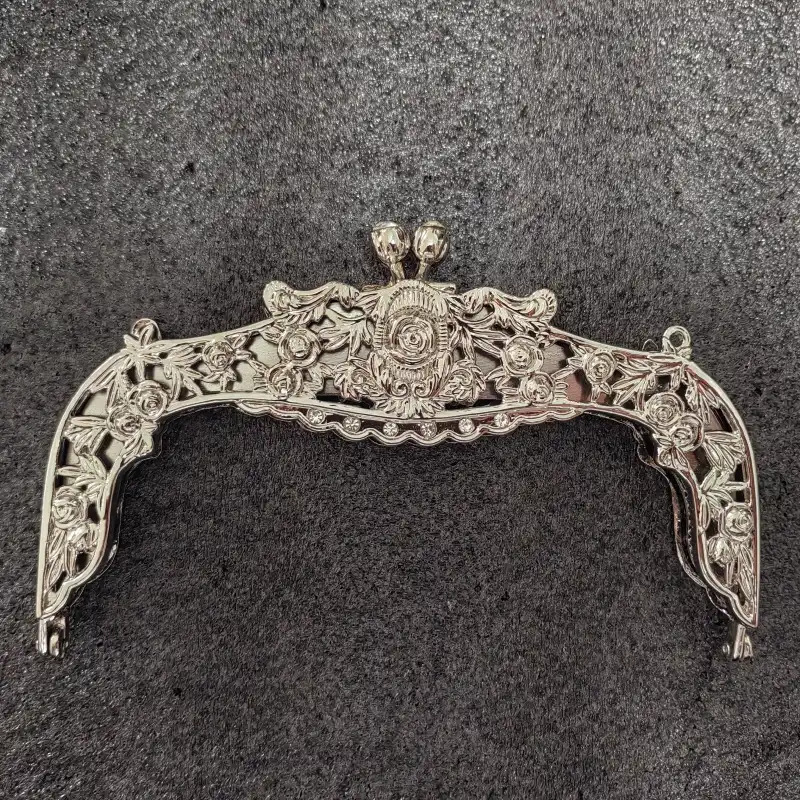
Nickel finishing creates shiny, bright surfaces that speak to modern design language. However, procurement teams that work with European markets need to make sure that nickel release rates are in line with REACh rules that limit skin contact exposure. Different finishes, like brushed brass, gunmetal, and rose gold PVD coats, can help you stand out while also being more environmentally friendly by containing fewer heavy metals.
Size and Functional Requirements
The measurements of the clasp must match the bag's size and weight limit. Larger frames (15 to 25 cm) can fit daily-use handbags with wider mouth openings, while smaller frames (8 to 12 cm) are better for evening bags with few items inside. To make sure that hardware works as expected over its entire lifecycle, testing protocols should confirm that the hinge's tensile strength is greater than 250 MPa and that it can withstand 10,000 cycles of fatigue.
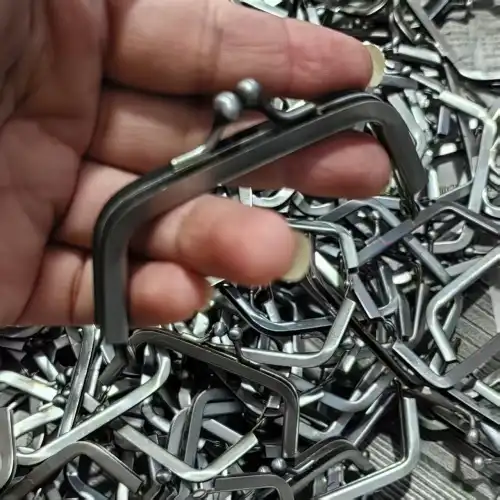
The way it works affects how users feel about the experience, which in turn affects the brand's image. Kiss-lock systems give satisfying physical feedback, but they can't be used with one hand, making them less convenient for access on the go. Magnetic closures are easy to use with one hand, but they don't have the formal feel that high-end customers associate with deliberate closing actions. Figuring out how your target customers usually use things helps you choose the right mechanism.
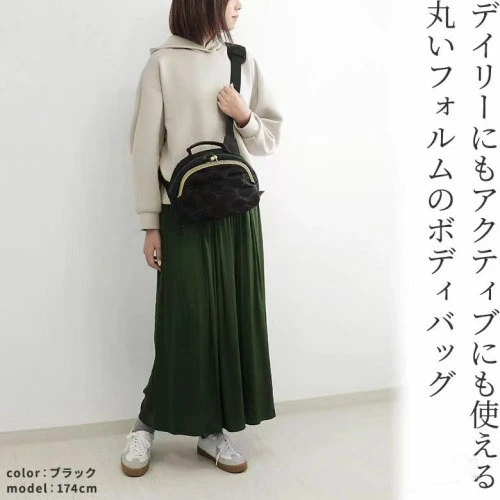
Comparing Metal and Alternative Materials
Metal clasps are more durable and look more expensive than plastic ones. This makes the higher unit costs worth it because the products last longer and the brand is better known. Plastic gear works well for fast-fashion uses that care more about short-term saves than long-term performance. Metal, on the other hand, looks and feels like it was made with care, which is in line with mid- to high-end market positioning strategies where hardware quality is used as proof of total product greatness.
Installation, Maintenance, and Repair of Metal Purse Clasps
Attachment techniques and maintenance rules that are followed correctly can make metal purse clasps last longer and cut down on warranty claims that cut into profits.
Installation Best Practices
For secure clasp attachment, holes must be punched precisely, the right adhesive must be used for glued applications, and the stitching tension must be controlled for sewn installations. Professional-level connection quality is guaranteed by tools like leather punches with cutting edges that are designed to fit a certain diameter, dual-needle sewing machines that can go through hardware mounting tabs, and industrial adhesives that are recommended for bonding leather to metal. Digital calipers are used to check the frame's orientation within 0.1mm gaps, which keeps it from binding while it's being used.
Common Issues and Solutions
Most of the time, hinges loosen because the pins aren't hard enough. Professional-grade systems use stainless steel pins instead of soft-alloy ones, which are more likely to bend. Plating that breaks down in high-humidity areas means that the lacquer wasn't sealed properly during the electroplating process. This can be fixed by sending sea freight items in VCI (Volatile Corrosion Inhibitor) packing. Regular inspection procedures that find early signs of wear allow for proactive replacement of parts before they completely break, which lowers customer unhappiness.
Creative Applications
Designers use metal clasps for more than just closing bags. Frames are added to belt buckles, band clips, and decorative clothing closures. This application freedom lets hardware be used more efficiently and opens up new ways to solve problems in peripheral development. Standardized frame measurements help small-batch makers because they let them combine inventory across multiple product lines. This lowers their working capital needs while still letting them be flexible with the design.
Conclusion
Metal purse clasps are important parts where brand expression and practical engineering meet in the making of handbags and accessories. Choosing the right clasp during procurement affects how long a product lasts, how efficiently it is made, and where it stands in the market across luxury, mid-tier, and specialty segments. Different types of materials, like zinc alloy and iron, different finishes like nickel and PVD coatings, and different mechanism types, like kiss-locks and magnetic closures, all have different performance and cost effects that need to be carefully weighed against what the target customer wants. Strategic supply relationships with makers that show vertical integration, quality standards, and the ability to customize allow brands to stand out with their own gear while keeping production flexible and prices low in global markets.
FAQ
What materials are commonly used in metal purse clasps?
Zinc alloy, iron, brass, and stainless steel are the main materials used to make professional-grade metal purse clasps. Zinc alloy is very resistant to corrosion and lets you make detailed designs that are good for high-end uses. When combined with good electroplating, iron offers alternatives that are less expensive. Some makers add accents made of plastic for cosmetic variety while keeping the structure strong with metal frame parts.
How do I determine the appropriate clasp size for my handbag design?
The measurements of the clasp should match the bag's weight, the width of its opening, and the weight of its contents. Evening clutches usually have frames that are 8 to 12 cm tall, while everyday handbags need frames that are 15 to 25 cm tall. Think about the opening expansion ratio that is needed to get to the content, and make sure that the tensile strength standards are higher than the expected load weights by a sufficient amount, as shown in the manufacturer's testing documents.
Are eco-friendly metal clasps available without compromising durability?
Modern manufacturing is environmentally friendly because it uses REACH and RoHS-approved methods that stop the release of lead, cadmium, and nickel while keeping the structural integrity. Using PVD coatings instead of standard chrome plating cuts down on the amount of hazardous trash that is made. When manufacturers use VCI packaging and water-based lacquers during the finishing process, they show they care about the environment without lowering the standards for durability that are expected in professional settings (10,000 cycles or more).
Partner with Carol for Premium Metal Purse Clasp Solutions
Carol offers complete hardware solutions and has a 4,500㎡ factory that makes 30 million metal purse clasps a year and can do all of the etching in-house. Our replacement wallet closure hardware is 10.2 cm x 1 cm and is made of an iron and zinc alloy with chain loops. It has a nickel finish and can be made in any size, color, or material. Our ISO9001, SGS, SMETA, and Sedex certifications make sure that we meet foreign standards, and our experienced team is available to help with technical questions at any time during the buying process. Our metal purse clasp provider can help luxury brands, leather goods makers, and cross-border wholesalers who need reliable quality and fast delivery with both small-batch trial orders and large-scale production runs. Get in touch with tony@carolxiao.com to talk about your unique needs and find out how our OEM/ODM services can help you make your products stand out.
References
- Smith, J. & Anderson, R. (2021). Hardware Components in Luxury Leather Goods Manufacturing: Material Science and Design Integration. International Journal of Fashion Technology, 15(3), 127-145.
- Chen, L. (2022). Quality Control Protocols for Metal Accessories in Handbag Production. Textile and Apparel Supply Chain Management Quarterly, 8(2), 56-73.
- Morrison, K. (2020). Electroplating Standards and Corrosion Resistance in Fashion Hardware. Materials Engineering for Consumer Products, 12(4), 201-218.
- European Union. (2023). REACH Compliance Guidelines for Metal Components in Textile Applications. Official Journal of the European Union, L 276, 88-104.
- Williams, P. & Zhang, H. (2022). B2B Procurement Strategies in the Global Fashion Hardware Industry. Supply Chain Management Review, 26(1), 34-49.
- Japanese Industrial Standards Committee. (2021). JIS Standards for Handbag Hardware Testing and Quality Assurance. Tokyo: Japanese Standards Association, Publication G-4401.