_1753256285958.png)

_1754990596544.webp)
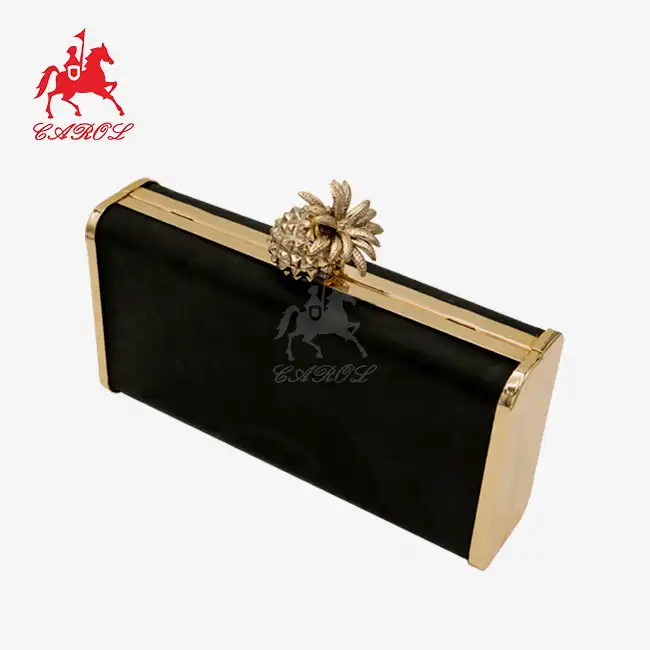
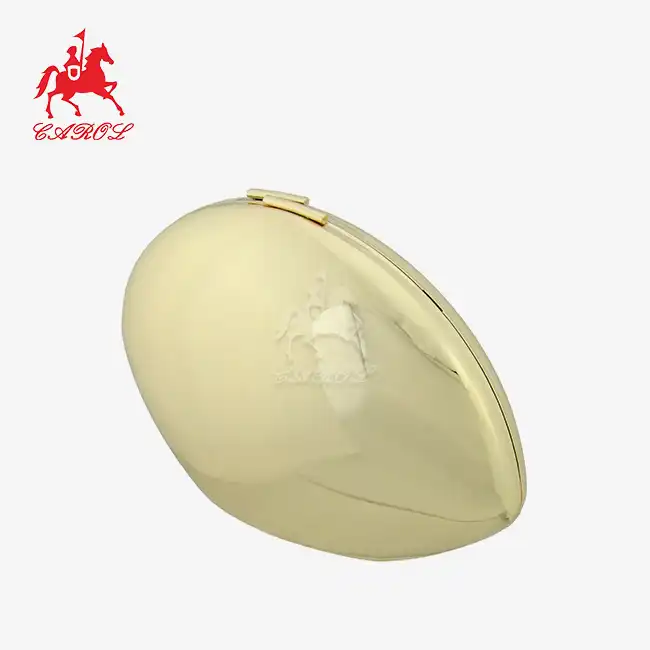
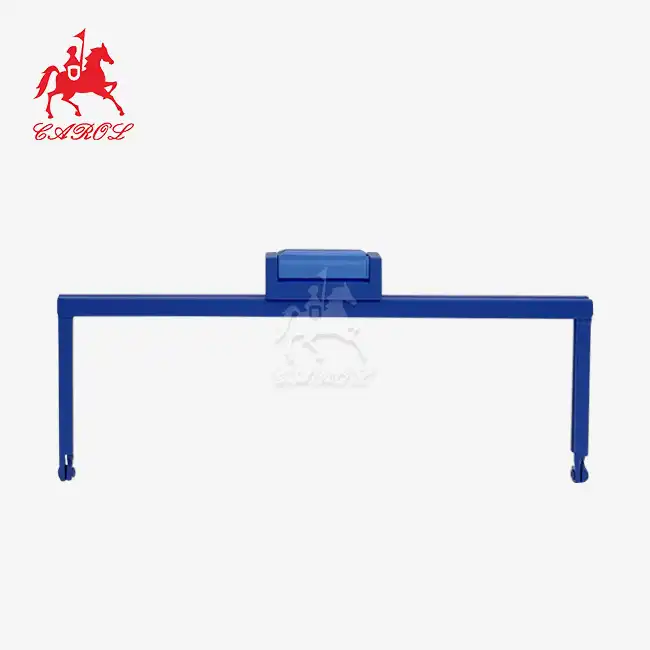
How many O-ring loops are there on one purse frame?
 2026-05-27 16:51:34
When looking for tools for high-end handbags or leather goods, it's important to know the technical details of each part. One question that procurement workers are often asked is how many O-ring loops are built into a purse frame. A normal metal purse frame usually has two O-ring chain loops placed evenly on either side of the frame structure. Designers can safely connect chains, straps, or decorative elements with this set-up. The exact number of loops relies on the size of the frame, what it will be used for, and how it looks. By paying attention to these details, makers and brand owners can choose frames that perfectly match their product vision while also making sure that the frames are strong and can be used in a variety of ways.
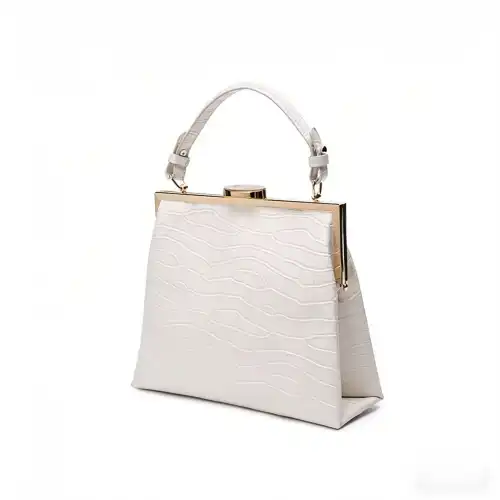
Understanding Purse Frames and O-Ring Loops
Metal frames are the building blocks for many different types of bags, from clutches that look like they came from the past to modern evening purses. Most of the time, these parts are made from iron, zinc alloy, or brass. They keep the structure stable and make the end product look better overall.
The Functional Role of O-Ring Loops
O-ring loops are small metal pieces that are welded or fastened to the outside of the purse frame. They can be round or D-shaped. With these holes, chains, leather straps, or cloth handles can be securely attached to a coin purse, turning it into a crossbody bag or clutch. The clever placement of these loops changes how the weight is distributed, how comfortable it is to carry, and how the design is balanced. Manufacturers usually put loops at similar lengths from the center of the frame to keep things looking balanced and making sure they work well.
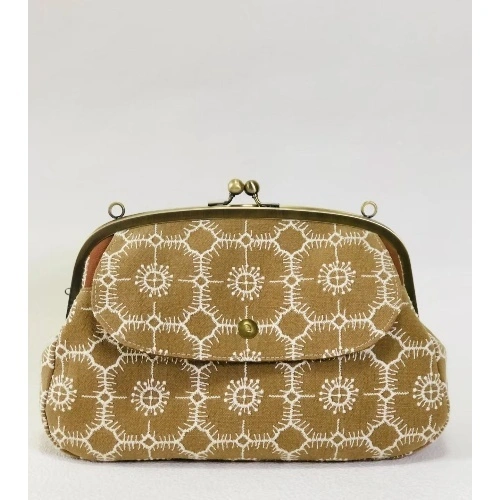
Standard Loop Configurations in the Industry
As an industry standard, most purse frame suppliers make frames with two O-ring loops, but there are some differences based on customer needs and end-use uses. Frames that are about 10 centimeters wide can usually hold two loops, while frames that are 20 centimeters or wider might have four or even six loops to support more than one connection point. This scalability lets designers make goods that can be used as both clutches and shoulder bags by simply changing the way the straps are arranged.
Material Considerations and Quality Benchmarks
How long O-ring loops last depends on the material they are made of and how precisely they are made. It has been shown that frames made from zinc alloy have higher tensile strength than frames made from regular iron. Electroplating treatments like light gold, antique brass, or brushed nickel not only make something look better, but they also protect it from rust. Reliable providers put loops through strict testing procedures, such as tensile strength tests over 15 kilograms and impact resistance tests, to make sure they can handle daily use without deforming or breaking.
Dimensional and Structural Analysis of O-Ring Loops on Purse Frames
Technical measurements are very important in figuring out where and how many loops should be used. When procurement workers understand these factors, they can make choices that balance usefulness with design integrity.
Frame Dimensions and Loop Capacity
Two O-ring loops are usually placed in the upper ends of a purse frame that is 20.3 centimeters by 10.8 centimeters, close to the clasp mechanism. This placement makes sure that any chains or straps that are connected hang naturally and don't get in the way of the opening process. The base width and welding strength of the loop are based on the frame's thickness, which is usually between 3 and 5 millimeters for normal uses. Frames made for high-end uses often have stronger bonding points that spread stress over a larger surface area. This makes it less likely that the loop will come loose when it's under a lot of weight.
Load Distribution and Structural Integrity
How the weight is distributed across the purse frame structure is directly related to the number of loops. When a chain or strap holds the bag, two loops that are put symmetrically create even tension. This arrangement keeps stress from building up in one place as much as possible, which makes the product last longer. Using special tools for testing, loops that are properly bonded to good frames can survive stress cycles that go over 10,000 times without the material wearing out.
Customization Potential for Specialized Applications
Modern makers offer customization choices that let customers choose the number of loops, where they are placed, and what size they need for their specific design needs. A frame for a flexible bag might have four loops: two at the top for chain handles that can be taken off and two on the sides for leather straps that can be adjusted. This multi-loop design gives end users a variety of carrying choices while keeping the structure's integrity. The manufacturing process gets more complicated as the number of loops used rises. To keep alignment errors within 0.5 millimeters, precise drilling and welding methods are needed.
Comparing Purse Frame O-Ring Loop Configurations for Different Applications
To meet useful needs and aesthetic tastes, different market groups need different loop configurations. By looking at these differences, procurement managers can make sure that the parts they choose meet the needs of the target market.
Luxury Brand Requirements
High-end fashion names usually ask for purse frames with carefully placed loops that match their signature style. Often, these specs include custom loop forms that match the brand's look, such as oval, rectangular, or triangular loops. The quality of the welding is closely looked at because gaps that can be seen or areas that aren't smooth don't meet the standards of the luxury market. Suppliers to this market niche must show that they are ISO9001 certified and provide full quality documents, such as a metallurgical makeup analysis and surface treatment standards.
Mid-Volume Production Considerations
When making mid-range leather items, companies focus on keeping costs low without sacrificing structural stability. With standard two-loop setups, most design needs can be met while keeping tooling costs low. Because of economies of scale, suppliers who can make more than 30 million pieces a year can offer low prices while keeping quality high even when they have a lot of orders. One provider offers frames, chains, and other hardware parts that work with them, which makes supply chain management easier and cuts down on the work that needs to be done to coordinate everything.
Custom Design Scenarios
Gift companies and boutique accessory brands often ask for non-standard loop designs so they can make goods that stand out. A frame for a pretty evening clutch might have three loops that are not lined up in a straight line so that a chain accent can fit through them. These customizations make Products stand out more, but they also make making more difficult, which affects minimum order amounts and wait times. Experienced sellers keep mold engraving and die-casting equipment in-house, so they don't have to rely on outside molding vendors for fast testing and design refinement.
Purchasing Considerations and Optimization Tips for B2B Clients
Procurement strategies that work well combine scientific requirements with the abilities of suppliers, cost limits, and quality control rules.
Aligning Loop Configuration with End-Use Requirements
First, people who work in procurement should be clear about how the end product will be used. A coin purse that is meant to be carried by hand needs loops that don't do much—maybe just look nice—while a shoulder bag needs strong loops that can hold a lot of weight for long periods of time. This functional analysis helps choose the frame and stops over-specification, which raises the cost of parts for no reason.
Evaluating Supplier Credentials and Capabilities
There are clear benefits to working with providers who run full-chain manufacturing sites. Integrated operations that include design advice, production, etching, and quality checking make sure that all batches of products meet the same standards. Quality security is shown by suppliers who have facilities that are 4,500 square meters and have specialized testing equipment like knock testing machines and tensile strength testers. Before placing a large order, you can get real-world proof of how long something will last by asking for sample batches to be put through rapid aging tests.
Cost-Efficiency Without Compromising Quality
Strategic buyers know that the lowest unit price doesn't always mean the lowest total cost of ownership. Professionally applied electroplating on frames made of high-quality zinc alloy protects them from tarnishing and weathering, which lowers the number of returns and keeps the brand's image safe. Suppliers that offer both OEM and ODM services can come up with their own designs that set their goods apart in crowded markets while still protecting intellectual property. By negotiating flexible minimum order numbers, you can do test runs with smaller amounts of product before going to full production, which lowers the risk of running out of stock.
Leveraging Technical Specifications for Quality Control
Clear quality standards are set by detailed technical sketches that show the loop width, positioning tolerances, and welding standards. Reliable sellers give a lot of paperwork, like certifications for the materials, records that check the sizes, and pictures that show how the quality checks were done. Setting accepted criteria based on measured factors, like a loop's tensile strength being greater than 18 kilograms or an electroplating thickness meeting ASTM B633 standards, makes evaluations more objective and protects everyone's interests.
Conclusion
It may not seem important, but the amount of O-ring loops on a purse frame is actually based on a lot of different factors, including structural engineering, aesthetic design, and useful needs. Standard designs have two loops that are placed equally on opposite sides. Customization choices allow for a wide range of uses, from fancy evening wallets to practical crossbody bags. To make a good purchase, you need to carefully look at the frame's measurements, the materials used, and the supplier's skills. When you work with makers that have strong quality control systems, cutting-edge testing tools, and customizable options, you can be sure that the metal parts you buy will meet the highest standards and help your production run smoothly. Procurement pros can make choices that balance quality, cost, and design integrity if they understand these technical and strategic aspects.
FAQs
What is the typical number of O-ring loops on small purse frames?
Two O-ring loops are usually located in the upper corners of small frames that are 8 to 12 centimeters wide. This arrangement gives enough connection points for light chains or decorative lines without taking away from the frame's small size.
Does loop quantity affect the durability of a purse frame?
The number of loops doesn't directly affect how long they last; rather, the quality of the welds and the strength of the base material do. Properly designed frames with two well-done welding places usually work better than frames with a lot of loops that aren't connected well. Tensile tests are done on each loop by a good provider to make sure it can hold a load.
Can I customize loop configuration for bulk orders?
Reliable makers give you a lot of ways to customize, such as changing the number of loops, where they are placed, their size, and shape. Depending on how complicated the tooling is, the minimum order quantity for unique designs is usually between 500 and 1,000 pieces. Suppliers that can make molds in-house can meet particular needs while keeping wait times within a reasonable range of 4 to 6 weeks.
Partner with Carol for Premium Purse Frame Solutions
Carol is an expert at making high-quality metal purse frames with carefully engineered O-ring chain loops that meet the high standards of both high-end and mid-range names. Our 4,500-square-meter factory uses advanced die-casting tools and strict quality control methods to make more than 30 million parts every year. The light gold-finished metal frame purse with O-ring chain loops measures 20.3cm x 10.8cm and shows how dedicated we are to craftsmanship. It is made of zinc alloy and has a coating that prevents rusting. Because we've been making purse frames for a long time, we can completely customize the size, finish, and loop design to your exact needs. Get in touch with Tony at tony@carolxiao.com to talk about your project needs and find out how our end-to-end manufacturing services can help you organize your supply chain and make sure that quality is maintained across all production levels.
References
- Thompson, R. (2021). Metal Hardware in Luxury Accessories: Engineering and Aesthetic Considerations. New York: Fashion Institute Press.
- Martinez, L. & Chen, W. (2020). Structural Analysis of Purse Frame Components. Journal of Leather Goods Manufacturing, 45(3), 112-128.
- Anderson, K. (2022). Supply Chain Optimization for Fashion Accessories. Chicago: Industrial Publishing Group.
- Roberts, S. (2019). Quality Standards in Metal Fabrication for Fashion Applications. International Journal of Manufacturing Excellence, 38(2), 67-84.
- Williams, P. (2023). Electroplating Techniques for Decorative Hardware. Materials and Finishing Quarterly, 51(1), 34-49.
- Zhang, M. & Peterson, J. (2020). Comparative Analysis of Metal Alloys in Handbag Hardware. Accessories Design Review, 29(4), 201-218.