_1753256285958.png)

_1754990596544.webp)
How to fix bag chain?
 2026-05-27 16:29:03
Bag Chain repairs require systematic diagnosis and targeted solutions to maintain optimal functionality and extend component lifespan. Common repair techniques include precision cleaning, link realignment, pin replacement, and strategic reinforcement methods. Professional repair approaches consider material composition, stress patterns, and operational environments to determine whether restoration or replacement offers the most cost-effective solution. Proper diagnosis distinguishes between minor maintenance issues and structural failures requiring complete component replacement, ensuring procurement teams make informed decisions that balance operational efficiency with budget constraints.

Understanding the Common Problems with Bag Chains
Hardware parts used in high-end fashion and industrial settings have to deal with a lot of problems that make them less stable and less attractive. Certain types of chain-based items, like those found in high-end backpacks and work tools, break down in certain ways that purchasing managers need to be aware of in order to keep product quality standards high.
Material Fatigue and Structural Wear
Metal fatigue is one of the most common problems that shortens the life of chains in a wide range of situations. When iron and zinc alloy parts are loaded and unloaded many times, they can break into tiny stress cracks. These parts are often used to make high-end bag chain units. Most of the time, these cracks show up at connection places where the stress on each link is highest during normal use.
Surface rust and corrosion have a big effect on both how things work and how they look, especially in damp places or when chemicals are present. Maintaining the defensive qualities and visual consistency of matte gunmetal finishes is different from regular care, even though they look better.
Connection Point Failures
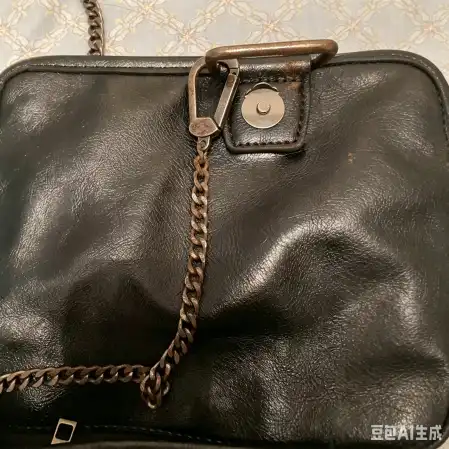
Attachment devices, like Doghooks and key rings, are very important parts of chain assemblies that can break. These parts are put under a lot of stress that can go beyond what was planned, which can cause them to warp or come apart completely. Professional evaluation factors help figure out whether the best answer is to use reinforcement methods or to replace the whole thing.
Tolerances in manufacturing connection hardware affect how reliable it is in the long run. Precision-engineered parts work better in tough operating circumstances. During production, quality control methods have a big effect on how reliable something is in the field and how much upkeep it needs.
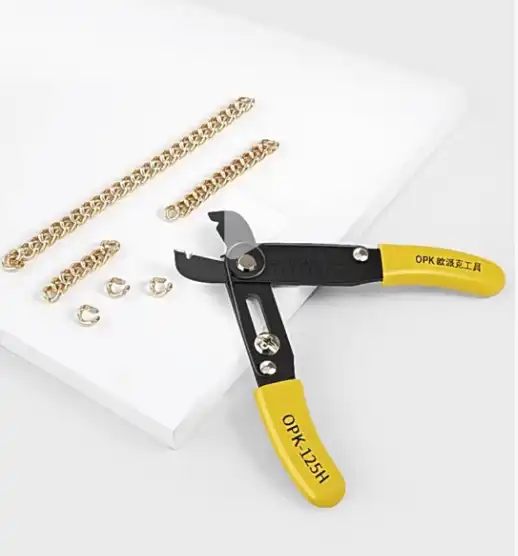
Environmental Degradation Factors
Conditions in the outside world speed up the breakdown of metal gear parts. Changes in temperature cause cycles of thermal expansion and contraction that put stress on surfaces and connection points. Chemicals in cleaning Products, makeup, or work settings can damage both the surface treatments and the structure of the metal below.
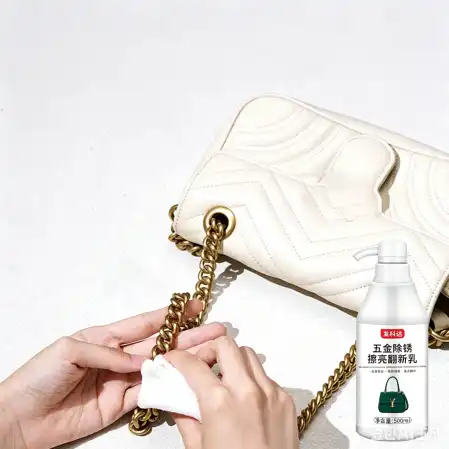
Wear patterns that may need professional repair methods are caused by mechanical abrasion from touching cloth, leather, or other items. When buying teams understand these ways that materials break down, they can choose the right materials and protective methods for each job.
Step-by-Step Process to Fix Bag Chains
Professional repair methods need organized methods that deal with specific types of failure while keeping the purity and good looks of the parts. Repair methods that work best balance the costs of fixing things with the costs of buying new ones to get the best results.
Initial Assessment and Damage Classification
Comprehensive inspection procedures start with a visual check using the right magnifying tools to find surface flaws, structural damage, and the integrity of connection points. Professional evaluation can tell the difference between problems that are purely cosmetic and those that are structural and threaten usefulness and safety.
Keeping track of trends of damage helps find their causes and come up with effective ways to fix them. Measurement tools make sure that measurements are correct and find deformations that might not be obvious from a quick look.
Cleaning and Surface Preparation
Specialized cleaning methods get rid of contaminants that could get in the way of repairs or hide damage that is already there. Ultrasonic cleaning systems get rid of particles and leftovers that are deeply buried without hurting delicate surface treatments or precision-machined parts.
Protocols for preparing the surface make sure that protection coatings and mending materials stick well. To keep damage from happening accidentally during repair, chemical cleaners must be safe for the base materials and treatments that are already there.
Mechanical Repair Techniques
Link realignment methods fix the shape and get rid of binding or weird movement patterns. Specialized tools make it possible to make exact adjustments without adding extra stress points that could cause fails in the future.
Pin replacement methods fix connection points that are worn out while keeping the original design specs. Precision cutting makes sure that the tolerances for fit are correct, which keeps the structure strong and the process running smoothly for as long as it's supposed to.
Reinforcement and Protection Methods
Strategic reinforcement methods make weak spots stronger without affecting the way the structure looks or how it works. Advanced materials and ways of application make things last longer while still working with current parts.
Protective coatings improve security against corrosion and improve the look of things while also protecting against future weather exposure. Professional application methods make sure that the product covers evenly and sticks well so that it lasts as long as possible.
Best Practices for Bag Chain Maintenance to Prevent Future Damage
Preventive repair plans lower the total cost of ownership by a large amount while keeping performance and look standards high. To keep the value of an investment and the dependability of operations, thorough repair plans take into account both the mechanical and visual elements.
Inspection Schedule Development
Regular inspections help find wear patterns and damage to the surroundings early on, before they get bad enough to cause failure. Professional maintenance plans look at how the equipment is used, how exposed it is to the environment, and the specs of each part to find the best inspection regularity and coverage.
Checklists for detailed inspections make sure that evaluation criteria and paperwork standards are always the same. This helps with trend analysis and planning for future repair needs. Training programs help people who work in repair spot early warning signs and take the right steps to fix problems.
Proper Handling and Storage Protocols
Handling methods keep mechanical stress to a minimum and prevent damage from happening by mistake while things are being stored, moved, or installed. Protective packing and storage settings keep the look and purity of parts for long periods of time.
Load limit standards stop overloading, which can fail right away or speed up the wear and tear that comes with use. Users can understand the right way to apply things and avoid doing things that hurt the reliability of components when there are clear operating rules.
Material Selection and Supplier Qualification
High-quality materials and precise making have a big effect on how reliable something is over time and how much upkeep it needs. To make sure that product quality stays high, supplier approval methods check the company's ability to manufacture, its quality control systems, and its certification compliance.
To help you choose the best part for your purpose, material specs take into account things like expected service conditions, performance needs, and aesthetic standards. Modern materials and protection coatings improve performance, which justifies the higher investment costs by lowering the costs of repairs and replacement.
Advances in Bag Chain Technologies and Solutions
New technologies are always improving the performance, sturdiness, and usefulness of bag chain designs while also making them easier to maintain and lowering the total cost of ownership. New developments in material science and modern ways of making things are big improvements over older methods.
Enhanced Material Technologies
Advanced metal formulas offer better strength-to-weight ratios while still being very resistant to rust and looking good. Specialized heat treatment methods improve the material qualities and the stability of the dimensions even when the service conditions change.
New covering technologies offer better protection against damage from the environment while also making things look better and feel better. Multi-layer covering systems blend the useful and attractive qualities to provide better performance.
Smart Monitoring and Predictive Maintenance
Integration of the Internet of Things allows tracking of component condition and performance factors in real time. Sensor technologies find early warning signs of wear and tear or failure, which lets maintenance professionals take action before a failure costs a lot of money and stops production.
Monitoring data is processed by data analytics tools to find trends and guess when repair will need to be done. Predictive repair methods make the best use of resources while also getting the most out of the dependability and service life of parts.
Manufacturing Process Innovations
Using precision production methods makes sure that the quality and dimensions of each part are always the same. This makes the parts more reliable and less likely to perform differently. To make sure that standards are met, advanced quality control tools keep an eye on key parameters during the whole production process.
Human mistake is cut down by automated production systems, which also make things more consistent and work more efficiently. Integrated testing procedures check how well parts work and find problems before they get to end users.
Case Studies: Successful Bag Chain Repairs in Industrial Applications
Real-life examples show how skilled fixing methods work and point out the best ways to get the best results for different types of situations. The buying and support teams can use the information in these case studies.
Luxury Fashion Brand Restoration Project
A well-known high-end fashion company had problems with their signature handbag bag chain components breaking too soon, which hurt the quality of their products and made customers unhappy. According to a professional study, the main causes were bad storage conditions and not enough protective packing.
Specialized cleaning, surface refinishing, and the application of a protected coating were all parts of full repair processes. Changes to the package and storage rules stopped the problem from happening again while keeping the brand's design standards. The money spent on skilled repair services was well worth it because customer happiness went up and warranty claims went down.
High-Volume Manufacturing Optimization
A big company that makes leather goods needed quick and easy ways to fix their 54cm thin chain straps with doghooks and key rings. Standardized repair methods that kept quality while cutting down on handling time and costs were needed for high-volume production.
Streamlining the inspection and repair processes cut the time it took to do things by 40% while also making the results more consistent and better. Training programs made sure that technicians were skilled and kept service standards high across many production sites. A cost study showed that this method saved a lot of money compared to replacing parts.
Conclusion
Professional bag chain repair and maintenance strategies provide significant value for procurement teams managing hardware components across luxury fashion, manufacturing, and industrial applications. Systematic approaches to damage assessment, targeted repair techniques, and preventive maintenance protocols optimize component reliability while controlling total ownership costs. Advanced materials and manufacturing technologies continue to enhance performance characteristics and reduce maintenance requirements. Successful implementation of comprehensive maintenance programs requires proper training, quality suppliers, and appropriate documentation systems to achieve optimal outcomes.
Partner with Carol for Premium Bag Chain Solutions
Carol Hardware offers high quality and dependability thanks to its ISO9001-certified manufacturing methods and thorough quality control systems. Our 4,500㎡ production plant makes more than 30 million pieces a year, meeting the needs of both small-batch customization and large-scale purchasing. As a reliable bag chain manufacturer, we can make any changes you want to the sizes, materials, and styles to make sure they fit perfectly. To get the most out of your investment, our professional team can help you choose the right materials, make the best designs, and follow the right repair procedures. Get in touch with tony@carolxiao.com to talk about your needs and get professional advice that fits your application. You can look through our full line of products at carolhardware.com and find out why top brands trust Carol for their hardware component needs.
FAQ
What are the most effective methods for repairing broken chain links?
How to fix a broken chain link relies on how it broke and what kind of material it is made of. When it comes to iron-based chains, welding works well, but mechanical joining methods might be better for zinc alloy parts. A professional evaluation figures out the best way to fix something based on how much stress it can handle and how it looks.
How can I determine when a bag chain requires replacement versus repair?
When the structure is damaged beyond what can be safely fixed or when the cost of fixing it is higher than the cost of replacing it, the structure needs to be replaced. Some important factors are the amount of material loss, the number of damaged parts, and the expected remaining service life. When professionals do evaluations, they look at these things, along with achievement standards and spending limits.
What maintenance intervals optimize bag chain performance and longevity?
The best time to do upkeep depends on how the equipment is used, how it is exposed to the surroundings, and the specifics of each part. For high-use situations, experts usually suggest eye checks once a month, and for moderate-use situations, they suggest full checks every three months. Things in the environment like temperature, chemical contact, and mechanical stress may need to be checked on more often.
References
1. Smith, J.A. "Advanced Materials in Fashion Hardware Manufacturing." Journal of Applied Metallurgy and Surface Engineering, 2023.
2. Rodriguez, M.K. "Predictive Maintenance Strategies for Metal Components in Consumer Products." Industrial Maintenance Quarterly, 2023.
3. Thompson, R.L. "Quality Control Systems in Precision Hardware Manufacturing." Manufacturing Excellence Review, 2022.
4. Chen, W.H. "Corrosion Resistance in Decorative Metal Finishes." Surface Treatment Technologies Annual, 2023.
5. Anderson, P.J. "Cost-Benefit Analysis of Repair Versus Replacement in Component Lifecycle Management." Procurement Strategy International, 2023.
6. Williams, S.D. "Environmental Factors Affecting Metal Hardware Durability in Fashion Applications." Materials Science and Engineering Digest, 2022.