_1753256285958.png)

_1754990596544.webp)
How to anti rust metal belt buckle?
 2026-05-20 15:57:02
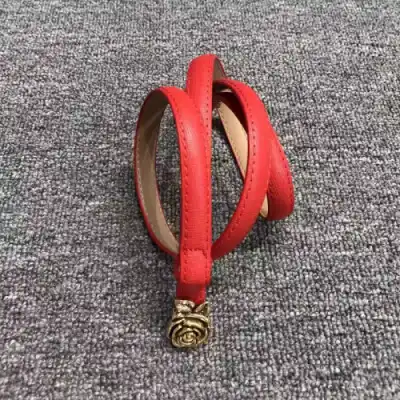
Fashion designers and brands spend a lot of money on metal belt buckles, especially decorative ones like rose belt buckle designs. Preventing rust from forming on these complex hardware items makes sure that the Products last longer, protects the brand's image, and increases customer happiness. It is very important to know how to keep zinc alloy buckles from rusting when working with painted finishes in coffee and taupe colors, weighing about 9.4 grams, and having 15mm inner measurements made just for lady belt uses.
Understanding Rust Formation on Metal Belt Buckles
Electrochemical processes happen when metal surfaces combine with air, water, and other corrosive substances in the world. This rusting process has different effects on different materials, so choosing the right material is very important for long-term resilience.
Chemical Mechanisms Behind Corrosion
Galvanic rusting happens in zinc metal buckles that are in damp places. The protective oxide layer that forms naturally on zinc surfaces gives it some initial protection, but when it is exposed to water for a long time, it gets through painted coats and makes conditions for rust to form. Changes in temperature speed up this process by causing rounds of expansion and contraction that weaken the surface.
Corrosion rates are greatly affected by environmental factors. Coastal areas with salty air, industrial areas with chemical pollution, and muggy temperatures all make it harder to keep metal gear in good shape. When B2B buyers know about these factors, they can make smart choices about keeping and protection methods.
Material Susceptibility Variations
Different metals have different amounts of resistance to corrosion. Compositions of zinc alloys that contain aluminum and magnesium are better at resisting corrosion than compositions of pure zinc. The finished product's resistance to environmental decline is directly affected by its grain structure, surface porosity, and the methods used to make it.
Quality production standards are very important in figuring out how likely something is to rust. Using the right metal ratios, precisely controlling the temperature during casting, and consistent cooling processes all work together to make structures that are thick, even, and don't let water in. In the competitive hardware market, these things set high-end sellers apart from standard makers.
Proven Methods to Protect Rose Belt Buckles from Rust
The latest anti-rust treatments go beyond the old ways of doing things. They use advanced surface engineering technologies that protect better while still looking good.
Advanced Surface Treatment Technologies
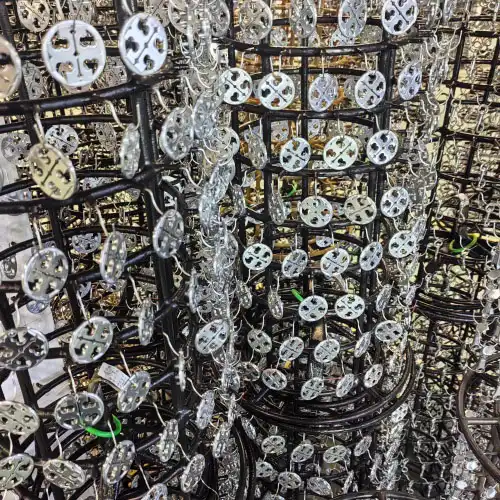
During electroplating, safe metals layers are formed that block corrosive substances. For these processes, chemical baths are carefully controlled so that ions cover buckle surfaces evenly and make thick, stick-on coatings. Corrosion resistance and visual appeal keeping are directly related to the quality of the electroplating.
Physical Vapor Deposition is the most advanced way to protect yourself. This vacuum-based process puts down thin, very sticky films that last a very long time while keeping all the fine details of the pattern. When it comes to high-wear areas that are constantly subjected to mechanical stress, PVD solutions work better than traditional painting methods.
Multi-layer covering methods use more than one type of protection to work better. Base layers help with bonding and resistance to rust. Topcoats improve the look of the paint and provide extra protection against the environment. These all-around methods make sure that rose belt buckle designs keep looking good even after long periods of use.
Maintenance and Care Protocols
Structured repair routines make gear last a lot longer. Cleaning regularly with mild soaps gets rid of built-up dirt and grime that could damage protected layers. By staying away from strong chemicals and rough cleaning products, you can protect the surface and keep up with beauty standards.
Corrosive surroundings are kept to a minimum by storing things in the right way. The best conditions for preservation are climate-controlled buildings with controlled humidity levels, enough air flow, and protective packing materials. These habits are especially helpful for keeping track of goods and storing things for a long time.
Choosing the Best Metal for Rose Belt Buckles to Minimize Rust Risks
Choosing the right materials is the first step in making rust prevention plans work. Each type of metal has its own pros and cons that must be weighed against the needs of the application and the available budget.
Comparative Metal Performance Analysis
Stainless steel offers exceptional corrosion resistance through chromium content that forms protective oxide layers. But because it's expensive and heavy, it might not be able to be used in ornamental hardware where zinc alloy options are better value for money. It is better to use the 316L grade in saltwater settings, while the 304 grade is better for most other uses.
When properly treated, zinc metal formulations have good casting qualities that let you make detailed designs. They also have some corrosion resistance. These materials are good at taking different finishing processes, which gives you the freedom to make changes that meet your unique aesthetic needs. Modern zinc metals have rust inhibitors built in that make them work better without making the price much higher.
Copper and zinc in brass mix together to make surfaces that are naturally antibacterial and build up protective patina layers over time. These qualities make brass perfect for uses where long-term reliability is more important than how it looks at first. On the other hand, brass needs to be maintained in a certain way to keep its good looks.
Manufacturing Quality Indicators
The uniformity of the alloy's makeup has a direct effect on how well it resists corrosion. Reputable manufacturers maintain strict quality control protocols ensuring precise elemental ratios throughout production runs. These standards keep finished goods from having weak spots that could cause rust failure before it's time.
The quality of the surface finish is a good way to tell what the general production standards are. Coatings that are consistently applied to smooth, regular surfaces show that the process was controlled correctly and that attention to detail was paid. These traits are linked to better long-term success and higher customer happiness.
Procurement Insights for Rust-Resistant Rose Belt Buckles
For strategic sourcing to work, you need to work with makers that have strong quality assurance methods and a deep understanding of anti-corrosion technologies.
Supplier Evaluation Criteria
A test of a manufacturer's skills should check the size of the building, the level of sophistication of the equipment, and the production capacity. Operations that cover 4,500 square meters, have more than 100 skilled production units, and can make 30 million pieces a year show a strong dedication to quality and dependability. In-house electroplating tools make sure that quality standards are always met and that the process is under control.
Validation of certifications is an objective way to show that quality control systems work. Certifications like ISO9001, SGS, SMETA, and Sedex show that a company follows foreign rules and wants to keep getting better. When working with high-end companies that have strict quality standards, these qualifications become even more important.
Evaluating technical knowledge means looking at things like design skills, customization choices, and problem-solving experience. Suppliers that offer OEM/ODM services and full design help can keep up with changing market needs while still keeping high quality standards. This freedom is helpful for brands that want to stand out by designing their own gear.
Customization and Scalability Considerations
The ability to customize products lets brands stand out while meeting the needs of specific applications. The flexibility to change sizes, colors, and surface treatments based on customer needs gives a business an edge in many different types of markets. Knowing the minimum order amounts and wait times can help you handle your inventory and cash flow better.
Throughout the production cycle, quality inspection steps make sure that the result always meets the requirements. Thorough testing procedures, such as tensile strength, impact resistance, and lifetime checks, make sure that the product works well before it is shipped. These steps help protect the brand's image and cut down on problems that happen after the sale.
Styling and Functional Tips to Maximize Lifespan and Appeal of Rose Belt Buckles
Taking both looks and durability into account when making goods makes them that meet both standards for how they look and how well they work.
Design Optimization Strategies
In some cultures, rose belt buckle are a sign of grace, femininity, and timeless beauty. Adding these symbolic elements while keeping the structure's purity requires a careful balance between the needs of the structure and the needs of art. Long-lasting sturdiness is ensured by distributing weight evenly and avoiding stress concentration. This is done without affecting the visual effect.
Size maximization means making sure that the buckle's measurements are right for the belt widths and users that you want to reach. The inner diameter of 15mm fits common belt setups and makes attachment safe. Weight affects how comfortable the person is and how good they think the product is. The 9.4-gram specification is the best mix between substance and usefulness.
Choosing the right color affects both how it looks and how much upkeep it needs. Coffee and brown finishes are versatile and can go with a lot of different clothes. They are also useful because they hide small signs of wear. These bland tones go well with a wide range of leather colors and keep a professional look even after long periods of use.
User Education and Care Guidelines
The right way to handle things keeps them looking good and working well. Using soft cloths and mild cleaning solutions for gentle cleaning gets rid of built-up dirt and grime without harming protected layers. When changing belts, not using too much force keeps the machine from being stressed, which could damage the connection systems.
Some of the best places to store things are in a dry, temperature-controlled area out of direct sunlight and away from chemicals. Protective packaging keeps things from getting scratched while they're being shipped or stored. These habits are especially useful for keeping track of goods and setting up displays in stores, where the way things look has a direct effect on how many sales they make.
Conclusion
To keep rose belt buckle hardware from rusting, you need to use a variety of methods, such as choosing the right materials, applying improved surface treatments, and following the right upkeep procedures. When bought from reliable companies that follow strict quality standards, zinc alloy buckles with good electroplating and painting finishes last a long time. To be successful, you need to work with providers who know about anti-corrosion technologies and can show that their quality is stable by having the right certifications and a track record. Investing in better materials and processes pays off in the long run by lowering warranty claims, making customers happier, and improving the brand's image in competitive markets.
Partner with Carol for Premium Rose Belt Buckle Solutions
Carol Hardware specializes in manufacturing high-quality, rust-resistant rose belt buckle designs that meet strict international standards. Our comprehensive approach combines advanced electroplating technologies, rigorous quality control, and customization capabilities to deliver superior products for luxury brands and fashion manufacturers. With ISO9001 and SGS certifications, plus proven experience serving high-end markets globally, we understand the critical importance of corrosion resistance in maintaining brand reputation. Contact tony@carolxiao.com to explore our extensive catalog of rust-resistant rose belt buckle manufacturer solutions and discover how our expertise can enhance your product offerings.
FAQ
How often should metal belt buckles be cleaned to prevent rust?
Regular cleaning every 2-3 weeks using mild soap and soft cloths effectively removes contaminants that could compromise protective coatings. More frequent cleaning may be necessary in humid or polluted environments where exposure to corrosive elements increases.
Can rust-damaged buckles be restored to original condition?
Minor surface oxidation can often be addressed through professional refinishing services, but extensive rust damage typically requires complete replacement. Prevention through proper care and quality initial selection proves more cost-effective than restoration attempts.
What metal choice offers the best rust resistance for decorative buckles?
Stainless steel provides superior corrosion resistance, while properly treated zinc alloy offers excellent value balancing durability, cost, and design flexibility. The optimal choice depends on specific application requirements, budget constraints, and aesthetic preferences.
Do painted finishes provide adequate rust protection?
Quality painted finishes offer good protection when applied over proper base treatments, but they require careful maintenance to preserve integrity. Multi-layer systems combining base treatments with topcoats deliver superior performance compared to single-layer applications.
References
1. Materials Science and Engineering: An Introduction to Corrosion and Degradation of Metals, 10th Edition, Callister & Rethwisch
2. ASM Handbook Volume 13: Corrosion: Fundamentals, Testing, and Protection, ASM International
3. Electroplating: Basic Principles, Processes and Practice, Schlesinger & Paunovic
4. Zinc and Zinc Alloys: Properties, Processing and Applications, Porter & Goodway
5. Surface Engineering for Corrosion and Wear Resistance, Davis & Associates
6. Quality Control in Electroplating: A Comprehensive Guide, Federation of Societies for Coatings Technology