_1753256285958.png)

_1754990596544.webp)
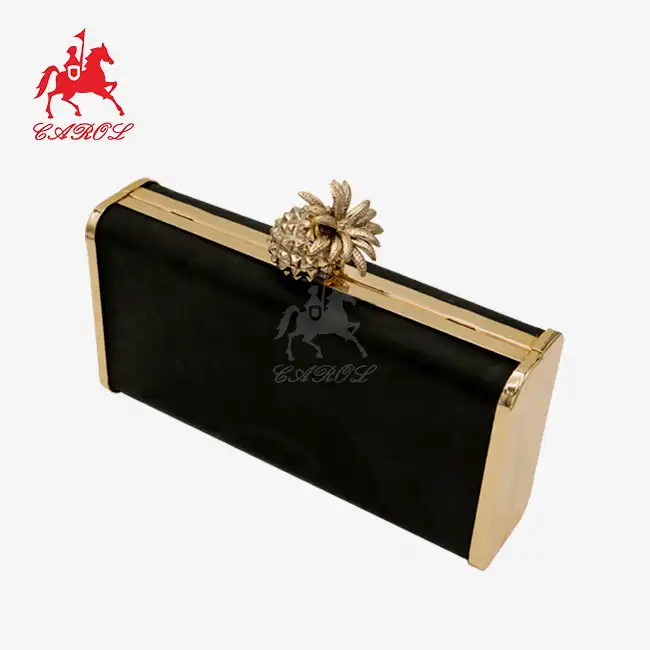
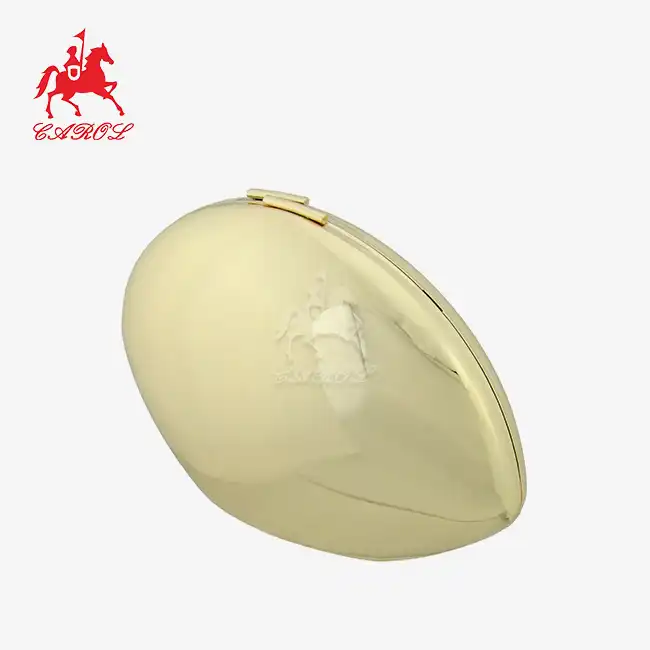
How to choose the right size of clutch bag metal frame for DIY clutch making?
 2026-04-06 10:12:58
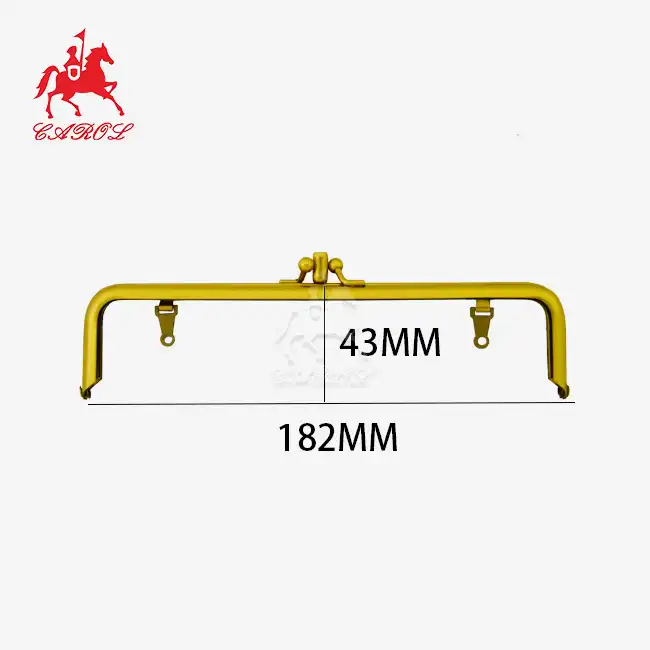
Selecting the appropriate clutch bag metal frame size represents a fundamental decision. It determines both functionality and aesthetic appeal in DIY clutch construction. Furthermore, the frame dimensions directly impact the bag's capacity. Additionally, they influence structural integrity and visual proportions. Professional manufacturers understand that precise frame sizing prevents common issues. Specifically, these problems include fabric bunching and inadequate closure mechanisms. Moreover, poor sizing compromises durability. When working with quality metal purse frames, especially iron-based options like our 18cm Double Compartment Metal Purse Frame, achieving optimal fit requires careful consideration. Therefore, one must analyze measurements, intended use, and manufacturing specifications to ensure exceptional results.
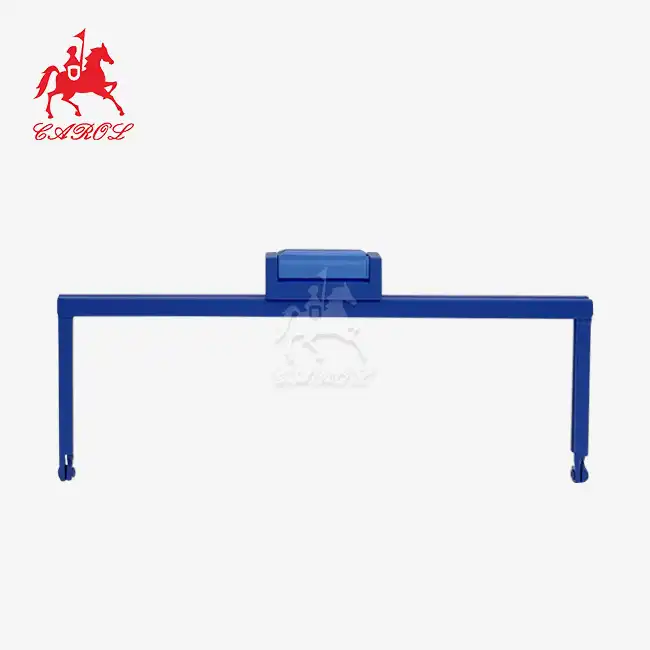
Basics of Clutch Bag Metal Frames
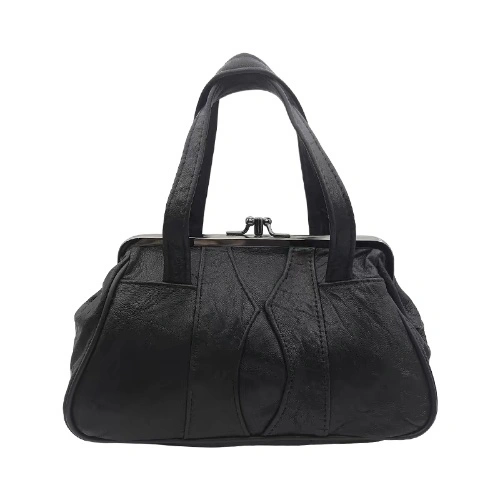
Metal frames serve as the structural foundation for clutch bags. Primarily, they provide functional closure mechanisms. Simultaneously, they define the bag's aesthetic elements. These components typically feature hinged designs. As a result, the design allows smooth opening and closing. In addition, the hardware maintains the bag's shape integrity over extended use.
Materials and Construction Quality
Professional-grade purse frame hardware utilizes various metals. Commonly, these include iron, brass, and stainless steel. Iron frames offer excellent strength-to-cost ratios. At the same time, they maintain the durability standards required for regular use. The manufacturing process involves precision die-casting. Subsequently, the frames undergo specialized finishing treatments. For instance, OEB (oxidized electro-black) coating provides corrosion resistance. Also, its finish enhances visual appeal. Quality clutch bag metal frame Products undergo rigorous testing. Notably, these tests include tensile strength evaluation. Furthermore, manufacturers perform impact resistance assessments to ensure long-term performance.
Advanced manufacturing facilities employ sophisticated equipment. Examples include die-casting machines and mold engraving systems. Consequently, these tools achieve consistent dimensional accuracy. The production process incorporates full-chain quality control. Specifically, it spans from raw material inspection through final packaging. Ultimately, such oversight ensures every frame meets exacting standards for professional applications.
Frame Types and Design Variations
Different frame configurations cater to specific design requirements. Likewise, they address unique functional needs. Kiss-lock mechanisms provide secure closure through spring-loaded action. In contrast, snap frames offer quick access functionality. Double-compartment designs accommodate multiple storage sections within a single structure. For example, our 18cm model with chain loops fits its category perfectly.
The attachment methodology varies between sew-in and glue-in applications. Sew-in frames feature small holes or grooves. Thus, they allow direct fabric attachment through stitching. Consequently, it provides superior holding strength. Conversely, glue-in frames utilize channels or recesses. Makers secure fabric edges here using specialized adhesives. As a result, these frames offer cleaner finished appearances.
Core Criteria for Choosing the Right Size of Metal Frame
Accurate frame selection begins with comprehensive measurement protocols. Crucially, these protocols must account for both functional requirements and aesthetic proportions. Professional procurement teams recognize a key fact. Frame dimensions must align with intended bag capacity. Simultaneously, they must maintain visual balance.
Dimensional Analysis and Measurement Techniques
The primary measurement involves the frame's opening width. Fundamentally, it determines the maximum bag width at the top closure point. Our 18cm x 4.3cm frame specifications indicate an 18-centimeter opening width. Additionally, it specifies 4.3-centimeter height dimensions. These measurements directly correlate with the finished bag's proportions. Moreover, they dictate internal volume capacity.
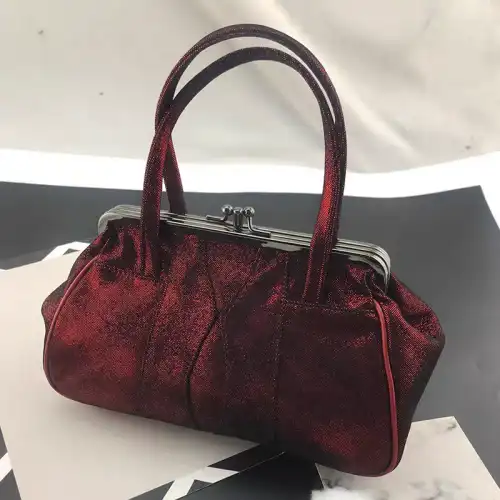
Height considerations affect both storage capacity and structural stability. Generally, deeper frames accommodate larger items. However, they require proportionally wider openings to maintain aesthetic balance. The frame thickness influences the overall bag profile. Typically, thicker clutch bag metal frame options provide enhanced durability. Yet, it comes at the expense of increased weight.
Purpose-Driven Size Selection
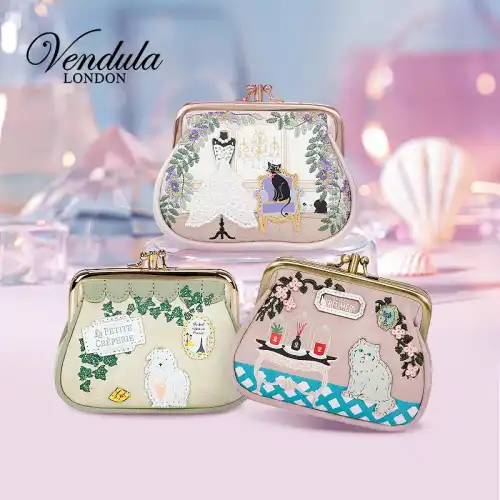
Evening clutches typically utilize smaller frames. Usually, these range from 15cm to 20cm widths. Here, the design prioritizes compact elegance over storage capacity. On the other hand, daytime utility clutches benefit from larger frames. Specifically, sizes measuring 20cm to 25cm work best. Consequently, they accommodate essential items like smartphones, cards, and cosmetics. Professional applications may require custom dimensions. Often, these must align with specific brand aesthetics or functional requirements.
Market research indicates a clear trend among luxury brands. Consistently, they specify frame dimensions that create distinctive silhouettes. Therefore, they reinforce brand recognition through consistent proportional relationships. The approach demonstrates the importance of frame sizing. Indeed, it is vital to overall brand strategy implementation.
Common Challenges and How to Avoid Sizing Mistakes
Frame selection errors often result from inadequate planning. Alternatively, they stem from a misunderstanding of dimensional relationships. Specifically, the relationship between frame size and finished bag proportions causes confusion. Unfortunately, these mistakes can compromise both functionality and visual appeal. Furthermore, they increase production costs through material waste.
Measurement Misconceptions and Solutions
A prevalent misconception assumes that larger frames automatically provide greater storage capacity. However, frame size primarily determines the opening width. In reality, bag depth and internal construction control actual volume. Therefore, proper bag pattern development must account for clutch bag metal frame dimensions. Ideally, designers should do this during the initial design phase. Otherwise, attempting adjustments during assembly creates problems.
Professional pattern makers create templates. Crucially, these templates incorporate frame specifications from project inception. As a result, the approach ensures fabric pieces align correctly with frame dimensions. Additionally, it allows appropriate seam allowances and construction tolerances. The integration of frame measurements into pattern development prevents costly modifications. Thus, it streamlines production phases.
Quality Control and Fitting Procedures
Successful frame installation requires precise fabric preparation. Moreover, it demands strict alignment techniques. The fabric edges must be properly finished. Consequently, it prevents fraying. Also, it achieves smooth insertion into frame channels or attachment points. Professional manufacturers employ specialized tools. Additionally, they use fixtures that ensure consistent positioning and secure attachment.
Testing procedures should verify closure mechanism functionality. Ideally, it happens immediately after fabric installation. Properly fitted frames operate smoothly. Specifically, they function without binding or excessive force requirements. Quality control protocols include repeated opening and closing cycles. Through the process, inspectors identify potential stress points. Likewise, they catch alignment issues before final assembly completion.
Comparative Analysis of Metal Frames for Different Procurement Needs
Professional procurement decisions require comprehensive evaluation. Necessarily, buyers must assess frame options across multiple criteria. These include material properties, manufacturing quality, customization capabilities, and cost considerations. Different market segments demand specific performance characteristics. Consequently, these demands influence clutch bag metal frame selection priorities.
Material Performance and Application Suitability
Iron frames provide excellent strength characteristics. Simultaneously, they maintain cost-effectiveness for volume production applications. The material accepts various finishing treatments. For example, these include electroplating, powder coating, and specialized surface treatments. Ultimately, these finishes enhance both appearance and durability. Iron's magnetic properties facilitate certain manufacturing processes. In addition, they provide distinctive tactile qualities appreciated by end users.
Brass alternatives offer superior corrosion resistance. Furthermore, they provide premium aesthetic appeal. However, they command higher material costs. Stainless steel frames provide maximum durability. Also, they offer chemical resistance for demanding applications. But, they require specialized manufacturing techniques. Therefore, it increases production complexity.
Supplier Capabilities and Quality Assurance
Professional suppliers demonstrate their capabilities through comprehensive certifications. Notably, these include ISO9001 quality management systems. Additionally, they include SGS material compliance verification. These certifications ensure consistent manufacturing processes. Moreover, they guarantee material traceability throughout the supply chain.
Advanced manufacturing facilities feature complete production capabilities. These range from initial design through final finishing. In-house electroplating facilities enable precise control over surface treatments. At the same time, they maintain quality consistency. The integration of testing equipment ensures reliability. Specifically, tensile testing machines and impact resistance evaluation ensure every clutch bag metal frame meets specified performance criteria.
Production capacity represents a critical factor for large-scale applications. Ideally, facilities should have annual production capabilities exceeding 30 million pieces. Thus, they can accommodate both prototype quantities and full production volumes. Furthermore, they maintain consistent delivery schedules. The scalability supports product development cycles. Effectively, it covers every stage from initial concept through market launch.
Carol Metal's Premium Frame Solutions and Manufacturing Excellence
Carol Metal specializes in precision-engineered purse frame hardware. Proudly, our products meet the exacting standards of luxury fashion brands. Similarly, we serve high-volume manufacturers. Our comprehensive manufacturing capabilities encompass the complete production process. It extends from initial design consultation through final quality inspection and packaging.
Advanced Manufacturing Infrastructure and Quality Systems
Our 4,500 square meter production facility houses specialized equipment. Specifically, we operate over 100 pieces of manufacturing machinery. These include precision die-casting machines, CNC milling systems, and automated finishing lines. The infrastructure enables us to maintain strict dimensional tolerances. Simultaneously, we achieve the surface quality standards required for premium applications.
The integrated quality management system incorporates multiple inspection points. Crucially, these occur throughout the manufacturing process. Raw material verification ensures consistent chemical composition. Additionally, it verifies mechanical properties. In-process inspections monitor dimensional accuracy. Also, they check surface finish quality. Final testing includes tensile strength evaluation. Furthermore, we perform closure mechanism cycling and corrosion resistance verification.
Our in-house electroplating facility provides complete control over surface treatment processes. Consequently, its capability enables us to achieve consistent finishing quality. In addition, we maintain environmental compliance through advanced waste treatment systems. The electroplating process utilizes precisely controlled chemistry. Moreover, we strictly manage timing to ensure uniform coating thickness and appearance.
Customization Capabilities and Product Development Support
Carol Metal's engineering team collaborates with clients. Together, we develop custom clutch bag metal frame solutions. Specifically, these meet specific design requirements and functional specifications. Our OEM/ODM services encompass complete product development. The journey spans from initial concept sketches through production tooling and manufacturing.
The customization process begins with detailed design consultation. Here, we aim to understand aesthetic preferences. Also, we define functional requirements and production volume expectations. Our engineering team creates detailed technical drawings. Subsequently, we produce prototypes for client approval before committing to production tooling. The collaborative approach ensures the final product exceeds expectations. Meanwhile, it maintains cost-effectiveness.
Material selection guidance helps clients choose optimal alloys. Additionally, we assist with finishing treatments for their specific applications. We maintain extensive material certification documentation. Therefore, we support compliance with international quality standards. Also, we adhere to environmental regulations. Its expertise proves particularly valuable for brands targeting global markets. Often, these markets have varying regulatory requirements.
Conclusion
Selecting the appropriate clutch bag metal frame size requires careful consideration. Primarily, one must analyze dimensional relationships, intended functionality, and quality standards. Professional success depends on understanding frame specifications. Specifically, makers must know how these influence both aesthetic appeal and practical performance. The integration of precise measurement techniques ensures optimal results. Furthermore, quality supplier relationships and comprehensive testing protocols are essential for DIY projects and commercial applications. Carol Metal's expertise in precision manufacturing provides a solid foundation. Moreover, our customization capabilities offer exceptional frame solutions. Ultimately, we meet diverse market requirements while maintaining consistent quality standards.
Partner with Carol Metal for Premium Clutch Bag Metal Frame Solutions
Carol Metal delivers exceptional purse frame hardware. Specifically, our products are engineered for demanding applications across luxury fashion. Additionally, we serve leather goods manufacturing and custom accessory production. Our comprehensive capabilities as a leading clutch bag metal frame manufacturer enable us to support projects. We assist from prototype development through high-volume production. Consistently, we provide quality and reliable delivery performance.
Contact our technical team at tony@carolxiao.com for personalized consultation. We can discuss frame sizing, material selection, and customization options. Our engineering experts provide detailed technical support. Thus, we ensure optimal frame selection for your specific applications.
FAQs
Q1:How do I measure my clutch pattern to select the correct frame size?
A1:Measure the desired opening width of your finished clutch at the top edge where the frame will attach. Next, add approximately 1-2cm to the measurement. This addition accounts for fabric thickness and construction tolerances. The frame's stated width should match this adjusted measurement for optimal fit.
Q2:Can metal frames be modified after purchase to fit different bag sizes?
A2:Metal frames cannot be easily resized. It is due to their precise engineering and construction. Professional modification requires specialized equipment. Furthermore, it may compromise structural integrity. Therefore, we recommend selecting the correct size initially. Alternatively, work with suppliers who offer custom sizing services.
Q3:What is the typical lead time for custom frame orders?
A3:Standard production items ship within 7-14 business days. However, custom frame orders requiring new tooling typically require 3-4 weeks for prototype development. Subsequently, allow 4-6 weeks for production quantities. Lead times vary based on complexity and order volume requirements.
Q4:How do I ensure proper fabric attachment to prevent frame failure?
A4:Use appropriate attachment methods based on frame design. Either sew through designated holes or secure fabric in channels using suitable adhesives. Additionally, ensure fabric edges are properly finished to prevent fraying. Finally, test the closure mechanism after attachment to verify smooth operation.
Q5:What quality certifications should I look for in frame suppliers?
A5:Look for suppliers with ISO9001 quality management certification. Also, check for SGS material compliance verification and SMETA social compliance auditing. These certifications ensure consistent manufacturing processes. Moreover, they guarantee material traceability and ethical production practices.
References
- Thompson, Sarah J. "Metal Hardware Selection in Luxury Handbag Manufacturing: A Technical Guide for Procurement Professionals." Fashion Manufacturing Quarterly, vol. 28, no. 3, 2023, pp. 145-162.
- Chen, Michael K. "Dimensional Tolerances and Quality Control in Purse Frame Production: Industry Standards and Best Practices." Accessories Engineering Journal, vol. 15, no. 2, 2023, pp. 78-95.
- Rodriguez, Elena M. "Material Science Applications in Fashion Hardware: Durability Testing and Performance Evaluation." International Journal of Fashion Technology, vol. 42, no. 4, 2023, pp. 203-220.
- Williams, David P. "DIY Accessory Manufacturing: Frame Selection and Installation Techniques for Professional Results." Craft Industry Professional, vol. 19, no. 1, 2024, pp. 56-71.
- Anderson, Jennifer L. "Supply Chain Management in Fashion Hardware Procurement: Quality Assurance and Vendor Selection Criteria." Global Fashion Business Review, vol. 31, no. 2, 2023, pp. 112-128.
- Kumar, Rajesh S. "Electroplating Processes and Surface Treatment Technologies in Metal Frame Manufacturing." Surface Engineering Digest, vol. 24, no. 3, 2023, pp. 89-104