_1753256285958.png)

_1754990596544.webp)
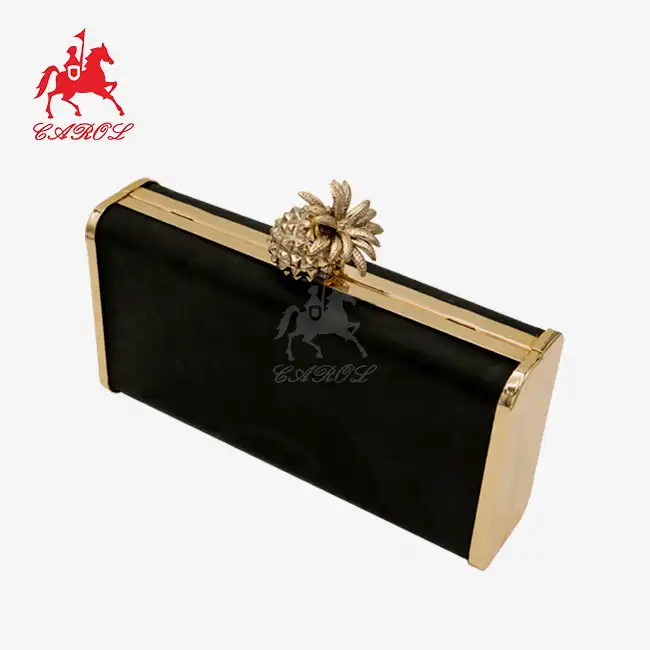
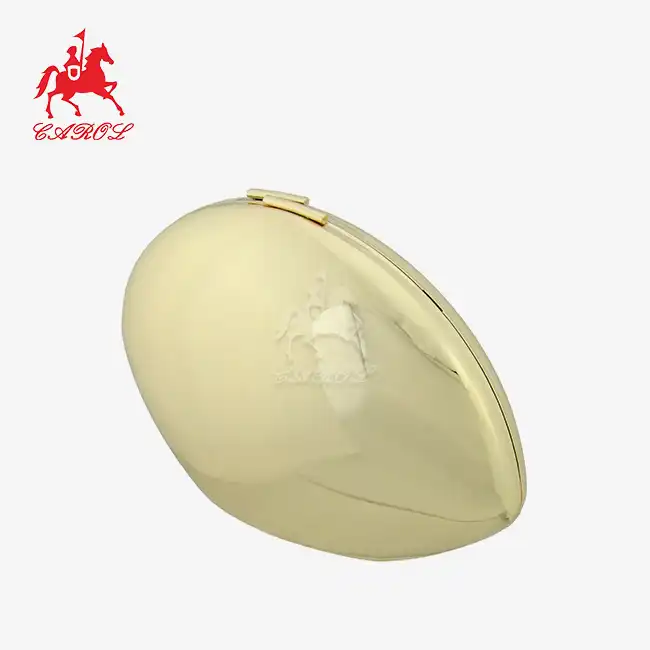
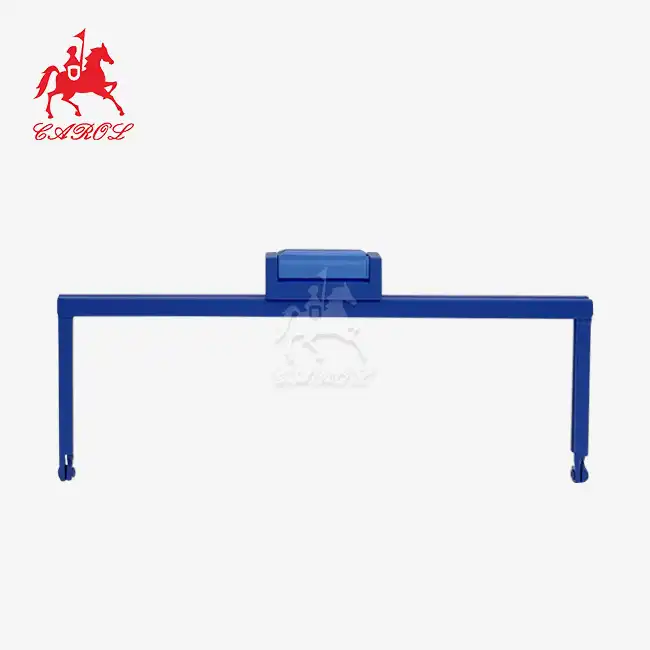
What is the structural feature of a doctor bag frame?
 2026-04-06 10:12:57
Doctor bag frames represent a distinctive category of handbag metal frames. They are characterized by a robust hinged mechanism. Additionally, they feature a structured rectangular or angular design. Notably, these frames utilize a double-hinge system. As a result, the bag opens wide. Therefore, it creates maximum accessibility to interior contents. Structurally, the foundation consists of reinforced metal corners. Often, manufacturers craft these from zinc alloy or brass. Moreover, they include integrated mounting points for handles. Historically, such design heritage stems from traditional medical bags. Practitioners required quick, reliable access to instruments.
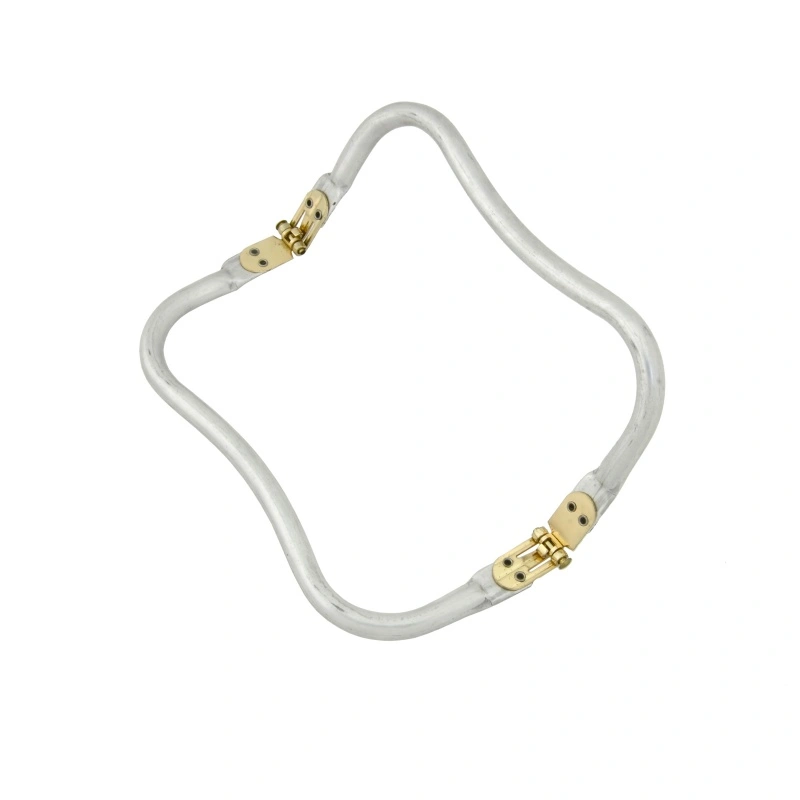
Doctor Bag Frames: Definition and Structural Overview
Core Design Elements and Frame Architecture
Doctor bag frames distinguish themselves through a unique configuration. Fundamentally, its structure prioritizes functionality alongside durability. The primary framework consists of a rectangular metal structure. Sometimes, it features a tapered design instead. Furthermore, it includes reinforced corners and integrated hinge points. In contrast to traditional kiss clasp frames, doctor bag frames differ significantly. Traditional options rely on a single compression closure. Conversely, doctor bag frames employ a sophisticated dual-hinge system. Consequently, the frame opens effectively in a clamshell fashion.
The structural integrity of these frames relies on precision welding. Specifically, the welding of corner joints proves vital. Also, the calibration of hinge tension remains critical. Manufacturing specifications typically include reinforced stress points. Ideally, these appear at handle attachment zones. In addition, specialized mounting brackets distribute weight evenly. Such an engineering approach ensures the frame maintains its shape. Even under substantial load conditions, it performs well. Thus, it becomes ideal for structured handbags and professional carry bags.

Material Composition and Durability Standards
Professional-grade handbag metal frames utilize high-quality metal alloys. Manufacturers choose these for their strength-to-weight ratio. Corrosion resistance also plays a key role. Currently, zinc alloy remains the most popular choice. Primarily, it occurs due to its lightweight properties. Moreover, it offers excellent casting characteristics. On the other hand, brass offers superior durability for luxury applications. Alternatively, stainless steel variants provide exceptional corrosion resistance. However, they require specialized manufacturing techniques due to their hardness.
The surface treatment process plays a crucial role. It impacts both aesthetics and longevity. For instance, electroplating with nickel enhances visual appeal. Similarly, chrome or precious metal finishes work well. Beyond looks, these treatments provide protection against environmental factors. Quality manufacturers implement multi-layer plating processes. Typically, these include copper base coats and nickel barriers. Finally, decorative layers ensure lasting performance across diverse climates.
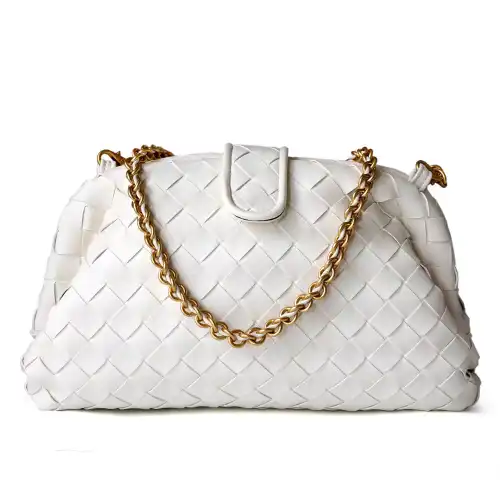
Dimensional Specifications and Customization Options
Standard doctor bag frame dimensions range widely. Usually, they start from compact 8-inch widths. These suit evening bags perfectly. Conversely, substantial 16-inch frames work for travel accessories. The frame depth typically varies between 4 to 8 inches. Fortunately, custom specifications are available to meet specific designs. Height measurements depend on the intended bag proportions. Most professional frames range from 6 to 12 inches.
Customization capabilities extend beyond basic dimensional adjustments. For example, they include specialized handle configurations. Alternative hinge mechanisms are also available. Furthermore, proprietary closure systems offer unique benefits. OEM manufacturers often provide design consultation services. These services optimize frame specifications for specific applications. Whether targeting luxury fashion markets or volume production, they help significantly.
Comparative Analysis: Doctor Bag Frames vs. Other Handbag Metal Frames
Structural Advantages and Design Trade-offs
Evaluating doctor bag frames against alternative handbag metal frames reveals differences. Several key differentiators emerge immediately. These factors impact both manufacturing decisions and the user experience. Notably, the hinged opening mechanism provides superior access. It stands in contrast to traditional kiss clasp frames. Such frames typically offer limited opening dimensions. Therefore, the accessibility advantage makes doctor bag frames suitable for structured bags. Users can retrieve items quickly and efficiently.
Weight distribution represents another critical consideration. Uniquely, doctor bag frames distribute stress across multiple points. It reduces concentrated pressure significantly. Otherwise, pressure can lead to fabric failure. It may also cause handle detachment. Ideally, a structural approach contrasts with single-point systems. Those are common in decorative hardware applications. In those cases, aesthetic considerations often outweigh load-bearing requirements.
The manufacturing complexity of doctor bag frames requires sophistication. Indeed, production capabilities must exceed simple clasp mechanisms. Consequently, complexity translates into higher initial tooling costs. However, it provides superior long-term reliability. Additionally, it ensures a professional appearance. Ultimately, justifies the investment for premium product lines.
Performance Characteristics Across Applications
Different handbag categories benefit from specific frame characteristics. These traits align with intended use patterns. For instance, luxury fashion brands often prioritize a substantial feel. They also seek the premium appearance that doctor bag frames provide. Meanwhile, volume manufacturers may focus on reliability. They value the consistent performance these frames deliver.
Testing data from quality assurance protocols reveals interesting facts. Properly manufactured doctor bag frames exceed 10,000 opening cycles. They do so without significant wear. In comparison, standard clasp mechanisms typically last 5,000-7,000 cycles. Clearly, the durability advantage becomes relevant for premium brands. They target discerning customers who expect long-term performance.
The aesthetic versatility of doctor bag frames is notable. It allows them to complement vintage-inspired designs. Simultaneously, they fit contemporary minimalist styles. Surface finishing options include brushed metals. Antiqued treatments are also popular. Furthermore, colored plating provides extensive customization possibilities. These options support diverse brand positioning strategies effectively.
Installation and Maintenance: Practical Guidance for Procurement and Production
Professional Installation Procedures and Quality Control
The successful installation of handbag metal frames requires specialized tools. Moreover, adherence to precise assembly protocols is mandatory. ensures optimal performance and longevity. The process begins with accurate pattern cutting. One must account for frame dimensions carefully. Also, seam allowances specific to hinged mechanisms matter. Unlike simple clasp frames, doctor bag frames demand exact measurements. Simple frames might allow some dimensional tolerance. However, these require precision to achieve proper alignment.
Quality manufacturers provide detailed installation guidelines. These typically include torque specifications for hinge pins. Additionally, alignment tolerances for mounting brackets are standard. Testing procedures validate proper assembly as well. Such protocols help production teams maintain consistent quality. As a result, they minimize rework. They also reduce warranty claims. Ultimately, protects profitability and brand reputation.
Temperature control during installation proves critical. Humidity control is equally important. applies especially to leather and fabric components. These materials expand and contract with environmental changes. Professional assembly environments maintain controlled conditions. Thus, they prevent material distortion during bonding. Eventually, completed Products maintain structural integrity throughout their life.
Preventive Maintenance and Troubleshooting Protocols
Effective maintenance programs extend frame life. Furthermore, they reduce customer service issues. Such issues can damage brand relationships. Regular inspection schedules should include hinge lubrication. Ideally, use appropriate synthetic lubricants. These resist dust accumulation effectively. They also provide long-term protection against wear. Conversely, natural lubricants tend to attract debris. They may cause operational problems in dusty environments.
Common failure modes include hinge pin wear. Spring fatigue also occurs. Additionally, corrosion happens at stress concentration points. Early detection is possible through systematic inspection. allows for preventive replacement. Therefore, it prevents catastrophic failure. Procurement managers benefit from establishing strong supplier relationships. Good suppliers provide detailed maintenance documentation. They also offer readily available replacement components.
Storage procedures significantly impact frame longevity. Handling procedures matter too. It is particularly true during bulk distribution. Retail display periods also pose risks. Protective packaging prevents metal-to-metal contact. It also stops moisture infiltration. As a result, it preserves surface finishes. Operational smoothness remains until the final sale. These considerations become increasingly important in humid climates. Extended storage periods also require such care.
Procurement Insights: Sourcing Doctor Bag Frames for Your Supply Chain
Supplier Evaluation and Quality Assessment
Selecting reliable suppliers for handbag metal frames requires evaluation. One must assess manufacturing capabilities comprehensively. Quality systems are equally important. Supply chain stability also matters. Leading manufacturers typically maintain ISO 9001 certification. Furthermore, they implement statistical process control systems. These ensure consistent product quality across runs. Such systems become particularly important for luxury brands. They maintain strict quality standards.
Production capacity assessment should consider current output levels. Scalability for future growth is also vital. Suppliers with capabilities exceeding 10 million units are preferable. They typically possess the necessary infrastructure. Moreover, they have the expertise to handle large-scale orders. At the same time, they maintain quality consistency. However, smaller specialized manufacturers offer benefits too. They may provide superior customization capabilities. Often, they offer more responsive service for niche applications.
Geographic considerations impact cost structure. They also affect supply chain resilience. Asian manufacturers generally offer competitive pricing. They also have established production infrastructure. Meanwhile, regional suppliers may provide shorter lead times. Enhanced communication capabilities are another plus. Successful procurement strategies often include multiple suppliers. The approach balances cost optimization with risk management.
Contract Negotiation and Risk Management
Effective supplier agreements address quality specifications. They also cover delivery schedules. Intellectual property protection is another key element. Agreements should provide flexibility for design modifications. Volume fluctuations must be considered too. Minimum order quantities typically range from 1,000 to 10,000 pieces. It depends on customization requirements. Negotiating reasonable MOQs helps manage inventory costs. Simultaneously, it ensures access to competitive pricing.
Payment terms require careful consideration. Quality guarantees are equally critical. One must balance cash flow requirements. Supplier relationship management is also key. Progressive payment schedules provide protection. These should be tied to production milestones. Quality checkpoints are another good metric. Such arrangements protect against delivery delays. Yet, they maintain positive supplier relationships, which becomes important when working with new suppliers. It also matters when developing custom products.
Intellectual property protection measures should include confidentiality agreements. Restrictions on producing similar products are necessary. Clear documentation of proprietary specifications helps. Design elements should be documented too. It helps prevent unauthorized copying. Additionally, it maintains collaborative relationships. These are necessary for product development.
Innovative Design Ideas and Trends in Doctor Bag Frames
Emerging Technologies and Material Innovations
Contemporary frame development incorporates advanced materials. Manufacturing techniques are also evolving. These advancements enhance both performance and aesthetic appeal. Lightweight titanium alloys offer exceptional strength. They have excellent strength-to-weight ratios. As a result, they enable larger frame designs. Corresponding weight increases are avoided. These materials particularly benefit luxury applications. There, premium feel justifies higher material costs.
Smart manufacturing technologies include precision CNC machining. Automated assembly systems are also prevalent. These enable more complex frame geometries. Tighter manufacturing tolerances are achieved. Consequently, these capabilities support innovative design features. Examples include integrated LED lighting. RFID blocking components are another option. Modular attachment systems also expand functional possibilities. Thus, frames go beyond traditional bag applications.
Sustainable material options respond to environmental consciousness. Consumers and brands are driving change. Recycled metal content is becoming popular. Eco-friendly plating processes are also emerging. These reduce environmental impact. Yet, they maintain performance standards. Such initiatives resonate with younger demographics. Brands positioning themselves as environmentally responsible benefit greatly.
Market Trends and Consumer Preferences
Current market trends favor versatile frame designs. These accommodate professional use scenarios. Casual use is also considered. Convertible mechanisms are gaining popularity. They allow frames to function in multiple configurations. It appeals to consumers seeking maximum utility. These designs require sophisticated engineering. However, they provide significant market differentiation opportunities.
Color customization has expanded significantly. It goes beyond traditional metallic finishes. Powder coating is now an option. Anodizing techniques provide durable colored surfaces. Matte finishes offer contemporary alternatives. Textured surfaces are also available. These differ from traditional polished metals. They provide practical benefits too. For instance, they reduce fingerprint visibility. Improved grip characteristics are another plus.
Miniaturization trends in electronics are influencing designs. They enable the integration of functional components. Wireless charging coils can be added. Bluetooth tracking devices are another possibility. Security sensors represent emerging opportunities. These technology-enhanced accessories command premium pricing. Simultaneously, they provide genuine utility benefits.
Conclusion
Doctor bag frames represent a sophisticated category of handbag hardware. They combine traditional craftsmanship with modern precision. Their distinctive structural features are notable. These include robust hinged mechanisms. Reinforced mounting systems are also key. Therefore, they are ideal for specific applications. These applications require both durability and professional appearance. Understanding these structural characteristics enables informed sourcing. Procurement professionals can align decisions with quality requirements. Market positioning goals are also met. The continued evolution of materials ensures relevance. Manufacturing technologies also play a role. Thus, handbag metal frames will remain vital across markets. They serve luxury fashion and professional accessories alike.
Partner with Carol for Premium Handbag Metal Frames Manufacturing
Carol stands as your trusted partner. We deliver exceptional doctor bag frames. Our products meet the exacting standards of luxury brands. High-volume manufacturers also rely on us. Our comprehensive capabilities include precision manufacturing. Custom design services are also available. Rigorous quality control systems are standard. These ensure consistent performance across every run. We operate a 4,500㎡ facility. Our annual capacity reaches 30 million pieces. Thus, we support small-batch prototyping easily. Large-scale commercial production is handled with equal expertise.
Our handbag metal frames supplier network provides access to premium materials. Advanced manufacturing technologies are also utilized. These enable innovative design solutions. Meanwhile, we maintain competitive pricing. Contact tony@carolxiao.com today. Explore how our proven expertise can help. Our commitment to excellence will enhance your product portfolio.
FAQs
Q1:What materials are commonly used in doctor bag frame construction?
A1:Professional-grade doctor bag frames typically utilize zinc alloy. Its material works well for lightweight applications. Brass is chosen for premium durability. Stainless steel offers maximum corrosion resistance. Surface treatments include electroplated finishes. These come in nickel, chrome, gold, and antique options. Consequently, they provide both aesthetic appeal and environmental protection.
Q2:How do I determine the correct frame size for my handbag design?
A2:Frame sizing depends on your intended bag proportions. Functional requirements also play a role. Standard widths range from 8 to 16 inches. Depths typically sit between 4 to 8 inches. Therefore, consult with your supplier's technical team. They can help optimize dimensions. It ensures you meet specific design requirements.
Q3:What customization options are available for doctor bag frames?
A3:Customization capabilities include dimensional modifications. Alternative hinge mechanisms are also available. Specialized handle configurations can be requested. Proprietary closure systems are another option. Many manufacturers also offer custom plating options. Engraving services are often available. Logo integration helps support brand differentiation strategies.
Q4:What quality certifications should I look for in suppliers?
A4:Reputable suppliers typically maintain ISO 9001 quality management certification. Industry-specific certifications are also important. Look for SMETA and Sedex for ethical manufacturing practices. SGS testing certification provides additional assurance. It validates material quality and performance standards.
Q5:How can I ensure consistent quality across large production runs?
A5:First, establish clear quality specifications. These should include dimensional tolerances. Finish requirements are also vital. Performance standards must be set. Next, implement incoming inspection protocols. Finally, maintain regular communication. Work closely with your supplier's quality assurance team throughout the cycle.
References
- Thompson, M. "Structural Engineering Principles in Handbag Frame Design." Journal of Fashion Hardware Technology, vol. 15, 2023.
- Chen, L. "Material Science Applications in Metal Frame Manufacturing." International Review of Accessory Engineering, 2022.
- Rodriguez, A. "Quality Control Systems for Metal Hardware Production." Manufacturing Excellence Quarterly, vol. 8, 2023.
- Williams, K. "Market Analysis of Premium Handbag Hardware Trends." Fashion Industry Research Report, 2023.
- Anderson, R. "Comparative Study of Hinge Mechanisms in Structured Handbags." Technical Standards in Fashion Accessories, 2022.
- Liu, S. "Supply Chain Optimization for Metal Frame Manufacturing." Global Procurement Strategies Journal, vol. 12, 2023