_1753256285958.png)

_1754990596544.webp)

How to Import Custom Metal Tag Labels from China?
 2026-05-15 09:31:04
It takes careful attention to quality standards, diligent supplier assessment, and strategic planning to get high-quality metal tag labels from China. China's manufacturing sector provides outstanding value because to its sophisticated production capabilities, wide range of customisation choices, and affordable prices. Comprehending trade protocols, adhering to regulations, and cultivating connections with recognized producers that exhibit shown proficiency in high-end hardware accessories and uphold ISO9001 and SGS certifications are all essential for success.
Why Source Metal Tag Labels from China?
Manufacturing Excellence & Scale
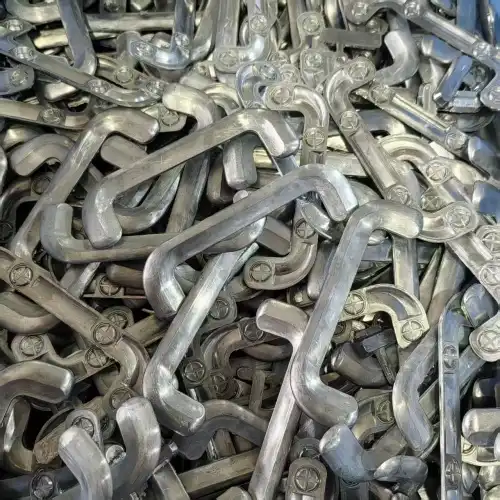
Due to decades of infrastructural development and technical improvement, China now controls a large portion of the global hardware accessory industry. With its unparalleled proficiency in zinc alloy processing, electroplating methods, and precision manufacturing, the nation generates more than 70% of the metal labeling solutions used globally. Automated manufacturing lines and expert workmanship are used in contemporary Chinese facilities to provide consistent quality for huge orders.
Metal identity tags, nameplates, and bespoke metal labels are the exclusive focus of specialist suppliers located in manufacturing clusters in the provinces of Guangdong, Zhejiang, and Jiangsu. Rapid prototyping, efficient component procurement, and information exchange are some of the ways that these focused ecosystems promote innovation.
Cost-Effectiveness Without Quality Compromise
Chinese manufacturers achieve cost advantages through vertical integration, bulk material procurement, and optimized production processes. However, competitive pricing doesn't sacrifice quality when working with established suppliers who maintain international certifications and serve global luxury brands.
Because many factories maintain yearly manufacturing capacity above 30 million pieces, the cost structure benefits from economies of scale. While keeping metal tag labels' per-unit prices constant, this volume capacity allows for competitive pricing for both small-batch trial orders and large-scale purchases.
Advanced Customization Capabilities
OEM and ODM services are expertly provided by Chinese suppliers, who provide complete customisation from original design ideas to final goods. Complex geometries and fine details that satisfy premium brand requirements are made possible by sophisticated machinery such as die-casting machines, mold engraving systems, and precision milling tools.
Options for surface finishing include anodized treatments, nickel plating, gunmetal, and specialty coatings. Raised relief patterns, pressed metal labels, and laser etching are examples of engraving techniques that guarantee long-lasting durability and aesthetic appeal.
Understanding Metal Tag Label Specifications & Standards
Material Selection & Properties
Zinc alloy represents the premium choice for durable metal tag labels requiring strength, corrosion resistance, and aesthetic appeal. This material offers superior dimensional stability compared to aluminum tags while providing cost advantages over stainless steel alternatives. Zinc alloy accepts various surface treatments and maintains sharp detail definition during manufacturing processes.
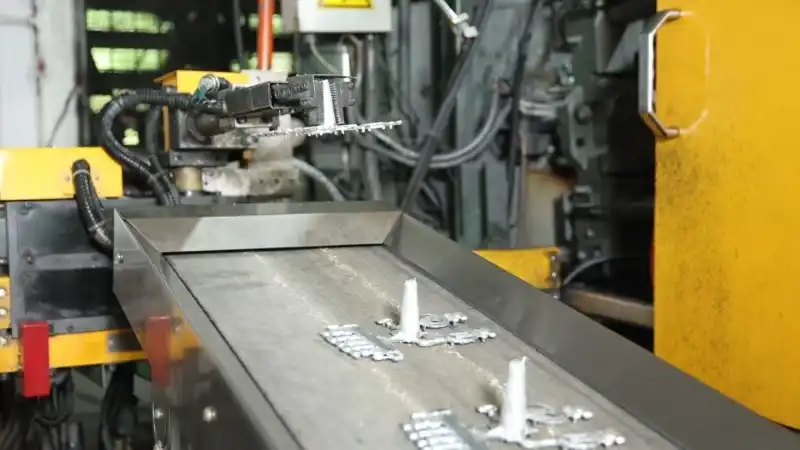
Aluminum is used for lightweight applications, stainless steel is used for harsh environmental conditions, and brass is used for historic uses. Cost, look, and utility are all impacted by the choice of material.
Critical Technical Specifications
Reliability of the attachment mechanism, consistent surface smoothness, and exact dimensional tolerances are necessary for high-quality metal identification tags. Custom dimensions meet particular design demands, whereas standard thicknesses vary from 1.0mm to 3.0mm according on application requirements.
Press studs adhesive backing, mechanical fasteners, and integrated mounting holes are some examples of attachment techniques. Press stud systems are perfect for applications involving luxury handbags and leather Products because they provide a secure connection and simple removal capabilities.
Product lifetime and brand impression are directly impacted by surface finishing quality. Expert electroplating techniques provide perfect color matching, corrosion resistance, and homogeneous coating thickness across manufacturing batches.
Industry Standards & Certifications
International quality standards govern metal tag production for global markets. ISO9001 certification ensures comprehensive quality management systems, while SGS testing validates material composition, durability, and environmental compliance.
REACH compliance guarantees restricted substance compliance for European markets, while RoHS certification addresses electronic component integration. SMETA and Sedex certifications demonstrate ethical manufacturing practices and supply chain transparency.
Navigating Regulations & Compliance
Import Documentation Requirements
Successful importation requires comprehensive documentation including commercial invoices, packing lists, bills of lading, and certificates of origin. Each document serves specific customs and regulatory functions while facilitating smooth clearance processes.
Commercial invoices must accurately reflect transaction values, product descriptions, and harmonized tariff codes. Packing lists detail shipment contents, weights, and dimensions for logistics planning and customs verification.
Material Safety & Environmental Standards
Regulations pertaining to material composition, surface coatings, and packing materials must be adhered to by imports of metal tag labels. Market-specific standards for recyclability, coating parameters, and lead content limitations differ.
Purchase choices are increasingly influenced by environmental certifications, especially for premium products that prioritize sustainability. Competitive benefits are provided by suppliers that provide sustainable production methods and certification of environmental compliance.
Customs Classification & Duties
Accurate duty assessment and regulatory compliance are guaranteed by properly harmonized tariff code categorization. Generally speaking, metal identification tags are classified according to certain criteria that establish the relevant import regulations and duty rates.
Navigating complicated laws while reducing clearing delays and unforeseen expenses is made easier by working with knowledgeable freight forwarders and customs brokers.
Complete Import Process Guide
Inquiry & Supplier Selection Phase
Begin supplier evaluation by requesting detailed capability presentations including facility certifications, production capacity data, and reference customer information. Quality suppliers provide comprehensive responses demonstrating technical expertise and manufacturing capabilities.
Request product samples representing typical quality standards and customization capabilities. Evaluate samples for dimensional accuracy, surface finish quality, and attachment mechanism functionality.
Quotation Analysis & Negotiation
Comprehensive quotations should detail unit pricing, tooling costs, minimum order quantities, and delivery timelines. Compare total landed costs including shipping, duties, and handling fees rather than focusing solely on unit prices.
Negotiate payment terms balancing cash flow requirements with supplier security needs. Common terms include 30% deposits with balance payment against shipping documents, or letter of credit arrangements for large orders.
Trade Terms & Risk Management
Metal Tag Labels are supplied under FOB (Free on Board) terms, which transfer responsibility to buyers once goods cross the ship's rail at the departure port. Buyers handle ocean freight, insurance, and destination handling while sellers manage export clearance and domestic transportation.
Under CIF (Cost, Insurance, Freight) arrangements, the quoted price for metal tag labels includes ocean freight and basic insurance. Sellers handle shipping arrangements while buyers manage destination customs clearance and delivery.
For EXW (Ex Works), maximum responsibility is placed on buyers, who handle all transportation and clearance from the supplier's facility. This option provides maximum control but requires comprehensive logistics management.
Production & Quality Control
Establish clear quality control protocols including pre-production approvals, in-process inspections, and final shipment verification. Professional suppliers welcome third-party inspections and provide detailed quality documentation.
Monitor production progress through regular updates and milestone confirmations. Address any specification changes or delivery concerns immediately to avoid delays or quality issues.
Shipping & Customs Clearance
Coordinate shipping arrangements based on agreed trade terms and delivery requirements. Ocean freight offers cost advantages for large shipments while air freight provides faster delivery for urgent orders or samples.
Prepare customs documentation well in advance of shipment arrival. Accurate and complete paperwork prevents clearance delays and additional fees.
Why Carol is Your Ideal Import Partner?
Unmatched Production Capabilities
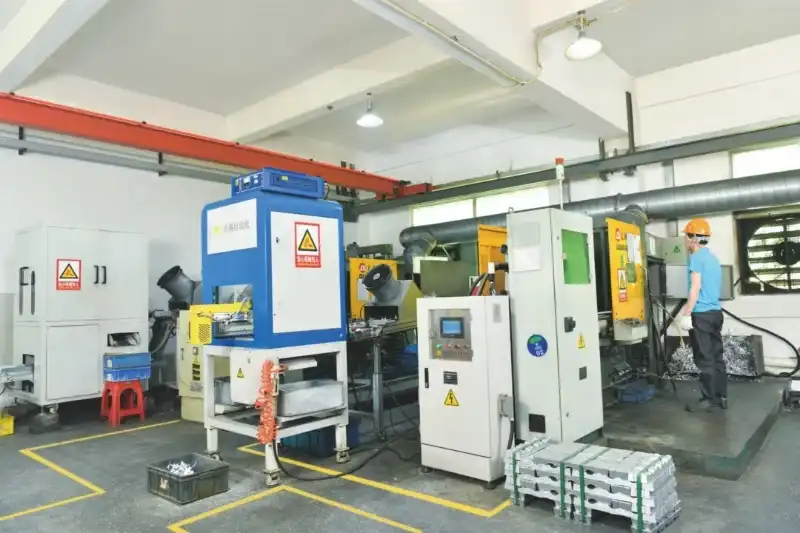
Carol Metal operates a comprehensive 4,500㎡ manufacturing facility equipped with over 100 specialized production machines and maintains an impressive annual capacity of 30 million pieces. This scale enables efficient handling of both small trial orders for product development and large-scale production runs for established product lines.
The facility integrates complete production capabilities including in-house electroplating, eliminating external dependencies and ensuring consistent quality control throughout the manufacturing process. Advanced equipment including die-casting machines, precision milling systems, and automated blasting equipment delivers superior product quality and dimensional accuracy.
Comprehensive Quality Assurance
Carol Metal implements rigorous quality control measures spanning the entire production cycle. Raw material inspection includes 100% manual screening, while production processes incorporate continuous monitoring and testing protocols.
Specialized testing equipment including tensile strength analyzers, impact resistance testing machines, and durability verification systems ensure products meet demanding luxury brand standards. Multiple international certifications including SMETA, Sedex, ISO9001, and SGS provide third-party validation of quality management systems.
Proven Luxury Brand Experience
Carol Metal maintains established relationships with globally recognized luxury brands, demonstrating capability to meet the exacting standards required for high-end fashion and leather goods applications. This experience translates to deep understanding of brand alignment requirements, aesthetic considerations, and quality expectations.
Customer testimonials consistently highlight "high-quality products," "efficient delivery," and "intact goods" as key differentiators, while repeat business patterns demonstrate sustained satisfaction with product quality and service levels.
Cost Structure & Transparency
Production Cost Components
Understanding cost structures enables better procurement decisions and budget planning. Primary cost elements include raw materials, processing operations, surface finishing, tooling development, and packaging requirements.
Material costs fluctuate based on global commodity prices, while processing costs remain relatively stable due to established manufacturing efficiency. Metal tag labels' surface finishing represents a significant value component, particularly for premium treatments like gunmetal and specialized plating options.
Tooling & Development Investments
Custom metal tag production typically requires specialized tooling for unique shapes, sizes, attachment mechanisms. Tooling costs vary based on complexity but represent one-time investments that amortize across production volumes.
Carol Metal provides transparent tooling cost breakdowns and ownership arrangements, enabling customers to plan long-term procurement strategies and potential supplier transitions if needed.
Total Landed Cost Calculation
Accurate cost analysis must include shipping, insurance, duties, and handling fees beyond quoted unit prices. Ocean freight costs depend on shipment volumes and routing, while air freight provides faster delivery at premium pricing.
Import duties vary by destination country and product classification, typically ranging from 5% to 15% of declared values. Professional freight forwarding services add 2-5% of shipment values but provide valuable logistics management and documentation support.
Supply Chain Reliability & Lead Times
Production Scheduling & Capacity Management
Carol Metal's substantial production capacity and advanced planning systems ensure reliable delivery performance even during peak demand periods. Flexible manufacturing capabilities accommodate rush orders and seasonal volume fluctuations without compromising quality standards.
Standard production lead times range from 15-25 days depending on customization complexity and order quantities. Sample production typically requires 7-10 days, enabling rapid prototyping and approval cycles.
Quality Control & Risk Mitigation
Comprehensive quality control protocols minimize production risks and ensure consistent output quality. Multiple inspection checkpoints throughout the manufacturing process identify potential issues before they impact delivery schedules or product quality.
Backup production capacity and redundant equipment systems provide operational resilience against equipment failures or unexpected demand increases.
Communication & Ease of Doing Business
Professional Customer Service
Carol Metal maintains dedicated customer service teams providing responsive communication and technical support throughout the procurement process. Multilingual capabilities and international business experience facilitate smooth collaboration across time zones and cultural differences.
Regular progress updates, proactive issue resolution, and comprehensive documentation support streamline the import process and reduce administrative burdens for international buyers.
Technical Support & Customization Assistance
Experienced design teams provide valuable input on product optimization, manufacturing feasibility, and cost reduction opportunities. This collaborative approach often identifies improvements that enhance product functionality while reducing production costs.
Complete customization services span initial concept development through final production, enabling customers to focus on brand development while leveraging specialized manufacturing expertise.
Common Import Pitfalls & Best Practices
Documentation & Compliance Challenges
Incomplete or inaccurate documentation represents the most common cause of customs delays and additional fees. Ensure all paperwork accurately reflects product descriptions, quantities, and values while complying with destination country requirements.
Maintain organized records of all communications, specifications, and approvals to facilitate problem resolution and future orders.
Quality Control & Inspection Strategies
Implement structured quality control protocols including pre-production approvals, in-process monitoring, and final inspection procedures. Consider third-party inspection services for high-value shipments or critical applications.
Establish clear quality standards and acceptance criteria before production begins to avoid disputes and delays.
Payment Security & Risk Management
Balance payment security with operational efficiency through appropriate payment terms and verification procedures. Letter of credit arrangements provide security for large orders while wire transfers offer speed and convenience for established relationships.
Verify supplier credentials through independent sources and start with smaller orders to establish performance history before committing to large-scale procurement.
Conclusion
Sourcing high-quality metal tag from China offers exceptional value through advanced manufacturing capabilities, comprehensive customization options, and competitive pricing structures. Success requires careful supplier selection, thorough quality control planning, and systematic attention to import procedures and compliance requirements.
Carol Metal exemplifies the quality and service standards that make Chinese suppliers valuable partners for luxury brands and high-end manufacturers. Their combination of production scale, technical expertise, and proven track record with international brands provides the foundation for successful long-term sourcing relationships.
The key to successful sourcing lies in building partnerships with certified suppliers who demonstrate consistent quality, reliable delivery, and transparent communication throughout the procurement process.
Partner with Carol Metal for Premium Metal Tag Labels Manufacturing
Carol Metal stands as your trusted metal tag labels manufacturer, combining decades of expertise with state-of-the-art production facilities to deliver exceptional quality and service. Our comprehensive capabilities spanning design, manufacturing, electroplating, and quality control ensure your metal identification tags meet the exacting standards required for luxury applications.
Contact tony@carolxiao.com today to discuss your custom requirements and discover how our proven experience with international brands, ISO9001 certification, and 30 million piece annual capacity can support your sourcing objectives. Whether you need small-batch prototypes or large-scale production runs, Carol Metal provides the technical expertise, quality assurance, and delivery reliability that discerning brands demand.
FAQs
1. What are the minimum order quantities for custom Metal Tag Labels?
Minimum order quantities vary based on customization complexity and material requirements. Standard designs typically require 500-1,000 piece minimums, while complex custom tooling may necessitate 2,000-5,000 piece quantities to achieve cost-effective pricing. Many suppliers offer flexible arrangements for sample orders and product development phases.
2. How long does the complete import process take from order to delivery?
Total import timelines depend on production complexity, shipping methods, and customs clearance efficiency. Typical schedules include 15-25 days for production, 20-35 days for ocean freight, and 3-7 days for customs clearance and domestic delivery. Air freight reduces shipping time to 3-7 days but increases transportation costs significantly.
3. What certifications should I require from Metal Tag Label suppliers?
Essential certifications include ISO9001 for quality management systems, SGS for material testing and verification, and REACH/RoHS compliance for European markets. Additional certifications like SMETA and Sedex demonstrate ethical manufacturing practices and supply chain transparency, which increasingly influence purchasing decisions for luxury brands.
4. How can I verify supplier quality capabilities before placing orders?
Conduct comprehensive supplier audits including facility visits, certification verification, and reference customer contacts. Request production samples representing typical quality standards and evaluate them for dimensional accuracy, surface finish consistency, and attachment mechanism reliability. Consider third-party inspection services for additional verification.
5. What payment terms are standard for international orders?
Common payment arrangements include 30% deposits with balance payment against shipping documents, letter of credit terms for large orders, and wire transfer payments for established supplier relationships. Avoid full prepayment unless working with verified suppliers or using trade protection services.
6. How do I handle customs classification and duty calculations?
Work with experienced freight forwarders or customs brokers who understand harmonized tariff code classifications for metal identification products. Proper classification ensures accurate duty assessment and regulatory compliance while minimizing clearance delays and unexpected costs.
References
1.International Trade Centre. "Global Market Analysis: Metal Hardware Accessories in Fashion Industry." Geneva: ITC Publications, 2023.
2.Zhang, Wei, and Liu, Ming. "Advanced Zinc Alloy Processing Techniques for Precision Hardware Manufacturing." Journal of Materials Engineering, vol. 45, no. 3, 2023, pp. 112-128.
3.European Commission. "REACH Compliance Guidelines for Metal Tag Imports: Regulatory Framework and Best Practices." Brussels: EU Publications Office, 2022.
4.Chen, Li. "Supply Chain Management in Chinese Manufacturing: Quality Control and International Standards." Beijing: Industrial Press, 2023.
5.World Trade Organization. "Technical Barriers to Trade: Metal Products Classification and Standards Harmonization." WTO Technical Report Series, 2023.
6.American Society for Quality. "ISO 9001 Implementation in Metal Fabrication Industries: Case Studies and Performance Metrics." Quality Management Review, vol. 28, no. 4, 2023, pp. 67-84.