_1753256285958.png)

_1754990596544.webp)
How to Import Purse Frame: A Buyer’s Guide
 2026-02-02 21:51:36
To import high-quality purse frames, you need to plan ahead, evaluate suppliers, and know the rules of international trade. This detailed guide shows you how to get metal clasps, kiss locks, and handbag frames from manufacturers all across the world. It covers everything from technical requirements to following the law. If you're a high-end fashion business looking for high-quality frame closures or a leather goods maker looking for trustworthy bag hardware, learning how to import Products can help you get what you need while keeping costs low and quality high.

Why Source Purse Frame from China?
Manufacturing Excellence and Scale
China makes more than 60% of the world's metal clasp and frame closure supply, making it the world's largest producer of handbag frames. The country's manufacturing infrastructure can handle both large-scale production and specific customized needs. Leading facilities have a manufacturing capacity of more than 30 million pieces per year, which guarantees that international purchasers can always rely on the supply chain.
Chinese producers can make products that are more consistent because they use advanced production technology, including precision die-casting machines and automated electroplating systems. Quality control techniques include a lot of different steps, from checking the raw materials to assessing the durability of the completed product.
Cost Competitiveness Without Quality Compromise
Chinese purse hardware providers have great value propositions because they can lower production costs and take advantage of economies of scale. Material sourcing benefits, especially for iron and zinc alloy parts, lead to cost reductions of 25% to 40% compared to European options. This cost-effectiveness comes from supply chains that work together and production processes that are more efficient, not from lowering quality standards.
Innovation and Customization Capabilities
The Chinese market is great for OEM and ODM services since they can handle bespoke frame designs, customized finishes, and unusual size needs. Manufacturers spend a lot of money on research and development (R&D), hiring dedicated design teams and buying innovative prototyping tools. This focus on innovation allows for quick product development cycles and flexible customization offerings.
Understanding Technical Specifications and Quality Standards
Critical Material Grades and Compositions
The exact alloy compositions used in premium metal handbag frames affect how long they last and how good they look. Most zinc alloy frames have 95 to 97 percent zinc with aluminum and copper added to make them stronger. Iron-based frames need unique treatments to stop rusting and make them last longer.
The thickness of the material has a direct effect on how well the frame works. For structural stability, standard coin purse frames need walls that are 1.5 to 2.0 mm thick, whereas larger handbag frames need walls that are 2.5 to 3.0 mm thick. The quality of the surface finish relies on how well the base material is prepared and how well the electroplating process is controlled.
Dimensional Precision and Tolerances
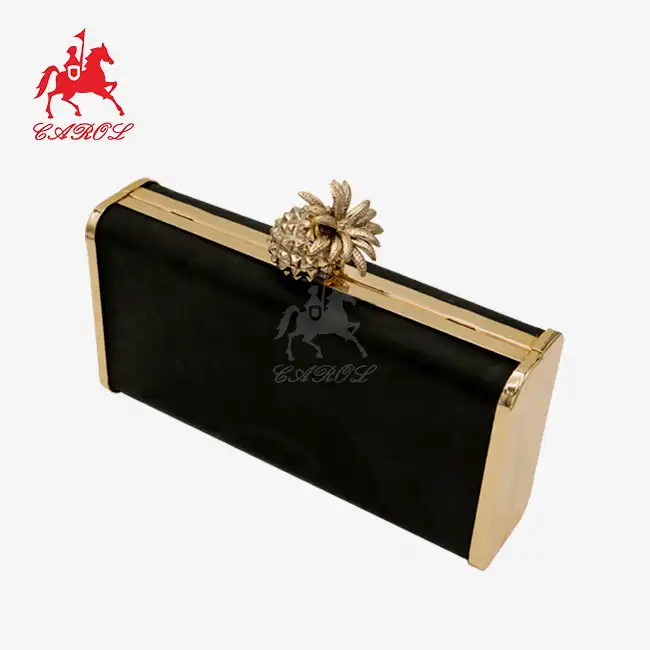
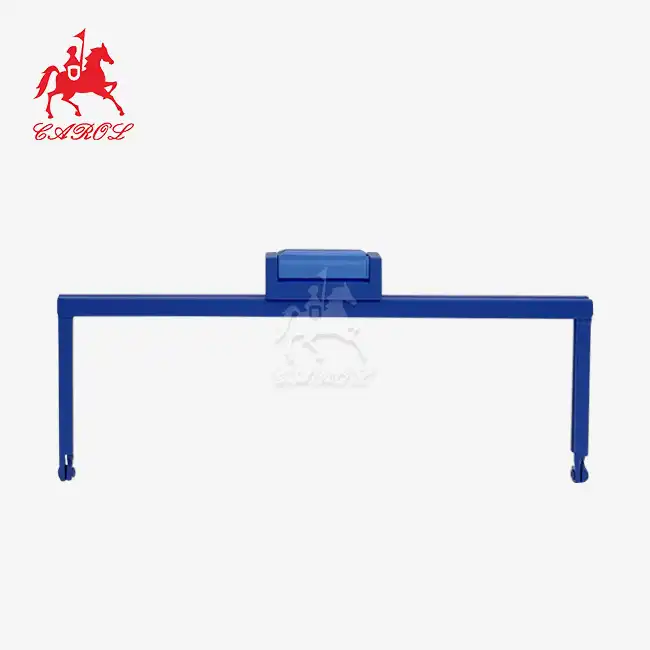
Frame purses that are made for professionals keep stringent tolerances on their dimensions, usually ±0.1mm for important specifications. Standard sizes are 8 cm, 12 cm, 15 cm, and 20 cm wide, but you can also have bespoke sizes. The 20.3cm x 10.8cm frame shown is the best size for medium-sized purses and evening bags.
Aligning the mounting holes is very important for efficient assembly. Quality frames keep the holes in the right place within ±0.05mm, which makes sure that stitching and attaching are always done the same way while making bags.
Industry Compliance and Safety Standards
International markets have rules on safety and the environment that must be followed. REACH compliance protects European markets from dangerous chemicals, and CPSIA certification protects US imports from lead content limits. SGS testing checks that the materials meet requirements for composition and mechanical performance.
The thickness and adhesion strength of electroplating must satisfy international requirements. For light gold finishes, the coating must be at least 0.3 microns thick and pass adhesion tests.
Navigating Regulations and Compliance Requirements
Import Documentation and Certifications
To import purse hardware successfully, you need to have all documentation packages. Material composition reports, quality inspection certifications, and origin declarations are all important credentials. ISO9001 accreditation shows that a company follows a systematic way of managing quality, while SMETA audits check that ethical manufacturing standards are being followed.
Reports on product testing must include information on tensile strength, corrosion resistance, and durability. Professional testing labs provide forth certifications that are accepted by customs and meet the needs of the end user.
Customs Classification and Tariff Considerations
Metal frames fall under specific HS codes that determine applicable tariff rates and import regulations. Proper classification affects total landed costs and compliance obligations. Consulting with customs brokers ensures accurate classification and optimal duty treatment.
Free trade agreements may provide preferential tariff treatment for qualifying products. Understanding certificate of origin requirements enables maximum cost optimization through reduced duty rates.
Quality Control and Inspection Protocols
Pre-shipment inspection services verify product quality and specifications before departure. Third-party inspection companies provide independent verification of manufacturing standards and contract compliance. Inspection reports serve as quality assurance documentation for customs clearance and internal quality control.
The Complete Import Process: From Inquiry to Delivery
Initial Supplier Evaluation and Quotation
Effective supplier evaluation begins with detailed technical inquiries specifying exact requirements for bag frames and hardware components. Request comprehensive quotations including material specifications, production lead times, and pricing structures. Evaluate multiple suppliers to establish competitive benchmarks and capability assessments.
Sample evaluation provides crucial insights into manufacturing quality and design capabilities. Quality samples demonstrate actual production standards and enable material testing validation.
Contract Negotiation and Payment Terms
International trade contracts specify detailed product requirements, delivery terms, and quality standards. Common payment structures include 30% advance payment with 70% balance before shipment. Letter of credit arrangements provide additional security for larger transactions.
Trade terms significantly impact cost structures and risk allocation. FOB (Free on Board) terms place shipping responsibility on buyers, while CIF (Cost, Insurance, and Freight) includes delivery to destination ports. EXW (Ex Works) provides maximum buyer control over logistics but requires comprehensive shipping arrangements.
Production Monitoring and Quality Assurance
Active production monitoring makes ensuring that requirements and delivery timelines are followed. Regular updates on progress and quality checks keep the project moving forward and stop problems from happening. Professional quality control services check if manufacturing standards are being followed by someone else.
Pre-production samples validate final specifications before bulk manufacturing begins. This approval process prevents costly modifications and ensures specification compliance.
Logistics Coordination and Customs Clearance
International shipping requires careful coordination of documentation, packaging, and customs procedures. Bills of lading serve as shipping contracts and ownership documents. Commercial invoices detail transaction values and product descriptions for customs assessment.
Customs clearance procedures vary by destination country but generally require accurate documentation and proper classification. Working with experienced customs brokers streamlines clearance processes and ensures regulatory compliance.
Why Carol Metal is Your Ideal Import Partner?
Comprehensive Manufacturing Infrastructure
Carol Metal has a 4,500-square-meter factory with more than 100 professional production units. This factory can make 30 million pieces a year. This huge infrastructure lets us handle orders of all sizes, from small prototypes to massive production runs. The integrated facility has its own electroplating operations, which make sure that the entire process is controlled and that the quality is always the same.
Precision die-casting machines, CNC milling systems, and automated surface treatment lines are all part of Advanced's advanced equipment range. The quality control infrastructure includes FEIOU series testing equipment, tensile testing machines, and impact resistance analyzers, which allow for full product validation.
Quality Assurance and Certification Excellence
Carol Metal has SMETA, Sedex, ISO9001, and SGS certifications, which show that they are committed to following worldwide standards for quality and ethics. The whole quality management system includes screening all raw materials, inspecting the production process at many stages, and assessing the performance of the completed product.
Full-process quality control includes examining the composition of materials, making sure the dimensions are correct, and making sure the performance lasts. Specialized testing techniques check tensile strength, corrosion resistance, and mechanical wear characteristics to make sure that items fulfill the strict standards of their intended use.
Customization and Design Capabilities
Carol Metal's OEM/ODM services support complete customization from concept development through production implementation. The design team collaborates closely with clients to develop clasp frames and hardware solutions that align with brand aesthetics and functional requirements. Rapid prototyping capabilities enable quick design validation and iteration cycles.
Surface finishing options include electroplating in multiple colors, sandblasting textures, and specialized coating applications. Custom dimensional requirements are accommodated through flexible tooling and production processes.
Cost Structure and Transparency in Sourcing
Comprehensive Pricing Components
Understanding total cost structures enables informed procurement decisions for handbag closures and related hardware. Base manufacturing costs include material expenses, processing charges, and quality control investments. Additional components encompass tooling amortization, customization fees, and certification expenses.
Transparent pricing structures detail individual cost elements, enabling buyers to understand value propositions and optimize specifications for target budgets. Volume pricing tiers provide cost reduction opportunities for larger order quantities.
Hidden Cost Identification and Mitigation
Professional suppliers provide comprehensive cost breakdowns that identify potential additional expenses. These may include custom tooling charges, special packaging requirements, or expedited delivery fees. Clear communication about all potential costs prevents budget surprises and enables accurate project planning.
Currency fluctuation considerations affect international transactions. Many suppliers offer currency hedging options or fixed pricing periods to minimize exchange rate risks.
Supply Chain Reliability and Lead Time Management
Production Scheduling and Capacity Planning
Good metal frame suppliers have advanced production planning systems that can handle both planned orders and emergent needs. The usual time it takes to make bespoke purse hardware is between 15 and 25 days, depending on how complicated and how many you need.
When planning for capacity, you should think about seasonal changes in demand and the need for bespoke tools. Established manufacturers have a certain amount of safety stock on hand for conventional items and handle special production delays in a way that works well.
Quality Control Integration Throughout Production
Integrated quality management systems ensure consistent output quality regardless of production volumes or schedules. Multi-stage inspection protocols validate products at raw material receipt, intermediate processing stages, and final packaging.
Real-time quality monitoring enables immediate corrective action when deviations occur. This proactive approach minimizes defect rates and ensures delivery schedule adherence.
Communication and Business Relationship Management
Professional Communication Standards
Effective international business relationships depend on clear communication protocols and responsive customer service. Professional suppliers maintain dedicated account management teams with technical expertise and language capabilities suitable for international clients.
Regular progress updates, technical consultations, and proactive problem-solving demonstrate commitment to client success. Documentation standards ensure accurate specification interpretation and implementation.
Long-term Partnership Development
Successful leather purse frame sourcing relationships extend beyond individual transactions to encompass ongoing collaboration and mutual business development. Suppliers who invest in understanding client requirements and market trends provide enhanced value through proactive recommendations and innovation support.
Partnership approaches include dedicated production capacity allocation, priority scheduling for urgent requirements, and collaborative new product development initiatives.
Conclusion
Successful purse frame importation requires systematic approach encompassing supplier evaluation, quality verification, and logistics coordination. Understanding technical specifications, regulatory requirements, and trade processes enables informed decision-making and optimal procurement outcomes. China's manufacturing excellence, combined with proper due diligence and professional partnerships, delivers exceptional value for international buyers. Selecting experienced suppliers with proven track records, comprehensive certifications, and transparent communication ensures successful import projects that meet quality, schedule, and budget objectives while supporting long-term business growth.
Partner with Carol Metal for Premium Purse Frame Solutions
Carol Metal stands ready to support your handbag hardware requirements with industry-leading manufacturing capabilities and unwavering quality commitment. Our comprehensive purse frame supplier services encompass custom design development, precision manufacturing, and reliable delivery solutions tailored to luxury fashion brands and discerning manufacturers worldwide. With proven expertise serving high-end markets and complete quality assurance protocols, we transform your hardware visions into exceptional products. Experience the difference that professional partnership makes in your supply chain success. Contact Us at tony@carolxiao.com to discuss your specific requirements and discover how our purse frame manufacturer expertise can elevate your product offerings.
FAQs
Q1: What minimum order quantities should I expect for custom purse frames?
A: Most manufacturers require minimum orders of 500-1000 pieces for custom designs due to tooling and setup costs. Standard products may have lower minimums of 100-300 pieces. Carol Metal accommodates both small trial orders and large-scale production requirements with flexible MOQ arrangements.
Q2: How do I verify the quality credentials of potential suppliers?
A: Request copies of current certifications including ISO9001, SGS, and relevant safety compliance documents. Conduct facility audits or engage third-party inspection services to verify manufacturing capabilities and quality systems. Sample evaluation and reference checks provide additional validation.
Q3: What documentation is required for customs clearance of metal hardware imports?
A: Essential documents include commercial invoice, packing list, bill of lading, certificate of origin, and relevant product testing reports. Specific markets may require additional certifications such as REACH compliance for European destinations or CPSIA certification for US markets.
Q4: How can I protect my custom designs when working with overseas manufacturers?
A: Implement comprehensive non-disclosure agreements before sharing design information. Consider intellectual property registration in relevant jurisdictions. Work with reputable manufacturers who demonstrate respect for client confidentiality and have established protocols for design protection.
Q5: What factors affect lead times for purse frame production?
A: Lead times depend on order complexity, customization requirements, production volumes, and seasonal demand. Standard products typically require 10-15 days while custom designs may need 20-30 days including tooling preparation. Rush orders may be accommodated with expedited fees.
References
1. International Trade Administration. "Metal Hardware Manufacturing Industry Overview and Trade Statistics." U.S. Department of Commerce, 2023.
2. Chen, Li Wei. "Quality Control Systems in Chinese Metal Hardware Production." Journal of Manufacturing Excellence, Vol. 45, No. 3, 2023.
3. European Commission. "REACH Regulation Compliance Guidelines for Metal Hardware Imports." Official Journal of the European Union, 2023.
4. Smith, Robert J. "Global Supply Chain Management for Fashion Hardware Components." International Business Review, Vol. 28, No. 4, 2023.
5. Zhang, Ming Hua. "Electroplating Standards and Specifications for Fashion Hardware." Surface Treatment Technology Quarterly, Vol. 12, No. 2, 2023.
6. World Trade Organization. "International Trade Procedures and Documentation Requirements for Metal Hardware." WTO Technical Barriers to Trade Committee, 2023.