_1753256285958.png)

_1754990596544.webp)
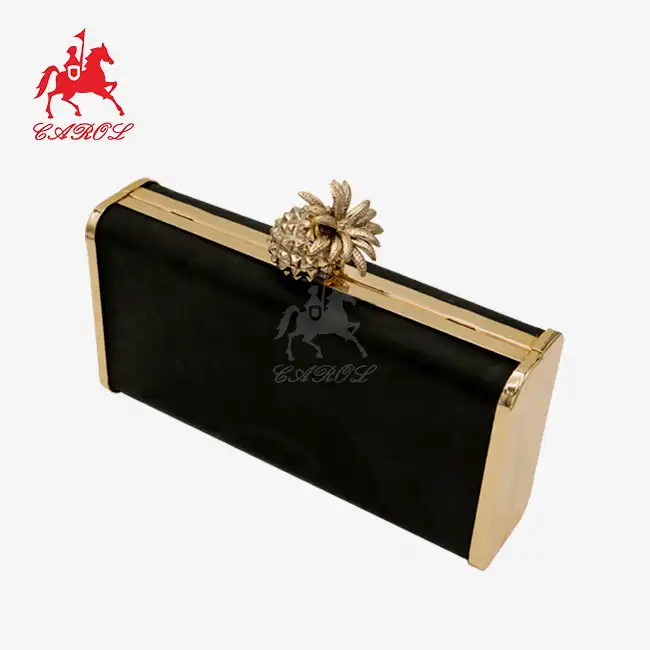
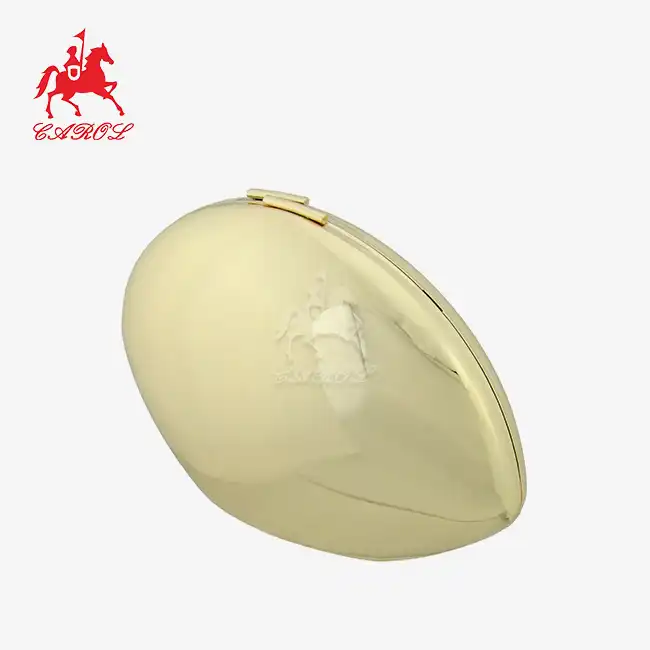
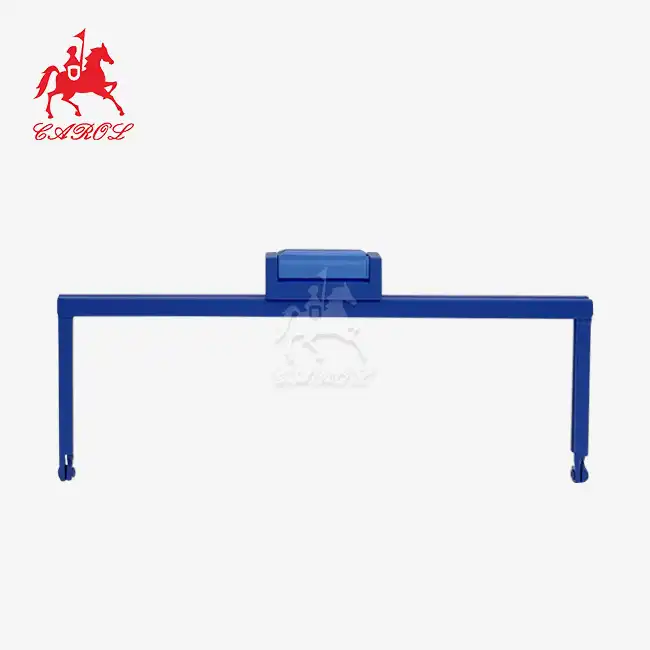
How to install trapezoid purse frame?
 2026-07-04 17:57:45
It takes accuracy and close attention to detail to put together a trapezoid purse frame. To start, you need to prepare your fabric or leather by cutting it to fit the frame's channel measurements. Place the frame's hinged parts correctly, and then carefully place the material into the metal channel using the right kind of glue or stitches. Because of how these frames are made, you have to pay attention to the ends that aren't straight when you're installing them so that the tension stays the same across the trapezoid structure. This makes sure that the bag looks good and lasts a long time. This is especially important for doctor bags and structured wallets where the frame is the main structure.
Step-by-Step Guide to Installing a Trapezoid Purse Frame
Preparing Materials and Tools for Professional Installation
When you prepare properly, you can avoid installation problems and waste of materials. You'll need E6000 or a similar fabric-safe glue, clips to hold things in place while they dry, sharp fabric scissors, and a bone folder to make the edges nice and crisp. The trapezoid purse frame channel width should be used to figure out how much seam space to add to your fabric when you cut it. Depending on the thickness of the material, this is usually 3–8 mm. Test your glue on scrap material first to make sure it works with the material you want to use it on. Some Products don't work well with certain leather processes or synthetics. This is where quality control starts; rushing through this preparation step puts the whole process at risk.
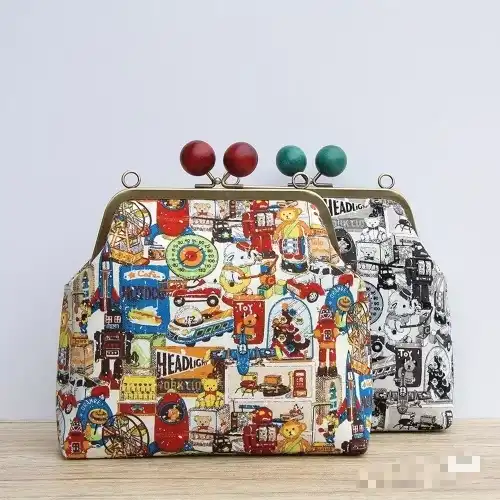
Securing Fabric into the Frame Channel
Lay your ready cloth down face down and evenly apply glue along the edge that will fit into the frame opening. Don't use too much glue because it could seep through to areas that you can see. Press the cloth edge gently into the channel with your bone folder. Start in the middle and work your way out to the ends. The trapezoidal shape needs extra care along the angled edges, where fabric can bunch up if it's not spread out correctly. Carol's frames have precisely designed grooves that keep the 0.5 mm gap alignment when the frames are closed, but only if the right tensioning procedures are followed during installation.
Installing Clasp and Hinge Mechanisms
The hinge system decides how long something will last and how happy the user is with it. When you buy Carol's frames, the screws are already in place and have been set for the best resistance. This means that your hinges won't come loose after a long time of use. If there is a mismatch of more than 0.5 mm, it means that the fabric isn't being tensioned correctly or the channels aren't being inserted correctly. When the clasp engages, you should hear a click, which means the closing is safe. Testing this many times before the final assembly saves a lot of money on repairs later on in the production process.
Final Quality Inspection and Reinforcement
Even when glue-in methods are used, professional fitting includes extra stitching around stress points to make them stronger. This two-level security method meets the standards of high-end brands that don't allow technical failure. Look at the frame under 500-lux lighting to find flaws in the surface, leftover glue, or cloth puckering. When it's done, the end product should be able to open smoothly without binding, have all of its clasps engaged, and have smooth transitions between the metal and cloth. Carol's full-process quality checking system, which includes tensile testing and knock testing tools, makes sure that frames that leave the plant can meet these high standards for the whole life of the product.
Comparison of Trapezoid Purse Frames: Selecting the Best for Your Business Needs
Metal versus Plastic Frame Considerations
The choice of material affects both where a product fits in the market and how much it costs to make. Metal frames, especially those made of aluminum and zinc alloys, are more durable and look better, which are both important for high-end items. They can handle heavier loads—usually 5–10 kg in standing tests—without deforming. Plastic options are lighter and cheaper, but their hinges don't last as long, which is important for bags that get used a lot. Carol's metal frames are treated in special ways, like mold grinding and etching, which makes the surface finishes that can't be made with plastic. Putting money into metal frames pays off because there are fewer guarantee claims and people think more highly of the brand.
Trapezoid versus Rectangular Frame Performance
The market is dominated by rectangular frames because they are more common, but trapezoid purse frame forms are better for some engineering problems. Because they are geometrically better, trapezoid frames are more stable when bags rest on surfaces, which keeps them from falling over like rectangular frames do when the top is heavy. The tapered shape keeps the elegant proportions while fitting current smartphones in dinner bags. Asymmetric shapes make manufacturing a little more difficult, but Carol's advanced die-casting machines and CNC cutting tools can handle these needs without charging extra. Trapezoid frames have unique shapes that customers notice right away, which is great for brands that want to stand out.
Evaluating Closure Mechanism Security
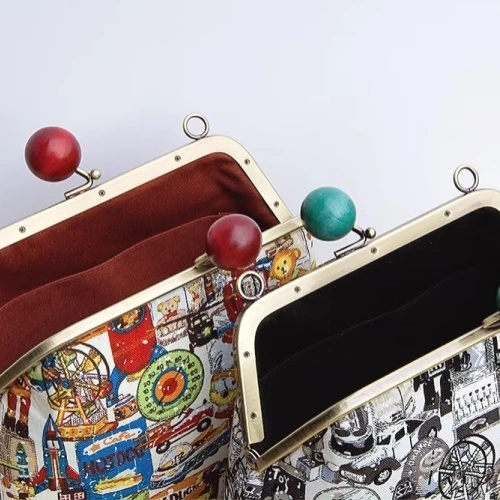
Professional-grade frames are different from craft store frames because their clasps work better. Carol's frames have carefully designed clasps that keep the spring tension constant even when the temperature changes and the frames are cycled many times. Tests done by a third party show that these locks stay functional after 10,000 open-close cycles, which is more than what the industry standard is. Different snap methods make it easier to get to things faster, but they also make security worse, so they're not good for sensitive information. Teams in charge of buying things should ask for sample frames and test them on their own to make sure that the gaps are lined up correctly, the clasps connect properly, and the hinges are smooth.
Troubleshooting Common Challenges When Installing Trapezoid Purse Frame
Preventing Fabric Slippage and Channel Overstuffing
Fabric that slips during or after placement means that the glue wasn't chosen correctly or that the material is too thick. To make sure there is enough space for the hinge, the cloth and glue thickness should not be more than 80% of the channel width. Carol's frames can fit different weights of cloth, but buying teams need to know the exact material requirements when placing an order. Using fabric-specific glue with the right cure times keeps you from touching the fabric too soon, which can damage the bind. When making leather goods, pre-skiving the edges cuts down on bulk without affecting the structure of the material. Before committing to production runs, compatibility problems can be found by testing sample installs.
Correcting Hinge Misalignment Issues
Out of place hinges make opening patterns that aren't even and speed up wear. This problem is usually caused by uneven cloth tensioning during installation, not by flaws in the frame. The uniform hinge shape is made possible by Carol's precise riveting, but the final performance depends on how it was installed. When misalignment happens, check to see if both sides of the frame got the same amount of glue coverage and if the depth of entry into the channels is the same on both sides. Professional-grade frames use permanent rivets to make the structure safe. Loose hinges are a sign of production flaws, not problems that can be fixed in the field, so quality warranties cover the cost of a new frame.
Addressing Clasp Engagement Failures
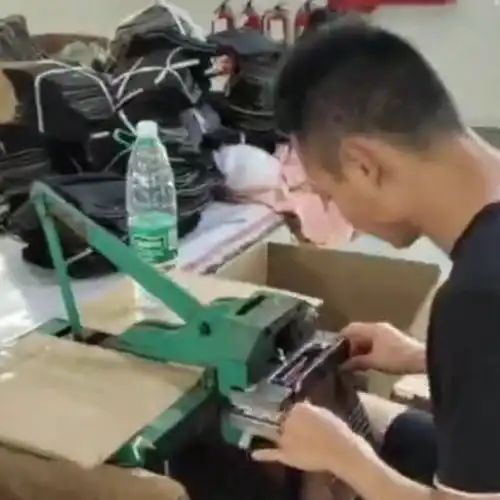
Clasps that don't connect properly annoy customers and bring in money. Frame deformation during shipping, wrong fabric bulk that affects clasp alignment, or manufacturing flaws in the spring systems are some of the root reasons. Carol's shipping rules protect frames while they're being shipped internationally, but before production starts, the receiving check should make sure the clasp works. If there are problems with engagement after installation, check to see if too much glue has moved into the clasp mechanisms or if cloth stress is pulling the trapezoid purse frame halves out of place. Using "go/no-go" gauges during quality checks finds these problems before the finished goods are sent out for shipping.
Conclusion
Mastering the fitting of a trapezoid purse frame will help you use it to make better bags. The slightly longer learning curve compared to normal rectangular frames is worth it because these frames are better at geometry because they are more stable, have better proportions, and are structurally sound. Carol's handbags and doctor bags are built on frames that are carefully designed, made with aerospace-grade materials, and finished to high-end standards. To be successful, you need to pay close attention to how the materials are prepared, how the glue is chosen, how the tension is set, and how the quality is checked throughout the whole building process. Procurement teams get quality, reliability, and innovation benefits over their competitors by working with suppliers who show they can make great products, keep their foreign certifications up to date, and offer quick technical support.
FAQ
How long does trapezoid frame installation typically take?
Professional fitting takes about 15 to 20 minutes per frame, which includes the time it takes for the glue to dry. In bulk production settings, this works best with assembly line methods, where spots are set aside for applying glue, putting in fabric, and checking for quality. When you use quick-set adhesives, you can work with them faster, but the bond may not be as strong in high-stress situations. Carol says that installed frames should be left to fully cure for 24 hours before they are tension tested or packed.
Can trapezoid frames accommodate different fabric weights?
Carol's frames have channel sizes that range from 3 mm to 8 mm, so they can fit anything from thin silk to heavy 4 oz leather. Coordinating material choices with trapezoid purse frame specs is important. Give fabric samples to your provider when you place your order to make sure they will work with the frame. When you mix thick materials with narrow-channel frames, you get overstuffing, which stops the clasp from engaging properly and speeds up hinge wear.
What certifications should I require from frame suppliers?
For quality-conscious buyers, ISO9001 certification is needed to keep an eye on the production process, SGS certification is needed to make sure the materials are safe, and REACH/RoHS compliance is needed for foreign markets, especially in Europe and North America. Carol keeps these licenses up to date, along with SMETA and Sedex for checking that the products are made in a fair way. Before finishing supplier deals, ask for copies of the most recent certificates and check their validity through the databases of the organizations that issued them.
Partner with Carol for Premium Trapezoid Purse Frame Supply
Carol is ready to take your product lines to the next level by making metal frames that are precisely designed to meet the standards of luxury brands. Our trapezoid purse frame model measures 23.4 cm x 9 cm and has an NF Gold finish. It is made of an aluminum and zinc metal combination that makes it last longer and look better. As a well-known company that makes frames, we can make any size, finish, or material you want. Our products are certified by ISO9001, SGS, SMETA, and Sedex. Our 4,500㎡ factory makes 30 million pieces a year and is still flexible enough to handle test orders and quick prototype development. Email tony@carolxiao.com to talk about your unique needs, ask for samples, or get prices for your next production run in bulk. You can look at our full line of hardware at carolhardware.com and learn how our end-to-end quality control and quick expert support can help your supply chain.
References
1. Smith, J. & Anderson, K. (2021). Hardware Components in Luxury Handbag Manufacturing: Material Selection and Quality Standards. Fashion Industry Press.
2. Chen, L. (2022). "Structural Engineering Principles for Frame Bag Design." International Journal of Textile and Apparel Technology, Vol. 8, Issue 3, pp. 145-162.
3. Rodriguez, M. (2020). B2B Procurement Strategies for Leather Goods Manufacturing: Supplier Selection and Quality Assurance. Industrial Supply Management Publications.
4. Thompson, R. & White, D. (2023). "Comparative Analysis of Metal Alloys in Fashion Hardware Applications." Materials Science and Manufacturing Quarterly, Vol. 15, No. 2, pp. 78-94.
5. European Leather Goods Association (2022). Technical Standards for Handbag Hardware: Installation Best Practices and Durability Testing Protocols. ELGA Technical Committee Report.
6. Zhang, W. (2021). "Electroplating Processes for Corrosion Resistance in Fashion Accessories: A Quality Control Perspective." Surface Finishing Technology Review, Vol. 29, pp. 201-218.