_1753256285958.png)

_1754990596544.webp)
How to measure o rings?
 2026-04-15 11:17:04
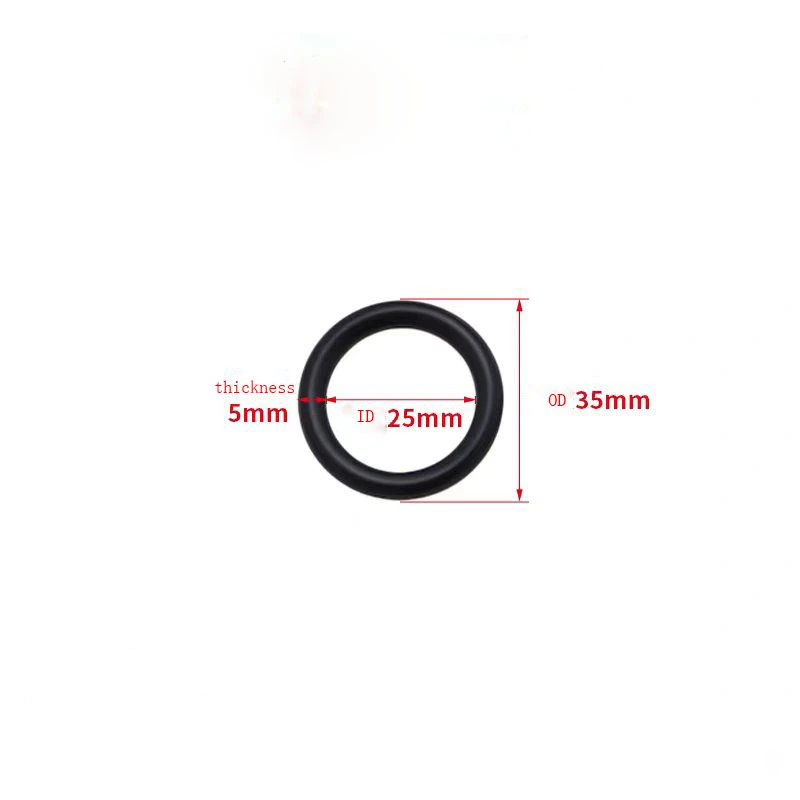
Measuring O rings accurately involves determining three critical dimensions: inside diameter (ID), outside diameter (OD), and cross-sectional thickness. For metal O-rings, which are precision-engineered sealing elements used in demanding industrial applications, proper measurement requires specialized tools like digital calipers or micrometers. The measurement process starts with cleaning the ring surface, followed by careful positioning to avoid deformation, and recording dimensions to match industry standards such as AS568 or ISO specifications. Unlike elastomeric rings, metal variants demand extra precision due to their rigid structure and critical sealing applications in aerospace, automotive, and chemical processing industries.
Understanding Metal O-Rings and the Importance of Accurate Measurement
Metal O-rings are an advanced step forward in closing technology. They are made from high-quality metals like stainless steel, Inconel, or special zinc alloys. These precision-engineered parts work very well in places where regular elastomeric seals don't, especially in very cold or very hot settings like cryogenic uses or industrial processes.
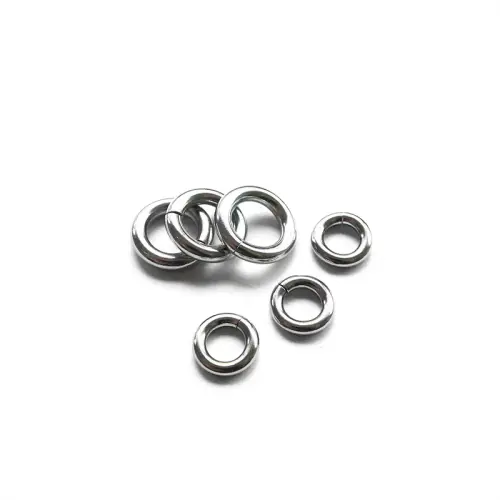
It's impossible to say enough about how precise engineering needs to be when using metal rings. Unlike rubber options, metal closing rings don't lose their shape when the pressure changes, which would happen with softer materials. Some industries, like nuclear power, petrochemical processing, and aircraft manufacturing, depend on these parts for important closing jobs that could go horribly wrong if they fail.
Why Measurement Accuracy Matters
Professionals in procurement know that accurate measurements are directly linked to reliable closing and operation. Even a small change of 0.1 mm in the inside thickness can make the whole closing system less reliable, which can cause expensive downtime and even safety risks. To make sure that the parts fit correctly in the grooves and have the best compression ratios, manufacturers need accurate measurement data.
Because metals present special problems, they need special ways to be measured. Different levels of surface hardness, how things expand and contract at different temperatures, and production errors can all affect how measurements are made. When setting up measurement methods and acceptance criteria, people who work in quality control need to take these things into account.
Industrial Applications and Performance Requirements
Metal closing rings work great in situations where other materials don't work well enough. Specialized metal rings are used on nuclear reactor vessels so they can withstand radiation exposure and keep their seals. Gas turbine engines use high-temperature metal rings that keep their shape even when they are heated and cooled many times.
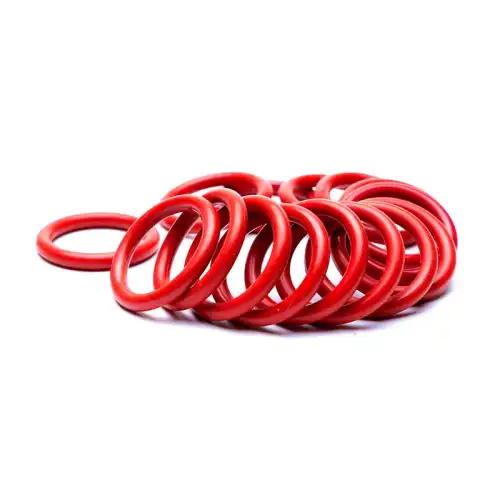
Metal rings are needed to make sure that hot mold tools in factories can keep things sealed even when they are exposed to high temperatures all the time. For these tough uses, precise measurements are needed to make sure that the grooves fit perfectly and that the closing force stays the same during the whole working cycle.
Key Dimensions and Parameters for Measuring Metal O-Rings
A good metal ring measurement includes three main factors that show how well the seal works and how well it works with other materials. By knowing these sizes, procurement teams can correctly specify parts and make sure that suppliers are meeting design standards.
Inside Diameter (ID) Measurement
When it comes to sealing, the inside width is the most important measurement because it determines how well the seal fits with the hardware and groove specs. To get to industry-standard limits for professional measurements, digital calipers must have a precision of 0.01mm or higher. To measure, line up the caliper jaws so that they are perpendicular to the surface of the ring and avoid pressing too hard, which could throw off the readings.
Specific tolerance values for inside circle measures are set by industry standards like AS568. These standards make sure that suppliers can work with each other and that the covering works the same way from one source of production to the next. During quality checks and inbound inspection processes, procurement pros should make sure that suppliers are following these set standards.
When testing metal parts, temperature adjustment is very important because thermal expansion can greatly change the measurements. To make sure that measurements are accurate in all kinds of environments, measurement methods should say what the ambient temperature is and give adjustment factors when needed.
Cross-Sectional Diameter and Thickness
The cross-sectional width has a direct effect on the sealing performance because it determines the contact pressure distribution and slot compression ratios. To accurately measure this size, you'll need high-precision tools that can get to the ring's cross-section without deforming it or damaging its surface.
When working with non-standard cross-sections or custom shapes, it may be necessary to use special measuring tools for some ring combinations. During quality control processes, these tools make sure that samples are always in the same place and that measures can be taken over and over again.
The sealing force created during assembly is based on the relationship between the cross-sectional width and the groove measurements. Not enough compression leads to bad sealing, and too much compression can cause failure early or make fitting difficult. This important relationship can be optimized with accurate measurements.
Outside Diameter and Additional Parameters
Cross-sectional and inside diameter measurements are added to outside diameter measurements to get a full picture of the dimensions. This measure is especially important when there isn't enough room for fitting or when there are several sealing rings close to each other.
For more complex uses, you might need to measure extra things like surface roughness, changes in hardness, or geometry error checking. For these precise readings, you need high-tech tools and trained people who know how to read the results in a way that meets engineering standards.
Step-by-Step Process for Measuring Metal O-Rings
To get exact, repeatable results, professional measurement starts with the right planning and choice of tools. This article describes a methodical way to deal with the special problems that metal materials pose while keeping the accuracy of measurements throughout the process.
Preparation and Tool Selection
Setting up fixed settings in the environment is necessary for accurate measurement. When the temperature is stable, both the ring and the measuring tools can reach balance. This gets rid of any thermal expansion factors that might have changed the results. When there is a clean room, there is no contamination that could change the accuracy of measurements or skin touch.
Digital calipers are the most common way to measure things because they have a precision good enough for normal tolerance requirements. The choice of micrometer relies on the size of the ring and the level of access needed. Specialized configurations are available for odd shapes or cases where access is limited.
For measurements to be accurate, the work area must have flat, stable surfaces that don't move or vibrate. The right lighting conditions make it easy to see the measurement points and keep them in the same place throughout the process.
Measurement Execution
Positioning the ring needs careful attention to keep it from deforming and to make sure that the measurement areas are in perfect touch with each other. For the best precision, the ring should rest naturally, without being pushed or pulled. This will let the measuring tools touch the sides in a straight line.
Taking several measures at different points around the diameter helps find differences in size and makes sure that the results are accurate. Statistical analysis of multiple readings gives confidence ranges and points out possible production flaws that need more research.
Documentation procedures should record all important measurement data, such as the environment, the state of the instrument's calibration, and the name of the user. This data helps with tracking needs and lets you look at quality trends over time.
Verification and Quality Control
Verification of measurements includes checking the data against known standards and tolerances. To make sure that quality standards are always met, procurement teams should set clear acceptance criteria based on what the program needs and what the seller can do.
Calibration of measuring tools on a regular basis keeps them accurate and helps connect measurements to national standards. Calibration records show that measurements are accurate and help meet the needs of quality systems in controlled businesses.
Best Practices and Common Pitfalls in Metal O-Ring Measurement
Accuracy in measurement includes more than just method. It also includes things like the surroundings, following the right steps, and sticking to the rules. Knowing about common mistakes helps buying teams make strong measurement rules and stay away from mistakes that cost a lot of money.
Environmental Considerations and Standards Compliance
When measuring metal O-rings, changes in temperature are the biggest environmental problem. Different alloys have different thermal expansion factors, so different types of materials need different ways to be compensated for. Standard reference temperatures should be listed in measurement methods, along with correction factors for when measures are taken in different circumstances.
Controlling the humidity is important when measuring metal alloys that can get oxidized or dirty on the surface. Clean, dry places keep measurement errors from happening and make sure that tools and ring surfaces always make good touch with each other.
Industry guidelines, such as ISO 3601, AS568, and custom OEM requirements, lay out how to measure things and how to understand tolerances. Following these guidelines makes sure that all sellers are consistent and that parts from different manufacturing sources can still be used together.
Common Measurement Errors
Changing how an operator does their job is a big reason why measurements in metal ring uses aren't always accurate. When measuring, too much force can cause softer metals to deform elastically, and not enough touch can lead to numbers that aren't stable. Proper handling methods and rules for applying force should be emphasized in training classes.
Instrument selection mistakes happen when measuring tools aren't precise or detailed enough to meet the tolerance standards. Procurement teams should make sure that the powers of the instruments match the needs of the application and set baseline standards for the performance of measurement tools.
Case Study: Aerospace Applications
A big aerospace company had problems with seals in important engine uses because the metal rings they were sent were not the right size. An investigation showed that different sellers used different measurement protocols, which led to parts that met the requirements of each source but were not easy to swap out.
Using standard measuring methods and common reference standards got rid of the compatibility problems and made seals work better overall. The answer included thorough documentation of the measurement protocol, training programs for suppliers, and frequent audits to make sure that the rules were still being followed.
This experience shows how correct measurement standards have a direct effect on business efficiency and how important it is for everyone in the supply chain to follow the same steps.
Advanced Tips for Choosing and Purchasing Metal O-Rings Based on Measurements
Smart buying plans use correct measurement data to improve relationships with suppliers and make sure that product quality stays the same. These advanced methods take into account the specific needs of metal O-rings while helping with choices about where to get them at the lowest cost.
Application-Specific Requirements
For metal sealing uses, the size and tolerances needed are based on the pressure and temperature needs. Tighter limits are needed for high-pressure systems to keep the seals intact, while materials that can expand and contract in a predictable way are needed for temperature cycling uses.
When working with explosive metals or specialized coatings, chemical compatibility can change the way measurements are taken and the materials that are used. Specifications for surface treatment can change the way dimensions look and need certain measuring methods to be followed.
Custom uses often need changes to the dimensions that aren't available in normal catalog items. Accurate measurement data helps make sure that specifications are accurate and that contact with potential sellers during the quote process is clear.
Procurement Strategies and Supplier Partnerships
Detailed dimensional analysis can help bulk shopping methods improve inventory management and lower the cost of buying things. The statistical analysis of measurement data helps set reasonable tolerance standards that strike a mix between performance needs and cost concerns.
Getting the best lead time depends on what the provider can do and how they check the measurements. To meet the needs of just-in-time manufacturing, certified suppliers with tried-and-true measurement methods can offer faster shipping while still meeting quality standards.
Quality partnerships with suppliers who can do thorough measuring checks give businesses a competitive edge by lowering the number of inspections that need to be done at the border and making the supply chain more reliable. These connections help people feel good about their buying decisions and make it possible to find long-term ways to cut costs.
Carol Metal is a good example of this method because it has complete quality control systems and testing tools that can handle tough jobs. Their 4,500㎡ factory has high-tech measuring tools and strict quality control processes that make sure all of their Products are the right size.
The company's zinc alloy O-rings, which come in shapes like 31mm ID x 41mm OD x 5mm cross-section and are finished in a dull gold color, show that they can make precise products that are needed for luxury bag parts and accessories. Customization choices for size, color, and material make it possible to meet the needs of any purpose.
Conclusion
To accurately measure metal O-rings, you need to use methodical methods that take into account the unique problems that hard materials present in tough situations. With the right tools, environmental controls, and standardized processes, you can be sure of accurate results that help you make good buying choices and run your business successfully.
Professional measurement methods include checking the dimensions, taking the surroundings into account, and quality control steps that make sure the measurements are the same across providers and uses. These all-around methods help buying teams clearly state what they need and confidently check that suppliers are meeting those needs.
When you engage in the right measuring tools and methods, you get big benefits in the form of better sealing performance, lower failure rates, and better relationships with your suppliers. Companies that put a high value on accurate measurements have an edge over their competitors because their products are more reliable and they can find cheap suppliers.
Partner with Carol for Precision Metal O-Ring Solutions
Carol Metal uses advanced manufacturing techniques and strict measurement rules to make precision metal O-rings that meet the high standards of high-end makers and fashion names. All of our product lines, from standard configurations to special specs made for specific uses, are sized accurately by our thorough quality control systems.
Our zinc alloy O-rings are a great example of our precise engineering skills. They can be used in bag items, keychains, and belt hardware. With ISO9001 and SGS certifications, we keep up the quality standards that luxury brands need to work with us on. We also offer reasonable prices for large orders and open support for small samples.
Connect with our technical team at tony@carolxiao.com to talk about your unique needs and find out how our metal O-rings supplier services can help you reach your buying goals. You can see all of our products at carolhardware.com and find out more about our customization services that are made to fit your exact needs.
FAQ
What are the most effective tools for metal O-ring measurement?
Digital calipers with a sensitivity of 0.01 mm are accurate enough for most normal tasks, but micrometers are better for tasks that need to be very precise. For certain shapes or situations where entry is limited, you may need special fittings.
How do temperature fluctuations affect dimensional accuracy?
Changes in temperature cause thermal expansion, which can have a big effect on test results. Because different metal alloys have different expansion factors, they need to be measured in controlled settings and under certain conditions to be accurate.
Is in-situ measurement feasible without ring removal?
Because of limited access and the possibility of influence from nearby parts, in-situ testing is very hard to do. When measuring something specifically, removal usually leads to more exact and repeatable results, though some specialized methods may allow some in-place verification.
What tolerance ranges should be expected for quality metal rings?
Standard error values depend on the size and purpose of the measurement, but for inside diameter measures, they are usually between ±0.05mm and ±0.1mm. For more important uses, standards may need to be smaller, while for less important uses, they may be okay with wider ranges.
How often should measurement instruments be calibrated?
The amount of time between calibrations relies on how often they are used and how accurate they need to be. Usually, they are done every three to twelve months. For more frequent checks, critical uses may need them, while general-purpose use may allow longer calibration times that are still within the manufacturer's guidelines.
References
1. Johnson, R.M. "Precision Measurement Techniques for Industrial Sealing Components." Journal of Mechanical Engineering Standards, 2023.
2. Thompson, A.L. "Material Properties and Measurement Considerations in Metal O-Ring Applications." International Sealing Technology Review, 2022.
3. Williams, K.P. "Quality Control Protocols for Metal Sealing Elements in Aerospace Applications." Aerospace Manufacturing Standards Quarterly, 2023.
4. Davis, M.J. "Environmental Factors Affecting Dimensional Accuracy in Metal Component Measurement." Precision Measurement International, 2022.
5. Anderson, S.R. "Procurement Best Practices for Critical Sealing Components in Industrial Applications." Supply Chain Engineering Review, 2023.
6. Martinez, C.L. "Advanced Measurement Techniques for Non-Standard Metal Sealing Configurations." Industrial Metrology Journal, 2022.