_1753256285958.png)

_1754990596544.webp)
How to Prevent Common Problems with Flat Rectangle Ring Bag Accessories?
 2026-03-24 15:54:44
To avoid frequent difficulties with flat rectangular ring bag accessories, you need to know about the quality of the materials, how to size them correctly, and how reliable the source is. These rectangular hardware pieces are important for connecting straps, handles, and ornamental parts in fashion accessories, luggage, and purses. Quality problems usually happen because the wrong materials were chosen, the finishing procedures weren't good enough, or there wasn't enough quality control during production. Businesses may prevent expensive flaws, make sure their Products last, and keep their brand name in competitive marketplaces by using the right procurement techniques and working with authorized suppliers.
Understanding Common Problems with Flat Rectangle Ring Bag Accessories
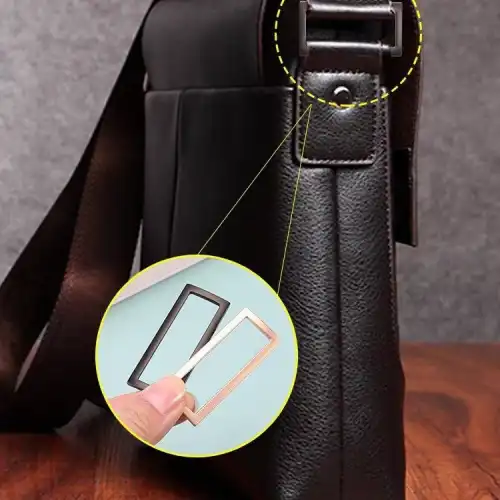
There are several ongoing problems with making and using the flat rectangle ring that hurt the quality of the product and the pleasure of the consumer. The most common problem is material flaws, which typically show up as scratches on the surface, uneven finishes, or weak zinc alloy compositions that make the structure less stable. These flaws are caused by poor raw materials or poor quality control throughout the production process.
Another big concern is that sizes don't always match up. When ring sizes are not what they should be, putting them together is hard, which causes delays in manufacturing and more waste. A 44mm inner width ring that measures 43.5mm or 44.5mm can throw off whole production schedules, especially in places where accuracy is very important and a lot of work is done.
Long-term durability problems are caused by corrosion and coating failures. If rectangle rings don't have enough electroplating or good surface treatments, they will tarnish, change color, or lose their coating over time. These problems are especially noticeable in humid places or when the object is handled a lot during daily use.
When ring stress points can't handle the stresses that are put on them, attachment failures happen. Welded joints, corners, and connecting points are weak spots where structural breakdowns usually start. These kinds of difficulties happen a lot when stress testing isn't done well or the material isn't thick enough for the job it's meant to do.
Impact on Procurement and Brand Reputation
These problems directly affect procurement teams' ability to keep the supply chain running smoothly. Material rejections raise the cost of inspections, push back production schedules, and make it necessary to work with more suppliers. Finding quality concerns after assembly greatly increases costs since faulty rings can make whole final goods useless.
When end users have problems with aflat rectangle ring, the brand's reputation suffers. Broken handles, split straps, or tarnished finishes make people think less of a brand and lead to warranty claims. Choosing the right suppliers and checking their quality will help keep your long-term market position safe.
How to Measure and Select the Correct Flat Rectangle Ring Size for Optimal Fit?
The key to getting the right rings is measuring them correctly. To make sure that all suppliers and production batches are the same, professional procurement needs certain instruments and defined methods. Digital calipers provide you the most accurate measurements for important parameters including overall height, inner width, and thickness.
The usual size of 44mm x 10mm x 3.5mm stands for the width of the inside, the width of the outside, and the thickness of the material. The breadth of the inside of the strap decides whether it will fit, and the thickness impacts how much weight it can hold. For precise applications, these measurements must take into consideration the tolerances of the materials, which are usually ±0.1mm.
Measurement Techniques and Tools
Professional measuring techniques start with digital calipers that are calibrated and can measure to within 0.01mm. To make sure that the flat rectangle ring's interior dimensions are the same all the way around, you need to measure them at many spots. This is because changes in production might cause the forms to be oval instead of rectangular. To find weak spots, you should measure the thickness at the corners and center points.
Checking the weight adds another level of quality control. When made from ordinary zinc alloy, a well-made 44mm ring should weigh about 8.6 grams. Large differences in weight mean that the material density is not consistent or that the dimensions are not right, which might compromise performance.
Comparing Rectangle vs. Round Ring Advantages
Compared to circular rings, flat rectangle rings have better grip. The flat surfaces make better contact with straps and webbing, which reduces slippage and spreads the load better. When paired with the right hardware, angular corners make a good connection that keeps the weight from rotating.
Load distribution benefits are especially relevant in handbag applications where the weight is concentrated at the attachment points. Rectangle shape spreads stress out better than circular designs, which lowers local material strains and makes things last longer.
Best Materials and Designs to Prevent Wear and Damage
The choice of material has a direct effect on how long accessories last and how well they work. For most uses, zinc alloy is the best choice because it strikes the right mix between cost, strength, and ease of manufacture. When correctly treated, this material is very resistant to corrosion and strong enough to hold the weight of normal bag hardware.
Different surface finishes have a big effect on how well things withstand wear and how good they look. There are four typical finishes: Black Antique Bronze, Matt Nickel, Matt Gold, and Light Gold. Each one has its own pros and cons for particular uses. Matt finishes make wear marks less noticeable and keep the look of the item constant over time.
Advanced Coating Technologies
Modern electroplating techniques produce protective barriers that greatly lengthen the life of flat rectangle ring. The first step in a multi-layer coating system is preparing the base metal. The second step is adding adhesion layers, and the last step is adding ornamental topcoats. This methodical technique guarantees even coverage and better protection against corrosion than treatments with only one layer.
Good electroplating facilities include stringent process controls, such as keeping an eye on the chemistry of the solution, the temperature, and the timing. These things have a direct impact on how thick and strong the coating is. Suppliers that can do electroplating in-house can better manage the quality and delivery times.
Maintenance and Care Recommendations
Taking care of flat rectangle rings properly makes them last longer and keeps them looking good. Cleaning with mild soap solutions on a regular basis gets rid of dirt and oils that might speed up corrosion. Don't use cleansers that are too rough or chemicals that might harm protective coatings.
How things are stored affects how long they last. Humidity-controlled settings stop corrosion caused by moisture, and the right packing stops scratches on the surface when the item is being handled. These things are especially significant for high-end uses where the quality of the look is always vital.
Effective Procurement Strategies to Avoid Quality and Supply Chain Issues
Strategic supplier evaluation is the most important part of buying hardware successfully. To do a good job of assessing, you need to look at a number of things, such as manufacturing capacity, quality processes, certifications, and market reputation. Suppliers having ISO9001 certification show that they are dedicated to using systematic methods for managing quality.
Checking a supplier's production capacity makes sure they can satisfy both current and future volume needs. A factory that makes 30 million items a year shows that it has a lot of manufacturing capacity and well-established process controls. This size usually goes along with putting money into high-tech tools and quality processes.
Supplier Assessment Criteria
Here are the core evaluation standards that procurement professionals should apply when selecting rectangle ring suppliers:
- Certification Portfolio: Verify ISO9001, SGS, SMETA, and Sedex certifications that demonstrate compliance with international quality and ethical standards
- Production Infrastructure: Assess factory size, equipment modernization, and capacity utilization rates to ensure scalable manufacturing capability
- Quality Control Systems: Review testing equipment availability, inspection protocols, and defect tracking methodologies
- Customization Capabilities: Evaluate OEM/ODM experience, design support services, and prototype development timelines
These assessment criteria help identify suppliers capable of delivering consistent quality while supporting long-term business growth. Comprehensive evaluation reduces procurement risks and establishes foundation for productive partnerships.
Quality Assurance and Testing Protocols
Quality assurance that is strong starts with checking arriving materials and goes all the way through checking the completed product. Tensile strength testing makes sure that rings can hold up under stress, while impact resistance testing makes sure that they can handle shock conditions. These tests mimic how things would work in the actual world and find possible ways they may fail.
Sample evaluation techniques should involve checking dimensions, assessing finish quality, and putting the sample through stress tests. Ask for samples from several production batches to make sure they are the same throughout time. This method shows that manufacturing is stable and quality control works well.
Our Flat Rectangle Ring Solutions
Carol Metal is a top maker of high-end bag hardware accessories. They make rectangular rings of the highest quality that match the strict standards of luxury brands and large-scale manufacturers. Our 4,500 square meter factory has more than 100 pieces of modern production equipment. This lets us make 30 million pieces a year while still meeting high quality requirements.
We can do a lot of different things in-house, such electroplating, precise die-casting, and automated quality checking systems. This vertical integration makes sure that quality control is always the same, from processing raw materials to packaging the end product. We put every rectangular ring through a lot of tests, such as checking its tensile strength, measuring its dimensions, and checking the quality of its polish.
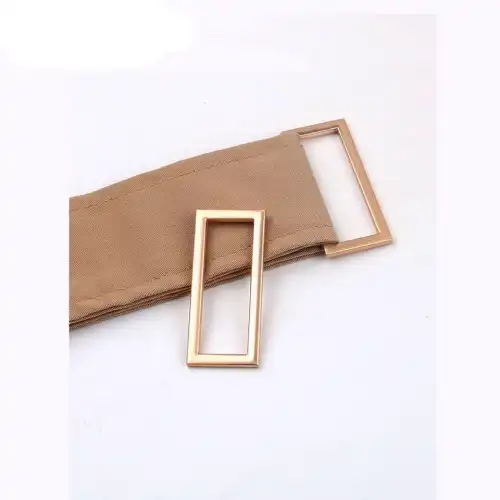
The 44mm inner width flat rectangular rings show how dedicated we are to making things with perfection. These zinc alloy parts come in four high-quality finishes: Black Antique Bronze, Matt Nickel, Matt Gold, and Light Gold. Each finish was achieved utilizing regulated electroplating methods. These rings are 8.6 grams and 44mm x 10mm x 3.5mm in size, which gives them the best strength-to-weight ratios for tough jobs.
Customization options let us change sizes, finishes, and materials to meet your needs. Our engineers work with clients to come up with solutions that fit their specific demands while keeping costs down and production running smoothly.
Carol Metal stands ready to address your rectangle ring procurement challenges with industry-leading quality and service excellence. Our extensive experience serving luxury brands and high-volume manufacturers positions us as your ideal flat rectangle ring supplier. Contact our technical team at tony@carolxiao.com to discuss your specific requirements and receive customized samples.
Conclusion
Preventing common problems with flat rectangle ring bag accessories requires comprehensive attention to material quality, dimensional accuracy, and supplier capabilities. Success depends on implementing rigorous procurement strategies that emphasize supplier evaluation, quality verification, and ongoing monitoring. The combination of proper measurement techniques, appropriate material selection, and reliable supply partnerships creates the foundation for consistent hardware quality. These preventive approaches reduce costs, minimize production disruptions, and protect brand reputation in competitive markets where quality expectations continue rising.
FAQs
Q1:How do I verify rectangle ring quality before bulk purchasing?
Request samples from multiple production batches and conduct comprehensive testing including dimensional verification, weight measurement, and stress testing. Examine surface finishes for uniformity and check for coating adhesion by performing tape tests. Document all measurements and compare against specifications to ensure consistency.
Q2:What materials work best for outdoor and high-wear applications?
Zinc alloy with proper electroplating provides excellent durability for most applications. Choose matt finishes over high-gloss options to minimize visible wear marks. Ensure suppliers use multi-layer coating systems with adequate thickness for extended corrosion resistance.
Q3:How can I ensure rectangle ring sizes match my product specifications exactly?
Provide detailed technical drawings with tolerance ranges and require suppliers to confirm measurement capabilities. Request certification of measuring equipment calibration and establish incoming inspection protocols. Consider implementing statistical process control for high-volume orders.
References
- Smith, J.A. "Quality Control Methods in Metal Hardware Manufacturing." Industrial Manufacturing Journal, 2023, pp. 45-62.
- Chen, L.M. "Material Science Applications in Bag Hardware Design." Accessory Engineering Quarterly, 2022, vol. 18, no. 3, pp. 112-128.
- Rodriguez, M.K. "Supply Chain Risk Management for Fashion Hardware Components." Procurement Management Review, 2023, pp. 78-95.
- Thompson, R.D. "Electroplating Processes and Quality Assurance in Metal Finishing." Surface Treatment Technology, 2022, vol. 29, no. 4, pp. 203-219.
- Wang, S.H. "Dimensional Tolerance Control in Precision Hardware Manufacturing." Manufacturing Excellence International, 2023, pp. 156-174.
- Anderson, P.J. "Corrosion Prevention Strategies for Fashion Hardware Accessories." Materials Protection Science, 2022, vol. 41, no. 2, pp. 89-106.