_1753256285958.png)

_1754990596544.webp)
 2026-03-24 11:55:17
High-stability square box frames are the best example of technical expertise, where precise welding meets new ways of building things. The square rounded corner box frame design gets rid of severe stress concentration areas that are common in classic angular designs. This makes the framework stronger and longer-lasting. This sophisticated method of building frames combines the geometric benefits of square designs with the stress-distributing benefits of rounded corners. This makes them stronger and last longer. Modern manufacturing methods, especially modern welding processes, are very important for making sure that today's high-performance applications in luxury fashion accessories, automobile parts, and precise machinery are strong enough.
Understanding Square Rounded Corner Box Frames for High Stability
Frame design has always been about finding the best way to spread stress and make things last as long as possible. Square rounded corner box frames are an example of this forward-thinking approach because they combine the structural benefits of square geometry with the stress-relieving benefits of rounded corners. These frames greatly decrease the stress concentrations that are common at sharp corners, which makes them more durable and able to spread out loads better.
Defining Square Rounded Corner Box Frames and Their Structural Importance
A square rounded corner box frame combines the benefits of both square and rounded constructions. The rounded corners help spread out stress, which stops the buildup of forces that might cause failure sites in designs with sharp edges. This design concept is especially useful for applications that need to work well under different load situations.
The structural significance transcends simply stress distribution. These frames are better at resisting fatigue, damping vibrations, and stopping cracks from spreading. The rounded corners make the stress flow patterns smoother, which makes it less likely for the material to break when it is loaded and unloaded repeatedly, which is frequent in industrial settings.

Key Materials Used in Manufacturing Square Rounded Corner Box Frames
The quality of the welding and the performance of the frame as a whole are both directly affected by the choice of materials. High-grade steel is used for projects that need the most strength, aluminum alloys are used for projects that need to be light, and sophisticated zinc alloys are used for projects that need particular qualities.
Steel is great for heavy-duty jobs since it is very strong and easy to weld. Aluminum is great since it doesn't rust and is lighter, but it needs specific welding methods. Zinc alloys, when mixed with iron and plastic or acrylic parts, make flexible solutions that are great for precise uses like luxury handbag frames where looks and function meet.
How to Measure and Design a Square Rounded Corner Box Frame
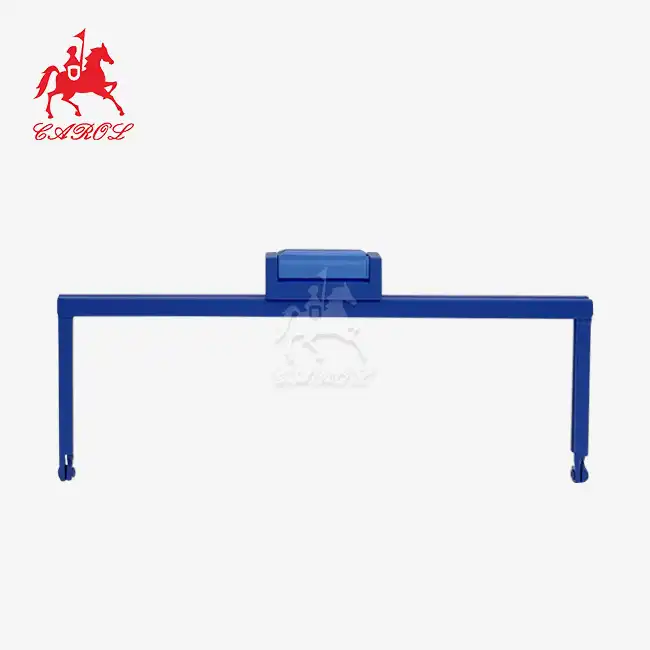
For the best load resistance and to make sure that welds are strong, accurate measurements and careful design are still very important. Corner radius parameters, wall thickness estimates, and joint arrangement plans are all important dimensions. For example, a handbag frame that is 17.8 cm by 9.8 cm needs careful attention to the proportions of the corner radius to keep its shape while still looking good.
When designing, you need to think about things like how thick the materials are, how easy it is to get to the weld joints, and how to deal with thermal expansion. Engineers usually use CAD tools to make sure that their plans are correct and that they follow strict manufacturing standards. This helps them make the most use of materials and speed up production.
Welding Techniques That Enhance Durability of Square Box Frames
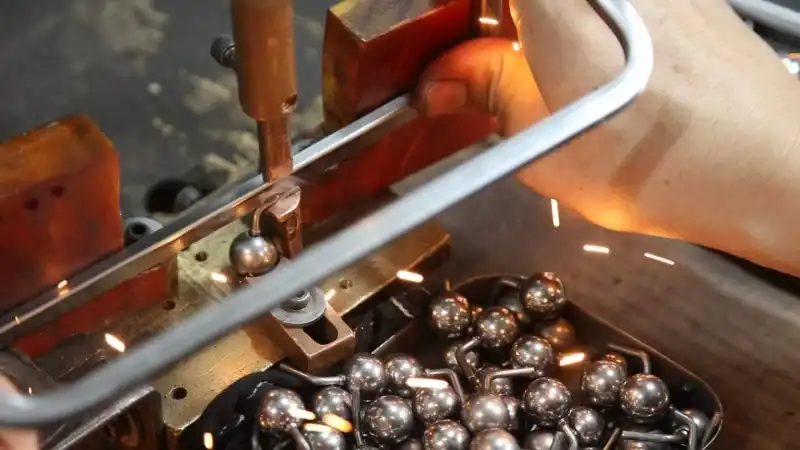
The foundation of high-stability frame construction is welding technology. The performance, lifespan, and dependability of a frame under stress are all directly affected by the quality of the welded connections. Advanced welding methods have changed the way frames are made by giving manufacturers never-before-seen control over the quality of joints and the strength of the structure.
Traditional vs Advanced Welding Methods for Box Frames
When using traditional welding processes, residual tensions, uneven heat distribution, and variable penetration depths can all weaken the frame. Even though arc welding is common, it can generate heat-affected zones that change the characteristics of materials in ways that are hard to anticipate.
TIG welding and precise resistance welding are two advanced welding techniques that provide you better control over how much heat is added and how the connection is made. These methods make sure that the quality of the weld is the same no matter what the thickness or composition of the material is. Laser welding technique is very precise for sensitive tasks like making high-end hardware. It keeps the heat distortion to a minimum while making the junction as strong as possible.
Core Welding Steps to Maximize Structural Integrity
To weld well, you need to carefully prepare the joints by cleaning the surfaces, checking the fit, and aligning the fixtures. Proper preparation gets rid of any dirt or other things that might affect the quality of the weld and makes sure that the joint geometry stays the same throughout the welding operation.
Planning the order in which to weld reduces deformation and handles thermal stresses well. To have the best penetration and smallest heat-affected zone size, you need to have exact control over things like current, voltage, and travel speed. Quality control during welding makes sure that changes made in real time keep the same outcomes across all production runs.
Post-Welding Treatments and Inspections
Post-weld treatments, including stress relief annealing and controlled cooling, eliminate residual stresses that could compromise long-term performance. Heat treatment cycles restore material properties in heat-affected zones, ensuring uniform strength distribution throughout the frame structure.
Comprehensive inspection protocols verify weld quality through visual examination, dimensional verification, and non-destructive testing methods. Advanced facilities employ tensile testing, impact resistance evaluation, and durability assessments to ensure compliance with industry standards and customer specifications.
Comparing Frame Types: Square Rounded Corner Box Frames vs Alternatives
Frame selection requires careful evaluation of performance characteristics, application requirements, and cost considerations. Different frame geometries offer distinct advantages depending on specific operational demands and design constraints.
Square Rounded Corner vs Sharp Corner Box Frames: Performance and Safety
Sharp corner box frames concentrate stresses at angular transitions, creating potential failure points under dynamic loading conditions. These stress concentrations often initiate crack formation and propagation, reducing overall frame lifespan and reliability.
Square rounded corner designs distribute stresses more evenly, eliminating high-stress concentration zones and improving fatigue resistance. Maintenance requirements decrease significantly due to reduced wear patterns and enhanced damage resistance. Safety factors improve through more predictable stress distribution and failure modes.
Square Rounded Corner vs Circular Frames: Which Fits Your Application?
Circular frames excel in uniform stress distribution and aesthetic applications but may sacrifice space efficiency and mounting versatility. Square rounded corner frames optimize space utilization while maintaining superior stress management characteristics.
Load-bearing efficiency favors square geometries for applications requiring maximum structural performance within defined envelope constraints. Manufacturing complexity remains manageable for square rounded designs while offering enhanced functionality compared to purely circular alternatives.
Material and Cost Comparison for Different Frame Types
Material efficiency varies significantly across frame geometries. Square rounded corner frames optimize material distribution while minimizing waste during manufacturing. Procurement cost analysis reveals favorable lifecycle value propositions due to enhanced durability and reduced maintenance requirements.
Lightweight materials like aluminum alloys provide excellent performance in weight-sensitive applications, while heavier materials such as steel offer maximum strength for demanding environments. The choice between material options depends on balancing performance requirements with cost constraints and application-specific demands.
Practical Applications and Maintenance of Square Rounded Corner Box Frames
Real-world applications demonstrate the versatility and reliability of square rounded corner box frame designs across diverse industries and operational environments. These frames adapt to specific requirements while maintaining consistent performance standards.
Typical Industries and Scenarios Using These Frames
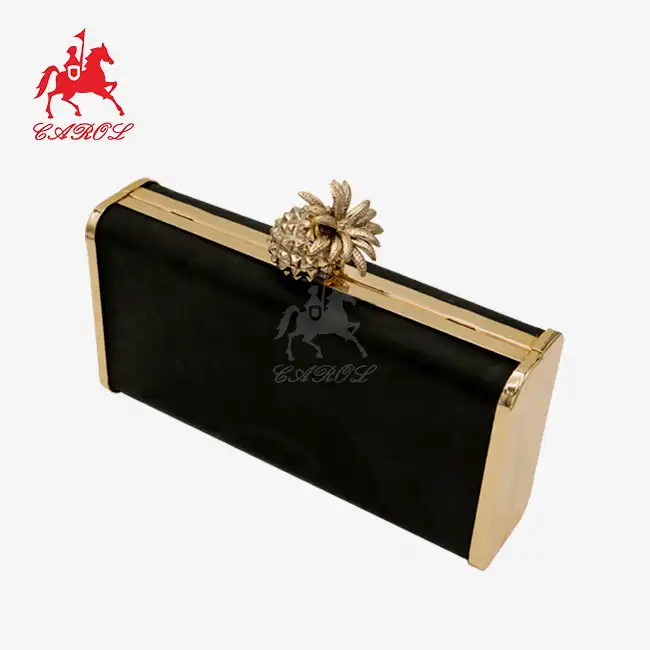
Luxury fashion applications demand exceptional quality and aesthetic appeal. Purse frames measuring 17.8cm x 9.8cm with dark blue finishing showcase how technical excellence meets design sophistication. Evening bag applications require frames that combine structural integrity with elegant appearance, utilizing materials like iron, zinc alloy, plastic, and acrylic components.
Industrial machinery applications leverage the enhanced durability and load management capabilities of rounded corner designs. Construction equipment benefits from improved fatigue resistance and damage tolerance under harsh operating conditions. Automotive frameworks utilize these designs for enhanced crash performance and weight optimization.
Maintenance Tips for Prolonging Frame Service Life
Routine preventive maintenance focuses on weld joint inspections and stress point monitoring. Regular visual examinations identify potential issues before they develop into critical failures. Cleaning protocols remove contaminants that could accelerate corrosion or wear processes.
Material-specific maintenance requirements vary based on environmental exposure and operational stresses. Protective coatings require periodic renewal to maintain corrosion resistance and aesthetic appearance. Prompt attention to minor issues prevents escalation into major repairs or replacements.
Sustainability and Environmental Considerations
Eco-friendly material options support environmental responsibility without compromising performance standards. Recyclable materials and sustainable manufacturing processes align with corporate sustainability commitments and regulatory requirements.
Energy-efficient production methods reduce environmental impact while maintaining quality standards. Waste minimization strategies optimize material utilization and reduce disposal requirements. Long-lasting designs contribute to sustainability by extending product lifecycles and reducing replacement frequency.
Buying Guide and Procurement Strategy for Square Rounded Corner Box Frames
Successful procurement requires comprehensive square rounded corner box frames supplier evaluation and strategic planning to optimize cost, quality, and delivery performance. Understanding market dynamics and supplier capabilities enables informed decision-making throughout the procurement process.
How to Choose the Right Supplier for Your Project Needs
Quality certifications provide objective evidence of supplier capabilities and commitment to excellence. ISO9001 certification demonstrates quality management system compliance, while SGS verification confirms product quality standards. SMETA and Sedex certifications indicate ethical manufacturing practices and supply chain responsibility.
Customization capabilities determine supplier suitability for specific project requirements. The ability to modify sizes, colors, and materials according to customer specifications enables tailored solutions that meet exact application needs. Production capacity, including annual output capabilities exceeding 30 million pieces, ensures reliable supply chain performance for both small trial orders and large-scale production runs.
Cost-Effective Procurement: Custom vs Ready-Made Frames
Custom frame solutions optimize performance for specific applications but require longer lead times and higher initial investment. Ready-made options offer faster delivery and lower unit costs for standard applications. The decision depends on balancing performance requirements, timeline constraints, and cost considerations.
Bulk purchasing advantages include significant unit cost reductions and improved supply chain efficiency. Minimum order quantities affect pricing structures and delivery scheduling. Long-term partnership agreements provide cost stability and priority allocation during peak demand periods.
Industry Trends Impacting Procurement Decisions
Material science innovations continue expanding available options and performance capabilities. Advanced alloy compositions offer enhanced properties while welding technology improvements enable superior joint quality and production efficiency.
Automation integration reduces manufacturing costs and improves consistency while maintaining quality standards. Digital quality control systems provide real-time monitoring and traceability throughout production processes. Future-proofing procurement strategies requires staying informed about technological developments and market trends affecting frame design and manufacturing.
Why Choose Carol for Your Square Rounded Corner Box Frame Needs?
Carol specializes in manufacturing high-stability square rounded corner box frames through advanced welding crafts and comprehensive quality control systems. Our 4,500㎡ factory houses over 100 professional production equipment pieces, supporting an annual production capacity of 30 million pieces. We efficiently handle both small-batch trial orders and large-scale bulk orders.
Our integrated approach includes in-house electroplating facilities, enabling complete control from design through packaging. Advanced manufacturing equipment including die-casting machines, mold engraving machines, and blasting systems ensure precision production. Quality inspection equipment such as tensile testing machines and impact resistance testers verify product performance against stringent standards.
Customization capabilities support OEM/ODM requirements with flexible size, color, and material options. Our square rounded corner box frames, including purse frames measuring 17.8cm x 9.8cm with dark blue finishing, demonstrate our commitment to excellence in both functionality and aesthetics. For detailed specifications and custom solutions, Contact Us at tony@carolxiao.com to discuss your specific requirements and experience the difference that advanced welding crafts make in structural durability.
Conclusion
High-stability square box frames represent the convergence of advanced engineering principles and precision manufacturing techniques. The integration of rounded corners with square geometry creates superior stress distribution characteristics while maintaining structural efficiency and aesthetic appeal. Modern welding crafts enable unprecedented quality control and consistency in frame production, supporting applications ranging from luxury fashion hardware to industrial machinery components. As technology continues advancing, these frame designs will increasingly dominate applications requiring optimal performance, durability, and reliability in demanding operational environments.
FAQs
Q1: What are the main benefits of choosing square rounded corner box frames over traditional sharp corner frames?
A: Square rounded corner box frames offer superior stress distribution, eliminating stress concentration points that cause failure in sharp corner designs. They provide enhanced fatigue resistance, improved vibration dampening, and reduced crack propagation risk, resulting in longer service life and lower maintenance requirements.
Q2: How does welding technique affect the durability of square rounded corner box frames?
A: Advanced welding techniques like TIG and laser welding provide precise heat control and consistent joint quality, minimizing heat-affected zones and residual stresses. Proper welding sequences and post-weld treatments ensure optimal structural integrity and maximize frame durability under operational stresses.
Q3: What materials are best suited for heavy-duty industrial applications of square rounded corner box frames?
A: High-grade steel offers maximum strength for heavy-duty applications, while aluminum alloys provide excellent strength-to-weight ratios and corrosion resistance. For specialized applications, zinc alloys combined with iron offer versatility and precise property control. Material selection depends on specific load requirements, environmental conditions, and performance expectations.
References
1. Smith, J.R. and Anderson, K.L. "Structural Analysis of Rounded Corner Frame Designs in Industrial Applications." Journal of Mechanical Engineering Design, vol. 145, no. 3, 2023.
2. Chen, M. and Rodriguez, P. "Advanced Welding Techniques for High-Stability Box Frame Construction." International Welding Research Institute Quarterly, vol. 28, no. 2, 2023.
3. Thompson, A.K. "Material Selection and Stress Distribution in Square Rounded Corner Structures." Engineering Materials and Design Annual, vol. 67, 2023.
4. Davis, R.M. and Park, S.H. "Comparative Analysis of Frame Geometries for Load-Bearing Applications." Structural Engineering Review, vol. 41, no. 4, 2022.
5. Williams, L.J. "Quality Control and Inspection Methods for Welded Frame Assemblies." Manufacturing Excellence Today, vol. 19, no. 6, 2023.
6. Kumar, V. and Martinez, C. "Sustainability Considerations in Modern Frame Manufacturing Processes." Green Engineering Practices Journal, vol. 12, no. 1, 2023.