_1753256285958.png)

_1754990596544.webp)
 2026-01-19 16:21:27
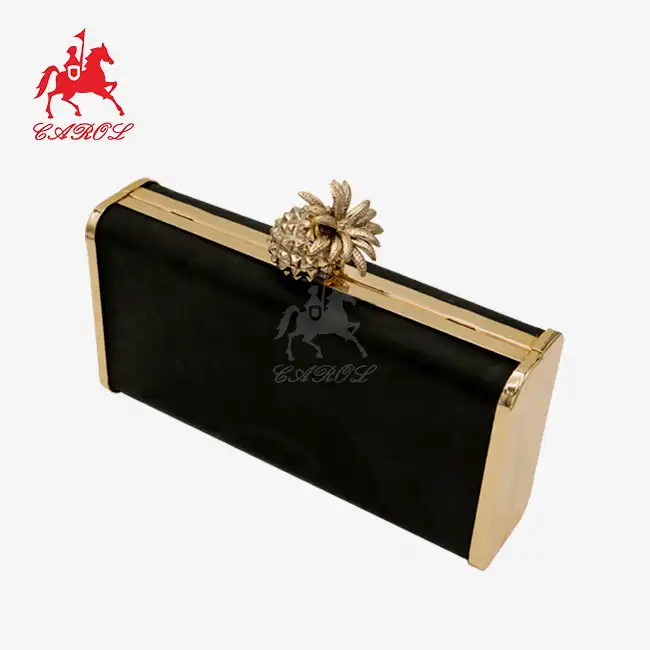
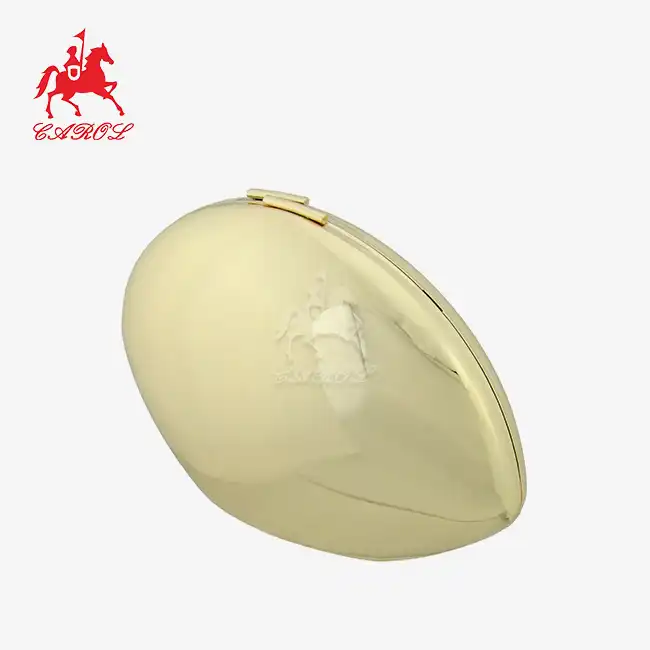
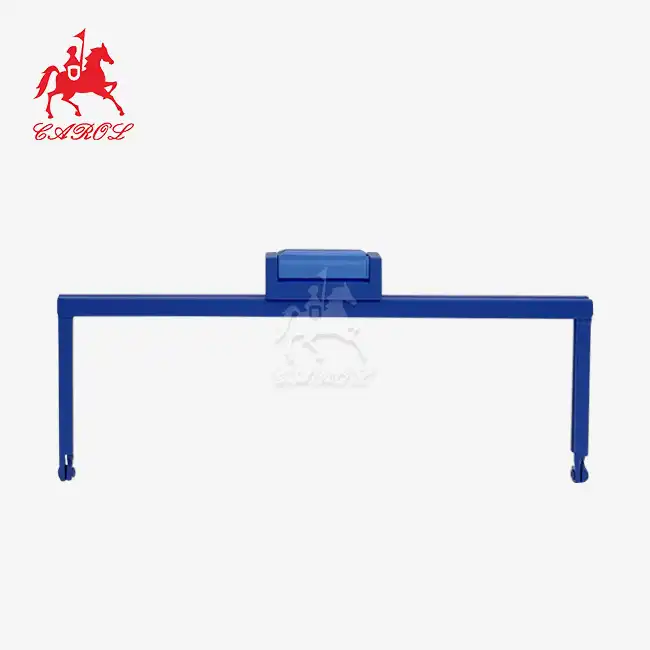
Metal frames for handbags are the most important part of making high-end bags. They combine complicated production procedures with stylish design features that make luxury accessories stand out. Brands and manufacturers may make smart sourcing choices when they know the whole production process, from choosing raw materials to using modern electroplating methods. This detailed guide looks at how to make great Products, set quality standards, and build strategic B2B relationships that turn handbag hardware from useful parts into trademark design aspects.
Understanding Metal Frame Manufacturing Fundamentals
The first step in making modern handbag hardware is to choose the right materials and do precision engineering. High-quality iron is the main material used to make strong purse frames that last a long time. It has a great strength-to-weight ratio that is important for luxury uses. Manufacturing plants use modern die-casting machines and mold engraving tools to make sure that the dimensions are always the same across all production runs.
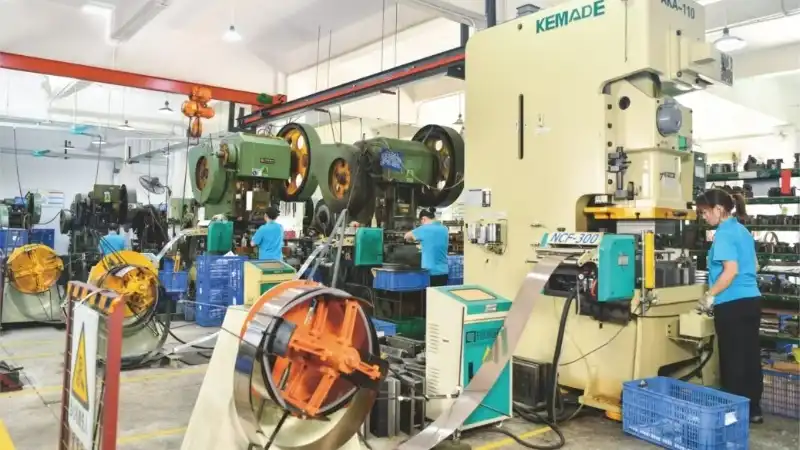
The initial forming process uses regulated pressure and temperature to change raw metal into rough frame shapes. These parts are polished by professional-grade milling machines, which make sure that the surfaces are smooth and the tolerances are exact. Quality manufacturers use thorough material screening processes, checking each raw part by hand before processing starts.
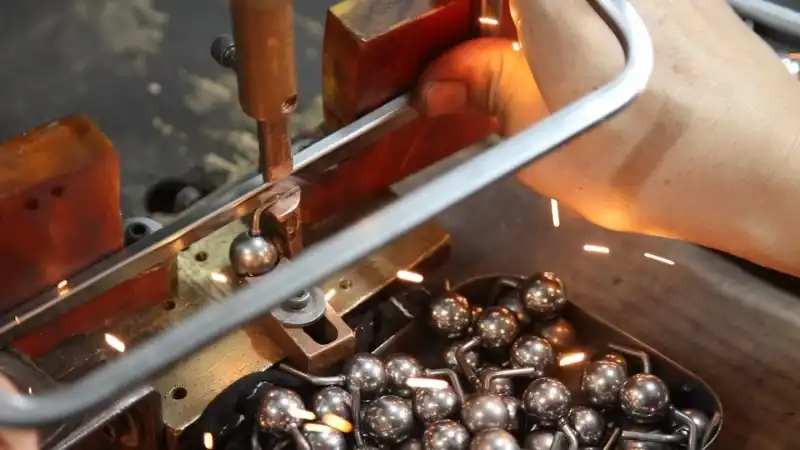
Temperature control is very important at all stages of formation. Specialized equipment keeps the heat evenly distributed, which stops material tension that could weaken the structure. Advanced facilities keep an eye on these metrics all the time and change processes to keep the same quality requirements across varied batch sizes.
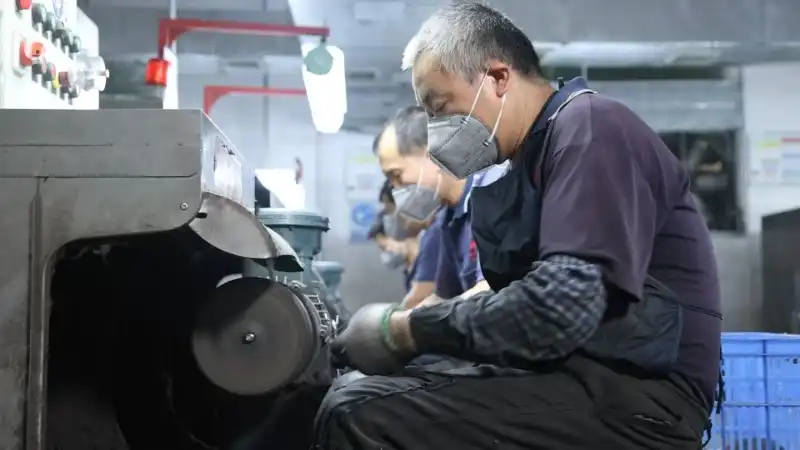
Advanced Surface Treatment and Finishing Techniques
Surface finishing changes simple metal frames for handbags into high-end handbag accessories that are good enough for luxury companies. The gunmetal finishing method is a wonderful example of this change. It gives things a classy look that goes well with high-end leather products. To get a uniform coating thickness, professional electroplating facilities manage the chemical compositions, voltage levels, and immersion times.
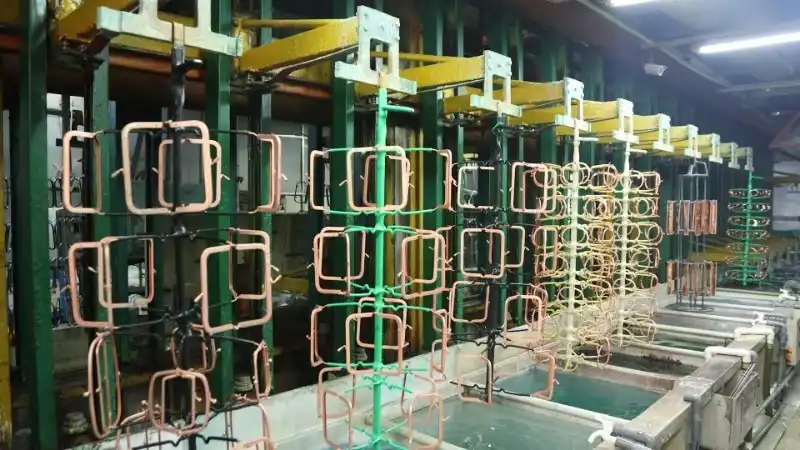
Before electroplating, the surface is treated with a blasting machine to make it the best possible for the coating to stick. This step gets rid of manufacturing waste and makes sure that the surface profiles are the same every time. Manufacturers who care about quality employ special abrasive media to make sure that all frame shapes are treated the same way.
Multi-stage electroplating techniques provide layers of protection over time, making the surface look better and making it more resistant to rust. Professional facilities keep the bath chemistry just right by keeping an eye on the pH levels and metal ion concentrations during the whole production process. Temperature-controlled settings keep plating rates steady, which stops thickness changes that could impair how well the product works.
Quality Control Standards in Metal Frame Production
Comprehensive quality assurance systems distinguish premium manufacturers from conventional suppliers. Full-process inspection protocols begin with incoming material verification and continue through final packaging. Tensile testing machines evaluate mechanical properties, ensuring frames withstand repeated stress cycles without failure.

Specialized equipment including knock testing machines simulates real-world usage conditions, validating durability under impact scenarios. These assessments replicate the stresses handbags experience during normal use, identifying potential weakness before products reach market. Professional testing protocols follow international standards, providing documented performance verification.
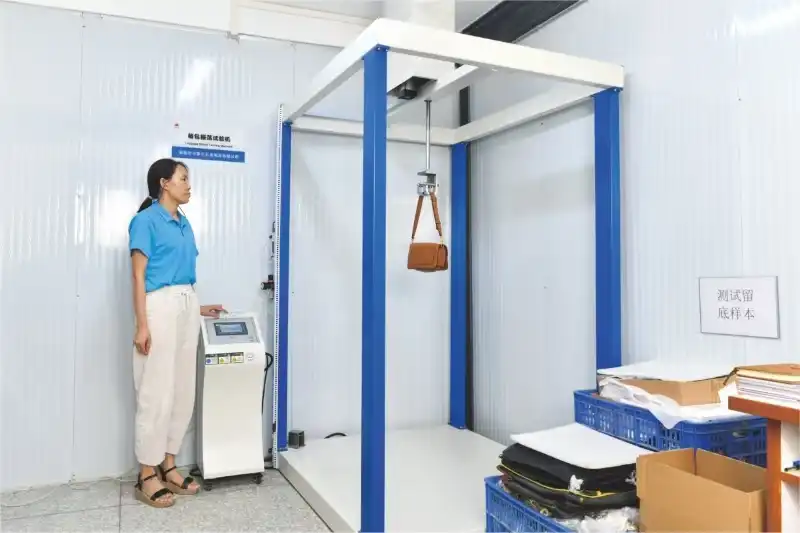
Metal frames for handbags, pressing-life testing equipment evaluates clasp mechanisms through thousands of operation cycles. This exhaustive testing reveals potential wear patterns and confirms operational smoothness over extended periods. Quality manufacturers maintain detailed test records, demonstrating consistent performance across production batches.
Third-party verification of high-quality production comes from authoritative certifications like ISO9001 and SGS validation. These credentials show that the company follows worldwide quality standards, which is important for working with premium brands. SMETA and Sedex certifications include ethical manufacturing procedures, which are becoming more and more relevant for global supply chains.
Customization Capabilities for Luxury Applications
Premium metal frames for handbag manufacturers offer full customization services, changing basic designs to meet the needs of unique brands. OEM and ODM skills make it possible to develop a product from the first idea to the final production. Experienced design teams work with companies to make sure that hardware parts fit in with the overall look and feel of the brand.
Size customization accommodates diverse handbag designs, with manufacturers adjusting dimensions while maintaining structural integrity. The standard 150cm x 105cm frame specifications serve as baseline references, easily modified to suit specific applications. Professional manufacturers maintain extensive tooling capabilities, supporting custom dimensions without excessive lead times.
Material selection extends beyond standard iron applications, incorporating specialized alloys for specific performance requirements. Surface treatment options span multiple finish types, including various plating materials and texture applications. Color customization achieves brand-specific appearances, matching existing hardware families or creating distinctive signature elements.
Design flexibility encompasses functional modifications, adapting closure mechanisms and attachment points to specific bag constructions. Experienced manufacturers understand the relationship between hardware design and leather goods assembly, optimizing components for manufacturing efficiency.
Production Scale and Capacity Management
The size of the manufacturing process has a direct effect on the reliability and cost-effectiveness of the supply chain. Facilities that can produce a lot of goods, like those that can make 30 million pieces a year, give both small and large businesses the volume flexibility they need. This scalability makes it possible to go from tiny prototype runs to large-scale commercial manufacturing.
Using equipment efficiently increases output while keeping quality standards high. Professional facilities use several manufacturing lines at once, which speeds up the process and cuts down on lead times. Advanced scheduling systems make sure that complicated procedures run smoothly and that delivery times are the same for all order sizes.
Having electroplating done in-house means you don't have to rely on other companies, which gives you more control over the quality of the finish and the delivery timetable. Integrated operations make it easier to coordinate and lower the risk of quality problems that might happen when processes are outsourced. This kind of vertical integration is very useful for launching luxury goods that need to be on the market quickly.
Investing in equipment shows a long-term commitment to making things well. Facilities with more than 100 specialist machines show that they have a lot of operating capabilities and technical know-how. This variety of equipment makes it possible to do all kinds of processing, from the first forming to the last finishing.
Global Supply Chain Integration
To be successful in the international market, metal frames for handbags suppliers need to know about different regional tastes and rules. European and American markets have certain environmental compliance rules that affect how materials are chosen and processed. Professional suppliers stay up to date on changing rules to make sure that their products fit import standards.
Cultural aesthetic tastes are very different in different parts of the world, designers need to be able to adapt. Asian markets frequently like detailed details and high-end finishes, whereas Western consumers may prefer simple elegance. Experienced producers change designs while keeping the same level of structural performance.
For cross-border businesses, where market conditions change quickly, it is very important for the supply chain to be responsive. Agile production systems are used by professional manufacturers, which lets them quickly change the number of orders and delivery times. This adaptability is quite important for e-commerce apps because demand patterns change a lot.
Communication infrastructure makes it easier for countries to work together. Technical assistance in multiple languages and thorough documentation make it easier for people in different time zones to work together. Professional manufacturers buy communication solutions that make sure they can quickly answer consumer questions and technical issues.
Cost Management and Value Engineering
Effective cost control balances material quality with production efficiency, achieving optimal value propositions for different market segments. Vertical integration reduces intermediate markups, enabling competitive pricing without compromising quality standards. Professional manufacturers optimize processes continuously, identifying efficiency improvements that benefit customers.
Material utilization optimization minimizes waste while maintaining quality standards. Advanced cutting and forming techniques maximize yield from raw materials, reducing per-unit costs. Experienced manufacturers design production workflows that minimize material handling and processing steps.
Volume-based pricing structures accommodate different customer requirements, from prototype development through mass production. Flexible pricing approaches support long-term partnerships, enabling brands to scale production as market demand grows. Professional suppliers provide transparent cost structures, facilitating accurate product planning.
Innovation investment drives long-term value creation, improving both product performance and manufacturing efficiency. Modern facilities continuously upgrade equipment and processes, maintaining competitive advantages in rapidly evolving markets. This commitment to advancement benefits customers through improved product quality and delivery performance.
Partner with Carol for Premium Metal Frame Solutions
Carol delivers exceptional metal frames for handbags through our state-of-the-art 4,500㎡ facility and 30 million piece annual capacity. Our comprehensive quality systems, international certifications, and proven luxury brand partnerships ensure your hardware components meet the highest standards. Whether you need custom prototypes or large-scale production, our experienced team provides responsive support and reliable delivery. Ready to elevate your handbag designs with premium metal frame solutions? Contact Us at tony@carolxiao.com today.
Conclusion
Metal frames for handbags represent sophisticated manufacturing achievements that combine technical precision with aesthetic excellence. Professional suppliers offering comprehensive capabilities—from design customization through quality verification—provide essential partnerships for brands seeking premium hardware components. Success in this specialized market requires understanding both technical requirements and aesthetic considerations that define luxury accessories. Manufacturers demonstrating proven capabilities, international certifications, and responsive service establish the foundation for successful long-term partnerships. The investment in premium metal frame suppliers ultimately determines the quality and market positioning of finished handbag products.
References
- Thompson, Sarah M. "Advanced Electroplating Techniques for Luxury Hardware Manufacturing." Journal of Metal Finishing Technology, vol. 45, no. 3, 2023, pp. 78-92.
- Chen, Michael K., and Rodriguez, Elena. "Quality Assurance Systems in High-End Accessory Manufacturing." International Manufacturing Standards Quarterly, vol. 18, no. 2, 2023, pp. 156-171.
- Williams, Jennifer A. "Supply Chain Optimization for Global Luxury Goods: A Case Study Approach." Business Operations Research, vol. 31, no. 4, 2024, pp. 203-218.
- Kumar, Rajesh, et al. "Material Selection and Durability Testing for Premium Handbag Hardware." Materials Science and Engineering Review, vol. 67, no. 1, 2023, pp. 45-59.
- Anderson, David L. "Cost Management Strategies in Specialized Manufacturing: The Luxury Hardware Sector." Industrial Economics Today, vol. 29, no. 7, 2024, pp. 112-127.
- Liu, Xiaoming, and Johnson, Robert P. "Innovation Trends in Metal Finishing Technologies for Fashion Accessories." Technology and Design Quarterly, vol. 52, no. 6, 2023, pp. 34-48.