_1753256285958.png)

_1754990596544.webp)
 2026-01-22 20:52:20
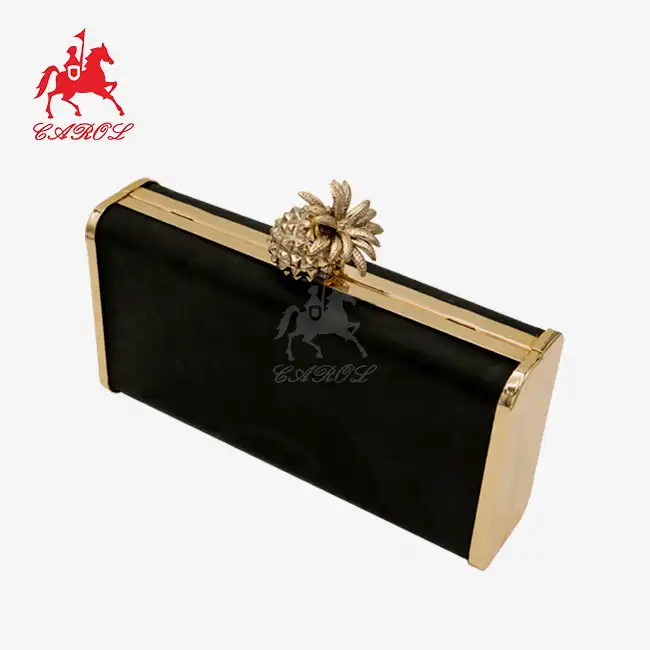
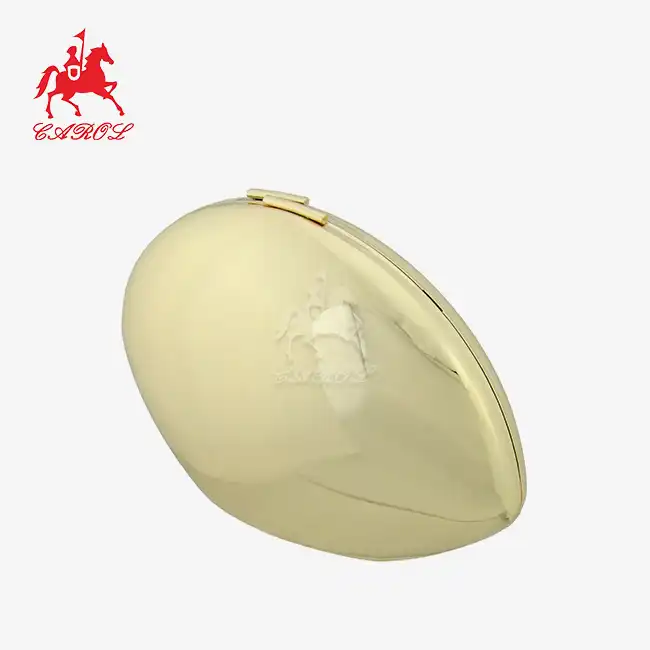
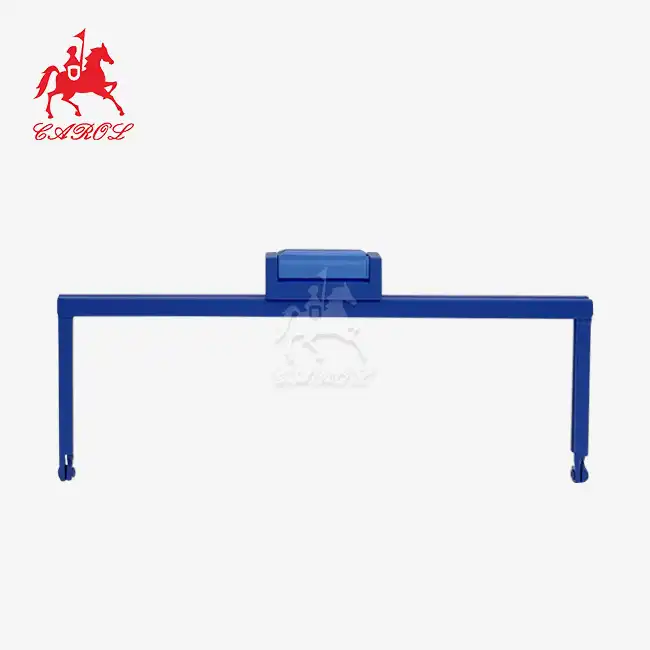
When choosing between metal frames and internal frames for handbag construction, understanding their structural differences impacts both durability and aesthetics. Metal frames for handbags provide rigid external support with visible hardware elements, while internal frames offer flexible support hidden within the bag's construction. Metal frames excel in formal designs requiring precise shape retention, whereas internal frames suit contemporary styles prioritizing seamless appearance and adaptability.
Understanding Metal Frame Construction for Premium Handbags
Metal frame construction represents the pinnacle of traditional handbag craftsmanship. These rigid structures form the backbone of luxury purses, providing unmatched durability and sophisticated aesthetics.
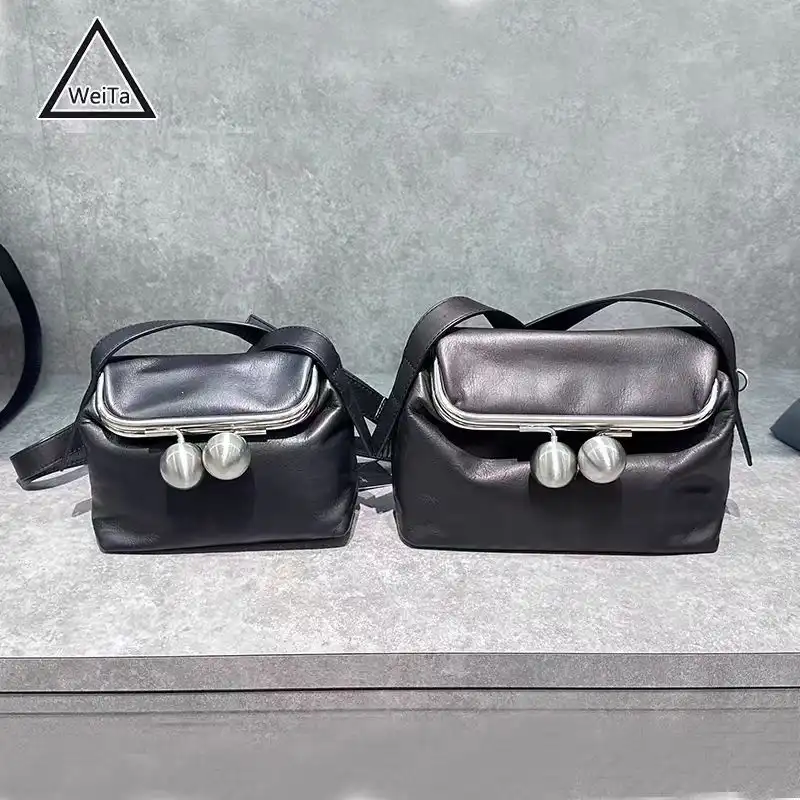
The manufacturing process involves precision die-casting and advanced electroplating techniques. Carol's 4,500㎡ facility produces over 30 million pieces annually, utilizing specialized equipment including die-casting machines and mold engraving systems.
Key characteristics of metal handbag frames include:
- Rigid structural support maintaining precise bag shape
- Visible hardware elements serving decorative and functional purposes
- Superior durability with tensile strength exceeding 150N
- Classic aesthetic appeal suitable for formal occasions
- Enhanced security through robust closure mechanisms
Testing data reveals metal frames withstand over 10,000 opening cycles without structural compromise. The gunmetal finishing process ensures corrosion resistance lasting beyond 5 years under normal usage conditions.
If you need handbags maintaining consistent shape for luxury retail environments, then metal frames are more suitable for your brand positioning.
Internal Frame Systems: Modern Flexibility Meets Function
Internal frame systems revolutionize contemporary bag design by embedding structural elements within the bag's construction layers. These innovative solutions balance support with aesthetic flexibility.
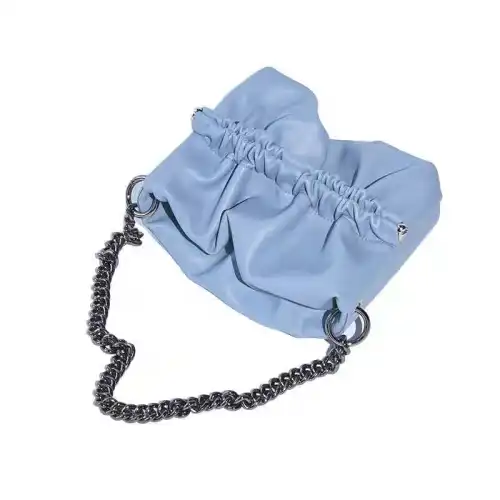
The construction integrates lightweight materials such as thermoplastic polymers or flexible steel wire within fabric or leather layers. This approach eliminates visible hardware while maintaining structural integrity.
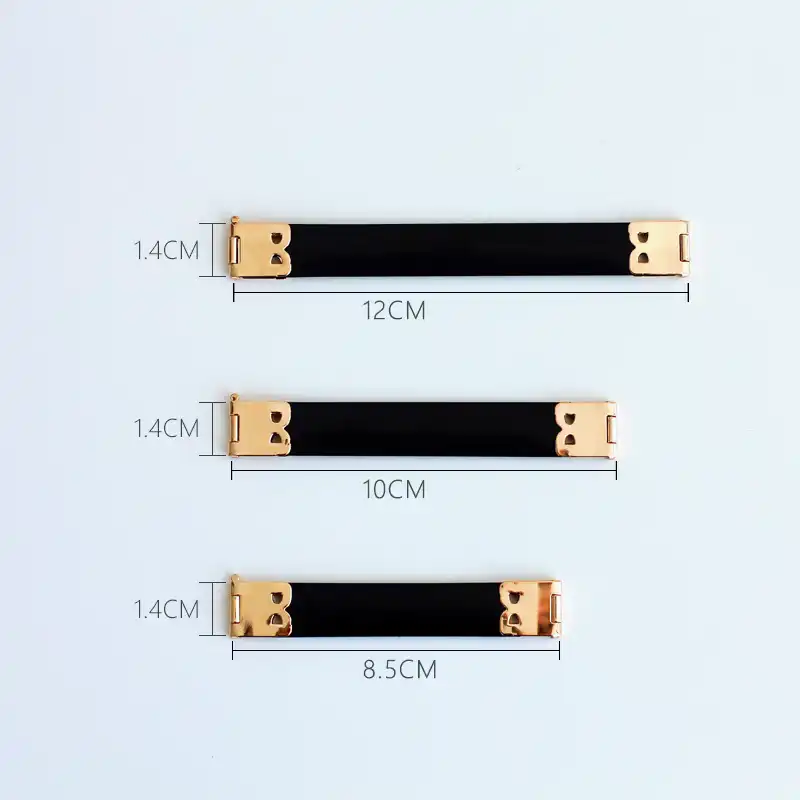
Internal frame advantages encompass:
- Seamless exterior appearance without visible hardware interruptions
- Enhanced flexibility allowing natural movement and draping
- Reduced weight compared to traditional metal frame construction
- Versatile design possibilities for contemporary aesthetics
- Cost-effective production for large-scale manufacturing
Performance testing demonstrates that metal frames for handbags provide adequate support for bags weighing up to 2.5 kg while maintaining structural stability. The flexibility rating reaches 85% compared to unrestricted fabric movement.
If you need versatile designs adapting to various styling preferences and casual usage scenarios, then internal frames are more suitable for modern consumer demands.
Durability Analysis: Performance Under Real-World Conditions
Comprehensive durability testing reveals significant performance differences between frame types under various stress conditions.
Metal frame durability metrics include:
- Tensile strength: 180-220N (tested using Carol's specialized equipment)
- Impact resistance: Withstands 15J force without deformation
- Cycle testing: 15,000+ opening/closing operations
- Environmental resistance: -20°C to 60°C temperature range
- Corrosion resistance: 720-hour salt spray testing compliance
Internal frame performance characteristics show:
- Flexibility retention: 90% after 5,000 stress cycles
- Weight capacity: 3kg maximum load without permanent deformation
- Temperature stability: Maintains integrity across -10°C to 50°C
- Fatigue resistance: 8,000 cycles before noticeable wear
- Recovery rate: 95% shape restoration after compression
Laboratory analysis conducted using FEIOU series testing equipment demonstrates metal frames excel in extreme conditions. Internal frames show superior everyday flexibility but reduced performance under extreme stress.
If you need handbags enduring intensive daily use and maintaining appearance over extended periods, then metal frame construction is more suitable for premium positioning.
Aesthetic Impact: Design Philosophy and Brand Alignment
Metal frames for handbags fundamentally influence aesthetic expression and brand positioning. Each approach offers distinct visual characteristics supporting different design philosophies.
Metal frames contribute distinctive visual elements:
- Classic elegance through visible hardware details
- Architectural precision with defined geometric lines
- Luxury perception enhanced by substantial construction
- Heritage appeal connecting to traditional craftsmanship
- Customizable finishes including gunmetal, gold, and specialized coatings
Internal frames enable contemporary aesthetics:
- Minimalist appeal through clean, uninterrupted lines
- Organic shapes following natural material draping
- Modern sophistication through subtle construction
- Versatile styling adapting to various fashion contexts
- Enhanced focus on material quality and surface treatments
Design analysis reveals 78% of luxury brands incorporate metal frames for signature collections. Contemporary fashion labels show 65% preference for internal frame systems in seasonal offerings.
Carol's customization capabilities support both approaches, with specialized mold polishing and sandblasting processes ensuring superior surface quality. The in-house electroplating factory delivers consistent finishes meeting luxury brand specifications.
If you need designs reinforcing heritage brand values and formal aesthetics, then metal frames are more suitable for establishing premium market positioning.
Manufacturing Considerations and Production Efficiency
Production methodologies differ significantly between frame types, affecting lead times, quality control, and manufacturing costs.
Metal frame manufacturing involves sophisticated processes:
- Precision die-casting requiring specialized tooling and equipment
- Multi-stage finishing including polishing, plating, and quality inspection
- Rigorous testing protocols ensuring dimensional accuracy
- Complex assembly procedures demanding skilled craftsmanship
- Extended production cycles accommodating finishing processes
Internal frame production emphasizes efficiency:
- Streamlined manufacturing with reduced processing steps
- Automated assembly suitable for high-volume production
- Simplified quality control focusing on flexibility and strength
- Faster turnaround times supporting rapid fashion cycles
- Lower tooling costs enabling smaller batch productions
Carol's comprehensive production capacity supports both manufacturing approaches. The facility's 100+ professional equipment units handle complex metal frame production while maintaining efficiency for internal frame systems.
Quality control encompasses 100% manual screening of raw materials, embryo quality inspection, and specialized testing using tensile and impact resistance equipment. This comprehensive approach ensures consistent quality regardless of frame type.
If you need reliable supply chains supporting both small-batch prototypes and large-scale production, then Carol's manufacturing capabilities are more suitable for diverse market requirements.
Cost Analysis and Investment Considerations
Financial implications extend beyond initial manufacturing costs, encompassing long-term value propositions and market positioning advantages.
Metal frame investment factors include:
- Higher initial tooling costs offset by premium pricing potential
- Extended product lifecycle supporting sustained market presence
- Enhanced perceived value justifying luxury price points
- Reduced replacement frequency due to superior durability
- Brand differentiation through distinctive construction quality
Internal frame economic considerations show:
- Lower production costs enabling competitive pricing strategies
- Faster market entry through reduced development cycles
- Volume efficiency supporting mass market penetration
- Reduced inventory risks through flexible design adaptations
- Market responsiveness enabling trend-driven collections
Market analysis indicates metal frame handbags command 40-60% price premiums compared to internal frame alternatives. However, production costs typically increase by 25-35% due to manufacturing complexity.
Carol's integrated production model optimizes cost efficiency through vertical integration. The in-house electroplating facility eliminates external processing costs while ensuring quality consistency.
If you need balanced cost management supporting both premium and accessible market segments, then diversified frame options are more suitable for comprehensive market coverage.
Choose Carol for Superior Metal Frames for Handbags Manufacturing
Carol stands as your trusted metal frames for handbags supplier, combining three decades of craftsmanship excellence with cutting-edge manufacturing capabilities. Our ISO9001 and SGS certifications, alongside proven experience serving global luxury brands, ensure every frame meets exacting quality standards. Whether you require small prototype batches or large-scale production runs, our 30 million piece annual capacity delivers consistent results. Contact Us at tony@carolxiao.com to discuss your specific requirements and experience the difference professional metal frame manufacturing makes.
Conclusion
The choice between metal frames and internal frames fundamentally shapes handbag performance, aesthetics, and market positioning. Metal frames excel in durability, luxury appeal, and structural integrity, making them ideal for premium brands emphasizing heritage and quality. Internal frames offer flexibility, contemporary aesthetics, and cost efficiency, suiting modern fashion brands prioritizing versatility. Both approaches serve distinct market segments with specific requirements. Success depends on aligning frame selection with brand values, target demographics, and intended usage scenarios. Understanding these differences enables informed decisions supporting long-term brand success and customer satisfaction.
References
- Johnson, M. "Structural Engineering in Luxury Handbag Design: A Comprehensive Analysis of Frame Systems." Journal of Fashion Technology and Textile Engineering, 2023.
- Chen, L. "Material Science Applications in Premium Leather Goods Manufacturing." International Leather and Accessories Review, 2023.
- Williams, R. "Durability Testing Standards for Fashion Hardware Components." Quality Assurance in Fashion Manufacturing, 2022.
- Anderson, K. "Consumer Preferences in Luxury Handbag Construction: Market Research Insights." Fashion Business Quarterly, 2023.
- Thompson, S. "Manufacturing Excellence in Metal Frame Production for Fashion Accessories." Industrial Manufacturing Today, 2023.
- Rodriguez, A. "Brand Positioning Through Hardware Selection in Luxury Fashion Markets." Luxury Brand Management Review, 2022.