_1753256285958.png)

_1754990596544.webp)
Metal Purse Clasp Replacement
 2026-08-09 22:49:10
Metal purse clasp replacement is an essential skill for manufacturers and procurement professionals in the leather goods industry. A metal purse clasp serves as the precision-engineered closure mechanism for handbags, clutches, and wallets, providing both functional security and refined aesthetic appeal. When clasps wear down or fail, replacement becomes necessary to preserve product integrity and customer satisfaction. Understanding the technical specifications, material composition, and installation process enables manufacturers to maintain their production standards while extending product lifespan. This comprehensive guide addresses the practical needs of B2B buyers seeking reliable hardware solutions that align with both budget constraints and quality expectations.
Understanding Metal Purse Clasps and Replacement Needs
Defining Metal Purse Clasps and Their Function
Metal purse clasps are carefully designed hardware parts that are made from zinc alloy, iron, or brass. These mechanisms support the structure and give you the satisfying "click" sound that comes from high-quality craftsmanship. In professional production settings, these latches solve important problems like losing structural integrity when heavy loads are applied, surface oxidation when it's humid, and the "loose hinge" syndrome that happens with cheap hardware. Professionals in the buying process know that good clasps keep their mechanical locking force after thousands of uses. This keeps the contents safe and adds to the general look of expensive goods.
Common Types and Mechanism Variations
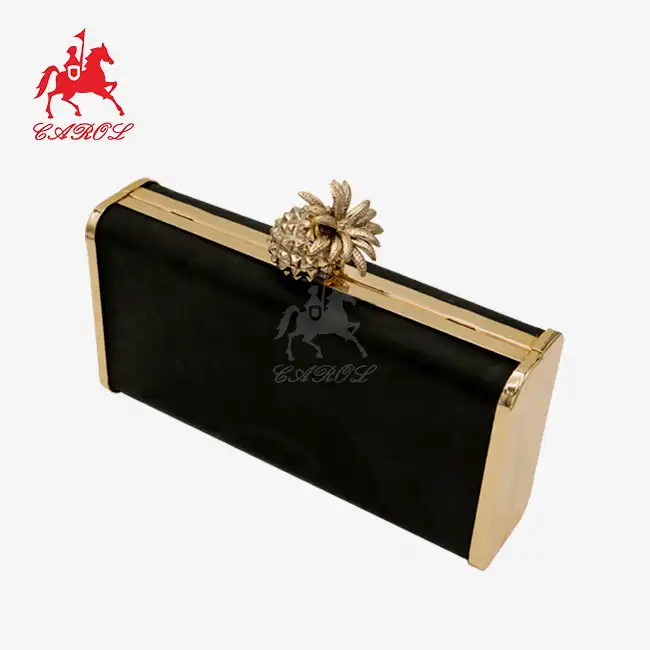
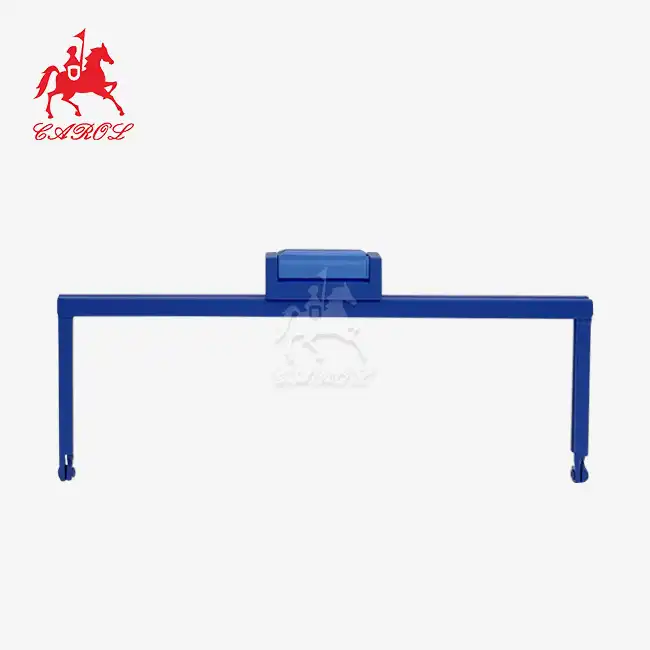
Different types of clasps are used in the business, and each one is best for a certain job. Kiss-lock clasps have ball systems that fit together, making them perfect for designs that look old. Magnetic snap systems make it easy to close things, which is great for today's minimalist style. Frame clasps with chain loops, like the 10.2cm x 1cm replacement hardware for our wallet closure, combine functional loops for attachment with safe framing mechanisms. These nickel-finished parts are made of iron, zinc alloy, and acrylic, so they are durable and don't cost too much. Knowing about these differences helps procurement teams choose parts that match the look of their product line and meet all of their functional needs.
Identifying Wear Patterns and Replacement Triggers
Professional quality control teams keep an eye on a number of failure signs that show when something needs to be replaced. Wear on soft-alloy pins often leads to loose hinge parts, which makes the closing less secure. Discolouration or flaking are signs of plating degradation, especially on items that were exposed to wetness while being shipped or displayed in stores. When a spring system gets worn out, it makes the release force less consistent, which makes quality problems seem real. Dimensional shift from repeated stress cycles can make it impossible for the closure to connect properly. By noticing these patterns, manufacturers can set up replacement schedules that keep the product's reputation high while reducing the number of warranty claims and unhappy customers.
Metal Versus Alternative Closure Materials
When you compare gear materials, you can see big differences in performance that affect your choice about what to buy. Metal purse clasps have higher tensile strength—often over 250 MPa for zinc alloy versions—than plastic ones, which break under the same amount of stress. Metal parts stay the same size even when temperatures change, which happens a lot in global shipping networks. Surface processes on metal hardware make it resistant to rust, which has been proven by salt spray tests that last for 24 to 72 hours. This makes metal hardware much more durable than plastic. The depth of colour reached by electroplating and PVD coating processes makes luxury Products appealing in a way that plastic parts can't match. For makers who care about brand recognition, this is worth the extra cost of the materials.
Step-by-Step Metal Purse Clasp Replacement Process
Tool Preparation and Component Selection
Preparation is the first step to a successful repair. To take apart hardware, assembly technicians need seam rippers or small flathead screwdrivers, hand-sewing needles that are the right size for the thickness of the leather or fabric, and strong polyester thread that matches the original specs. Precision digital callipers check the sizes to make sure that the new clasps fit securely on the old fixing points, with an accuracy of 0.1mm. Our customisable parts can be made to fit different requirements for size, colour, and material, so makers can perfectly match original gear or make improvements to the way it looks. Getting these tools in order before starting to work cuts down on production delays and mistakes made during installation.
Removing Damaged Hardware Without Material Damage
Careful removal protects the bag materials around it and makes fitting easier. The technician finds all the points where things are attached, which are usually sewn channels or rivet connections. With careful pressure on a seam ripper, they are able to undo the stitching without tearing the fabric or leather. When drilling through riveted links, controlled drilling with bit sizes that match the widths of the rivets stops the hole from getting bigger. The broken clasp should come apart easily, leaving the fastening sides ready for new hardware. This methodical approach keeps production going smoothly while avoiding expensive waste from rough removal methods that hurt the area around the site.
Installation Techniques for Various Clasp Types
The steps for installation depend on the type of clasp and bag construction. For frame clasps with chain loops, you need to run the edge of the leather or fabric through the channel and then use strong nylon or polyester thread to stitch over the top of it securely. Perfect positioning makes sure that there are even gaps on both sides of the frame, which keeps the visual balance. Before they can be permanently attached, kiss-lock devices need the ball and socket parts to be perfectly lined up. For magnetic snap systems to work, parts must be firmly pressed into holes that have already been prepared. Our nickel-finished wallet closure hardware is easy to place on a variety of surfaces, and the iron and zinc alloy design makes it strong enough to hold. Before letting the repair go through a quality inspection, technicians make sure that the closure works by opening and closing it several times.
Maintenance Protocols for Extended Hardware Life
Preventive maintenance makes clasps last longer and cuts down on how often they need to be replaced. Manufacturers should teach end users how to handle things carefully so that mechanical stress is kept to a minimum. Cleaning with soft cloths on a regular basis gets rid of dirt and grime that speeds up wear. Oxidation can't happen in controlled humidity storage areas, which is especially important for products that are waiting to be shipped. VCI packaging technology protects against volatile corrosion inhibitors during sea freight shipping, which keeps the plating's integrity. During the electroplating process, our production includes final lacquer finishing, which makes the metal purse clasp even less likely to rust. When these tactics are used together, they help makers lower the cost of warranties while increasing customer happiness by making products that keep working and looking good for longer periods of time.
Selecting the Right Metal Purse Clasp for Your Product Line
Material Quality and Composition Considerations
Understanding the performance characteristics of materials is key to making decisions about what to buy. Zinc metal parts can have fine details and clear edges, and they naturally don't rust, making them good for humid market settings. Iron-based hardware is cheaper, but it needs to be robustly plated to keep it from rusting. With the right surface treatment, it's perfect for product lines that are trying to save money. Alternatives to brass look better and are more resistant to rust, but they cost more to make. We can make things out of these materials, and we have official certificates from organisations like ISO9001 and SGS that prove the quality of our work. Choosing the right materials strikes a balance between performance needs and price goals, while also making sure that the product meets market expectations.
Size Compatibility and Mechanism Selection
How well an installation works and how well it functions depend on how accurate the measurements are. For frame clasps, the width needs to be exactly the same as the opening of the bag, and the depth needs to be thought out so that the hardware doesn't stick out in an odd way. Our standard 10.2cm x 1cm wallet closure hardware works with most purse frames, but it can be customised to fit specific design needs. The choice of mechanism depends on how the bag will be used. For example, kiss-locks work well for evening bags that won't be opened often, while magnetic systems work well for everyday bags that need to be easy to get to. Adding a chain loop gives you more design options for adding things like wrist bands or decorations. Before committing to large sales, procurement workers should ask for dimensional drawings and physical models to make sure the products will work together.
Design Aesthetics and Brand Alignment
Hardware looks have a big effect on how people think about a brand and where it stands in the market. Nickel finishing gives silver-toned looks that can be used with both modern and traditional designs. Real gold electroplating or PVD coating can be used to make gold-tone options that look more expensive and last longer than flash plating options. Antique metal treatments give heritage brand placement a character that looks old. Different surface textures, from mirror polish to brushed satin, change how light interacts with the surface and how it feels to the touch. We allow makers to keep their unique brand marks by letting them change the shapes, sizes, and decorative elements. Aligning the look of hardware with the general design language of a product makes sets that look good and appeal to specific groups of people.
Conclusion
For companies that care about their products and their customers, metal purse clasp repair is a crucial skill to have. When sourcing professionals know about clasp methods, material properties, and installation techniques, they can choose parts that fit with the brand's image and meet useful needs. During the selection process, budget and supplier reliability are weighed against factors like material quality, dimensional compatibility, and aesthetics. The market's move toward eco-friendly materials and new technologies means that buyers need to keep learning and managing their relationships with suppliers. Strategic relationships with makers that offer a wide range of services, such as quality approvals and the ability to customise products, give businesses an edge in fast-changing markets. By using strict evaluation criteria and keeping lines of communication open with hardware providers, procurement teams make sure they have a steady supply of parts that they need to keep production schedules and protect the brand's image.
FAQ
How do I determine the correct replacement clasp size for my handbag designs?
For compatibility, it's important to measure things correctly. Use accurate callipers to measure the width of the bag opening at the mounting points, taking into account the thickness of the leather or fabric that takes up space in the frame channels. Our normal size of 10.2cm x 1cm works for many wallet and small purse uses, but we can also make special sizes to fit specific needs. Ask suppliers for technical drawings that show the depth, mounting hole spacing, and internal channel dimensions. Checking the fit of physical models before placing large orders keeps costly mistakes from happening.
What material composition provides optimal durability for high-use applications?
Zinc metal parts work really well for goods that get a lot of use because they are resistant to corrosion and can handle fine details. The material's tensile strength is higher than 250 MPa, which means it will stay mechanically sound for thousands of uses. Electroplating that is thick enough (at least 0.05 to 0.1 microns) and electrophoresis layer give extra security. We put our products through a lot of tests, like salt spray protocols that last for 24 to 72 hours, to make sure they will last for a long time and work well in tough situations.
What lead times should procurement teams expect for bulk clasp orders?
Production times depend on how complicated the order is and how much customisation is needed. Standard setups that use current tools usually ship two to three weeks after the order is confirmed. Custom designs that need a new mould take an extra 4 to 6 weeks, which includes the time it takes to approve samples. Our yearly capacity of 30 million pieces allows us to quickly meet urgent restocking needs and also accommodate planned production runs for the release of new products. Clear communication during the order process makes sure that shipping standards are reasonable and in line with production plans.
Partner with Carol for Premium Metal Purse Clasp Solutions
Carol Hardware is an expert at providing top-notch closure hardware that makes your products look better and meets strict quality standards. We can help with design, make things precisely, use advanced electroplating, and check the quality very carefully. All of this is done in our 4,500㎡ building, which has more than 100 professional production systems. As a provider of metal purse clasps with a lot of experience, we can make changes to the materials, finishes, and sizes to make sure they match the style of your brand perfectly. Our ISO9001 and SGS certifications give luxury brands the quality guarantee they need, and our track record of on-time deliveries keeps your production plans on track. You can email Tony at tony@carolxiao.com to talk about your specific needs, ask for product samples, or look into OEM/ODM partnership opportunities. You can look through our large catalogue at carolhardware.com and learn how our experience as a metal purse clasp maker can help you make your supply chain more reliable.
References
- Chen, L. & Wang, M. (2022). "Material Selection and Performance Analysis of Metal Hardware Components in Luxury Leather Goods Manufacturing." Journal of Fashion Technology & Textile Engineering, 10(3), 145-158.
- Rodriguez, P. (2021). "Quality Control Protocols for Metal Fastening Systems in Handbag Production: A Comprehensive Guide." International Leather Maker, 28(5), 34-42.
- Thompson, S. & Kumar, R. (2023). "Sustainable Manufacturing Practices in Metal Hardware Production: Environmental Compliance and Market Trends." Journal of Cleaner Production, 387, 112-125.
- Nakamura, H. (2022). "Electroplating Technologies and Corrosion Resistance in Fashion Hardware Applications." Surface Finishing Technology, 45(2), 67-79.
- Williams, D. (2021). "B2B Procurement Strategies for Hardware Components in the Global Leather Goods Industry." Supply Chain Management Review, 19(4), 22-31.
- Zhang, Y. & Liu, X. (2023). "Mechanical Testing Standards and Durability Assessment for Purse Frame Hardware." Materials Performance and Characterization, 12(1), 88-102.