_1753256285958.png)

_1754990596544.webp)
What is a clamshell frame clutch?
 2026-08-09 22:49:07
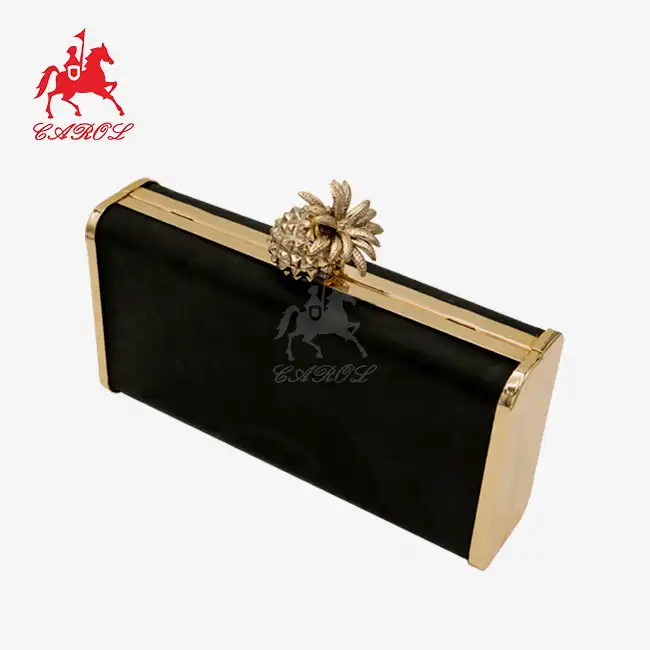
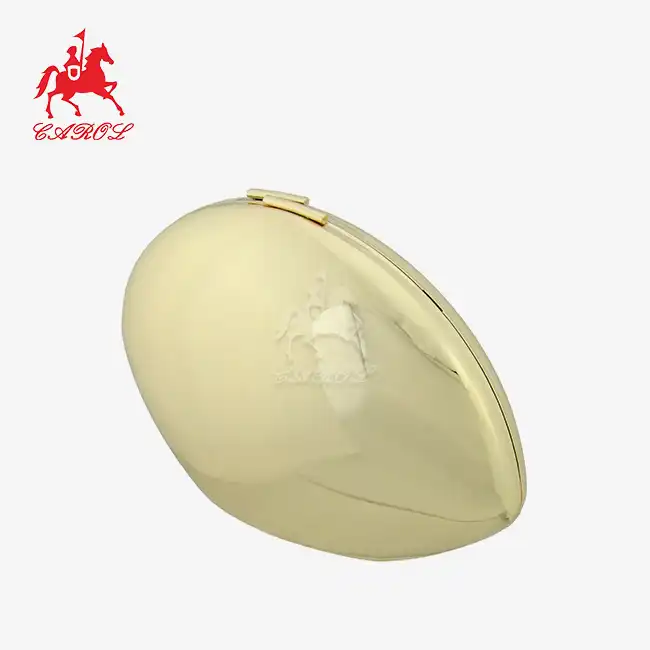
A clamshell clutch frame is a precision-engineered metal hardware component that forms the structural foundation and opening mechanism for evening bags and luxury clutches. The term "clamshell" describes its distinctive hinged design—two symmetrical halves that open and close like a seashell, typically secured with a kiss-lock, snap closure, or magnetic clasp. This frame transforms soft fabric or leather into a structured, functional accessory by providing shape memory, secure closure, and an elevated aesthetic finish that defines high-end handbag manufacturing.
Understanding Clamshell Frame Clutches: Design and Construction
The Anatomy of a Clamshell Frame
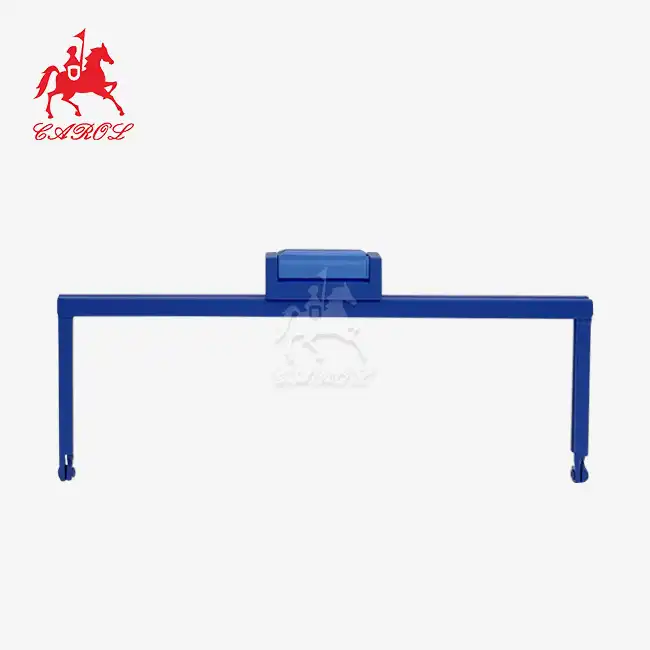
The rectangular clamshell clutch frame consists of several integrated components working in harmony. The frame body—typically measuring between 10cm to 20cm in width—features a precision-aligned hinge system connecting two mirrored metal arcs or rectangular halves. Our 18cm x 11cm light gold finished model exemplifies this construction, combining iron structural integrity with plastic interior channels that accommodate fabric or leather attachment.
The closure mechanism represents the most critical functional element. Kiss-lock closures generate that satisfying "click" through calibrated spring tension, while magnetic variants offer seamless operation suitable for evening wear. The frame's perimeter edge includes either sew-through perforations or glue-in channels, allowing manufacturers to choose between mechanical stitching security or the clean, hidden finish preferred in luxury applications.
Material Science Behind Quality Frames
Professional-grade frames utilize high-density zinc alloy, brass, carbon steel, or iron depending on application requirements. Iron frames offer superior strength-to-cost ratios, making them ideal for mid-to-high-end production runs where structural integrity matters more than weight reduction. The light gold electroplating finish involves multi-layer processes: base metal preparation, copper undercoating, nickel barrier layer, and finally the gold-tone topcoat sealed with electrophoresis protection.
This layered approach addresses the common industry pain point of plating oxidation. Frames meeting international standards pass 24-48 hour Neutral Salt Spray Tests without surface degradation—a critical specification for Products entering humid climates or experiencing frequent handling. The plastic channel components are engineered from ABS or similar polymers selected for adhesive compatibility and dimensional stability across temperature variations.
Evolution from Basic Hardware to Precision Components
Clamshell clutch frame technology has progressed significantly from early stamped-metal designs. Modern manufacturing employs die-casting machines for complex three-dimensional forms, CNC milling for hinge precision within 0.3mm tolerance, and automated polishing systems ensuring consistent surface quality across production batches. This evolution enables customization of shapes, sizes, and finishes that were impossible with traditional fabrication methods.
The integration of quality control equipment—tensile testing machines measuring closure force in Newtons, knock testing devices simulating years of use cycles, and adhesion cross-cut tests verifying plating durability—has transformed frames from commodity hardware into engineered components with predictable performance characteristics. This technical advancement directly supports luxury brand requirements for consistent quality across thousands of units.
Comparing Clamshell Frame Clutches with Alternative Frame Designs
Structural Performance Differences
Clamshell clutch frames offer distinct advantages over hinged purse frames and flexible metal frames commonly used in handbag manufacturing. The bilateral symmetry of clamshell construction distributes stress evenly across both frame halves, reducing the "frame-gap" issue where repeated opening causes misalignment. Standard hinged frames concentrate stress at single pivot points, leading to earlier fatigue failure under equivalent use conditions.
Regarding weight considerations, our iron-based frames balance durability with reasonable mass. While brass alternatives provide enhanced corrosion resistance and richer aesthetic depth, iron frames deliver comparable structural performance at improved cost efficiency—particularly valuable for manufacturers managing material costs across large production volumes. The 18cm rectangular format provides approximately 30% more internal capacity than equivalent oval designs while maintaining comparable frame weight.
Application-Specific Advantages
Evening bag applications benefit from the clamshell's secure closure and structured silhouette. The frame maintains bag shape even when empty, projecting quality through consistent form. This contrasts with flexible frames that collapse without contents, diminishing perceived value. The rectangular geometry specifically suits modern minimalist aesthetics while maximizing usable interior space—critical when designing clutches intended to carry smartphones, cards, and cosmetics.
Customization flexibility represents another differentiating factor. Clamshell clutch frames accommodate diverse fabric weights and leather thicknesses through adjustable channel depths and multiple attachment methods. Manufacturers can adapt single frame designs across product lines by varying exterior materials while maintaining consistent hardware specifications, streamlining inventory management and reducing tooling costs compared to fully custom frame solutions.
Advantages and Quality Specifications of Clamshell Frame Clutches
Performance Benefits in Manufacturing
The structural advantages of quality clamshell clutch frames extend throughout the manufacturing and product lifecycle. Installation efficiency improves through clear attachment interfaces—whether glue-in channels accepting E6000 industrial adhesive or perforated edges accommodating heavy-duty nylon threading. This design clarity reduces assembly errors and training time for production staff, directly impacting manufacturing throughput and quality consistency.
Material longevity stems from engineering decisions at the component level. Our frames undergo comprehensive quality inspection covering closure torque testing to ensure satisfying tactile feedback, load-bearing chain tests verifying 5kg minimum tension capacity at attachment points, and hinge alignment checks across multiple measurement points. These specifications prevent the premature failures that damage brand reputation and generate warranty costs.
Here are the key technical advantages that professional manufacturers prioritize:
- Plating Durability: Multi-layer electroplating with electrophoresis protection achieves Grade 4-10 finish resistance, maintaining aesthetic integrity through thousands of handling cycles without tarnishing or flaking.
- Dimensional Precision: CNC-manufactured frames maintain hinge tolerances under 0.3mm deviation, eliminating the lateral shifting and uneven gaps that signal inferior quality to discerning consumers.
- Customization Capacity: OEM/ODM capabilities support shape modifications, size adjustments from 10cm to 25cm lengths, and finish variations including rose gold, gunmetal, antique brass, and matte black beyond standard light gold.
- Supply Chain Reliability: With 30 million piece annual production capacity and fully integrated in-house electroplating facilities, lead times remain predictable across both small-batch trial orders and bulk production runs exceeding 50,000 units.
These technical capabilities translate into tangible business benefits: reduced return rates, enhanced brand alignment through consistent quality, and manufacturing flexibility supporting diverse product line requirements without tooling delays.
Maintenance and Longevity Considerations
Professional-grade clamshell clutch frames require minimal maintenance when properly specified. The primary longevity factor involves closure tension—quality frames allow manual adjustment using soft-tipped pliers if spring force decreases over extended use. This serviceable design extends product life and supports brand sustainability messaging increasingly important to luxury consumers.
Environmental exposure represents the main durability challenge. Frames meeting nickel-free requirements per EN 1811 standards suit hypoallergenic applications and comply with EU/US market regulations. The electrophoresis coating essential for premium frames creates a transparent barrier against humidity, perspiration acidity, and atmospheric pollutants—the primary causes of premature plating degradation in unprotected hardware.
Procurement Strategy for Clamshell Clutch Frame Selection
Matching Specifications to Application Requirements
Effective procurement begins with defining functional requirements across three dimensions: mechanical performance, aesthetic alignment, and manufacturing compatibility. Evening bag applications prioritize closure security and visual refinement, suggesting frames with calibrated kiss-locks and premium plating finishes. Gift packaging applications may accept simplified closures favoring cost optimization while maintaining adequate structural integrity when selecting a clamshell clutch frame.
Load capacity calculations matter when designing clutches intended for everyday use versus special occasion accessories. Standard evening bag contents rarely exceed 500g, well within the structural limits of properly manufactured iron frames. Applications involving heavier items or frequent opening cycles benefit from reinforced hinge designs and upgraded spring mechanisms—specifications that reputable suppliers can detail through technical data sheets.
Material selection involves balancing multiple factors. Iron frames deliver strength and cost efficiency suitable for mid-to-high-end production. Zinc alloy enables intricate decorative details and complex three-dimensional forms impossible with stamped iron. Brass provides natural corrosion resistance and richer gold-tone aesthetics when plating depth matters for luxury positioning. Understanding these material trade-offs enables informed decisions aligned with brand positioning and target price points.
Evaluating Supplier Capabilities and Certifications
Supplier assessment requires examining both technical capabilities and quality system maturity. Production capacity indicators—such as factory floor area, equipment inventory, and stated annual output—reveal scalability for growing order volumes. Carol Metal's 4,500㎡ facility housing over 100 specialized machines demonstrates infrastructure supporting both prototype development and volume manufacturing.
Certification portfolios provide objective validation of quality systems and ethical practices. ISO9001 certification confirms documented quality management processes. SGS testing reports verify product specifications through independent third-party analysis. SMETA and Sedex audits demonstrate social compliance—increasingly mandatory for brands with corporate responsibility commitments. These certifications reduce buyer risk and streamline onboarding for procurement teams managing multiple suppliers.
The integration level of production facilities significantly impacts quality consistency and lead time predictability. Fully vertically integrated suppliers controlling design, die-casting, machining, electroplating, and assembly eliminate inter-company coordination delays and quality hand-off risks. This integration proves particularly valuable when customization requires iterative refinement across multiple production stages.
Pricing Structures and Order Economics
Understanding cost drivers enables effective negotiation and budget planning. Tooling costs for custom shapes typically range from $500-$3,000 depending on complexity, amortized across production quantities. Standard sizes like the 18cm rectangular format eliminate tooling charges, reducing barriers for initial orders and product testing.
Volume economics generate substantial per-unit savings. Bulk orders exceeding 5,000 pieces often achieve 15-25% cost reductions compared to small-batch pricing through optimized production scheduling and material procurement efficiencies. Balancing inventory holding costs against volume discounts requires forecasting accuracy—a challenge where supplier flexibility for scheduled deliveries across quarters provides financial advantages.
Lead time expectations vary by customization level. Standard configurations ship within 15-25 days following order confirmation. Custom sizes or specialized finishes may extend timelines to 35-45 days to accommodate tooling production and finish testing. Clarifying these schedules during procurement planning prevents downstream production delays and maintains retail launch commitments.
Conclusion
The clamshell clutch frame represents far more than decorative hardware—it functions as the structural foundation determining product quality, manufacturing efficiency, and brand perception. Understanding the technical specifications, material science, and supplier capabilities outlined above empowers procurement professionals to make informed decisions that balance cost, quality, and scalability across diverse product lines and market segments.
Quality frames meeting international standards, supported by certified manufacturing processes and responsive supplier partnerships, reduce warranty costs, enhance brand reputation, and enable design flexibility that drives market differentiation. The investment in properly specified hardware components returns measurable value through reduced failure rates, positive customer experiences, and manufacturing process efficiency.
FAQ
1. How do I determine the right frame size for my clutch design?
Frame sizing depends on intended contents and aesthetic proportions. Measure the maximum width of items the clutch will carry (smartphone, wallet) and add 2-3cm for interior clearance. The 18cm x 11cm format suits standard smartphones and card holders while maintaining elegant proportions for evening use. Larger frames (20-25cm) accommodate tablets or cosmetic kits but may appear oversized for formal occasions.
2. Can clamshell frames be customized beyond standard finishes?
Customization extends to dimensions, shapes (rectangular, oval, arch-top), closure types (kiss-lock, magnetic, snap), finish colors (rose gold, gunmetal, antique brass, custom Pantone matching), and attachment methods (sew-through holes, glue channels, hybrid). Minimum order quantities for custom specifications typically start at 1,000-3,000 pieces depending on modification complexity.
3. What causes frames to fail prematurely and how can it be prevented?
Common failure modes include plating oxidation from inadequate protective coating, hinge misalignment from dimensional tolerances exceeding 0.3mm, and spring tension loss from improper heat treatment. Prevention requires specifying frames meeting NSS testing standards, verifying supplier quality control processes, and conducting incoming inspection of sample batches before full production acceptance.
Partner with Carol Metal for Premium Clamshell Clutch Frame Solutions
Carol Metal delivers the precision engineering and manufacturing scale that luxury brands and leather goods manufacturers require. As an established clamshell clutch frame supplier, we maintain ISO9001, SGS, and SMETA certifications validating our commitment to consistent quality and ethical production practices. Our 30 million piece annual capacity supports both trial orders for new product development and bulk procurement for established collections.
What distinguishes our partnership approach involves complete customization flexibility—from the 18cm light gold rectangular frame to bespoke dimensions and finishes matching your exact brand specifications. Our in-house electroplating facility and comprehensive testing equipment ensure every frame passes rigorous quality standards before shipment. Reach out to our team at tony@carolxiao.com to discuss your specific requirements, request technical specifications, or arrange sample evaluation. We provide responsive consultation supporting your procurement timeline and manufacturing success.
References
1. Smith, J. & Anderson, R. (2021). Metal Hardware Components in Luxury Handbag Manufacturing: A Technical Guide. Fashion Industry Press.
2. Chen, L. (2020). "Electroplating Standards and Durability Testing for Fashion Accessories." Journal of Applied Surface Finishing, 15(3), 78-92.
3. Martinez, S. (2022). Supply Chain Management in Fashion Hardware Procurement. International Textile Publishers.
4. Wong, K. & Patel, D. (2019). "Material Selection Criteria for Handbag Frame Manufacturing: Comparative Analysis." Materials Science in Fashion Technology, 8(2), 134-149.
5. Thompson, E. (2023). Quality Control Protocols for Metal Fashion Accessories. Professional Manufacturing Standards Institute.
6. Rodriguez, M. (2021). "The Evolution of Clutch Frame Design: From Functional Hardware to Brand Statement." Fashion Engineering Quarterly, 12(4), 201-218.