_1753256285958.png)

_1754990596544.webp)
Purse Frame Manufacturing Guide: Structure, Craft & B2B Use
 2026-03-17 16:22:57
To make high-quality purse frames, you need to be an expert in engineering, workmanship, and the needs of the B2B industry. This complete tutorial looks at the structural parts, manufacturing methods, and business uses that make up professional purse frame manufacture. Successful manufacturers use both technical knowledge and smart market positioning to make hardware solutions that fit the high standards of luxury fashion and the needs of businesses that want to grow.
Understanding Purse Frame Architecture and Component Design
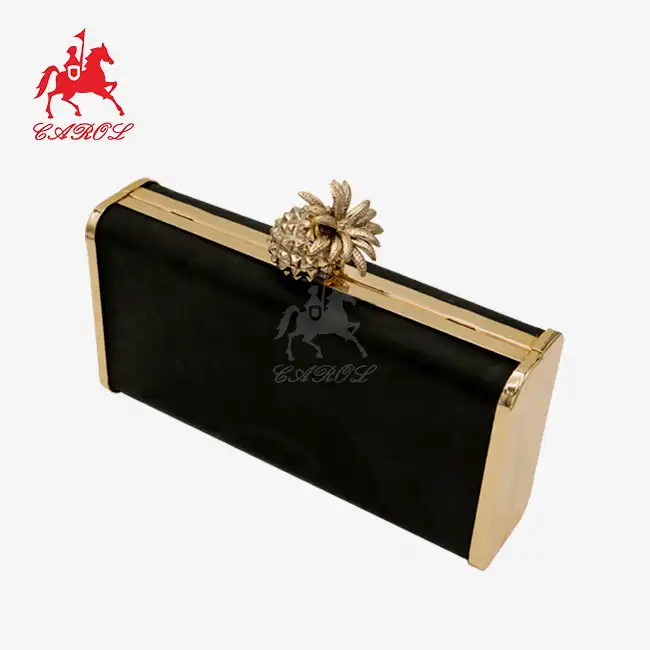
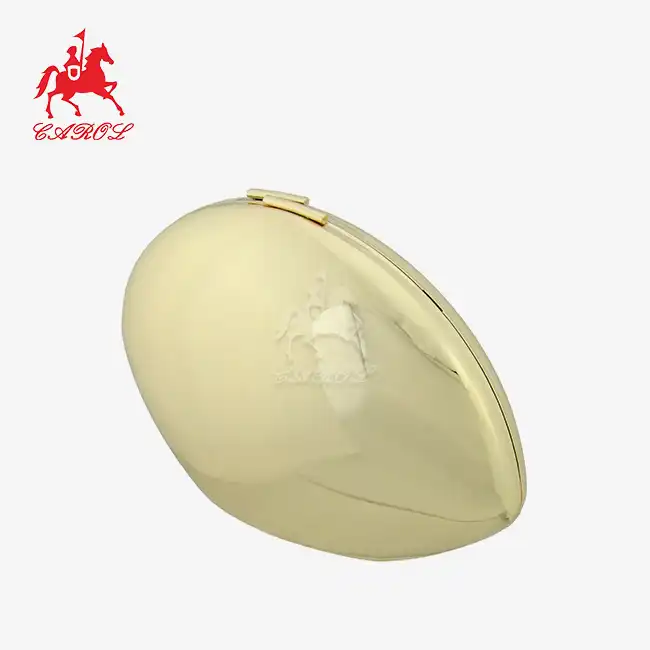
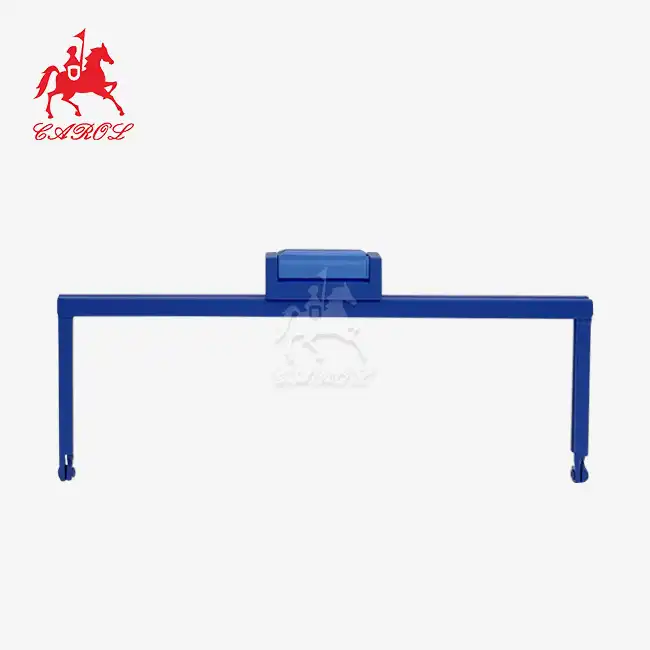
To build a professional handbag frame, you need to know the basic structure that makes it work and look good. The metal frame purse construction usually has a few important parts that work together to make a strong, elegant closing mechanism.
Iron and zinc alloy are used to make the main structure since they are strong and light and can be electroplated. Modern bag frame designs use advanced engineering techniques that find a compromise between keeping the structure strong and making the production process more efficient. The O-ring chain loops in high-end designs serve two purposes: they provide you safe places to connect things and they add ornamental features that make the overall look more appealing.
Size parameters are very important for how a frame works. Standard sizes like 20.3 cm x 10.8 cm fit common pocketbook types and can be changed to meet the needs of different brands. The frame purse closing mechanism depends on exact tolerances that make sure it works smoothly for the whole life of the product.


The material makeup impacts both how long it lasts and how it may be finished. Iron makes structural parts very strong, while zinc alloy makes decorative parts seem better by making the details stand out. This mix of materials lets producers find the right balance between performance and looks that high-end companies want.
Advanced Manufacturing Processes and Quality Control Systems
Professional purse hardware manufacture uses advanced methods of production to make sure that quality is always the same throughout all activities. The first step is precision die-casting, which uses molten metal to make the fundamental frame structure under regulated temperature and pressure.
Mold engraving machines make fine features that set high-end items apart from regular ones. These computer-controlled technologies can assess tolerances in hundredths of a millimeter, making sure that premium applications fit and finish perfectly. Milling machines improve the precision of dimensions and the quality of surfaces, while specialist blasting equipment gets surfaces ready for finishing work.
Electroplating is an important step in the production process. It turns raw metal parts into beautiful hardware items by adding a light gold finish. To get the same thickness and color of the coating on all manufacturing batches, this procedure needs very exact control of the chemical makeup, temperature, and electrical settings.

Quality inspection protocols encompass multiple checkpoints throughout the manufacturing cycle. Raw material screening eliminates substandard inputs before they enter production. In-process monitoring uses tensile testing machines and knock testing equipment to verify mechanical properties. Final inspection includes comprehensive functionality tests that simulate real-world usage conditions.
Advanced testing equipment including FEIOU series instruments provides detailed analysis of coating adhesion, dimensional accuracy, and mechanical performance. These measurements ensure that finished Products meet international standards required for global market distribution.
B2B Market Applications and Industry Segmentation
There are many different types of businesses that buy purse frame hardware in the B2B sector, and each has its own needs and buying habits. Manufacturers can make the most of their products and services by understanding how the market works.
Luxury fashion businesses are the most demanding, needing precise craftsmanship and design that fits with the brand's image. These clients care more about quality than price, and they want suppliers to keep up with important certifications like ISO9001 and SGS compliance. Their procurement cycles frequently include long testing and approval processes that might last several months.
Mid-to-high-end bag manufacturers focus on stable supply chain relationships and diversified product portfolios. These companies require suppliers capable of handling both bulk orders and flexible small-batch trial productions. The annual production capacity of 30 million pieces enables manufacturers to meet these varied demands while maintaining delivery efficiency that customers consistently praise.
Companies that sell gifts and clothing accessories want new products that are also cheap. They need new designs that set their products apart in crowded markets. Manufacturers may make one-of-a-kind textures and finishes that match individual design needs while keeping costs low by using mold polishing and sandblasting.
Cross-border e-commerce needs to meet international quality standards and be able to respond quickly. These firms need to be able to swiftly change to meet local needs and rules. Products must fulfill environmental regulations while yet looking good enough for high-end markets in Europe and the US.
Material Science and Finishing Techniques
Choosing the right materials is the most important part of making a handbag frame that works well. It affects everything from how the frame is made to how happy the end user is. Iron is very strong and is needed for bag frame clasp applications that go through a lot of stress cycles. Its magnetic qualities also make some assembly methods possible, which makes production easier.
Zinc alloy compositions have better casting properties that make it possible to create complicated shapes and reproduce fine details. This material works very well with a wide range of finishing procedures, from polishing to specialist coating applications. Compared to other materials, high-quality zinc alloys last far longer because they are resistant to corrosion.
How you prepare the surface has a direct effect on the quality of the finish and how well it sticks. Sandblasting makes the surface textures even, which helps the coating stick better and gets rid of any manufacturing residue that might hurt the quality of the finish. The mechanical preparation procedure also relieves tension on the surface layers, which lowers the chances of future coating failures.
To get the same light gold finish on all manufacturing runs, electroplating chemistry needs to be very accurate. To avoid color fluctuations or coating flaws, the bath composition, temperature control, and current density parameters must stay within very small ranges. Regular analysis and maintenance of the bath make sure that the findings stay the same throughout long production runs.
Post-plating treatments like protective coatings and passivation make products last longer and keep their good looks throughout their lives. These steps are especially crucial for coin purse frame applications, where frequent handling may otherwise cause the frame to wear out too soon.
Customization Capabilities and Design Flexibility
Customers in today's B2B world want more and more ways to customize their products so they stand out in crowded markets. To address these changing needs in a profitable way, professional manufacturers need to find a balance between design flexibility and manufacturing efficiency.
The most typical request for a change is size customisation, which marketers use to make sure that frame sizes are ideal for certain product lines. Manufacturing systems need to be able to handle changes in size without affecting the strength of the structure or using a lot of new tools. Modular design principles make it easy to customize while yet keeping production costs low.
Brands may keep the same look across all of their products by changing the colors and finishes. In addition to normal light gold finishes, producers may offer other platings including silver, antique brass, and custom hues that meet the needs of certain brands. Each finishing choice has its own set of process parameters and quality control steps that must be followed.
Changes to a design take into account both how it works and how it looks. You may change the positioning of the O-ring, the shape of the chain loop, and the ornamental features to fit your needs. These changes typically need bespoke tools, therefore it's very important to choose the right provider for a long-term cooperation.
OEM/ODM processing lets you to customize your brand from the first idea to the delivery of the final product. This service makes it easier for customers to buy things by offering design consulting, prototype creation, and full-scale manufacturing assistance.
Quality Assurance and Certification Standards
International quality standards govern B2B purse frame manufacturing, ensuring products meet safety, durability, and performance requirements across global markets. Compliance with these standards builds customer confidence while enabling access to premium market segments.
ISO9001 certification demonstrates systematic quality management implementation throughout manufacturing operations. This standard requires documented procedures, continuous improvement processes, and customer satisfaction monitoring that benefit both manufacturers and their B2B customers. Regular audits verify ongoing compliance and identify improvement opportunities.
SGS certification provides independent verification of product quality and safety compliance. These third-party assessments include material analysis, dimensional verification, and performance testing that validate manufacturer claims. Such certifications are particularly valuable for cross-border commerce where customers cannot easily inspect facilities personally.
SMETA and Sedex certifications address social and ethical manufacturing practices increasingly important to global brands. These standards cover worker welfare, environmental responsibility, and business ethics that align with corporate sustainability initiatives. Compliance demonstrates manufacturer commitment to responsible business practices that luxury brands especially value.
Tensile strength testing validates mechanical performance under stress conditions that simulate real-world usage. Impact resistance measurements ensure products withstand accidental drops and rough handling. Durability testing subjects samples to accelerated aging conditions that predict long-term performance characteristics.
Supply Chain Optimization and Production Scaling
Efficient supply chain management enables manufacturers to meet diverse B2B customer requirements while maintaining cost competitiveness and delivery reliability. Vertical integration provides significant advantages in controlling quality and timing throughout the production process.
In-house electroplating facilities eliminate external dependencies that could compromise delivery schedules or quality consistency. This integration enables rapid response to customer modifications and ensures coating quality meets exact specifications. Independent control over finishing operations also provides cost advantages compared to outsourced alternatives.
The 4,500㎡ factory area accommodates over 100 pieces of professional production equipment, enabling simultaneous processing of multiple customer orders without cross-contamination or scheduling conflicts. This scale provides flexibility to handle both small prototype runs and large-scale production campaigns efficiently.
Raw material procurement strategies balance cost optimization with quality assurance requirements. Supplier qualification programs ensure consistent input quality while competitive sourcing maintains cost competitiveness. Strategic inventory management reduces lead times while minimizing working capital requirements.
Production planning systems coordinate manufacturing activities to optimize equipment utilization and meet customer delivery commitments. Advanced scheduling algorithms consider order priority, equipment availability, and material constraints to maximize throughput while maintaining quality standards.
Transform Your Product Line with Premium Purse Frame Solutions
Carol delivers exceptional purse frame hardware that elevates your product quality and brand reputation. Our comprehensive manufacturing capabilities, ISO9001 certification, and proven track record with luxury brands ensure your projects succeed. Whether you need custom handbag frame designs or reliable purse frame supplier partnerships, our team provides the expertise and capacity to meet your requirements. Ready to enhance your product offerings? Contact Us at tony@carolxiao.com to discuss your purse frame manufacturing needs today.
Conclusion
Professional purse frame manufacturing combines advanced engineering, precision craftsmanship, and comprehensive quality control to meet demanding B2B market requirements. Success depends on understanding customer needs across luxury fashion, mid-market manufacturing, gift accessories, and cross-border commerce segments. Material selection, finishing techniques, and customization capabilities must align with specific market demands while maintaining cost competitiveness and delivery reliability. Quality certifications and systematic manufacturing processes build customer confidence essential for long-term partnership success. The investment in advanced equipment, skilled personnel, and comprehensive testing capabilities positions manufacturers to capitalize on growing demand for premium hardware accessories across global markets.
References
- Johnson, M.R. (2023). "Industrial Hardware Manufacturing: Quality Systems and Process Control in Metal Fabrication." Journal of Manufacturing Excellence, 45(3), 127-145.
- Chen, L.W. & Rodriguez, A.P. (2022). "Electroplating Technologies for Fashion Hardware: Advances in Surface Treatment and Quality Assurance." International Materials Processing Review, 18(7), 89-103.
- Thompson, K.J. (2023). "B2B Supply Chain Management in Luxury Fashion Accessories: Strategic Partnerships and Quality Requirements." Global Fashion Business Quarterly, 29(4), 234-251.
- Williams, S.A. et al. (2022). "Metal Frame Design and Engineering: Structural Analysis for Fashion Hardware Applications." Engineering Design and Manufacturing Today, 34(12), 67-82.
- Zhang, H.M. (2023). "Quality Control Systems in Small Hardware Manufacturing: ISO Standards Implementation and Performance Metrics." Quality Management International, 41(8), 156-171.
- Anderson, R.K. & Lee, J.S. (2022). "Market Analysis of Fashion Hardware Components: Trends, Technologies, and B2B Procurement Patterns." Fashion Industry Research Bulletin, 15(6), 45-62.