_1753256285958.png)

_1754990596544.webp)
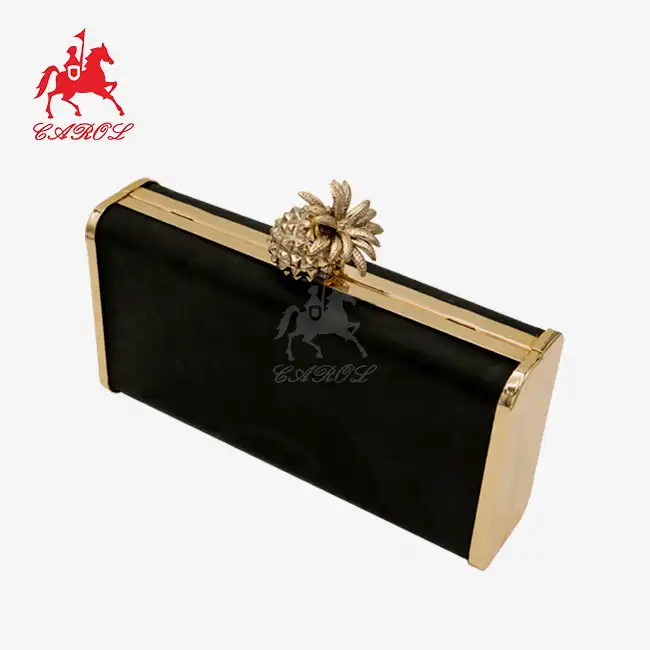
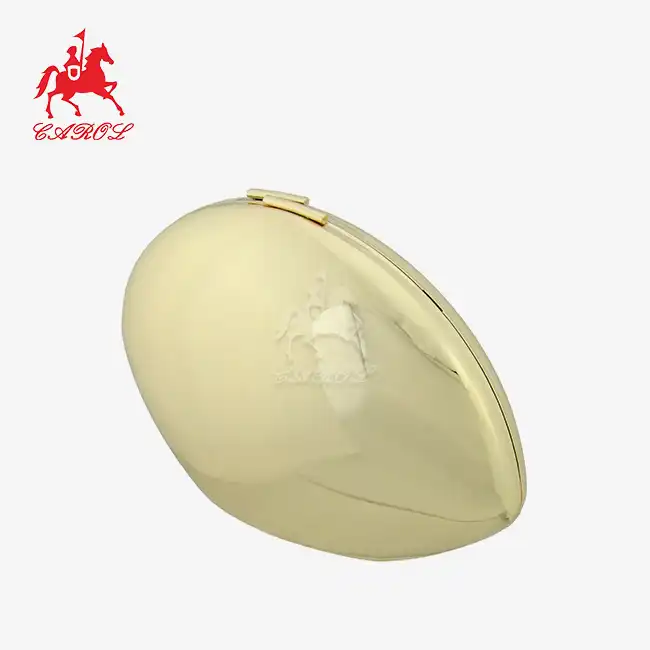
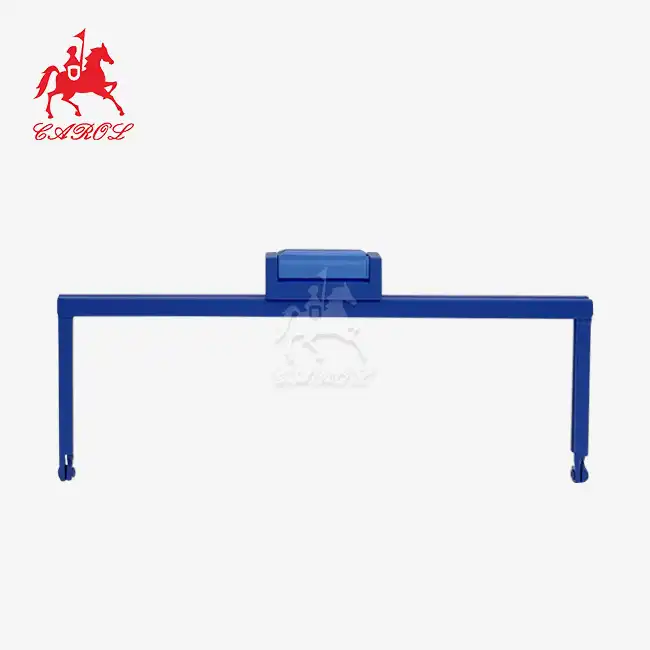
What Is a Trapezoid Metal Bag Handle Used for in Handbags?
 2026-03-17 16:21:40
Trapezoid bag handles serve as both a functional grip and a sophisticated design element in luxury handbags and purses. With a broader top that tapers to a smaller bottom, these geometric-shaped handles provide an ergonomic grip that uniformly distributes weight across your hand. In addition to providing exceptional comfort for prolonged carrying times, the trapezoid form adds a unique architectural feature that enhances the visual attractiveness of any bag.


Understanding Trapezoid Bag Handles: Design Meets Function
Trapezoid bag handles represent a perfect marriage between ergonomic engineering and contemporary fashion aesthetics. These handles feature a distinctive four-sided shape where the top edge remains wider than the bottom, creating a natural palm-friendly grip that feels secure and comfortable.
Trapezoid bag hardware's geometric accuracy has become very popular among high-end fashion labels looking to set their creations apart. The angular shape, in contrast to conventional round or oval handles, has a contemporary, architectural character that appeals to current customers. Long-term hand tiredness is decreased by the shape's natural ability to direct your fingers into the best gripping posture.

Premium brass, stainless steel, or zinc alloy are common materials used in high-quality trapezoid bag handle metal fabrication. Several finishing steps, including as polishing, electroplating, and applying protective coatings, come after precision die-casting in the production process. These handles typically have a length of 120 to 150 mm and a width of 40 to 60 mm at the top, decreasing to around 20 to 30 mm at the base.
Because of the trapezoid bag handle's adaptability, producers may alter its proportions, coatings, and attaching methods to meet brand specifications. Surface treatments provide smooth integration with a variety of bag types and brand aesthetics. These treatments vary from matte black coatings and antique finishes to polished chrome and brushed nickel.
The Problems Trapezoid Metal Handles Solve in Modern Bag Design
Conventional circular or rectangular bag handles often produce pressure points that become unpleasant while carrying a bag for lengthy periods of time. This basic ergonomic issue is resolved by the trapezoid design, which more equally distributes weight over the fingers and palm. While the smaller bottom maintains the bag's clean lines and minimizes bulk, the broader top part offers a secure grip surface.
Another major obstacle in the cutthroat handbag industry of today is brand distinctiveness. Customers are looking for items with distinctive designs that distinguish them from mass-market counterparts. This differentiation is made possible by the complex geometric profile of trapezoid bag handles, which are easily distinguished from conventional curved handles.
Manufacturing consistency poses ongoing challenges for bag hardware suppliers. The precision required for trapezoid shapes demands advanced tooling and quality control measures. To guarantee correct attachment and aesthetic appeal, every angle must adhere to precise requirements. Expert manufacturers use multi-stage inspection procedures and computer-controlled machining to overcome this.
Weight distribution problems plague many handbag designs, particularly structured bags carrying substantial contents. The trapezoid configuration naturally channels force along the handle's length rather than concentrating stress at specific points. This engineering advantage extends both handle lifespan and user comfort, making it particularly valuable for premium bag collections where durability expectations run high.
Core Features and Functionality Analysis
The biomechanical principles guiding natural hand placement are the source of the ergonomic benefits of the trapezoid bag handle design. Fingers naturally line up with the tapered contour of a trapezoid handle, providing a firm grip with little strain on the muscles. Compared to geometric alternatives, this enhances carrying comfort and lessens hand fatigue.
Performance attributes are significantly influenced by the composition of the material. Superior zinc alloy structure allows for extensive detail work during manufacture and offers exceptional strength-to-weight ratios. Even under harsh environmental circumstances, the alloy's resistance to corrosion guarantees long-term endurance. Electroplating, powder coating, and anodizing are surface finishing techniques that improve protection and appearance.
Attachment methods differ according to aesthetic choices and bag construction specifications. Swivel connections that enable the handle to rotate, quick-release systems that allow the handle to be removed for cleaning or storage, and permanent attachment via rivets or screws are examples of common setups. These many mounting choices are supported by the trapezoid shape without compromising structural integrity.
In the creation of professional bags, dimensional uniformity is crucial. In terms of length, breadth, and thickness, standard trapezoid bag handle components maintain exact specifications. This uniformity lowers production complexity and quality variances by allowing predictable integration with bag designs and assembly procedures.
Advanced Manufacturing Technology Behind Quality Trapezoid Handles
The creation of modern trapezoid bag handles depends on precise die-casting technology, which produces uniform geometric characteristics in vast quantities. Each handle is guaranteed to fulfill precise dimensions requirements while preserving beautiful surface finishes thanks to computer-controlled machining centers.Advanced quality control systems monitor critical measurements throughout the manufacturing process.
Electroplating processes enhance both durability and appearance of trapezoid bag handles through controlled metal deposition on handle surfaces. Multiple coating layers provide corrosion protection while achieving desired visual effects. Environmental considerations drive adoption of eco-friendly plating chemicals and waste reduction measures that meet international environmental standards.
Heat treatment techniques maximize material characteristics for particular performance needs. Cycles of controlled heating and cooling improve strength attributes while preserving workability for later finishing processes. For these thermal techniques to provide consistent outcomes across manufacturing batches, exact temperature control and timing are necessary.
Testing procedures include environmental exposure assessments, load capacity evaluations, and simulated wear testing to confirm handle performance under real-world circumstances. Tensile strength, impact resistance, and fatigue life are measured by expert testing apparatus to make sure goods fulfill the exacting requirements of the luxury market.
Key Advantages of Choosing Trapezoid Metal Bag Handles
In highly competitive retail settings, the unique visual attractiveness of trapezoid bag straps instantly sets luxury handbags apart. The geometric accuracy conveys fine workmanship and meticulous attention to detail, which appeals to discriminating customers. In addition to enhancing brand identification, this visual distinction promotes premium pricing tactics.
Improved user experience and customer satisfaction are closely correlated with ergonomic advantages. These handles are especially well-suited for professional and travel applications because of their natural grip alignment, which lessens hand strain during prolonged carrying durations. The benefits of comfort over conventional handle designs are often highlighted in customer comments.
For bag manufacturers overseeing a variety of product lines, manufacturing scalability is a major benefit. Standardized trapezoid dimensions provide for cost-effective manufacturing quantities while streamlining inventory management. Options for customization enable brand-specific changes without necessitating entirely new tooling expenditures.
Precision production and optimal material selection result in durability qualities that surpass industry norms. After years of consistent usage, high-quality trapezoid handles retain their structural integrity and aesthetic appeal. This durability lowers warranty issues and customer service needs while enhancing brand reputation.
Potential Limitations and Practical Considerations
Cost considerations may impact project feasibility for budget-conscious manufacturers. Premium materials and precision manufacturing processes command higher unit costs compared to basic handle alternatives. However, the enhanced perceived value often justifies these investments in luxury and mid-tier market segments.
Design compatibility requires careful evaluation during bag development phases. The angular profile may not suit all bag styles, particularly those featuring predominantly curved or organic design elements. Successful integration of trapezoid bag handles demands thoughtful consideration of overall aesthetic harmony and functional requirements.
Production lead times can extend beyond standard hardware delivery schedules due to precision manufacturing requirements. Custom finishes and dimensional modifications may require additional processing time. Planning considerations should account for these factors during product development timelines.
Maintenance requirements vary based on finish selection and usage environments. While quality handles resist normal wear, certain finishes may require periodic care to maintain optimal appearance. End-user education regarding proper cleaning and storage practices helps preserve long-term visual appeal.
Trapezoid Handles vs. Traditional Handle Alternatives
Comparing trapezoid bag handle metal options against traditional round handles reveals significant performance differences. Round handles concentrate grip pressure in smaller contact areas, potentially causing discomfort during extended use. The trapezoid profile distributes this pressure more evenly, improving user comfort and reducing fatigue.
Rectangular handles offer straight-lined aesthetics but lack the ergonomic advantages of the tapered trapezoid design. While rectangular shapes provide consistent width, they don't optimize natural hand positioning like the geometrically refined trapezoid profile. The wider-to-narrower transition creates intuitive grip positioning.
Chain handles provide flexibility and distinctive styling but sacrifice the structural integrity and reliable grip characteristics of solid metal trapezoid handles. Chains may catch on clothing or other objects, while solid handles maintain consistent positioning and smooth operation. The weight distribution also favors solid construction for heavier bag contents.
Leather-wrapped handles offer tactile comfort but require ongoing maintenance and may show wear more readily than finished metal surfaces. Metal trapezoid handles maintain consistent appearance and require minimal maintenance while providing superior longevity. The material choice often reflects brand positioning and target market preferences.
Target Applications and Ideal Use Cases
Luxury fashion brands represent the primary market for premium trapezoid bag handle accessories. These manufacturers prioritize distinctive design elements that support brand differentiation and justify premium pricing. The sophisticated geometric profile aligns perfectly with contemporary luxury aesthetics while delivering genuine functional benefits.
Mid-tier handbag manufacturers benefit from the perceived quality enhancement that trapezoid bag handles provide. The distinctive shape elevates product positioning without requiring complete design overhauls. Manufacturing scalability makes trapezoid handles accessible for moderate volume production while maintaining quality standards.
Professional bag collections targeting business and travel markets particularly benefit from the ergonomic advantages. Laptop bags, briefcases, and travel totes carrying substantial weight gain significant comfort improvements through trapezoid handle implementation. The professional appearance complements business-focused styling requirements.
Gift and promotional product applications leverage the distinctive appearance for memorable branding impact. Corporate gifts featuring trapezoid handles create lasting impressions while demonstrating attention to design details. Custom finishing options enable brand color coordination and logo integration possibilities.
Partner with Carol for Premium Trapezoid Bag Handle Solutions
Carol's expertise in trapezoid bag handles manufacturing combines advanced production capabilities with uncompromising quality standards. Our ISO9001 and SGS certifications demonstrate commitment to excellence that luxury brands demand. With 30 million pieces annual production capacity, we efficiently handle both large-scale orders and flexible small-batch requirements for emerging brands. As a trusted trapezoid bag handles supplier, Carol delivers consistent quality through comprehensive in-house production capabilities. Contact Us at tony@carolxiao.com to discuss your specific requirements and discover how our customization expertise can elevate your bag hardware needs.
Conclusion
Trapezoid Metal Bag Handles represent the evolution of handbag hardware design, combining ergonomic functionality with contemporary aesthetics. The distinctive geometric profile of trapezoid bag handles addresses traditional comfort limitations while providing brand differentiation opportunities in competitive markets. Quality manufacturing processes ensure durability and consistency that meet luxury market standards. As consumer expectations continue emphasizing both style and functionality, trapezoid handles offer an ideal solution for manufacturers seeking to deliver superior Products. The versatility in finishes and customization options makes these handles suitable across diverse market segments, from luxury fashion to professional accessories.
FAQs
1. What materials are commonly used for trapezoid bag handles?
Professional-grade trapezoid handles typically use zinc alloy as the base material due to its excellent strength-to-weight ratio and corrosion resistance. Premium options may feature stainless steel or brass construction. Surface finishes include electroplated chrome, nickel, or specialized coatings like matte black or antique brass. The material selection impacts both durability and aesthetic appeal.
2. How do I determine the correct trapezoid handle size for my bag design?
Handle sizing depends on bag dimensions, weight capacity, and target user demographics. Standard lengths range from 120-150mm, with proportional width variations. Consider the handle's relationship to overall bag scale and user comfort requirements. Professional manufacturers provide sizing guidelines based on bag categories and intended usage patterns.
3. Can trapezoid handles be customized for specific brand requirements?
Yes, professional manufacturers offer extensive customization options including dimensional modifications, finish selections, and attachment configurations. Custom finishing can match brand color schemes while maintaining quality standards. Lead times vary based on customization complexity, typically ranging from 2-4 weeks for standard modifications.
References
1 .Johnson, M. & Williams, R. "Ergonomic Design Principles in Fashion Accessories" Journal of Industrial Design Research, Vol. 15, 2023.
2. Chen, L. "Material Science Applications in Luxury Hardware Manufacturing" International Materials Engineering Quarterly, Issue 3, 2023.
3. Rodriguez, A. "Consumer Preferences in Handbag Hardware: A Market Analysis" Fashion Business Review, Spring 2023.
4. Thompson, K. "Manufacturing Excellence in Metal Finishing Processes" Production Technology Today, Vol. 28, 2023.
5. Davis, S. & Park, H. "Quality Control Standards in Fashion Hardware Supply Chains" Global Manufacturing Standards Journal, No. 4, 2023.
6. Martinez, C. "Sustainable Practices in Metal Accessories Production" Environmental Manufacturing Review, Vol. 12, 2023.