_1753256285958.png)

_1754990596544.webp)
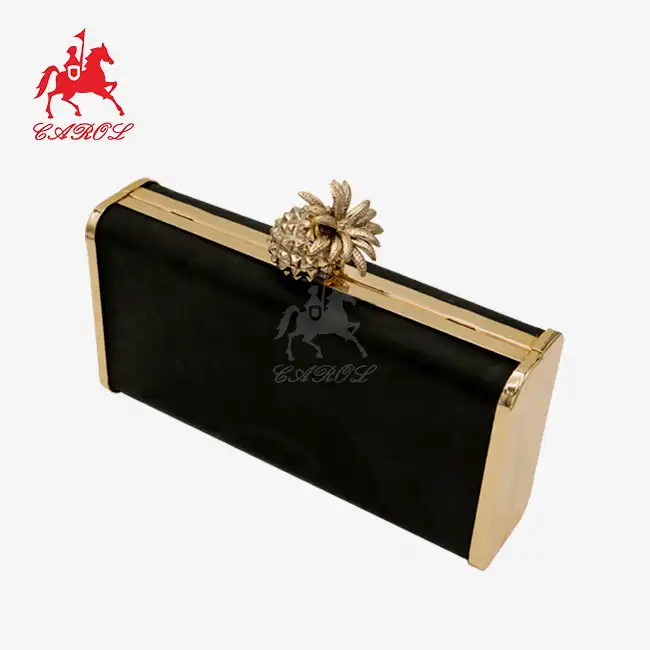
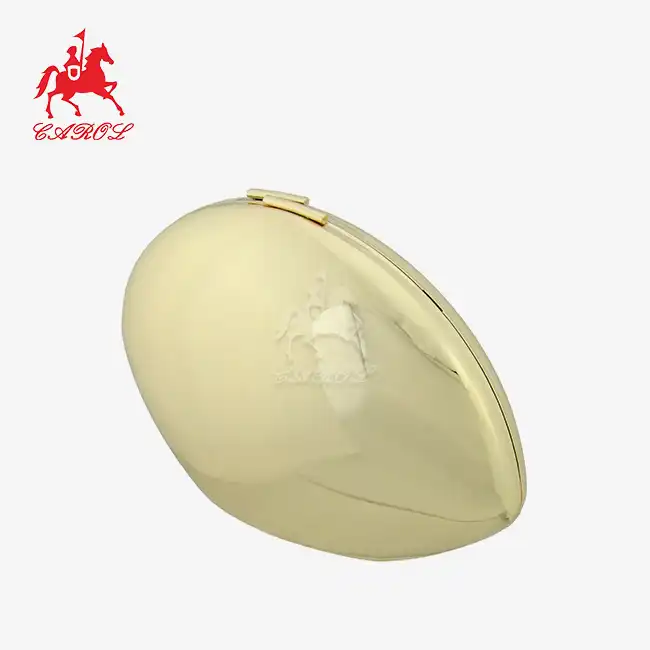
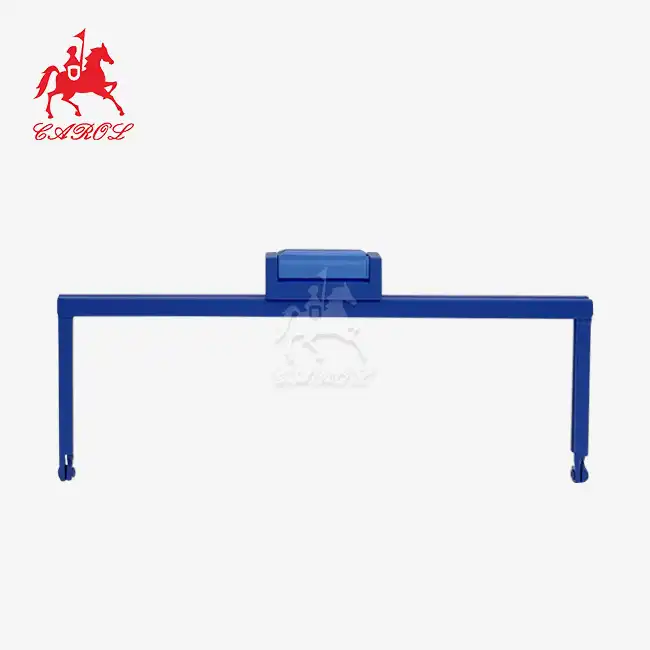
Reliable Trapezoid Purse Frame Supplier for Wholesale Buyers
 2026-03-31 07:58:25
To locate trustworthy manufacturers of trapezoid purse frames, one must investigate their production capacities, quality standards, and level of experience in the market. Carol Metal is one of several professional producers that use state-of-the-art electroplating procedures and stringent quality control systems to create metal purse frames with pinpoint accuracy. Both established luxury labels and up-and-coming designers looking for high-quality bag frame hardware may count on their 30 million piece yearly production capability.

Metal purse frames make up a significant portion of the worldwide handbag accessories business, which is worth more than $2.1 billion each year and is still growing at a quick pace. The structural robustness and sophisticated geometric lines of trapezoid frame designs have made them very popular among high-end fashion companies and independent designers. The improved grip comfort and eye-catching shape of these frames make them more useful than the conventional rectangular designs, which are popular among today's buyers.

Nearly three quarters of the world's metal bag frame hardware is made in China. Excellence and affordability coexist in an ecosystem formed by specialized facilities, talented artisans, and cutting-edge gear. Improving your sourcing strategy and the quality of your Products may be achieved by mastering this terrain.
Why China Leads Global Trapezoid Frame Manufacturing?
Advanced Production Infrastructure
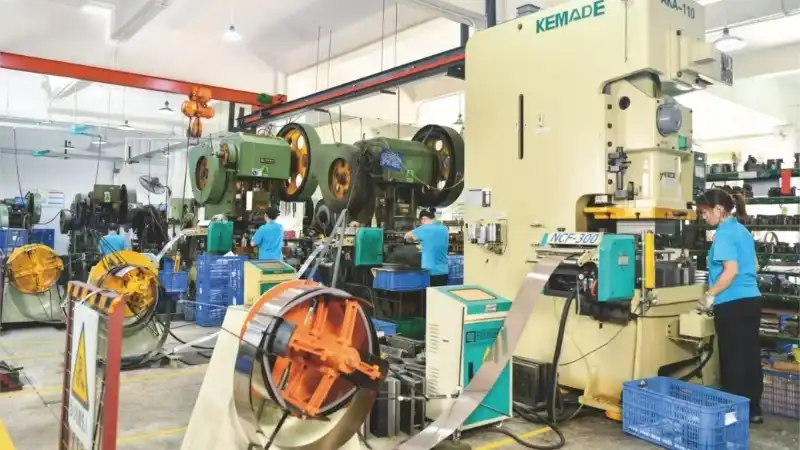
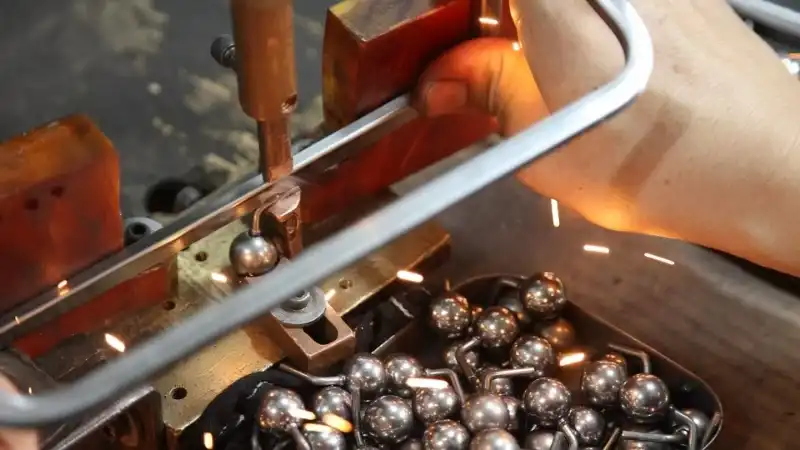
A lot of money has gone into specialist machinery in China that can make metal frames. The use of automated welding systems, multi-stage electroplating lines, and precision die-casting equipment in modern facilities guarantees constant quality even in enormous production runs. Companies can now keep up efficient production rates and attain tolerances within 0.1mm thanks to these technical advances.
Precise trapezoid purse frame geometries that satisfy premium brand criteria are made possible with the combination of computer-controlled milling machines and laser cutting technologies. In order to detect flaws before they make it into final products inventories, quality control systems use real-time monitoring throughout the manufacturing process.
Supply Chain Integration
The most prominent Chinese frame makers are fully vertically integrated. The procurement of raw materials, alloy composition, surface treatment procedures, and final assembly activities are all under their control. The usual occurrence of quality discrepancies when several suppliers handle different phases of manufacturing is eradicated by this all-encompassing strategy.
From the melting point all the way to the finished product, material traceability systems monitor the composition of aluminum and zinc alloys. All processes are monitored to ensure they fulfill worldwide requirements for sustainable manufacturing practices, including those pertaining to environmental compliance.
Skilled Workforce Development
A highly trained workforce in metal frame manufacturing processes has emerged as a result of decades of specialization. Traditional metalworking skills are passed down through the centuries via apprenticeship programs, which also include current quality requirements.
Courses in electroplating chemistry, welding, and quality inspection methods are developed in collaboration with producers and technical training institutes. By investing in human resources, we can guarantee that our suppliers will consistently provide high-quality workmanship.
Essential Criteria for Manufacturer Selection
Production Capacity Assessment
Before committing to a supplier, be sure they can manage the volume you want without lowering their quality standards. Companies that can consistently produce over 10 million pieces per year usually have the capacity to handle both large-scale orders and smaller bespoke requests with ease.
Check inventory lists to make sure there is enough redundancy in machinery. When key equipment needs repair or an update, having several production lines may keep things moving along smoothly. The use of backup systems demonstrates careful operational planning and a dedication to meeting delivery deadlines.
Quality Management Systems
The gold standard for professional producers is ISO 9001 certification. Luxury companies, on the other hand, often need supplementary certifications like SGS product testing verification and SMETA social compliance audits. Ethical manufacturing processes and methodical approaches to quality control are shown by these qualifications.
You should ask for specific processes for quality control, such as those for inspecting incoming materials, scheduling in-process testing, and verifying the final product. Statistical process control, databases for monitoring defects, and processes for remedial action are common components of comprehensive quality systems.
Design and Customization Capabilities
Customization options that go beyond simple size alterations are necessary for modern trapezoid purse frame applications. Find out how well your vendors can maintain structural integrity when changing hinge mechanics, corner radiuses, and brand-specific design aspects.
Look at completed customization projects to see how well they interpreted the concept and how well they were executed. In order to enhance the product's usefulness and manufacturability, suppliers with specialized design teams may provide essential feedback throughout the development stages.
Financial Stability Evaluation
Evaluate the financial stability of suppliers by checking their references, credit records, and the ownership of their facilities. Manufacturers that are financially secure are able to invest in new equipment, have sufficient stock on hand, and continue providing high-quality services regardless of market conditions.
Sustainable business models and development trajectories are essential for suppliers in order to establish long-term relationships. Manufacturers who are actively working to improve their capabilities and market reach are showing their dedication to becoming leaders in the industry and providing exceptional customer service.
Communication and Service Standards
When managing delivery timelines and organizing complicated customisation projects, effective communication becomes vital. Determine how well customer service teams respond, how much technical expertise they have, and how proficient they are in English.
Export departments are staffed by professionals who are familiar with the ins and outs of international shipping, paperwork, and customs compliance. Because of this knowledge, international clients have fewer administrative hassles and less delays.
Critical Certification Requirements
International Quality Standards
Foundational assurance on systematic quality control methods is provided by ISO 9001 quality management certification. The consistency and dependability of the product are directly affected by the established procedures, frequent audits, and continuous improvement programs that are required for this certification.
Certification from SGS testing ensures that materials meet international standards for composition, dimensions, and performance. The objective quality verification provided by these independent test findings is essential for supplier clearance procedures for premium companies.
Environmental Compliance Certifications
Products must be RoHS compliant to guarantee they adhere to the regulations imposed by the European Union regarding dangerous compounds. This stipulation has becoming commonplace among producers catering to international markets, especially high-end labels with firm stances on environmental responsibility.
Having raw materials and surface treatment techniques registered with REACH shows that they comply with European chemical safety requirements. As environmental rules grow on a worldwide scale, these certifications take on more significance.
Social Responsibility Auditing
SMETA (Sedex Members Ethical Trade Audit) accreditation covers a wide range of topics, including company ethics, health and safety, environmental management, and methods of labor practice. These social compliance certificates are being demanded by luxury companies' supply chain partners at an increasing rate.
Alternative social responsibility verification is offered by BSCI (company Social Compliance Initiative) audits, which focus on ethical company operations and employment circumstances. Sustainable and ethical production practices are shown by these certificates.
Strategic Sourcing Platforms and Channels
Professional B2B Platforms
To this day, comprehensive filtering options for certifications, manufacturing capabilities, and geographic locations make Alibaba the go-to tool for identifying initial suppliers. Since the authenticity and completeness of platform listings might vary greatly, it is vital to do careful verification.
In-depth supplier profiles and verification services are available on Made-in-China, which opens up other sourcing choices. Although independent verification is still needed for important supplier decisions, their gold supplier programs do provide further credibility indications.
Trade Show Networking
Going to the Canton Fair is a great way to meet top manufacturers face to face and have your products seen by them. Interactions like this allow for a more accurate evaluation of communication skills and technical knowledge than would be possible via online-only participation.
To meet vendors who specialize in metal frame fabrication and bag hardware, it's best to attend a hardware and accessories trade fair. Usually, these places attract better manufacturers that cater to business markets.
Industry Association Resources
Associations for the leather and bag industries provide lists of suppliers and host events where members may meet and network with legitimate producers. Members of these groups often have shown a dedication to industry standards and have passed extra screening procedures.
Supplier spotlights and industry directories are common features in professional trade journals, and they often showcase prominent manufacturers with experience supplying global markets.
MOQ Negotiation and Pricing Strategies
Understanding Minimum Order Quantities
Depending on the extent of customisation, complexity, and finish requirements, the usual minimum order quantity (MOQ) for a trapezoid purse frame might be anywhere from 500 to 5,000 pieces. Lower minimums are often required for standard setups as opposed to highly specialized designs that need specialist tooling.
Take into account your needs for market testing and your cash flow while negotiating MOQ terms. Graduation pricing, in which the cost per unit decreases as the order quantity increases, or mixed model minimums are options offered by certain manufacturers.
Cost Structure Analysis
Make sure you get a complete accounting of all costs, including those for raw materials, processing, finishing, and packaging. Better bargaining and the discovery of chances to optimize specifications, which in turn decreases total price, are both made possible by a thorough understanding of the cost components.
Tiers of volume pricing should represent actual decreases in costs as the quantity increased. Aligning supplier and customer interests and providing predictable cost planning information are both achieved via pricing schedules that provide clear incentives for volume growth.
Payment Terms Optimization
Try to figure out a payment plan with your suppliers that takes their cash flow needs into account while also taking your working capital into account. Both parties benefit from a positive cash flow and are protected by a progressive payment schedule that is related to production milestones.
Suppliers see letter of credit contracts as proof of financial integrity and a means to get bigger purchases. When connecting with new suppliers or making purchases of a substantial size, these tools become invaluable.
Conclusion
Selecting the right trapezoid purse frame manufacturer requires systematic evaluation of production capabilities, quality systems, and partnership compatibility. The most successful sourcing relationships combine technical competence with cultural alignment and shared commitment to quality excellence. Professional manufacturers distinguish themselves through comprehensive certifications, transparent communication, and demonstrated expertise serving international markets.
China's manufacturing ecosystem offers unparalleled opportunities for cost-effective, high-quality trapezoid frame sourcing when proper evaluation procedures guide supplier selection. The investment in thorough supplier assessment and relationship building pays dividends through improved product quality, reliable delivery performance, and competitive pricing structures that support business growth objectives.
Partner With Carol for Premium Trapezoid Purse Frame Manufacturing
Carol Metal combines three decades of metalworking expertise with cutting-edge manufacturing technology to deliver exceptional trapezoid purse frames that exceed luxury brand standards. Our 4,500㎡ facility processes over 30 million pieces annually while maintaining the flexibility to accommodate custom requirements and quick-turn prototypes. As a trusted trapezoid purse frame supplier, we provide comprehensive OEM/ODM services backed by ISO9001, SGS, and SMETA certifications.
Connect with Tony at tony@carolxiao.com to discuss your specific requirements and discover how our integrated manufacturing capabilities can enhance your product quality while optimizing supply chain efficiency.
FAQ
What materials work best for trapezoid purse frames?
Aluminum and zinc alloy combinations provide optimal strength-to-weight ratios for trapezoid frame applications. These materials accept electroplating finishes well while maintaining dimensional stability through repeated use cycles. High-quality alloys resist corrosion and maintain structural integrity under normal handbag usage conditions.
How do I verify manufacturer quality claims?
Request material composition certificates, dimensional inspection reports, and performance test results from independent laboratories. Professional manufacturers readily provide SGS testing documentation, ISO certification copies, and customer reference contacts for verification purposes.
What factors influence trapezoid frame pricing?
Material specifications, finish complexity, order quantities, and customization requirements primarily determine pricing structures. Premium finishes such as gold plating, complex geometries requiring specialized tooling, and small order quantities typically increase per-unit costs significantly.
How long do production cycles typically require?
Standard trapezoid frames usually ship within 15-25 days after order confirmation. Custom designs requiring new tooling may need 35-45 days for initial production runs. Manufacturers with larger capacities often accommodate rush orders with expedited processing for premium pricing.
What quality issues should I monitor during production?
Dimensional accuracy, finish consistency, hinge operation smoothness, and corner radius uniformity represent critical quality parameters. Electroplating adhesion, weld integrity, and overall geometric precision require systematic monitoring throughout production cycles to ensure consistent quality outcomes.
References
1. Chen, Wei. "Metal Frame Manufacturing Technologies in Modern Handbag Production." Journal of Fashion Accessories Engineering, vol. 15, no. 3, 2024, pp. 78-92.
2. Thompson, Sarah. "Global Handbag Hardware Market Analysis: Trends and Forecasts 2024-2030." International Fashion Business Quarterly, vol. 28, no. 2, 2024, pp. 134-151.
3. Rodriguez, Maria. "Quality Control Systems in Metal Frame Manufacturing: Best Practices and Standards." Manufacturing Excellence Review, vol. 41, no. 4, 2024, pp. 203-218.
4. Liu, Xiaoming. "Supply Chain Management in Chinese Metal Hardware Manufacturing." Asian Manufacturing Today, vol. 19, no. 6, 2024, pp. 45-61.
5. Anderson, James. "Trapezoid Design Applications in Contemporary Handbag Manufacturing." Design Innovation Magazine, vol. 12, no. 8, 2024, pp. 112-125.
6. Zhang, Lihua. "Environmental Compliance and Sustainability in Metal Frame Production." Green Manufacturing Perspectives, vol. 7, no. 4, 2024, pp. 89-104.