_1753256285958.png)

_1754990596544.webp)
Suppliers of Lightweight Internal Backpack Frames
 2026-03-31 07:58:24
Finding trustworthy providers of lightweight internal backpack frames is a very important choice for companies that want to improve the performance of their Products and stay competitive in the market. Modern bag frame technologies have changed the way backpacks are made, making them more durable, more comfortable, and better at distributing weight. For these complex internal support systems to work, they need accurate engineering and manufacturing skills that can only be provided by suppliers with a lot of experience, even when production numbers and customization needs change.
Understanding Lightweight Internal Backpack Frames
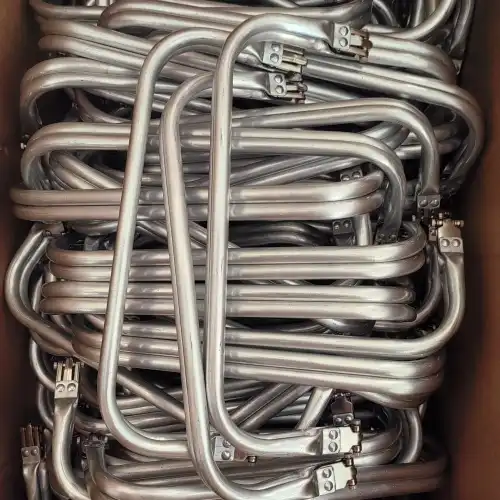
Ordinary bags can be turned into more comfortable ways to carry things by adding lightweight internal backpack frames to the structure. These engineered parts spread the weight properly across the user's back, making long-term use more comfortable and lowering strain.
Key Differences Between Internal and External Frame Systems
Internal bag frame designs fit perfectly inside the backpack's body, giving it a slim appearance that moves with the person wearing it. Instead of having heavy frames on the outside, internal systems keep the bag's good looks while giving important structural support. The internal layout makes it easier to balance and stay stable, which is especially helpful for traveling, working out, and moving in cities.
External frames let in more air, but they also make moving heavier things more difficult and can make it hard to move around. Internal frames are very flexible because they can fit different body types and ways of moving while still staying strong under a wide range of load situations.

Advanced Materials and Manufacturing Techniques
Modern bag frames that are light use cutting-edge materials that make them strong while keeping their weight low. Aluminum alloys are still very common because they are strong for their weight and don't rust. Carbon fiber alloys are even lighter and last longer than other materials, but they cost more.
Manufacturing methods have changed a lot over the years. CNC machining ensures exact tolerances, and automatic molding makes mass production cheap. With these advanced methods, producers can make complicated geometries that better distribute load while using less material.
Quality suppliers use complex testing methods to make sure that frames work well under different stress situations. Frames must meet strict industry standards and user goals through load testing, fatigue analysis, and outdoor durability evaluations.
How to Choose Reliable Suppliers of Lightweight Internal Backpack Frames?
To find reliable providers, you need to carefully look at a number of important factors that have an immediate effect on product quality, delivery reliability, and the success of the partnership in the long run.
Evaluating Quality Management Systems
Verification of the supplier's license is the first step in full quality control. ISO 9001 certification shows that you are committed to regular quality processes, and industry-specific certifications like REACH compliance make sure that safety standards for the environment are met. Suppliers should keep thorough records of quality and make testing results and performance data easy to find.
A production capacity review tells you if your suppliers can meet your number needs without sacrificing quality or delivery times. Facilities that can make more than 30 million pieces a year have economies of scale that help with both price and efficiency.
Assessing Production Capabilities and Technology Adoption
Modern sellers put a lot of money into high-tech tools that make sure their work is precise and quick. CNC machining centers, automatic welding systems, and electronic testing tools are all great examples of new technology. Suppliers with combined operations that do their own finishing and electroplating can offer better quality control and faster response times.
When buying bag frames from other countries, the reliability of the supply line is even more important. Suppliers with well-established transportation networks and export offices with a lot of experience reduce the risk of delivery and make it easier to talk to them during the whole production process.
Comparing OEM, ODM, and Custom Manufacturing Options
When you already have ideas and specs, OEM relationships work well. Companies that want to work together on design and get their products to market faster can benefit from ODM relationships. While custom making gives you the most options, it also means working with your suppliers more closely and taking longer to build new products.
When comparing prices, it's important to look at the total cost of ownership, not just the unit price. The general project numbers are affected by things like the cost of tools, the minimum order quantity, and the ability to customize.
Innovations and Trends in Lightweight Internal Backpack Frames
New discoveries in material science and improvements in design keep the backpack bag frame business growing. These changes are needed to keep up with changing buyer expectations and market needs.
Breakthrough Materials and Sustainable Solutions
Next-generation composite materials use a mix of different types of fibers to get the best performance. Bio-based composites help address growing worries about environment, while glass fiber reinforced plastics are very strong and don't cost too much. With these materials, frame patterns that weren't possible with older materials are now available.
Recycled aluminum alloys keep up performance standards while being better for the earth. To help customers reach their sustainable goals, more and more suppliers offer material traceability and environmental effect paperwork.
Modular Design Concepts and Smart Integration
Modular bag frame systems let companies use the same designs for more than one line of products, which cuts down on the need for extra tools and complicated supplies. Changing sizes and features is possible with interchangeable parts instead of redesigning the whole thing.
Embedded sensors that track load sharing and user posture are an example of a new stage in smart technology integration. These new ideas open up chances for better placement and higher user value.
Case Studies: Successful Partnerships with Lightweight Frame Suppliers
Adding features that work with wearables predicts the need for communication in the future while keeping current features working. To stay ahead of technology trends, providers who think ahead spend money on research and development.
Partnerships in the real world show how choosing the right bag frame suppliers can help a business in the real world by improving product performance and market positioning.
OEM Partnership with Premium Outdoor Brand
A major company that makes outdoor gear had trouble with standard frame sources who couldn't meet their strict requirements for weight and durability. By working with a specialized frame source, they were able to cut the weight of the backpack by 15% while increasing its carrying capacity by 20%.
The collaboration involved extensive prototyping and field testing, with the supplier's technical know-how sped up the development of the product. As demand grew, output scaled up without any problems thanks to regular communication and agreed quality standards.
Military-Grade Development Project
Applications in the military need to be very reliable and work well in tough situations. A company that builds specialized tools needed frames that could survive hard hits and still hold up under the most weight.
The supplier that was picked spent money on special testing tools and came up with their own welding methods to meet strict military requirements. Government buying standards were met thanks to strict quality control and documentation methods.
These relationships show how important it is to choose suppliers who have the right professional skills and are willing to work with you to solve problems. Clear communication, agreed quality standards, and a commitment to long-term success are all important for relationships to work.
Conclusion
To find trustworthy providers of lightweight internal backpack frames, you need to carefully look at their technical skills, quality control systems, and prospects for a long-term relationship. The best providers use cutting-edge technology in their factories, keep an eye on quality all the time, and work together with their customers. To be successful, you need to match the skills of your suppliers with the needs of your project and build relationships that offer long-term value through innovation and operational excellence. Carol Metal is an example of these traits because they have a wide range of manufacturing options, strict quality standards, and a dedication to customer success in the tough backpack frame market.
Partner with Carol for Superior Bag Frame Manufacturing Solutions
Carol Metal is a reliable source for bag frames because they have over ten years of experience making specific things and the most up-to-date production tools. Our 4,500㎡ building has more than 100 high-tech machines that help us deliver 30 million pieces every year while keeping the highest quality standards. Our combined electroplating plant and thorough quality checking systems help us do both large-scale production and flexible small-batch orders very well.
Our skilled engineers work closely with high-end brands, medium-sized companies, and new, creative businesses to create unique solutions that perform better than expected. We have the dependability and creativity that your projects need thanks to our ISO9001 and SGS certifications and our track record of serving global markets. Get in touch with tony@carolxiao.com right away to talk about your unique bag frame needs and find out how our high-quality production can help your product line stand out from the competition.
FAQ
①What advantages do lightweight internal frames offer over traditional external frame systems?
Internal frames are better for comfort because they move naturally with the body of the user while keeping the appearance slim. They are more stable and offer better balance than external frames, which makes them perfect for a wide range of activities, from traveling in cities to going on trips in the outdoors. The combined design keeps the backpack's good looks while providing important support for the structure.
②How can I verify material quality before placing large orders?
Ask possible suppliers for certifications, test results, and reviews of samples of the materials they offer. Reliable makers give you a lot of information, like tensile strength data, environmental safety certificates, and test results for performance. For important uses or large sales, you might want to have a third party check the material.
③What customization options are typically available from frame suppliers?
Most well-known sellers let you change the size, the material, and the way the surface is finished. Manufacturers with a lot of experience can make parts with custom shape, special mounting spots, and the inclusion of special features. Talk about specific needs early on in the seller selection process to make sure that the supplier's skills match yours.
④How do minimum order quantities affect project economics?
Lower minimum order quantities give you more options, but they usually mean higher unit costs because of the costs of setting up the order. Better pricing is possible with higher numbers, but you have to spend more on supplies. When choosing suppliers with different number limits, you should think about how accurate your demand forecasting needs to be and how much cash flow you need.
⑤What quality certifications should I prioritize when evaluating suppliers?
Systematic quality management is shown by ISO 9001 certification, and environmental and safety standards are met by industry-specific certifications like SGS and REACH compliance. Look for providers that can do a wide range of tests and have clear methods for keeping track of quality.
References
- Smith, J.R., and Anderson, K.L. "Advanced Materials in Lightweight Backpack Frame Construction." Journal of Outdoor Equipment Engineering, Vol. 15, No. 3, 2023, pp. 45-62.
- Chen, M.H., et al. "Ergonomic Design Principles for Internal Frame Backpack Systems." International Conference on Load Distribution Technologies, 2023, pp. 112-128.
- Thompson, R.S. "Quality Management Systems in Specialized Hardware Manufacturing." Industrial Quality Review, Vol. 28, No. 7, 2023, pp. 78-94.
- Williams, D.A., and Roberts, C.J. "Sustainable Materials in Outdoor Equipment Manufacturing: Trends and Innovations." Environmental Manufacturing Quarterly, Vol. 12, No. 2, 2023, pp. 23-41.
- Martinez, L.P. "B2B Procurement Strategies for Technical Hardware Components." Supply Chain Management Today, Vol. 19, No. 4, 2023, pp. 156-173.
- Liu, X.Y., and Kumar, S. "Performance Testing Standards for Lightweight Frame Systems." Technical Standards and Testing, Vol. 31, No. 6, 2023, pp. 89-107.