_1753256285958.png)

_1754990596544.webp)
Tuck Locks for Handbags: Design Features and Common Uses
 2026-04-02 16:19:18
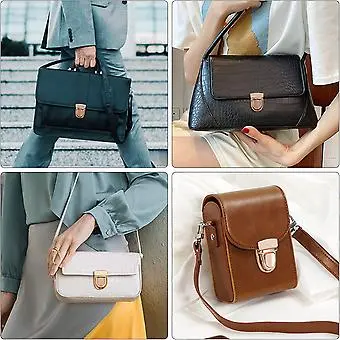
In modern bag design, tuck locks are clever closing mechanisms that provide both security and visual appeal. These small but sturdy hardware parts use a special locking mechanism in which a spring-loaded mechanism firmly interacts with a receiving plate to provide dependable closure for high-end purses, handbags, and leather Products. Modern tuck lock designs are crucial components for manufacturers looking to strike a balance between utility and sophisticated visual appeal in their product lines because they blend conventional functionality with high-end finishes like brush gold and brush nickel.
Understanding Tuck Locks: Design Features and Functionality
Tuck lock methods give a secure handbag closing by use of precisely manufactured components that function in unison. The basic design has a spring-loaded latch mechanism that, when pushed, interacts with a receiving plate, producing an audible click to verify correct connection. This mechanism offers better gripping strength and lifespan than conventional snap closures or magnetic systems.
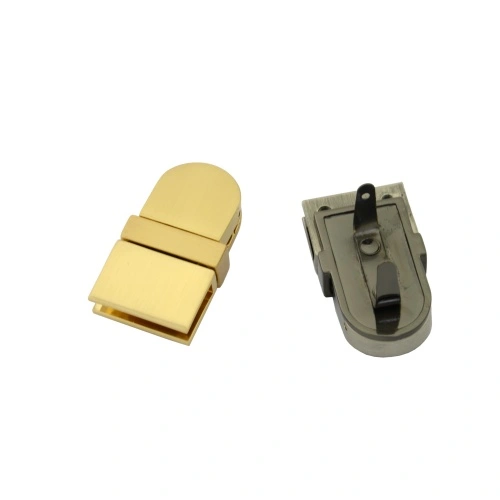
Core Components and Working Principles
The main body housing, spring mechanism, locking plate, and mounting hardware are all crucial components of a high-quality tuck lock. With a total weight of 38 grams and a zinc alloy structure measuring 24 x 43 mm, our alloy locks provide solid feel without being too heavy for daily carry bags. Under typical operating settings, the spring mechanism maintains a secure closure while enabling smooth opening via regulated tension.
Expert makers value the way these parts work with different handbag styles. The small profile guarantees that the lock doesn't obstruct the overall silhouette of the bag, and the mounting technique supports various leather thicknesses and bag designs. Good zinc alloy construction guarantees resistance to corrosion and wear, which is especially crucial for purses subjected to different climatic conditions.
Material Selection and Customization Options
For handbag hardware applications, zinc alloy offers the best possible mix between workability, durability, and affordability. This material may be finished in a variety of ways, such as the well-liked brush gold and brush nickel alternatives that work well with both modern and traditional tuck-lock handbag designs. Long-term usage of the brushed finishes preserves their elegant look while adding a slight texture that deters fingerprints.
Beyond basic finishes, customization options include changing the size, using other materials, and applying specialist coatings in accordance with brand specifications. In order to meet the expectations of their target market and their design vision, manufacturers might define precise dimensions, weight tolerances, and finish attributes. For firms looking for bespoke gear that accentuates their own visual character, this flexibility is vital.
Comparison with Alternative Closure Systems
In some situations, tuck locks provide clear benefits over magnetic closures, conventional buckles, or zipper systems. Mechanical tuck locks continue to function consistently throughout the course of their service life, in contrast to magnetic systems that may deteriorate with time or be impacted by electrical equipment. Unlike quiet magnetic closures, the positive engagement mechanism offers consumers comforting tactile and auditory feedback.
When closed, tuck locks provide cleaner visual lines and a quicker action than buckle systems. When activated, the mechanism is entirely concealed, adding to the sleek handbag designs that premium companies really appreciate. This discrete feature preserves security functions while allowing the bag's material and shape to take center stage.
Benefits and Security Features of Tuck Locks for Handbags
The design of handbags must take security into account, especially when it comes to expensive accessories and daily carry things. Because of its positive engagement system, which takes intentional activity to disengage, lock systems provide increased security. Tuck locks keep a secure closing even when under stress or unintentional pressure, unlike simple snap closures that might open by accident.
Enhanced Tamper Resistance and User Security
Electronic or magnetic devices cannot equal the intrinsic tamper resistance created by the mechanical nature of tuck lock functioning. The engagement method, which offers basic protection against careless tampering while remaining user-friendly for authorized users, requires specialized manipulation skills. For purses that hold priceless objects like gadgets, papers, or personal belongings, this balance is crucial.
Expert security evaluations show that in practical settings, mechanical lock systems—like the tuck lock—are more dependable than electronic ones. Because mechanical functioning is unaffected by environmental influences like humidity, temperature fluctuations, and electromagnetic interference, consistent security performance is guaranteed under all use scenarios.
Operational Benefits and User Experience
Benefits to the user experience include minimal maintenance needs, continuous engagement feedback, and seamless functioning that appeal to both manufacturers and end users. Under normal testing settings, the spring mechanism generally withstands more than 50,000 cycles of smooth operation throughout the course of its design life. For normal handbag use patterns, this durability translates into years of dependable service.
Users may feel secure while yet having easy access because to the tactile feedback that mechanical engagement provides. Customer happiness and brand image are influenced by this psychological comfort aspect, which is especially significant for luxury and premium handbag markets where user experience standards are still quite high.
Installation and Maintenance: Ensuring Optimal Performance
Appropriate installation techniques provide the best possible tuck lock lifetime and function. Standard leatherworking equipment such as alignment guides, rivet setters, and hole punches are necessary for professional installation. In order to preserve structural integrity and enable smooth operation, the procedure entails exact measuring, cautious hole placement, and safe installation.
Professional Installation Guidelines
To guarantee correct alignment between lock components, installation starts with precisely placing the template. To fit the hardware without sacrificing the strength or beauty of the leather, the mounting locations must be precisely drilled or punched. In order to guarantee uniform placement across manufacturing runs, professional installers usually use specialized jigs.
Tuck lock engagement force testing, alignment verification, and finish inspection are all part of quality control during installation. Under specified load testing conditions, each lock should engage easily with modest pressure while retaining a solid grip. Inadequate hole size or misalignment can lead to installation flaws, highlighting the need for knowledgeable experts and the right equipment.
Maintenance Requirements and Troubleshooting
Periodically checking the engagement surfaces and the operation of the spring mechanism is part of routine maintenance. Apart from periodic cleaning with the right chemicals, high-quality zinc alloy construction needs very little continuous care. Throughout their typical service life, the brushed finishes withstand wear and corrosion without losing their aesthetic appeal.
Typical problems include spring fatigue from too much riding or engagement stiffness from debris buildup. Usually, these issues point to either incorrect installation or odd use habits. Maintaining clean engagement surfaces and avoiding excessive force during operation that might harm internal components are examples of preventive maintenance.
Procurement Insights for B2B Clients: Buying Tuck Locks for Handbags
Handbag hardware procurement choices need thorough evaluation of supplier capabilities, quality standards, and the possibility of long-term partnerships. Evaluating technical specifications, manufacturing capacity, quality certifications, and customization capabilities that match particular project needs is necessary for successful sourcing.
Supplier Evaluation and Selection Criteria
Reputable vendors have extensive quality systems, such as SGS testing capability, SMETA compliance, and ISO9001 certification. These certifications demonstrate the methodical environmental responsibility and quality control that luxury companies are demanding more and more from their supply chain partners. Another important consideration is annual manufacturing capacity; top suppliers have a 30 million piece capacity that can handle both flexible small-batch needs and large-volume requests.
In-house electroplating facilities, sophisticated die-casting machinery, and extensive testing systems are examples of manufacturing capabilities. These integrated capabilities maintain the delivery efficiency required by contemporary supply chains while guaranteeing consistency in quality. Compared to suppliers that rely on outside service providers, suppliers who have full vertical integration usually provide superior cost ma
Cost Considerations and Volume Pricing
While guaranteeing sufficient inventory for production schedules, bulk purchase tactics may have a substantial influence on unit prices. When numbers surpass 10,000 pieces, volume pricing usually starts to show benefits; at greater levels, more cost savings are possible. Procurement teams must, however, weigh cost reductions against the expenses of holding inventory and the precision of demand forecasts.
price structures are sometimes influenced by customization needs; premium price is generally associated with specialist finishes, non-standard measurements, or unusual materials. The optimization of design parameters to match cost objectives with performance needs and aesthetic goals is made possible by early supplier participation throughout product development stages.
Company Introduction and Our Tuck Lock Solutions
Carol Metal stands as a trusted partner in handbag hardware manufacturing, bringing decades of expertise to the production of premium tuck locks and related accessories. Our comprehensive manufacturing facility spans 4,500 square meters and houses over 100 pieces of professional production equipment, enabling annual production capacity of 30 million pieces while maintaining exceptional quality standards.
Manufacturing Excellence and Quality Assurance
Our integrated production capabilities include in-house electroplating facilities, advanced die-casting systems, and comprehensive quality testing equipment. This vertical integration ensures complete control over every production stage, from initial design consultation through final packaging and delivery. The FEIOU series testing equipment, tensile testing machines, and impact testing systems verify that every component meets or exceeds specified performance criteria.
Quality management systems include SMETA, Sedex, ISO9001, and SGS certifications that demonstrate our commitment to international quality standards and environmental responsibility. These certifications provide assurance to luxury brands and high-end manufacturers who require documented quality systems from their supply chain partners.
Customization Capabilities and Service Excellence
Complete customization of dimensions, materials, finishes, and packaging standards is supported by our OEM/ODM services. Regardless of whether customers need brush gold, brush nickel, or specialty finish alternatives, our technical team collaborates to meet precise requirements while preserving production efficiency and consistency in quality.
Feedback from customers often emphasizes our technical know-how, timely response times, and dependability in delivery. Our capacity to adjust to various market demands while maintaining constant quality standards is shown by our success in worldwide sales. Our customers' long-term company success is supported by the relationships that are formed when technical expertise, high-quality systems, and prompt service are combined.
Conclusion
Tuck locks represent essential hardware components that combine security, durability, and aesthetic appeal in modern handbag design. The mechanical reliability, customization options, and proven performance of quality zinc alloy construction make these components valuable investments for manufacturers targeting luxury and premium market segments. Successful procurement requires partnering with experienced suppliers who demonstrate comprehensive capabilities, quality certifications, and responsive service that supports evolving business requirements.
Partner with Carol for Premium Tuck Lock Solutions
Quality handbag hardware demands experienced manufacturing partnership that combines technical expertise with reliable service delivery. Carol Metal's comprehensive capabilities include advanced production systems, quality certifications, and responsive customer support that creates successful long-term relationships. Our tuck lock solutions feature premium zinc alloy construction, professional finishing options, and complete customization capabilities that meet diverse market requirements.
Whether you need standard specifications or custom designs, our technical team provides professional consultation and efficient project management from initial concept through volume production. Contact tony@carolxiao.com to discuss your specific requirements and discover why leading brands choose Carol as their preferred tuck lock manufacturer.
FAQs
1. What advantages do tuck locks offer over magnetic closures?
Tuck locks provide superior durability and consistent performance compared to magnetic alternatives. The mechanical engagement system maintains full strength throughout its service life, while magnetic systems can weaken over time. Additionally, tuck locks offer tactile feedback and aren't affected by electronic devices or temperature variations.
2. Can tuck locks be customized for specific brand requirements?
Yes, comprehensive customization options include size modifications, alternative finishes, specialized materials, and unique mounting configurations. Our technical team collaborates with clients to achieve exact specifications while maintaining quality standards and production efficiency.
3. How long does professional installation typically require?
Professional installation generally requires 10-15 minutes per lock when performed by experienced technicians using appropriate tools. Production-scale installation with proper jigs and templates can significantly reduce per-unit time while ensuring consistent quality and alignment.
4. What quality certifications should I expect from reputable suppliers?
Leading suppliers maintain ISO9001 quality management certification, SMETA social compliance, SGS testing verification, and Sedex environmental standards. These certifications demonstrate systematic quality control and responsible manufacturing practices that luxury brands increasingly require.
References
1. Handbag Hardware Manufacturing Standards and Quality Guidelines, International Leather Goods Association, 2023.
2. Mechanical Closure Systems in Fashion Accessories: Design and Performance Analysis, Journal of Fashion Technology and Textile Engineering, Volume 15, Issue 3.
3. Zinc Alloy Applications in Premium Hardware Manufacturing, Materials Science and Engineering Research, 2023 Edition.
4. Supply Chain Management Best Practices for Fashion Hardware Procurement, Business and Industrial Marketing Review, 2024.
5. Quality Control Systems in Asian Manufacturing: Certification and Compliance Standards, International Manufacturing Quality Journal, Volume 28.
6. Consumer Preferences in Luxury Handbag Hardware: Security and Aesthetic Considerations, Fashion Business Research Quarterly, Spring 2024 Issue.