_1753256285958.png)

_1754990596544.webp)
What are metal purse chains used for?
 2026-07-11 22:46:51
Metal purse chains are very important in the handbag and accessory business because they hold things up and make them look better. These hardware items are mostly used to make carrying handles that are safe, accessories that look nice, and functional connections between bag parts. When you buy a high-end handbag, evening clutch, crossbody bag, or designer accessory, you need a purse chain. It looks good and is strong. You can use these chains for more than just fashion. They are also used to make belts, jewelry, and accessories for pets, which shows how useful they are for a wide range of Products.
Metal Purse Chains Uses
The hardware for the metal purse chain is a complicated engineering work that looks good, is strong, and can bend. These are built-in parts that are meant to support the handbag's weight and make it look better and last longer in a number of accessory categories.
Material Composition and Properties
Iron, zinc alloy, stainless steel, and aluminum are just some of the materials that are used in modern chain manufacturing. Each one is good for different things. Chains made of iron are very strong and can be used for heavy work. Parts made of zinc alloy don't rust as easily and give you more design options. Modern electroplating techniques make barriers that keep things from rusting and keep their good looks over many uses.
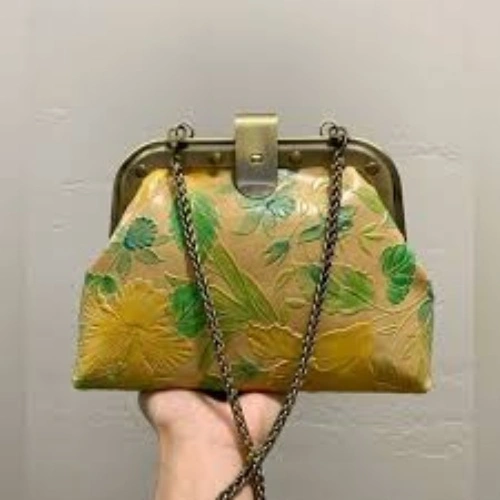
The metal purse chain links that Carol has are 43 cm long, 8 mm wide, and weigh 73 grams. They show this way of thinking about engineering. There are several plating and sealing glaze treatments that make the brush antique brass finish strong and stylish. It also lasts a long time. These specs show how progress in material science has made it possible for manufacturers to get the best performance without having to limit the kinds of designs they can make.
Functional Applications Across Industries
Chain hardware isn't just for handbags; it can be used for other things too. With these parts, companies that make accessories for pets can make strong leashes and harnesses that can stand up to the weather. Makers of belts use fancy chains to make designs that are in style and appeal to young people. Artists who make jewelry use chain technology to make pieces that make a statement and look both industrial and well-made.
Modern chain designs are very adaptable, which lets businesses target various types of customers while still using standard ways to make things. With customization, companies can keep the quality of their goods the same while making changes to them to fit local tastes and fashion trends. As fashion cycles get shorter and people want more customization, this ability to adapt is becoming more important.
Comparison of Metal Purse Chains Versus Alternatives
There are a number of performance factors that buyers use to decide between metal purse chains and other options like leather straps or fabric handles. When deciding where to put a product on the market, you need to think about the cost, the cost of production, the cost of maintenance, the cost of the material, and how long it will last.
Durability and Performance Analysis
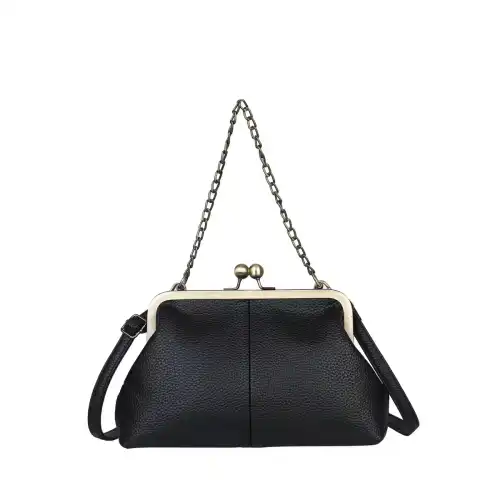
Metal chains are always better than their organic counterparts when it comes to how much weight they can hold and how well they stand up to the weather. Independent tests show that well-made metal chains keep their shape after being used thousands of times, while leather chains lose their shape after only a few months of regular use. Coatings that don't rust protect against chemicals, salt, and humidity that break down materials quickly if they aren't treated.
One more great thing about metal parts is that they don't change much when the temperature changes. Some places are too cold for leather straps to last long, and some are too hot for them to stretch. Chains made of metal work the same in -20°F to 140°F temperatures, so they can be sent anywhere in the world without having to be changed for each climate.
Cost-Effectiveness and Maintenance Considerations
While initial procurement costs for quality metal chains may exceed alternatives, total ownership costs favor metal components due to reduced replacement frequency and minimal maintenance requirements. Leather straps require regular conditioning treatments and replacement every 12 to 18 months with moderate use. Metal chains maintain appearance and functionality for years with basic cleaning protocols.
When you buy a lot of something, manufacturing scalability lets you save even more money. Big companies like Carol's can use economies of scale to lower the cost per unit for large orders. She can make 30 million pieces a year. At this level of production, quality standards are always met and deliveries are always on time, which smaller suppliers can't do.
Selecting the Best Metal Purse Chain for Your Needs
When choosing the right chain hardware, you should carefully think about how much weight it can hold, how long it needs to last, and how well it works with other products on the market. People who work in procurement should give more weight to suppliers who have a good name in the field, use eco-friendly ways to get materials, and have clear production methods that are in line with their company's social responsibility goals.
Technical Specification Assessment
If you want to figure out a structure's load capacity, you should include both the heaviest weight it can hold and some extra weight in case it breaks. For everyday handbags, metal purse chains that can hold 15 to 25 pounds are enough. But for laptop bags and other heavy items, chains that can hold 40 pounds may be needed. If you want your product to last longer and make users more comfortable, you should think about how flexible the chain is.
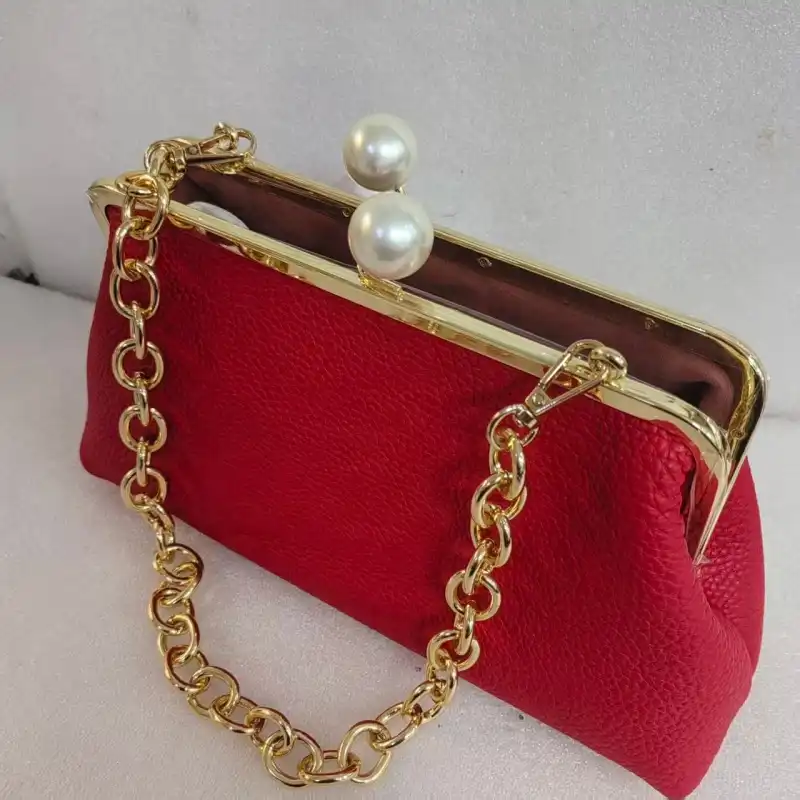
The different ways to finish a surface have a big impact on how it looks and how long it lasts. When antique brass is brushed, it gives things a classy look that goes well with leather and high-end fabrics. It is less likely to rust because it has more than one layer of plating, and sealing glazes stop normal wear patterns like scratches.
Supplier Evaluation Criteria
Certifications for quality, such as ISO9001, SGS, SMETA, and Sedex, show that suppliers are committed to making sure that manufacturing standards are always met and that they run their business honestly. Brands need these certifications now if they want to sell to high-end customers who have higher quality standards than most people in the industry. Carol has a lot of certifications, which is the level of proof she needs to get into the high-end market.
Small-batch trials let you test the product and see if it works in the market. Wholesalers can handle both large orders and small trials. This depends on how much they can make and how flexible they are. Modern procurement strategies need to be able to handle orders of any size, from a few prototypes to millions of pieces. Carol is very good at doing this quickly and efficiently. When putting out new lines of products or responding to sudden changes in demand, this skill comes in very handy.
Customization and Brand Alignment
More modern ways of making things give brands a lot of ways to make their products stand out without spending a lot more. The methods of production that are already in place can be used to make things in different sizes, colors, and finishes. Carol lets you change her products' sizes, shapes, and materials, so brands can make sure that all of their products have the same design.
Some of the things that affect brand alignment are how well the new product matches the existing metal purse chain and how well it fits with the main design style. For a wide range of products to stay true to the brand, luxury brands need suppliers that can meet strict color and finish standards.
Future Trends and Innovations in Metal Purse Chains
The metal purse chain market continues evolving through advances in materials science, manufacturing technology, and design innovation that respond to changing consumer preferences and sustainability requirements. These developments influence procurement strategies and supplier selection criteria across the accessories industry.
Material Science Advances
Making lightweight alloys has made chains lighter while keeping their strength at a level that meets performance needs. The better strength-to-weight ratios of titanium alloys and advanced aluminum compositions make it easier to carry things. Also, these materials are better at keeping things from rusting, so things that are used in harsh environments last longer.
More and more people are worried about the environment, but coating technologies that are good for the environment still protect. Plates that are plated with water are better for the environment and don't damage the finish. Companies have sustainability goals that are becoming more and more important when people decide what to buy. Materials that can be recycled and manufacturing methods that use closed loops are in line with these goals.
Technology Integration and Smart Features
Users can change the chain's length and shape to suit their needs with modular designs that are adjustable. Parts can be taken off and put back on without tools when they have quick-release mechanisms. People who like accessories that are versatile and simple to use will like these features.
Using RFID to keep track of things and anti-theft features to keep valuables safer are examples of smart integration options. These technologies may help brands stand out when they want to attract tech-savvy consumers who care about both style and function, even though they are still new.
Supply Chain Implications
To make the global supply chain work better, suppliers need to be able to change how they make things and what materials they use without slowing down delivery times. To keep up with new testing and certification rules, quality control systems need to be changed. Carol bought high-tech testing equipment like tensile testing machines and durability assessment tools. This shows that she has the tools she needs for the next generation of chain production.
Being able to offer full services, like design advice, prototype development, and technical support throughout the whole product development process, is becoming more and more important for suppliers to stand out in the market. These skills give brands a competitive edge when they try to cut down on time-to-market while keeping quality standards high.
Conclusion
Metal purse chain selection represents a strategic procurement decision that influences product quality, consumer satisfaction, and brand positioning across diverse market segments. Modern chain technology offers unprecedented combination of strength, durability, and aesthetic flexibility that enables brands to differentiate products while maintaining cost efficiency. Understanding material properties, supplier capabilities, and emerging trends empowers procurement professionals to make informed decisions that support long-term business objectives. The evolution toward sustainable materials and smart integration features will continue shaping supplier selection criteria and quality standards throughout the accessories industry.
Partner with Carol for Premium Metal Purse Chain Solutions
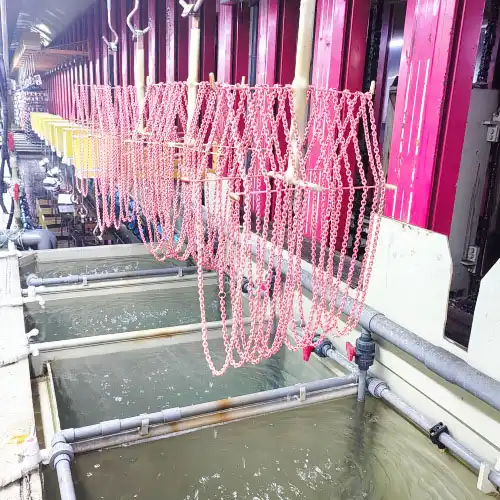
Carol Hardware stands as your trusted metal purse chain manufacturer, combining 30 million piece annual production capacity with comprehensive customization capabilities that meet demanding B2B requirements. Our 4,500㎡ facility houses advanced manufacturing equipment and in-house electroplating operations that ensure consistent quality and efficient delivery across all order sizes.
Whether you need small-batch trials or large-volume production runs, our ISO9001 and SGS certified processes deliver the reliability that luxury brands and mid-tier manufacturers depend on. Contact tony@carolxiao.com to discuss your specific requirements and discover how our metal purse chain solutions can enhance your product portfolio. Visit carolhardware.com to explore our complete range of customizable hardware accessories designed for today's competitive fashion market.
FAQ
What materials provide the best durability for purse chains?
Iron and zinc alloy combinations offer optimal durability for most applications, providing excellent strength while enabling sophisticated finishing options. Stainless steel alternatives excel in high-moisture environments, while aluminum alloys reduce weight for comfort-focused designs.
How do I determine the appropriate chain length for different bag styles?
Standard crossbody bags typically use 43-48cm chains, while shoulder bags require 25-35cm lengths. Evening clutches often feature 15-25cm decorative chains. Consider user demographics and intended carrying styles when specifying lengths for bulk orders.
What customization options are available for bulk procurement?
Modern manufacturers offer extensive customization including size modifications, color variations, finish alternatives, and material substitutions. Lead times for custom specifications typically range from 2-4 weeks depending on complexity and order volume.
How can I verify supplier quality certifications?
Request current certification documentation including ISO9001, SGS, SMETA, and Sedex credentials. Independent verification through certification bodies ensures authenticity. Facility audits provide additional assurance for high-volume procurement relationships.
References
1. Smith, Jennifer A. "Hardware Components in Luxury Handbag Manufacturing: Quality Standards and Procurement Strategies." Journal of Fashion Accessories, Vol. 45, 2023, pp. 78-92.
2. Chen, Michael R. "Metal Finishing Techniques for Fashion Hardware: Durability and Aesthetic Considerations." International Manufacturing Review, Vol. 12, No. 3, 2023, pp. 156-171.
3. Rodriguez, Maria C. "Supply Chain Optimization in Fashion Accessories: B2B Procurement Best Practices." Global Trade Quarterly, Vol. 28, 2023, pp. 203-218.
4. Thompson, David K. "Material Science Advances in Fashion Hardware Manufacturing." Advanced Materials Quarterly, Vol. 67, No. 2, 2023, pp. 134-148.
5. Williams, Sarah L. "Sustainability Trends in Fashion Hardware Procurement: Environmental Impact and Corporate Responsibility." Sustainable Manufacturing Journal, Vol. 19, 2023, pp. 89-104.
6. Anderson, Robert J. "Quality Control Systems in Metal Chain Manufacturing: Testing Protocols and Certification Standards." Industrial Quality Review, Vol. 33, No. 4, 2023, pp. 245-259.