What are the common types of metal zipper puller materials?
 2026-10-28 17:36:19
When sourcing hardware components for bag manufacturing, understanding material composition matters tremendously. Metal zipper pullers serve as both functional and aesthetic elements in luggage, purses, wallets, and jackets. These small but critical components directly impact product durability, brand perception, and customer satisfaction. The most common materials include zinc alloy, brass, stainless steel, and aluminum—each offering distinct advantages in corrosion resistance, weight, cost efficiency, and customization potential. Selecting the appropriate material requires balancing performance expectations with budget realities, particularly for OEM manufacturers managing diverse brand requirements and tight delivery schedules.
Introduction to Metal Zipper Puller Materials
In zipper assemblies, metal zipper pullers serve a purpose beyond simply being functional. These parts determine how people feel when they touch bags, clothes, and other items every day. A good puller makes it easier to open and close and shows quality through its good looks. This choice is very important for buying managers in OEM companies because the choice of material affects production costs, batch consistency, and the number of returns from brand clients.
The things you choose do a lot to the things that happen later. Durability is a measure of whether a product will withstand years of heavy usage or fall apart prematurely, leading to expensive returns. The versatility of the hardware looks determines how well it meets different design goals across different product lines. The way costs are put together has an impact on overall profit margins, especially when costs of hardware make up a large part of the entire cost of manufacturing. Brands can distinguish themselves by offering customization options such as unique finishes, inscriptions or styles that are not available on other Products on the market.
When your organization is working with multiple brands at the same time, understanding these basic material challenges is even more crucial. Varying standards of quality , style preferences and price issues for each brand . A maker of luxury handbags may choose antique bronze-plated brass pullers, while a maker of low-end outdoor gear would choose nickel-finished zinc alloy pullers. The more you know about a subject, the better you will negotiate with vendors, the faster you will acquire samples, and the less you will waste on blunders while creating a product.
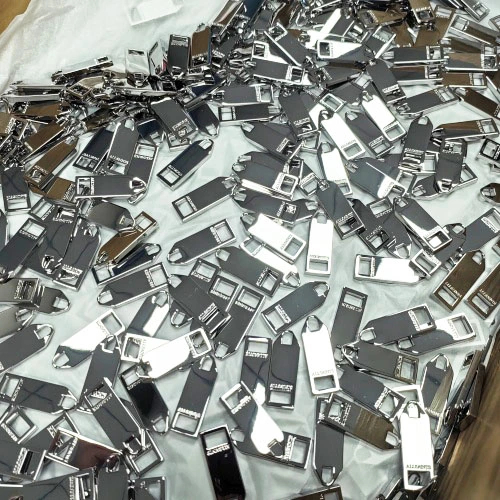
Overview of Common Metal Materials Used for Zipper Pullers
The zipper puller market is mostly made up of four main materials. Each has its own properties that make it suitable for different market segments and uses.
Zinc Alloy: The Industry Standard for Versatility
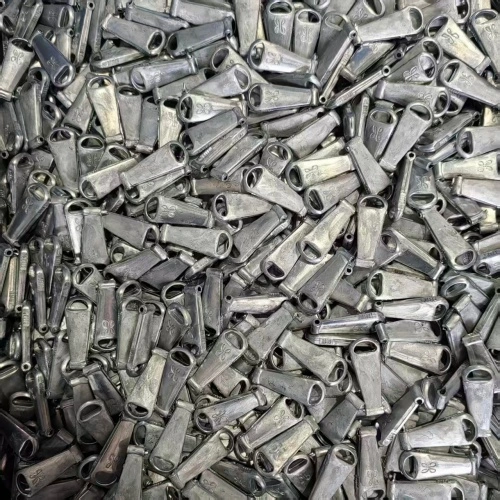
Zinc metal is the most prevalent material used for bag gear. That is because it is a good combination of being cost effective and reliable in terms of performance. Carol’s 30mm length alloy zipper puller is a good example of the usefulness of this material. It is incredibly sturdy without making the end objects overly huge, weighing only 3.4 grams and measuring 30mm × 14mm × 3.5mm.
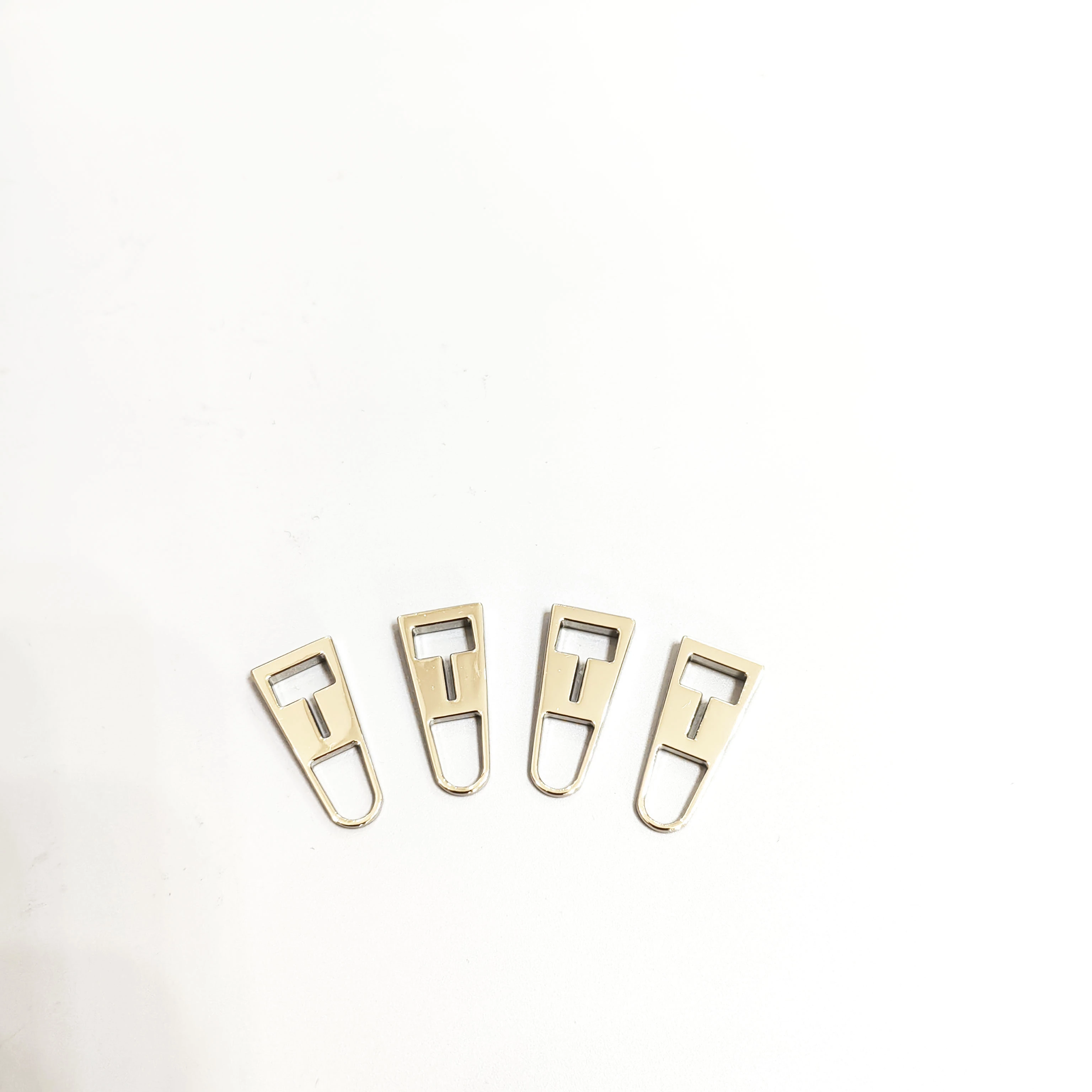
This material is exceptionally easy to mould and bend in the die-casting process, therefore it is feasible to construct forms and designs that would be difficult or expensive to make with other metals. Zinc alloy is liked by manufacturers because it can be finished with numerous finishes on the outside. Zinc alloy substrates lend themselves nicely to nickel plating, gold finishing, gunmetal colouring and antique copper finishes. It is easy to engrave and stamp the material. This makes it ideal for personalizing brand items.
Sufficient corrosion protection for most interior applications and some outdoor exposure. Zinc metal is not quite as corrosion resistant as stainless steel in extreme environments, but with the correct treatment it can handle everyday city use. The cost advantage is especially vital for mid-range products because a good market offering is a compromise between quality and price.
Brass: Premium Aesthetic Appeal
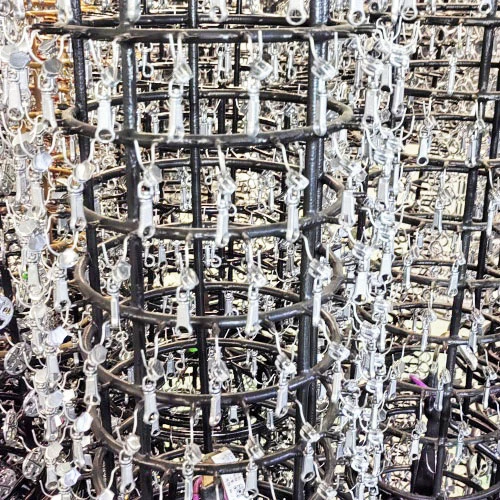
Brass gives off a sense of warmth and luxury that is hard to match with other materials. This copper-zinc metal gives the product a unique golden color that lets buyers know it's good quality before they even touch it. Brass parts are often used by high-end fashion brands because the material's natural look fits with their premium positioning strategies.
In addition to looking good, brass metal zipper puller is very resistant to corrosion and ages well, developing a patina that some designers use to give their products character. The weight of the cloth gives it a solid feel that adds to the impression of quality. As a product ages, its mechanical qualities stay strong. For example, brass pullers keep working smoothly after thousands of open-and-close rounds.
When choosing brass, price is the most important thing to think about. Brass is usually 40–60% more expensive than zinc alloy alternatives. Because of this, brass is best used for high-end bags, designer accessories, and limited-edition items where the cost of the materials is a smaller part of the overall value of the item.
Stainless Steel: Uncompromising Durability
Stainless steel is used when the utmost lifespan and corrosion prevention is required. The metal will not corrode when exposed to water, salt or high temperatures hence stainless steel pullers are utilized in outdoor gear, marine equipment bags and professional tool cases.
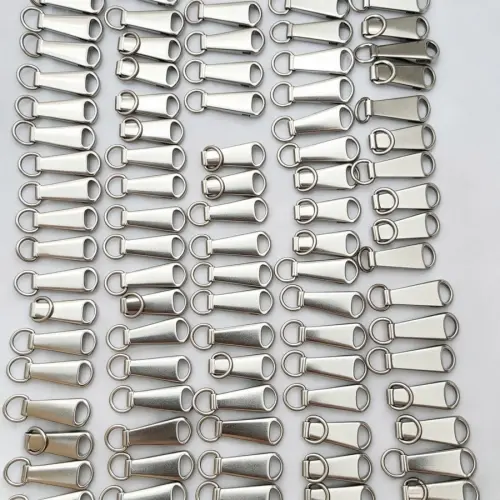
This material has a stronger mechanical strength than any other choice. It possesses high tensile strength and high impact resistance. Stainless steel pullers can tolerate rough handling and high loads in industrial or outdoor recreation applications. The natural gloss of the material means that it does not require any finishing – simple cleaning makes surfaces appear excellent and do not require any upkeep for a long period.
The biggest trade-offs are cost and weight. Stainless steel pieces are heavier than aluminium or zinc alloy parts which might alter the feel of the complete product. The manufacturing process is more costly because to the cost of materials and unique tools required to work with harder metals. For these reasons, stainless steel is the finest choice for high-end outdoor gear and specialist tools where the efficiency is worth the cost.
Aluminum: Lightweight Innovation
Some applications use aluminium where weight is a consideration. The makers of high-end baggage are increasingly turning to aluminium pieces because they’re lighter and stronger than other materials. The natural silver look of the material matches the modern and minimalist design trends that are currently fashionable in vogue.
Aluminium is quite rust resistant, especially when anodized but it does need protective layers to stay as long as it can. Aluminium is softer than steel or brass hence there may be more visible wear lines on aluminium pullers. Depending on the brand this may be an issue or a feature that was supposed to look like this.
If a firm wants to save a few bucks without going as far as carbon fibre, aluminium is a middle-of-the-road alternative. Its pricing is between brass and zinc alloy. It's good stuff for travel bags, laptop cases and stylish things for folks who care about design.
Conclusion
The choice of material for metal zipper puller has a big impact on how well the product works, how people see the brand, and how much it costs to make. Zinc alloy is very flexible and cost-effective for most uses, brass looks expensive and impressive for high-end positioning, stainless steel is very durable in harsh environments, and aluminum is lighter for modern design goals. A good buying process combines these important factors with the needs of the product, the available budget, and the supplier's abilities. Hardware sourcing can be turned from a transactional necessity into a strategic advantage that sets your goods apart and improves brand client relationships by building partnerships with manufacturers that offer technical knowledge, a wide range of capabilities, and systematic quality control.
FAQ
Which Material Offers the Best Durability?
For outdoor gear and nautical uses, stainless steel is the best choice because it is very durable and doesn't rust. Brass lasts a very long time and ages gracefully, making it perfect for high-end goods. If you plate zinc metal correctly, it will work reliably for most indoor and mild outdoor uses. Instead of always choosing the most lasting option, the choice of material should be based on how it will be used and how much it will be exposed to the environment.
Can I Customize Logos and Finishes on Metal Pullers?
Yes, a lot of tailoring is still possible for all popular materials. Zinc alloy can have the most surface treatments, such as different color plating, logo engraving, embossing, and enamel filling. Customization for brass is mostly about changing the finish to look different, like polished, brushed, or tarnished. Stainless steel can be polished to different levels and can get some PVD color treatments. Most manufacturers, including Carol, allow full customization, from the initial ideas for the design to the specifications for the production tools and the finishing touches.
How Do Metal Pullers Compare to Plastic Alternatives?
When compared to plastic options, metal pullers last longer, look better, and feel better to the touch. Plastic parts are cheaper at first, but metal ones pay for themselves over time by lasting longer, improving brand recognition, and lowering the number of times they need to be replaced. Plastic is good for low-cost items and things for kids, while metal is better for mid-range to high-end items where quality impression affects buying choices.
Partner with Carol for Your Metal Zipper Puller Needs
Picking the right metal zipper puller provider can make or break your production speed and product quality. Carol runs a 4,500㎡ factory with more than 100 specialized machines that make 30 million pieces a year. The factory also has integrated electroplating capabilities that get rid of concerns about color variation. Our customization services include everything from helping with design to delivering finished products. We are certified by ISO9001, SMETA, and SGS to make sure we meet global brand standards. Whether you need zinc alloy pullers with custom finishes or materials that are only used in certain situations, our engineering team can help you find the best solution for both performance and cost. Email us at tony@carolxiao.com to talk about your needs and ask for samples that show how good our work is. You can look at our whole product line at carolhardware.com and find out why leading OEM manufacturers choose Carol as their metal zipper puller manufacturer of choice.
References
- Smith, J. & Chen, L. (2022). Materials Engineering in Fashion Hardware: A Comprehensive Guide to Metal Selection and Surface Treatment. Industrial Press Publishing.
- Association of Bag and Accessory Manufacturers. (2023). Annual Report on Hardware Component Standards and Quality Benchmarks. ABAM Technical Committee.
- Rodriguez, M. (2021). "Corrosion Resistance Analysis of Common Zipper Hardware Alloys Under Varied Environmental Conditions." Journal of Materials Science in Consumer Products, 18(4), 234-251.
- International Zipper and Fastener Consortium. (2023). Global Market Analysis: Trends in Metal Hardware Customization and Sustainability Practices. IZFC Research Division.
- Wang, H. & Thompson, R. (2022). "Cost-Benefit Analysis of Material Selection in OEM Bag Manufacturing: Zinc Alloy versus Brass Components." Supply Chain Management Quarterly, 29(2), 112-128.
- National Institute of Hardware Standards. (2023). Testing Protocols for Mechanical Performance and Durability Assessment of Zipper Pullers. NIHS Technical Publication Series.