_1753256285958.png)

_1754990596544.webp)
What are the standard sizes for metal zipper pullers?
 2026-10-11 22:36:48
Metal zipper pullers come in a range of standardized sizes that align with common zipper chain specifications. Industry-standard dimensions typically span from 15mm to 50mm in length, with widths between 8mm and 20mm, and thickness varying from 2mm to 5mm. These measurements correspond directly to zipper types like #3, #5, #8, and #10, where smaller pullers suit lightweight garments and larger ones serve heavy-duty luggage and outdoor gear. Selecting the appropriate metal zipper puller size ensures smooth operation, longevity, and compatibility with your specific application, whether you're producing wallets, jackets, or industrial bags.
Understanding Metal Zipper Puller Sizes: A Comprehensive Overview
If you are in charge of a bag-making business, you have to know the exact sizes of all the hardware parts. Metal zipper puller sizes are based on four measurements: the hole diameter, the length, the width, and the thickness. These parameters aren't made up on the spot; they're based on well-known industry standards that make sure they work with thousands of applications around the world.
Industry Standards and Measurement Conventions
The metric method is used to measure zipper pullers. Length is the longest measurement, going from top to bottom, width is the width across the width, and thickness is the depth of the profile. The diameter of the hole is very important because it affects whether the attachment will work with split rings, rivet posts, or straight slider integration. Most makers talk about these sizes in millimeters, which gives them accuracy and stops mistakes that cost a lot of money to fix.
The most common zipper types are #3, #5, #8, and #10. Each pair has a range of puller sizes that work with it. Pullers that are 15-20 mm long can usually fit through a #3 zipper, which is common in light clothing. On the other hand, #10 zippers used on heavy bags need strong pullers that are 40 to 50 mm in size. When procurement managers know about this correlation, they can avoid mistakes that cause Products to be rejected or assembly to be delayed.
Why Size Selection Impacts Performance
Picking the right size has effects beyond how it looks. A handle that is too small makes it hard for users to hold on to, and a part that is too big adds weight and material cost that aren't needed. The size also affects how long something will last mechanically. Longer pullers are better for opening stiff zippers, while small designs are better for fragile items that need to look as good as possible.
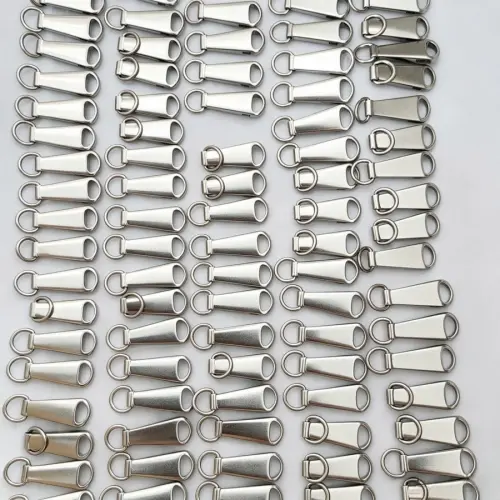
Dimensional precision has a big impact on how well an assembly works. When pullers connect easily to sliders without having to be adjusted by hand, production lines run smoothly. Dimensional errors make workers have to take more time, check each unit, and sometimes throw away whole batches. This has a direct effect on your shipping timeline and profit margins, especially when you have to meet orders from brands that need to be delivered quickly.
How to Choose the Right Metal Zipper Puller Size for Your Business Needs?
When making a procurement decision, you have to match technical specifications to the needs of real-world applications. As part of the selection process, end-use situations, stress standards, and client needs are looked at.
Segmentation by End-Use Industry
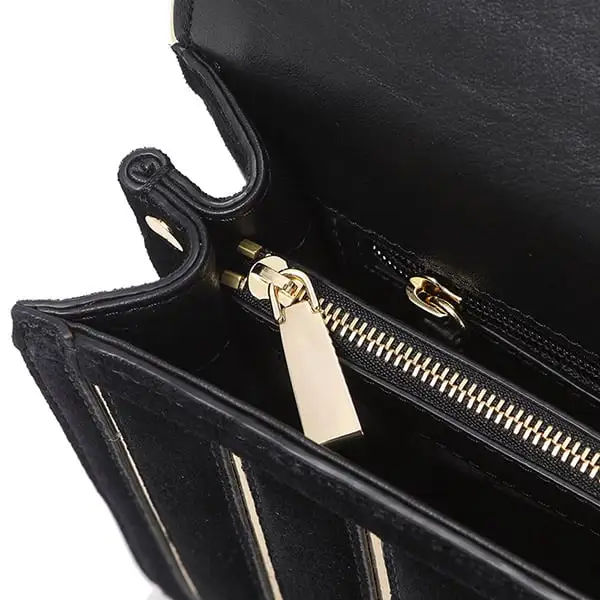
Small pullers in the 15–25mm range work well with fashion items like wallets and small bags. For these uses, looks and lightness are more important than extreme durability. Here, a nickel-finished 30mm puller works great, giving the piece a polished look while still being useful.
Manufacturers of outdoor gear need parts that are strong enough to withstand harsh conditions and repeated use. 35-50mm metal zipper puller made from metals that don't rust are good for backpacks and camping gear. The extra length makes it easier to hold on to while wearing gloves, and the extra thickness makes sure that the product will last for many years.
Making luggage falls in the middle category. For suitcases, pullers that are both strong and light are needed. Usually, these are in the 28-38mm range. Customizable finishes, like nickel, gunmetal, and antique bronze, let brands stand out while still meeting functional standards.
Standard Versus Custom Dimensions
Many OEM customers begin with the idea of distinctive sizes as a way to differentiate themselves. You can stand out with unique sizing, but standard sizes provide substantial benefits such as faster lead times, lower tooling costs and more supplier options. Standard pullers are shipped in 7–15 days and are 30mm × 14mm × 3.5mm in size; custom tooling creation takes 4–8 weeks.
If you produce more than 100,000 units a year or your brand has unique needs for bespoke dimensions, custom dimensions are an excellent fit. The ideal way for modest quantities is to use standard sizes and confine any changes to surface treatments, colours and brand etching rather than changing the sizes.
Metal Zipper Puller Sizes in Comparison: Metal vs. Plastic Options
The choice of material has a big effect on the size requirements and performance qualities. This comparison helps you understand the pros and cons of metal and plastic options.
Dimensional Differences and Structural Requirements
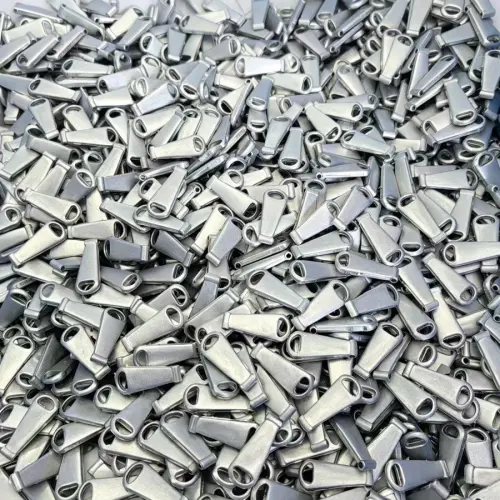
Metal pullers are stronger than their plastic counterparts and take up less space. A 30mm zinc alloy puller is as tough as a 40mm plastic puller and easier to pack and lighter. Metal has better tensile strength and can have smaller cross sections (usually 2-4 mm). Plastic has to be 4-6 mm thick to have the same load resistance.
This economy of scale is a key factor in the cost of shipping and purchasing goods. A bundle of 500,000 metal pullers, each weighing 3.4 g, weighs far less than the same amount of plastic pieces. That cuts down on transportation expenses and carbon footprint.
Performance Lifespan and Cost Analysis
Metal parts will generally take three to five times the number of opening and shutting revolutions before they begin to show wear as compared to plastic parts. A zinc alloy puller lasts 15,000 to 20,000 cycles, but standard plastic wears out after 5,000 to 8,000 cycles. This disparity in longevity makes a difference in warranty cost and brand’s reputation, especially with high end products.
Plastic may be 30–50% cheaper per unit initially than metal, but when you factor in repair rates and customer satisfaction, the total cost of ownership changes. Brand clients are demanding more metal parts to back up premium positioning and sustainability statements. In fact, they’ll even pay more per unit if they know the product is going to endure longer.
Best Practices for Sourcing and Procuring Metal Zipper Pullers by Size
Technical specifications, supplier evaluation, and logistics planning are all important parts of effective procurement. These practices keep risks to a minimum while improving performance in terms of cost and service.
Supplier Evaluation Beyond Size Range
Quality sellers offer a wide range of sizes and have manufacturing certifications. The ISO9001 certification shows that quality control is done in a planned way, and the SMETA and Sedex audits show that production standards are ethical. SGS testing verifies the makeup of materials and performance claims, which keeps expensive product fails from happening after they've been sold.
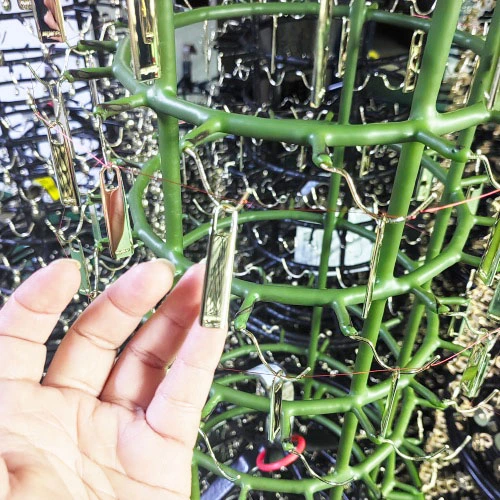
The ability to do electroplating in-house has a big effect on metal zipper puller color consistency and delivery speed. When suppliers run their own plating facilities, they control the whole production chain and don't have to wait for outside processors to coordinate. This integration is important when brand clients want exact color matching—nickel finishes that have to be the same across 200,000-unit production runs can't have shade differences between batches.
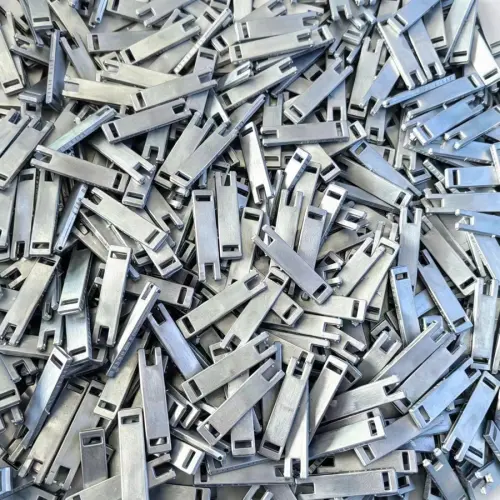
Carol runs a 4,500 building that has more than 100 specialized machines, such as die-casting tools, mold engravers, and precise testing tools. This infrastructure supports both standard production and custom modifications without having to rely on outside partners. This makes sure that delivery times stay the same, between 7 and 30 days.
Sample Approval and Quality Verification
When a sample is inspected, all of its mechanical performance, uniformity of surface polish and accuracy of measurements should be examined. Use calibrated callipers to measure length, width and thickness and check that the measurements are within ±0.2mm of what was requested for. Pay special attention to the hole dia., if it is greater than 0.15mm difference connection becomes difficult during installation.
Test pull-strength of sample batch. Depending on their function, zipper pullers should be able to withstand a force of 15 to 25 kg without breaking or coming off. The durability of a surface finish is measured by salt spray exposure for 24 to 48 hours. This guaranties the plating will not flake or discolour during normal use.
Managing MOQ and Inventory Strategy
Warehouse space and cash flow can be directly impacted by minimum order numbers. The MOQ for standard size pullers is normally 3,000 to 10,000 units. For unique sizes it may take between 20,000 to 50,000 units to justify the investment in the tooling. Suppliers need to be able to properly forecast demand and be flexible to match MOQ standards with the expenses of holding products.
Multi-SKU sales keep inventory levels at the best level. Instead of ordering 50,000 pieces of a single size, you could order 15,000 units of three popular sizes. This allows you more flexibility in how you use the product, while still fulfilling the supplier’s minimum order quantity. This process minimizes the danger of having old inventory when brand clients change their minds between production runs.
Conclusion
Figuring out the right metal zipper puller sizes requires knowing the measurement rules, matching the specs to the needs of the application, and working with reliable suppliers. Sizes from 15mm to 50mm are standard and work well for most uses. Zinc metal materials, like our 30mm × 14mm × 3.5mm model, have great durability-to-weight ratios. Instead of just looking at price, it's important to look at how well providers can make things, how consistent their deliveries are, and how well they meet licensing standards. OEM manufacturers can make production more efficient while still meeting the quality standards their brand clients demand by putting dimensional accuracy, material quality, and supplier reliability at the top of their list of priorities.
FAQ
What is the most common metal zipper puller size?
The most common length measurement used in bag making is 30 mm. This size has a good grip surface for adults and is the same size as #5 and #8 zippers that are popular in wallets, purses, and medium-duty bags. At this length, the width is usually between 12 and 16 mm, and the thickness is between 3 and 4 mm, depending on the material and how long it needs to last.
Can I order custom sizes for small production runs?
When more than 20,000 to 30,000 units are made each year, custom sizing becomes cost-effective. For smaller orders, it's better to choose standard sizes and customize them with surface treatments, color finishes, or brand etching. This method lowers the cost of tools and cuts wait times from 6 to 8 weeks to 1-2 weeks. This helps keep cash flow up while still letting finish choices set a brand apart.
How do I verify dimensional accuracy when receiving bulk orders?
Set up a sampling inspection plan that looks at 2–5% of each shipment batch. Measure random samples' length, width, thickness, and hole diameter with accurate tools, making sure that the readings are within ±0.2mm of the correct answer. Keep track of the results with pictures and measurements, and let sellers know right away if there are any problems. Setting clear quality acceptance criteria before production stops disagreements and makes sure that parts perform the same way during all assembly steps.
Partner with Carol for Reliable Metal Zipper Puller Supply
Carol offers a full range of hardware options for bag makers who need reliable metal zipper pullers and other parts. With the ability to make 30 million pieces a year and in-house electroplating and full-spectrum testing tools, we can make sure that the quality of every batch is the same. Whether you need standard 30mm nickel-finished zinc alloy pullers or special specs that meet the needs of a specific brand, our engineering team is here to help from the first question to the final delivery.
We know how precise OEM clients need because we've been making things for a long time and have ISO9001, SMETA, and SGS certifications. Our 4,500㎡ center handles everything, from designing the molds to packing them all up. This way, we don't have to rely on outside sources that could delay deliveries. With flexible MOQ choices, you can place both small test orders and big production runs. Lead times of 7 to 30 days will keep your manufacturing pipeline running smoothly.
Email our team at tony@carolxiao.com to talk about your specific needs or to get samples of our standard size range. You can look through our full product list at carolhardware.com and learn how working with an experienced metal zipper puller maker can make your buying process easier and save you money.
References
- Johnson, M. (2021). Industrial Hardware Specifications for Textile Applications. Manufacturing Standards Press.
- Chen, L. & Rodriguez, A. (2022). "Dimensional Tolerances in Metal Fastening Components," Journal of Precision Manufacturing, 34(2), 145-162.
- International Zipper Association. (2020). Global Standards for Zipper Components and Hardware. Geneva: IZA Publications.
- Thompson, R. (2023). Supply Chain Management for Fashion Accessories Manufacturing. New York: Industrial Press.
- Wu, H. (2022). "Material Selection and Performance Analysis of Bag Hardware," Asian Manufacturing Review, 18(4), 67-81.
- Davies, P. & Kumar, S. (2021). Quality Control Protocols for Metal Component Procurement. London: B2B Publishing Group.