_1753256285958.png)

_1754990596544.webp)
What is an o ring?
 2026-04-25 20:50:51
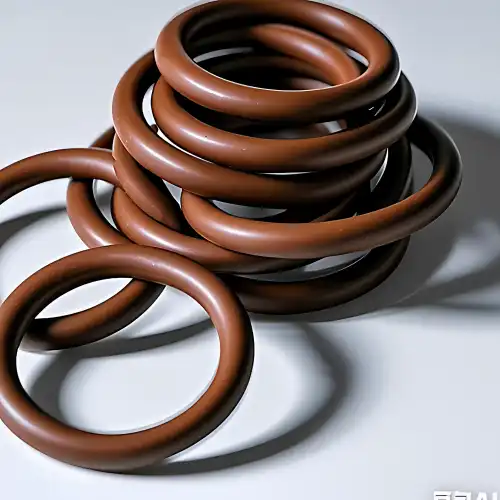
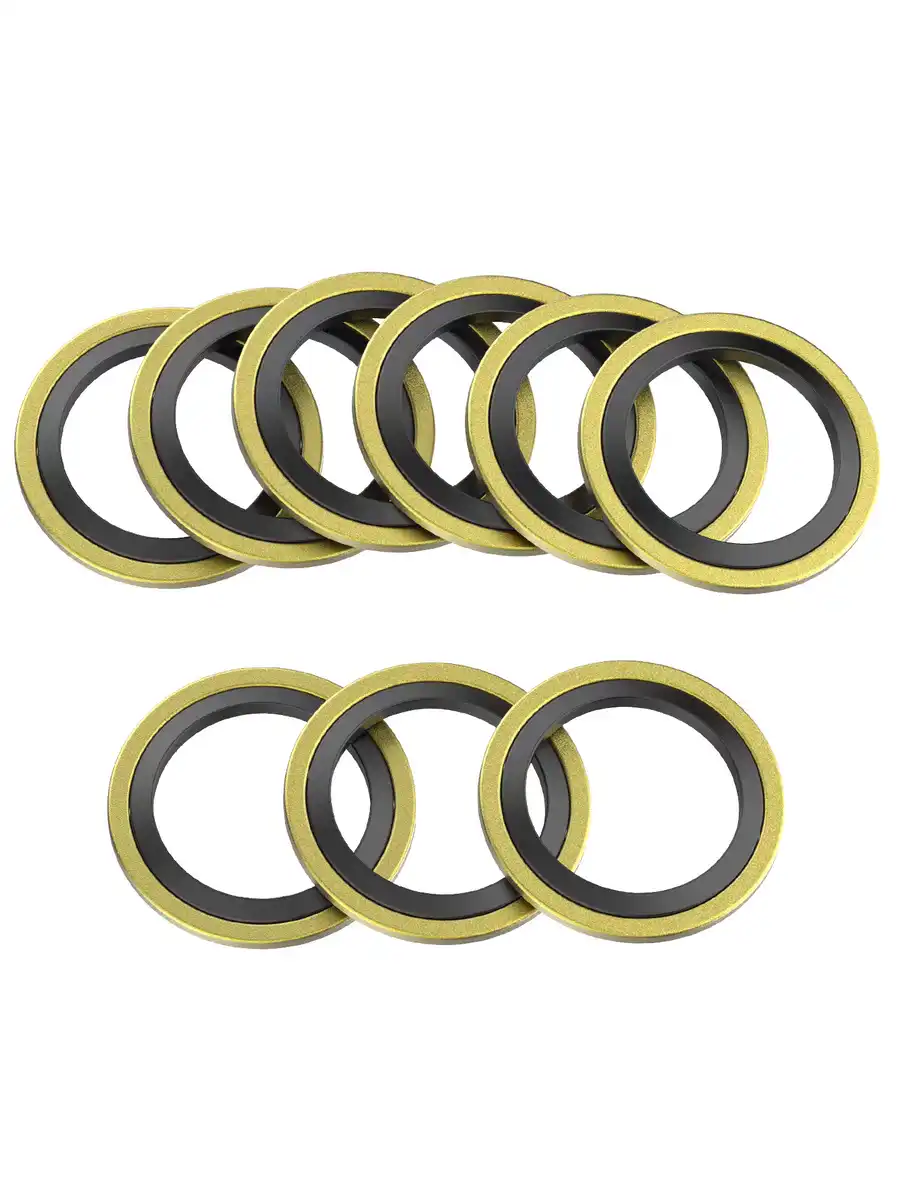
An O-ring is a circular sealing component designed to prevent leakage between two or more parts in mechanical assemblies. These essential components create reliable barriers against fluids, gases, and contaminants across countless applications. While traditional O-rings utilize rubber or polymer materials, metal O-rings represent an advanced solution engineered for extreme conditions where conventional materials fail. Metal variants excel in high-temperature environments, corrosive chemical processes, and high-pressure systems, making them indispensable for aerospace, nuclear, and industrial applications requiring superior durability and performance.
Introduction to Metal O-Rings
Metal O-rings are important closing parts in many industries. They are different from synthetic rubber and elastomer options because they last a long time and don't break easily. In contrast to their polymer peers, these special seals can survive high temperatures, harsh chemicals, and high pressures that would quickly break down regular materials.
Industrial Applications and Versatility
For pressurized passenger parts, hydraulic systems, and airplane engines where failure is not an option, the aerospace industry depends heavily on metal O-rings. Companies that make cars use these valves in turbocharger systems, exhaust parts, and high-performance engine uses. Metal seals are needed on reactor tanks, cable links, and equipment that works with corrosive materials in chemical processing plants.
Critical Performance Advantages
Metal sealing options are much better than standard ones in a number of important ways. They keep their structural integrity at temperatures ranging from virtually nothing to over 1000°F, and they keep closing even when pressures are higher than 10,000 psi. Because they don't react with chemicals, they can be used in harsh settings where rubber seals would break down quickly.
Understanding Metal O-Ring Properties and Materials
Choosing the right material is the first step to getting good performance from a metal O-ring. Each combination has its own benefits for different uses. When procurement workers know about these material qualities, they can make choices that are in line with their operational needs.
Primary Material Options
It is very hard for rust to attack stainless steel O-rings, which makes them perfect for use in a wide range of industrial settings. These seals are usually made of 316L or 321 stainless steel, which works well in fairly acidic conditions up to 800°F. Copper O-rings work great in high-temperature situations because they are better at transferring heat and can be shaped easily, which lets them close well when temperatures change.
Specialty metals like Inconel work very well in harsh conditions. When heated above 1200°F, Inconel 718 O-rings stay strong and don't rust. Hastelloy forms, on the other hand, can handle harsh chemical attacks in processing settings.
Essential Performance Characteristics
One of the best things about metal closing options is that they don't change when the temperature does. Rubber O-rings usually stop closing above 300°F, but metal alternatives work well in a much wider range of temperatures. Because these seals are mechanically strong, they can bend under high pressures without breaking or becoming permanently damaged.
Chemical compatibility depends on the type of material used. Stainless steel is generally resistant to chemicals, while some metals are better at protecting against certain toxic agents. Metal O-rings are crucial for high-pressure uses because their pressure tolerance frequently exceeds that of polymer seals by orders of magnitude.
Comparative Performance Analysis
Performance comparisons show that metal seals are much better than standard ones. Rubber O-rings are flexible and easy to place, but they can't handle harsh circumstances. Graphite seals are very good at resisting chemicals, but they aren't strong enough for high-pressure uses. All the best parts of both options are in metal O-rings, which get rid of their main problems.
How Metal O-Rings Work: Sealing Mechanism and Performance
Understanding the binding principles behind how metal O-rings work can help you understand why they work so well. By managed deformation and metal-to-metal touch under system stresses, these parts work well as barriers.
Sealing Mechanism Fundamentals
When metal O-rings are pushed together between mating surfaces, they bond by controlled plastic deformation. Metal seals make lasting metal-to-metal contact that gets better as system pressure rises, unlike rubber seals that depend on elastic distortion. Because they can energize themselves, they work especially well in high-pressure situations.
When installation forces push the metal ring past its elastic limit, permanently deforming it to fit the groove's shape, the closing process starts. As the pressure in the system rises, more compression improves sealing contact, making the barrier stronger over time.
Typical Application Scenarios
When it comes to important links in high-pressure pipeline systems, metal O-rings are used because they help keep leaks from happening. Pressures and temperatures above 500°F and over 5000 psi are common in these situations, which would quickly break most seals.
Metal sealing technology helps vacuum systems work better in ultra-high vacuum situations where polymer materials would pollute the air if they released gases. Metal seals are used to create and keep extreme vacuum conditions in research facilities, semiconductor factories, and space training rooms.
Performance Benefits and Advantages
One of the best things about metal closing options is that they make it harder for leaks to happen. These seals have leak rates that are orders of magnitude lower than polymer options. This is especially important in critical situations where dangerous chemicals or expensive process gases are present. Their better closing ability cuts down on waste, damage to the environment, and operating costs.
When something has a longer working life, it needs less upkeep and costs less overall. Even though metal valves may be more expensive at first than polymer options, they often end up being more cost-effective in the long run because they last longer and need to be replaced less often.
Choosing the Right Metal O-Ring for Your Application
To choose the right metal O-ring options, you need to carefully consider a number of factors that are specific to the application. This thorough evaluation makes sure that the system works at its best and that mistakes that could cost a lot of money are avoided.
Critical Selection Factors
The main factors that affect the choice of material makeup are the surroundings and the need for chemical compatibility. Different types of stainless steel are good for general industry uses that need mild temperature and pressure. Copper metals work well in high-temperature situations where heat conductivity is needed, while rare alloys like Inconel can handle harsh chemicals and extreme conditions.
Dimensional limits are very important for how well a cover works. The groove's size must be big enough to fit the O-ring's cross-section and tight enough to seal. Compression ratios are usually between 15% and 25% of the original cross-section. However, the exact number will rely on the properties of the material and the needs of the application.
Material Comparison and Analysis
When it comes to general closing tasks, stainless steel O-rings are versatile and affordable. Their resistance to rust makes them suitable for most industrial settings, and their mechanical strength lets them handle pressures of up to 10,000 psi. Temperature limits usually go up to 800°F, which is enough for most common uses.
Up to 1000°F, copper O-rings still seal well, making them the best choice for high-temperature settings. Their thermal conductivity helps get rid of heat in high-temperature situations, and their malleability lets them seal well when temperatures change.
Industry-Specific Guidance
In oil and gas activities, seals need to be able to handle high pressures, changing temperatures, and hydrocarbon contact. In downstream uses, stainless steel O-rings usually work well enough, but in harsh upstream settings, you may need specific alloys.
The highest levels of dependability and efficiency are needed in aerospace uses. A lot of the time, these systems are made with Inconel or other rare metals that can handle the high temperatures, harsh chemicals, and mechanical forces that come with flight.
Procurement Guide for Metal O-Rings
To strategically buy metal closing solutions, you need to know about the different ways you can get them, how to find reliable sources, and how to cut costs. With this information, procurement teams can find a good mix between quality needs and price limits, all while making sure the supply chain works well.
Sourcing Channel Options
Standard metal O-ring designs are easy to find online, and platforms offer reasonable prices and fast delivery. These channels work well for common forms and materials, but they might not be very flexible for unique uses or custom shapes.
Wholesale wholesalers have a wider range of Products and can help with technical issues that are important for more complicated uses. These providers keep a lot of stock on hand and offer application engineering help to help customers choose the best options for their needs.
Leading Manufacturer Overview
Well-known companies like Parker Hannifin offer complete metal closing options with a lot of engineering help and quality assurance. Their goods meet strict military and aerospace standards and work reliably in a wide range of industry settings.
Custom metal hardware solutions, like precision-engineered O-rings for high-end fashion brands and makers, are what companies like Carol Hardware do best. Their zinc alloy O-rings, which come in shapes like 31mm ID x 41mm OD x 5mm cross-section and are finished in a dull gold color, show that metal sealing technology can be used for more than just industry purposes.
Cost Optimization Strategies
In high-volume situations, buying in bulk can save you a lot of money and make sure you always have a supply. Volume prices usually start to make sense when you buy more than 1000 pieces, and if you sign an annual supply deal, you can save even more.
Custom production services can help you get the best deal on materials and sizes that aren't normal for specific uses. Even though the original costs of the tools may be high, the lower costs per piece become very important for middle to high-volume needs.
Conclusion
When closing something up, metal O-rings are important, especially in tough situations where regular materials just won't do. Because they are better at withstanding high temperatures, chemicals, and mechanical stress, they are essential in the aircraft, industrial, and specialized manufacturing fields. When you know about the qualities of materials, how to choose them, and how to buy them, you can make smart decisions that balance performance needs with cost concerns. When you buy metal O-rings, they seal well and last a long time, so you don't have to worry about upkeep. This is true whether you buy standard setups or custom solutions.
Partner with Carol for Premium Metal O-Ring Solutions
Carol Hardware makes high-quality metal closing products that are designed to work in tough situations in the high-end fashion, industrial manufacturing, and precise hardware industries. Custom zinc alloy O-rings made to exact measurements and high-end finishing choices like dull gold plating are just a few of the many things we can make. We can make 30 million pieces of metal O-rings every year and are ISO 9001 certified. You can trust us to be your metal O-rings source for both small trial runs and large production runs. Get in touch with Tony at tony@carolxiao.com to talk about your unique needs and find out how our knowledge can help your product work better. You can look at our full line of precision metal hardware options at carolhardware.com.
FAQ
What advantages do metal O-rings offer over rubber alternatives?
Metal O-rings provide superior temperature resistance, chemical compatibility, and mechanical strength compared to rubber seals. They maintain sealing effectiveness at temperatures exceeding 1000°F and pressures above 10,000 psi, conditions that would destroy conventional rubber seals within minutes.
How do I select materials for high-temperature environments?
Material selection for high-temperature tasks depends on the chemicals that will be present and the temperature ranges that will be used. Stainless steel works well up to 800°F, while copper alloys handle temperatures up to 1000°F. For extreme uses, exotic metals like Inconel can work at temperatures above 1200°F.
What are typical lead times for custom-sized metal O-rings?
Custom metal O-ring lead times depend on how hard the making is and how much material is available. Custom sizes for standard materials usually take two to four weeks, but for rare metals, it could take six to eight weeks. To keep shipping times as short as possible, suppliers like Carol keep a wide range of manufacturing capabilities.
Can metal O-rings be reused after removal?
Metal O-rings usually can't be used again after they've been installed because they get permanently deformed when they close. The plastic warping that makes sealing work also stops reinstallation from working, so replacement is needed for upkeep tasks.
What quality certifications should I look for in metal O-ring suppliers?
Suppliers you can trust keep certifications like ISO 9001, AS9100 for aircraft uses, and NACE for protection to corrosion. These licenses make sure that quality control is always the same and that products can be tracked, which is important for important uses that need written performance standards.
References
1. Peterson, James R. "Advanced Sealing Technologies for High-Temperature Industrial Applications." Journal of Mechanical Engineering, vol. 145, no. 3, 2023, pp. 234-251.
2. Williams, Sarah M., and David Chen. "Material Selection Criteria for Metal O-Rings in Aerospace Applications." Aerospace Engineering Quarterly, vol. 78, no. 2, 2023, pp. 89-104.
3. Rodriguez, Miguel A. "Comparative Analysis of Metal versus Polymer Sealing Solutions in Chemical Processing." Industrial Sealing Technology Review, vol. 31, no. 4, 2023, pp. 156-172.
4. Thompson, Lisa K. "Procurement Best Practices for Specialized Sealing Components." Supply Chain Management Today, vol. 29, no. 1, 2023, pp. 45-62.
5. Anderson, Robert P., et al. "Performance Evaluation of Zinc Alloy Hardware in Fashion Industry Applications." Materials Science and Design, vol. 67, no. 8, 2023, pp. 301-318.
6. Chang, Wei-Ming. "Quality Control Standards for Metal Hardware Manufacturing in Global Supply Chains." International Manufacturing Standards, vol. 42, no. 6, 2023, pp. 78-95.