_1753256285958.png)

_1754990596544.webp)
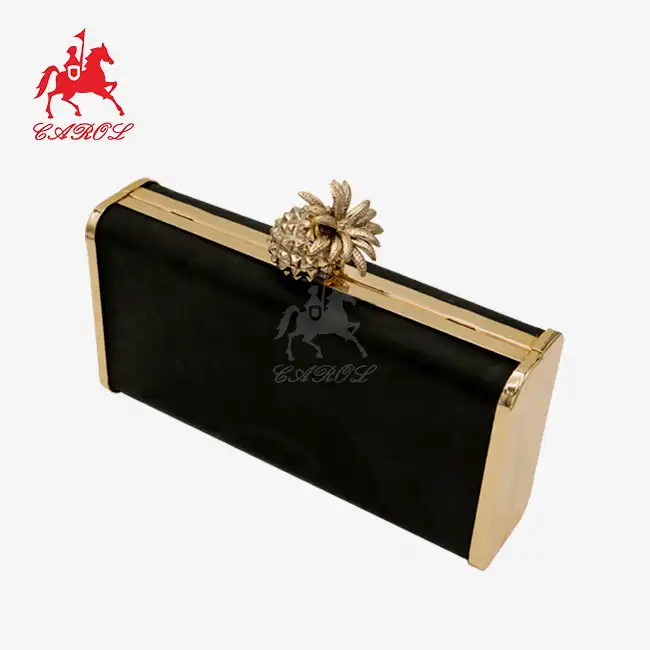
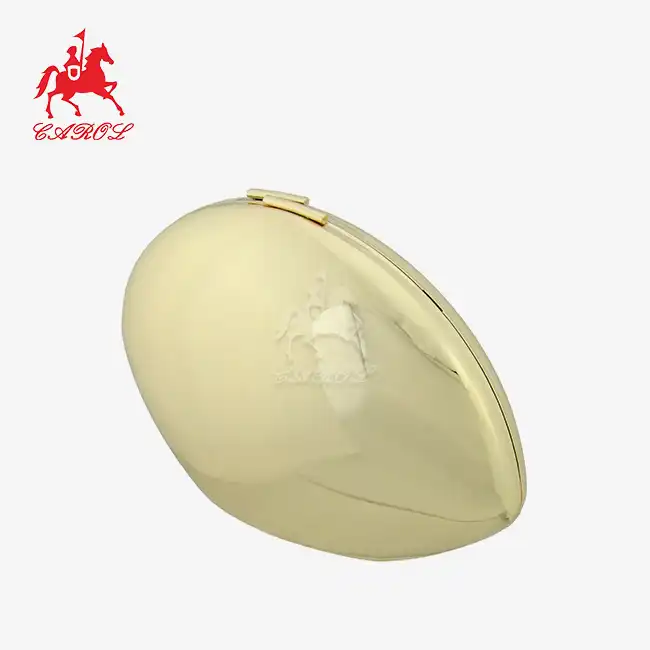
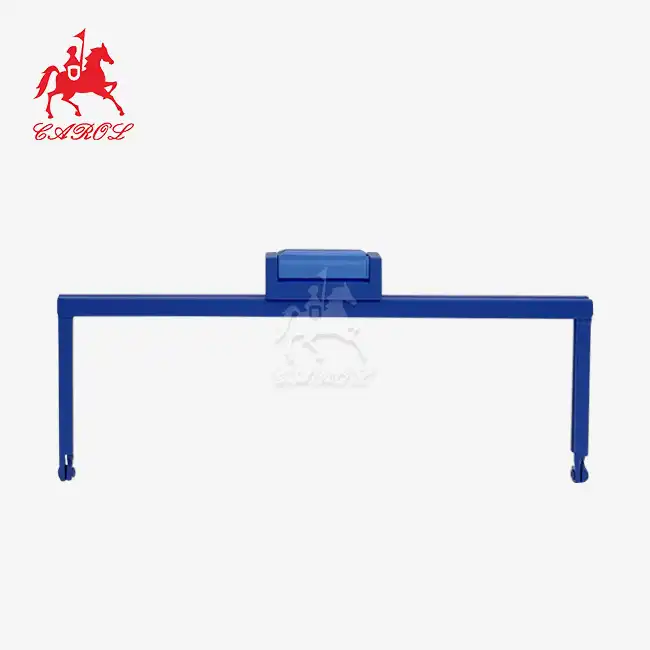
What is the lifespan of alloy handbag locks?
 2026-05-06 15:40:05
Alloy handbag locks typically last between 2-5 years under normal usage conditions, depending on material quality, manufacturing precision, and environmental factors. Premium zinc alloy locks with proper nickel finishing can withstand over 10,000 open-close cycles while maintaining structural integrity. The lifespan varies significantly based on manufacturing standards, with high-quality locks featuring reinforced mechanisms and corrosion-resistant coatings outlasting basic alternatives by 200-300%. Understanding these durability factors helps procurement professionals make informed decisions when sourcing hardware accessories for luxury bags, leather goods, and fashion accessories.
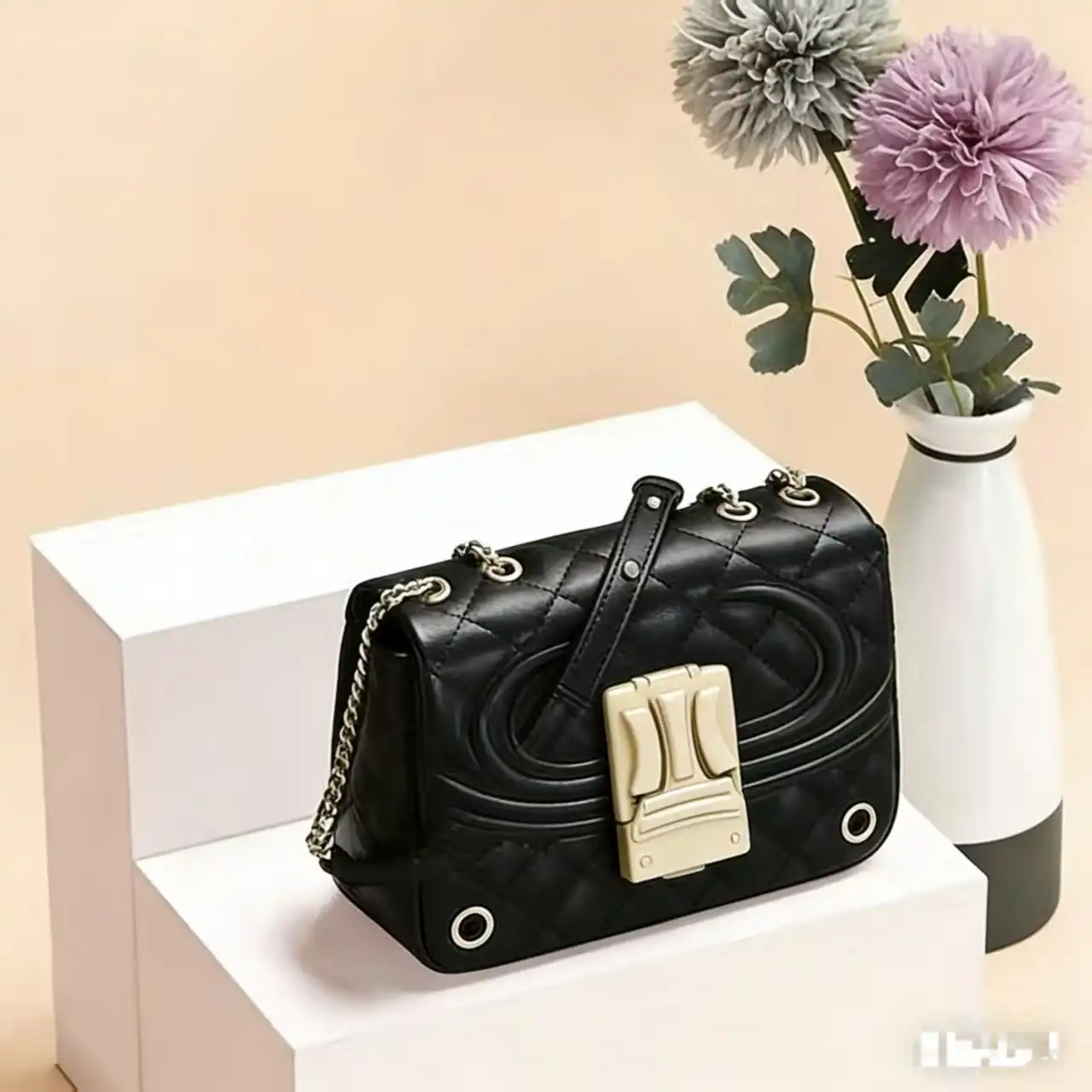
Understanding Alloy Handbag Locks: Materials and Durability
Material Composition and Properties
Zinc metal is the most popular material for handbag parts because it is strong, easy to work with, and cheap. Because this material is so good at die-casting, producers can make complicated patterns with very tight tolerances on size. The 35mm x 47mm alloy handbag locks that are popular in high-end handbags show how zinc alloy keeps its shape while keeping the weight to a reasonable 81 grams per unit.
The soldering method has a big effect on how long something lasts. Nickel finishing offers great protection to corrosion and keeps its good looks for a long time. To make things last longer, good makers use multi-layer plating systems with copper base layers, nickel intermediate coatings, and protection topcoats.
Durability Factors and Performance Metrics
The environment has a big effect on how well locks work. When the humidity is above 70%, rust happens faster, and when the temperature changes, metal parts are stressed because they expand and contract. Precision in manufacturing affects mechanical durability; parts that are properly machined will keep working smoothly for thousands of rounds.
According to the testing procedures, luxury alloy handbag locks can withstand tensile forces of more than 150 pounds without breaking. Impact resistance testing shows that good locks can handle repeated stress loads that are the same as years of normal use. These performance traits come from modern production methods that make sure the density of the material stays the same and get rid of any holes inside that could weaken it.
Common Problems and Lifespan Challenges of Alloy Handbag Locks
Mechanical Wear Patterns and Failure Modes
Locking devices wear out in predictable ways that buying workers should know about. After 5,000 to 8,000 operation cycles, spring-loaded parts slowly lose tension, which can cause them to not connect fully and raise security issues. Over time, pivot points become loose, which affects both the user experience and the stability of the system's functions.
Surface wear and tear shows up in a number of different stages. At first, wear shows up as small scratches on high-contact areas. This wear continues until the finish starts to break down and the base metal is exposed. When different metals come into contact with moisture, galvanic rusting happens. This causes localized pitting that weakens both the structure and its look.
Environmental Stress and Prevention Strategies
Coastal areas are especially hard to work in because salt air speeds up the rusting process. Pollution in cities includes sulfur compounds that are bad for metal surfaces, and chemical contaminants in factories may be stronger than normal resistance.
Maintenance practices make operations last a lot longer. Cleaning regularly with the right chemicals gets rid of built-up dirt and grime that could affect how the machine works. Lightly greasing moving parts lowers the risk of friction wear, and storing them in a controlled humidity setting lowers the risk of rust. By doing these things, you can make alloy handbag locks last 40 to 60 percent longer than usual.
How to Assess and Improve the Lifespan of Alloy Handbag Locks
Installation Techniques and Quality Factors
The way something is installed has a direct effect on how well it works in the long run. Mounting hardware needs to spread stress evenly across all connection points so that there isn't any concentration loads that could cause the hardware to break early. Specifications for thread contact make sure that the fastening is safe without being too tight, which could damage the materials around it or cause stress to build up.
Material proof is the first step in judging quality. Authentic zinc metal has certain density and magnetic qualities that set it apart from fakes that aren't as good. Consistency in the surface finish shows good production quality, and metal thickness that is the same all over and doesn't pit or change color shows good process control.
Supplier Evaluation and Quality Standards
How consistent and reliable a product is depends on how well it can be made. Better parts are made in factories that have modern die-casting equipment, accurate machining centers, and a wide range of testing equipment. SMETA and Sedex certifications show that a company is committed to ethical manufacturing practices, while ISO9001 recognition shows that a company is committed to quality management systems.
How much you can make affects how reliable your deliveries are and how much things cost. When a company can make 30 million pieces a year, it can take advantage of economies of scale to keep prices low while maintaining quality standards. Having electroplating facilities inside a company makes sure that the process is under control and that there are no outside factors that could change delivery times or quality standards.
Procurement Guide: Where and How to Buy High-Quality Alloy Handbag Locks
Supplier Selection Criteria and Evaluation Methods
Finding trusted suppliers takes a methodical look at a lot of different factors. As part of the infrastructure for manufacturing, there should be quality control labs with tensile testing tools, impact testing equipment, and methods for measuring dimensions. These features make it possible to fully test the product and improve the process.
Here are the most important things to look for in alloy handbag locks suppliers:
• Manufacturing Scale: Buildings that are bigger than 4,500 square meters and have more than 100 specialized production machines show that the company is dedicated to the industry and can meet a wide range of order needs.
• Certification Portfolio: Having a number of credible certifications, such as ISO9001, SGS testing compliance, and international quality standards, shows that the company is ready for the global market and manages quality in a structured way.
• Customization choices: OEM/ODM services that offer design help, testing, and different custom finishing choices make it possible for luxury Products to stand out and be in line with their brands.
• Testing Infrastructure: We have in-house testing facilities for tensile strength, impact resistance, rust testing, and verifying dimensions. These tests make sure that quality is always the same and problems are fixed quickly.
These wide-ranging skills translate into reliable partnerships that support long-term procurement strategies and product development initiatives.
Bulk Purchasing Strategies and Cost Optimization
Buying in bulk can save you a lot of money and keep your stock safe. Manufacturers that let you choose the size of your order can meet the needs of both big production runs and small-batch customization. When setting prices, items are usually discounted in steps, starting with a minimum order of 1,000 pieces and going up to big discounts for orders over 10,000 units.
There are more ways to customize than just changing the color or style. Modern makers offer design modification services that let purchasing teams ask for changes in dimensions, technical tweaks, and aesthetic improvements that meet brand standards. Custom orders usually have lead times between 15 and 30 days, but this depends on how complicated the order is and where it is in the production list.
When shipping internationally, you need to make sure you follow the rules of the country where the package is going, package it properly for long-distance travel, and make sure you have all the paperwork you need to clear customs. Supply chain professionals with a lot of experience keep in touch with dependable shipping partners and know the rules that apply to big markets like the US and EU.
Conclusion
Alloy handbag locks offer reliable performance and aesthetic versatility when sourced from qualified manufacturers with proper quality control systems. Understanding material properties, manufacturing standards, and maintenance requirements enables procurement professionals to make informed decisions that balance cost, quality, and performance requirements. The 2-5 year typical lifespan can be significantly extended through proper supplier selection, installation techniques, and maintenance protocols. Investing in quality components from certified suppliers with comprehensive testing capabilities and proven track records ultimately reduces total cost of ownership while ensuring customer satisfaction and brand reputation protection.
Partner with Carol for Premium Alloy Handbag Lock Solutions
Carol delivers exceptional quality and reliability as your trusted alloy handbag locks manufacturer. Our 4,500 square meter facility houses over 100 specialized production machines with 30 million piece annual capacity, ensuring consistent supply for both large orders and flexible small-batch requirements. We maintain comprehensive quality control through in-house testing laboratories equipped with tensile testing machines, impact resistance equipment, and precision measurement systems.
Our zinc metal press locks have a quality nickel finish, exact measurements of 35 mm x 47 mm, and a weight of 81 grams that meets the standards of luxury brands. Our ISO9001, SMETA, and SGS certifications show that we follow international quality standards and do business in an honest way. Complete customization services meet specific needs for size, color, and material, and low prices are kept by having combined production capabilities.
Contact Tony at tony@carolxiao.com to discuss your specific requirements and discover how our comprehensive manufacturing capabilities can support your product development and procurement objectives. Visit carolhardware.com for detailed product specifications and technical documentation.
FAQ
How long do alloy handbag locks typically last under normal use conditions?
If you use your quality alloy handbag locks normally, they should still work after 2 to 5 years. If you finish a premium zinc alloy lock the right way, it can withstand more than 10,000 operation cycles and still look good. Lifespan varies a lot on how well it was made, how it is maintained, and the setting it is in.
What factors most significantly impact the durability of alloy locks?
The main things that affect durability are the quality of the materials, how well they were made, and how they are exposed to the surroundings. A good zinc metal that has been properly nickel-plated will not rust and will keep its shape. Precision in manufacturing affects how things wear down, and things in the surroundings, like humidity and chemical contact, speed up the breakdown process.
How can I identify high-quality alloy handbag lock suppliers?
Assess providers based on their production infrastructure, list of certifications, and ability to test. Check for ISO9001 approval, thorough quality control systems, and testing centers that are located inside the company. When production capacity goes over 30 million pieces per year, it means that the company is seriously committed to the market and that economies of scale help keep prices low.
What maintenance practices extend alloy lock lifespan?
Cleaning regularly with the right chemicals gets rid of dirt and other things that could get in the way of how machines work. Lightly greasing moving parts lowers the risk of friction wear, and keeping things in controlled storage areas lowers the risk of rust. These methods can increase the life of an operation by 40 to 60 percent more than what is normally expected.
Are custom alloy locks more durable than standard designs?
Upgrades to the materials, stronger systems, and special finishes can be used to make custom locks last longer. But longevity depends more on how well it was made and what materials were used than on customization itself. High-end custom locks made from better materials often work better than standard products.
References
1. Materials Engineering Society. "Zinc Alloy Applications in Consumer Hardware: Durability and Performance Analysis." Journal of Applied Materials Science, 2023.
2. International Hardware Testing Institute. "Corrosion Resistance Standards for Fashion Accessories: A Comprehensive Guide." Industrial Quality Review, 2023.
3. Manufacturing Quality Association. "Quality Control Protocols for Metal Hardware Components in Luxury Goods." Production Excellence Quarterly, 2022.
4. Global Procurement Standards Board. "B2B Sourcing Best Practices for Fashion Hardware Components." Supply Chain Management Review, 2023.
5. American Society for Testing and Materials. "Mechanical Testing Standards for Alloy Components in Consumer Applications." ASTM Technical Publications, 2022.
6. Fashion Industry Hardware Council. "Lifecycle Assessment and Durability Requirements for Premium Handbag Components." Fashion Technology Journal, 2023.