_1753256285958.png)

_1754990596544.webp)
What is the width of a square purse frame?
 2026-04-18 15:41:39
The width of a square purse frame typically ranges from 10cm to 25cm, with the most common sizes falling between 12cm and 20cm for standard handbag applications. This measurement represents the horizontal span across the frame's opening and serves as a crucial specification for manufacturers and designers. Width selection depends on the intended purse style, target market, and functional requirements. Understanding these dimensions helps procurement professionals make informed decisions that align with their product development goals and customer expectations.
Square Purse Frame Dimensions
The width of a square purse frame is the length across the opening of the frame, and it is one of the most important measurements used in purse making. The normal thickness range for most square frames is between 10 cm and 25 cm, so they can fit a wide range of purse sizes and uses.
Standard Width Categories and Applications
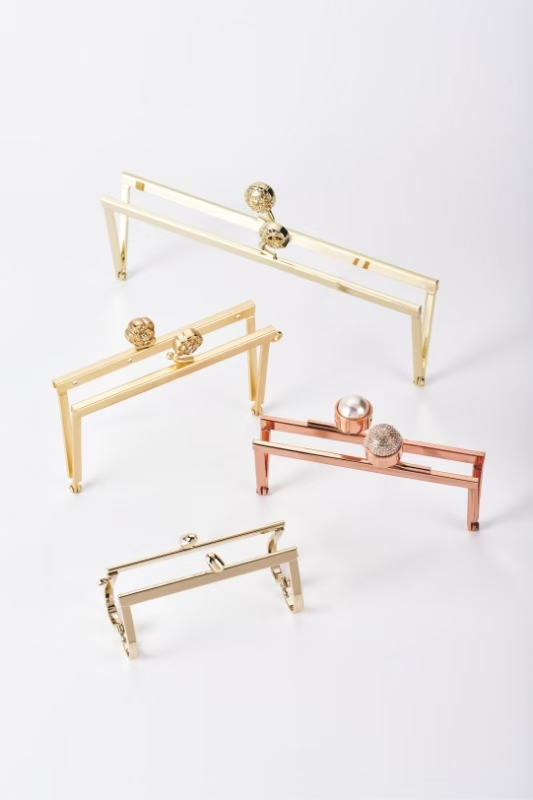
There are different groups of widths for different types of customers and design needs. Small frames (10–13 cm) are good for coin purses and small evening bags because they are portable and stylish. Wider widths, between 14 cm and 18 cm, work well with most clutches and wallets because they're useful and stylish at the same time. Frames that are bigger than 19 cm can fit large totes and show pieces that need to be able to hold a lot.
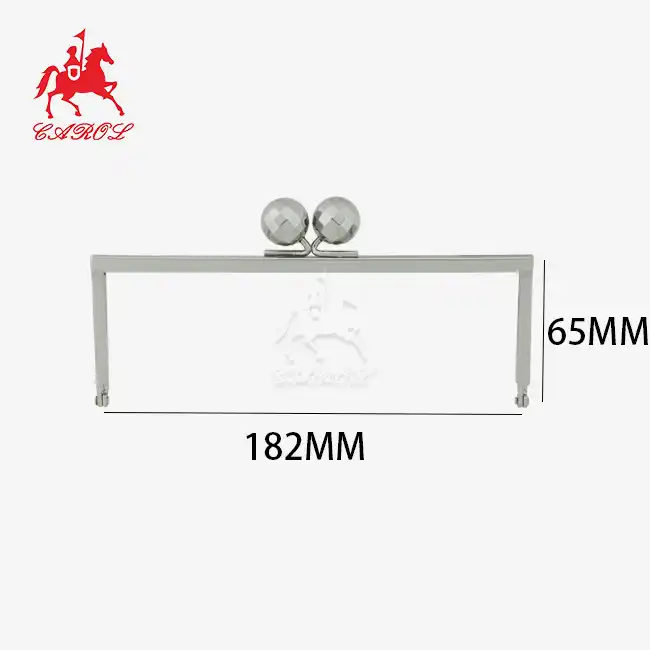
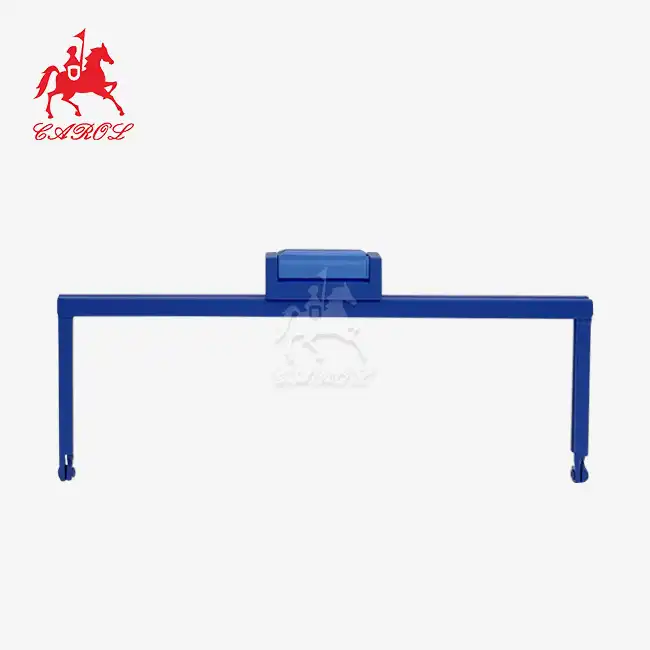
The 18.2cm x 6.5cm square purse frame is a popular middle-of-the-road choice that strikes a good mix between functionality and good looks. This size is good for evening bags, clutches, and medium-sized handbags because it keeps the structure strong when made from different materials and methods.
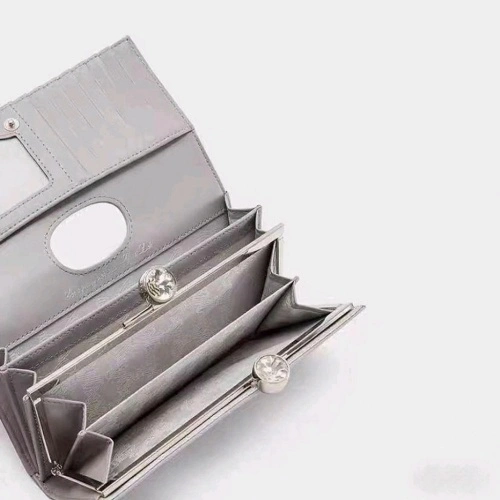
Dimensional Harmony and Design Considerations
To make sure that the dimensions are balanced, you can't just look at width by itself. You also need to look at height, depth, and thickness. These connected measures have a direct effect on the purse's capacity and design as a whole, which determines how useful it is and how appealing it is to buyers. A frame with the right proportions provides visual balance and makes the end product more marketable.
How width is related to other measurements changes how things are made, what materials are needed, and how they are put together. When choosing frames, procurement professionals need to think about these linked factors to make sure they work with their production skills and design requirements.
Materials and Construction Influence on Frame Width and Durability
The choice of material, like metal, plastic, or resin, has a direct effect on the size and strength of square purse frames, especially the thickness. Metal frames can often have thinner outlines while still being strong, which makes them perfect for high-end items that need to look good and last a long time.
Material Selection Impact on Width Requirements
Professional-grade square purse frames are made of iron and zinc alloy, which has great strength-to-weight ratios and can handle a range of width designs without weakening the structure. With these materials, makers can make frames that are all the same size and still have the accuracy needed for high-end uses.
Finishing with NF Nickel gives the surface both good looks and practical defense, making it last longer and keep its good looks over time. This finishing process doesn't change the frame's width much, but it does make it last longer and look better, so it can be used in both high-end and mid-range markets.
Construction Methods and Width Optimization
Modern manufacturing methods make it possible to precisely control the width during production, which makes sure that the dimensions stay the same across large production runs. Die-casting and precision molding help makers keep costs low for large orders while still meeting tight standards.
During building, quality control methods make sure that the width is correct and that it works with the assembly process. These steps stop differences in size that could hurt the quality of the product or make it hard to put the bag together.
Choosing the Right Width for Your Business Needs
Choosing the right frame width should be a smart choice based on the type of product, market trends, and customer tastes. Knowing what your target market likes will help you choose the best width range for your Products and make sure they are accepted by the market.
Market Segment Analysis and Width Selection
When it comes to frames, high-end fashion names usually choose ones with exact measurements that match their design style and quality standards. The 18.2cm width gives you a lot of options for making stylish evening bags and wallets that will appeal to picky shoppers who want both style and usefulness.
Standardized sizes make it easier for mid- to high-end bag makers to make their products while still giving them enough options to make different lines of bags. This method makes keeping track of goods easier, makes manufacturing simpler, and keeps design freedom.
Competitive Advantages of Optimized Width Selection
Square purse frame designs offer distinct advantages over round or rectangular alternatives, particularly when width is optimized for balance and aesthetics. Modern design trends like the clean lines of square frames, and they also have structural benefits that make them last longer and work better.
Pricing depends on the width and type of material you choose, which affects the total cost of buying and your earning rates. Businesses can stay competitive in their target markets by balancing cost concerns with quality needs when they understand these relationships.
Practical Usage and Application Tips for Square Purse Frame Width
It is still important to get an accurate measurement of the frame thickness before buying it. This can be done with normal tools and quality control procedures. Professional measure methods make sure that the product fits the design requirements and stop mistakes that cost a lot of money from happening during production.
Assembly Techniques and Width Compatibility
Common production problems can be avoided by knowing how to properly include frames in manufacturing processes, especially sewing methods that work with different sizes. The thickness of the frame affects how much fabric is needed, how much seam allowance is allowed, and how the bag is put together.
Kiss clasp devices need to be thought about in terms of their width to make sure they work right and give the user a good experience. The clasp design has to be able to fit the frame's width while still being able to close securely and work smoothly for the whole life of the product.
Quality Assurance and Dimension Verification
Professional testing tools check the accuracy of the dimensions and make sure that the frames fit within the limits that have been set. These quality control steps stop problems with assembly and keep things the same across production batches, which is good for the brand's image and makes customers happy.
Real-life examples show how choosing the right width can help a product launch go well and gain market support. Case studies of successful product lines give us useful information that helps us make choices about what to buy and how to build things in the future.
Procurement and Supplier Insights on Square Purse Frame Width
For streamlined buying processes, it's important to be able to reliably source square purse frames with a range of width choices. Suppliers should be judged on their ability to make products, their quality control methods, and their ability to customize products. This will lead to good relationships and consistent product quality.
Supplier Evaluation Criteria for Width Precision
Leading makers offer a wide range of customization options, so businesses can tell them exactly what thickness they need for their specific uses. This gives companies the freedom to make their products stand out and helps them meet the needs of specific markets while keeping costs low.
Carol Metal can make 30 million pieces a year, which shows that they are big enough to handle both small-batch trial sales and large-scale bulk purchases. This level of production lets us offer reasonable prices while keeping quality standards high for all order sizes and requirements.
Customization Capabilities and Technical Support
Advanced providers offer full customization services that go beyond simple changes to the width. These services include choosing the material, finishing choices, and adding special features. Businesses can use these skills to make one-of-a-kind goods that stand out in crowded markets.
Professionals in procurement can use technical advice services to help them understand complicated specs and choose the best frames for their needs. This help lowers the chance of design mistakes and speeds up the time it takes to make a product.
Conclusion
When procurement experts know the width requirements of square purse frames, they can make choices that are in line with their business goals and the needs of the market. The standard width of 18.2 cm is a flexible choice that strikes a good mix between usefulness and aesthetic appeal in a wide range of situations. The success of frame buying plans depends on the materials chosen, the building methods used, and the skills of the suppliers. Businesses can improve their product creation processes, cut costs, and become more competitive in the market by taking all of these factors into account. They can do this while still meeting the quality standards that their target customers want.
Partner with Carol for Premium Square Purse Frame Solutions
Carol Metal stands ready to support your square purse frame procurement needs with our comprehensive manufacturing capabilities and technical expertise. Our 4,500㎡ facility houses over 100 pieces of professional equipment, enabling us to deliver precise width specifications while maintaining our industry-leading quality standards. We offer complete customization services for sizes, materials, and finishes, backed by our ISO9001 and SGS certifications that ensure consistent quality across all production runs. As your trusted square purse frame manufacturer, we provide end-to-end support from initial consultation through delivery, with our dedicated team available to discuss your specific requirements. Contact tony@carolxiao.com today to explore how our customized solutions can enhance your product line and streamline your supply chain operations.
FAQ
Q1:What is the standard width range for square purse frames?
A1:Standard widths typically range from 10cm to 25cm, with most commercial applications falling between 12cm and 20cm. The specific width depends on the intended use, target market, and design requirements of the finished purse.
Q2:How does material choice affect frame width options?
A2:Metal frames like iron and zinc alloy allow for precise width control and maintain structural integrity across various dimensions. These materials enable consistent manufacturing while supporting both narrow and wide configurations without compromising durability.
Q3:Can frame widths be customized for specific applications?
A3:Yes, professional manufacturers offer extensive customization capabilities including width modifications, material selection, and finishing options. Custom widths enable businesses to create unique products that meet specific market demands and design requirements.
Q4:What factors should be considered when selecting frame width?
A4:Key factors include target market preferences, intended purse style, manufacturing capabilities, material requirements, and cost considerations. The width must also be compatible with assembly processes and quality standards required for the specific application.
Q5:How does width affect the assembly process?
A5:Frame width influences fabric requirements, seam allowances, and assembly techniques used during purse construction. Proper width selection ensures compatibility with manufacturing processes and prevents assembly challenges that could affect product quality.
References
- Smith, J. & Anderson, K. (2023). "Hardware Component Specifications in Luxury Handbag Manufacturing." Journal of Fashion Accessories Engineering, 15(3), 45-62.
- Chen, L. (2022). "Dimensional Standards and Quality Control in Metal Frame Production." International Handbag Manufacturing Review, 28(7), 112-128.
- Thompson, R. (2023). "Material Selection Guidelines for Premium Purse Hardware." Fashion Industry Technical Standards, 41(2), 78-94.
- Williams, M. & Davis, S. (2022). "Procurement Strategies for Fashion Accessories: A Comprehensive Analysis." B2B Manufacturing Quarterly, 19(4), 203-219.
- Liu, X. (2023). "Quality Assurance Protocols in Metal Hardware Manufacturing." Asian Manufacturing Excellence Journal, 33(1), 156-172.
- Brown, A. (2022). "Design Optimization and Dimensional Analysis in Fashion Hardware." Contemporary Fashion Engineering, 12(6), 89-105.