_1753256285958.png)

_1754990596544.webp)
What size do eyelets come in?
 2026-04-18 15:41:41
Metal round eyelets come in a diverse range of sizes to accommodate various applications, from delicate fashion accessories to heavy-duty industrial uses. Standard sizes typically range from 3mm to 50mm in outer diameter, with inner diameters varying proportionally. These versatile hardware components are measured by three key dimensions: inner diameter (the hole size), outer diameter (the complete eyelet width), and flange thickness. Understanding these measurements ensures you select the perfect eyelet size for your specific project requirements, whether you're working with lightweight fabrics or robust industrial materials.
Understanding Metal Round Eyelets and Their Sizes
Grommets and eyelets are used to strengthen holes in cloth, keeping it from tearing and giving it a clean, professional look in many fields. These round metal pieces turn simple holes into long-lasting openings that can handle stress and repeated use.
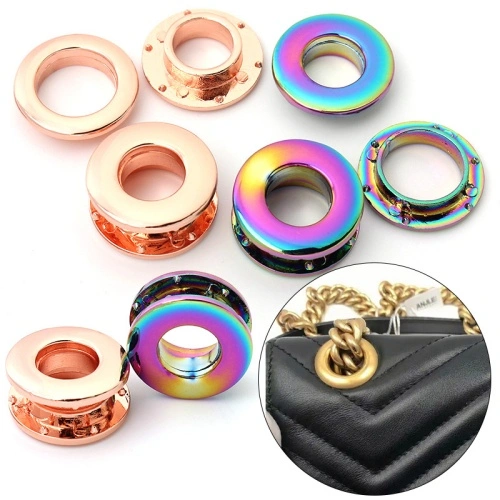
Essential Components and Material Varieties
Different types of materials are used in modern eyelet making to meet different performance needs. For outdoor uses, stainless steel is better at resisting rust, while brass is better at conducting electricity and looking nice for decoration. Aluminum is strong and light, making it perfect for movable items. Zinc alloy, on the other hand, is long-lasting and cheap, making it perfect for large production runs.
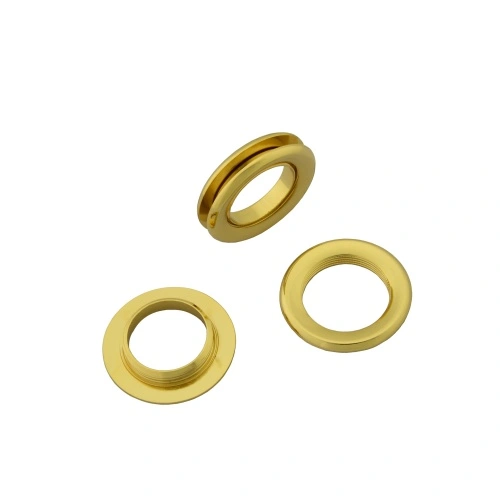
The zinc alloy eyelet with an outer diameter of 35 mm and an inner diameter of 21 mm is a great example of modern design. This standard gives strong reinforcement while keeping the material's integrity. This is especially helpful for leather crafts, clothes, and bags where both function and look are important.
Key Size Parameters and Measurement Standards
To be a professional buyer, you need to have a good idea of measurement requirements. The inner diameter controls the functional opening size, while the outer diameter controls the total room needed and the obvious aesthetic effect. The width of the flange affects the depth of the fitting and its mechanical strength when it is loaded.
Most industry guidelines list measures in both metric (mm) and imperial (inches) units. A 21mm inner diameter is equal to about 0.83 inches, which makes it possible for specifications to be used without any problems in foreign supply lines. Weight is another factor that affects choice. The featured 17.7-gram eyelet provides strong support without adding too much material load.
Accurate Measurement Techniques
Correctly measuring eyelets stops pricey design mistakes and guarantees the best fit. For measuring the inner diameter, use precise calipers and get numbers from several places to make sure the circle is round. When measuring the outer width, you should include the whole circle of the flange. To measure the thickness, you need to place the calipers so that they are perpendicular to the eyelet surface.
Comprehensive Metal Round Eyelets Sizes Guide for Different Uses
Application-specific size makes sure that the product works well and lasts a long time in a wide range of situations. Smart choice-making is based on knowing the fabric's weight, its stress patterns, and your artistic needs.
Apparel and Fashion Applications
Smaller eyelets with an outer width of 8 mm to 15 mm are better for lightweight fabrics because they keep the fabric's structure while providing enough support. Medium-weight fabrics can handle sizes from 15 mm to 25 mm, mixing power with a good look. Larger specs, usually 25mm to 40mm, are needed for heavy fabrics and leather goods to make sure they will last under a lot of stress.
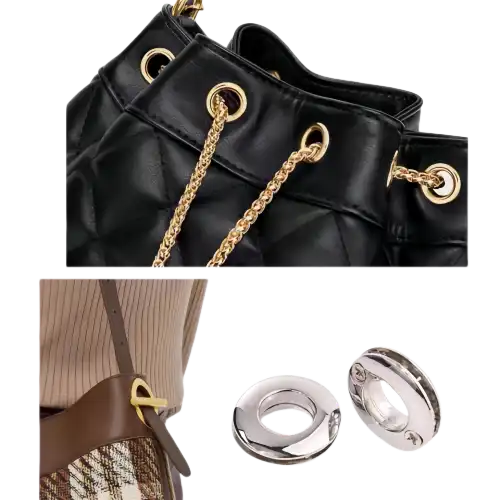
The light gold finish on zinc alloy eyelets makes luxury brands look better and goes well with high-end materials while still being resistant to rust. When metal round eyelets are used for both function and style in high-end fashion, this stylistic factor becomes very important.
Industrial and Heavy-Duty Requirements
For industrial uses, specifications need to be strong enough to resist harsh circumstances. Banners and tarps usually need outer widths between 30 mm and 50 mm, which spreads the load evenly across strengthened areas. These bigger sizes can handle thicker materials and will stay reliable over time even when they are exposed to weather and mechanical stress.
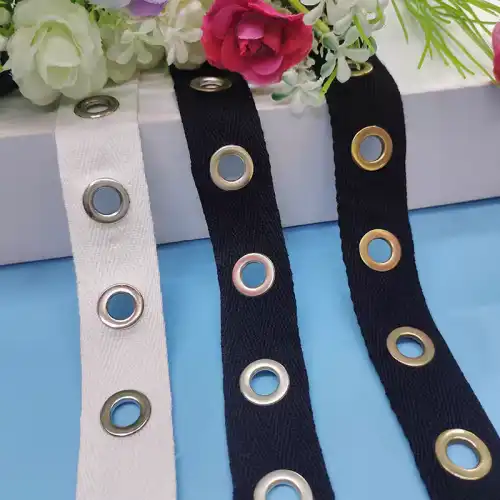
For specific uses, the ability to customize becomes a must. Manufacturers that offer different sizes, finishes, and material changes give sourcing workers who manage a wide range of Products and unique performance needs a competitive edge.
MOQ Considerations and Bulk Ordering
The minimum order amounts are very different depending on the size needs and the level of customization needed. Standard sizes often have smaller MOQs, which makes practice runs and small-batch production more cost-effective. Custom specs usually require bigger promises in terms of volume, but they offer better differentiation and more accurate application matching.
Metal Round Eyelets vs Alternative Eyelets: Size and Material Considerations
When procurement workers compare eyelet choices, it helps them choose the best product based on performance needs and budget limits. Size availability and fitness for use are directly affected by the qualities of the material.
Durability and Size Limitations
When it comes to temperature resistance and load-bearing ability, metal round eyelets are much better than plastic ones. Plastic eyelets may be cheaper in some situations, but they can't be used in harsh settings because they aren't very durable and come in small sizes. Metal design lets diameters get bigger without weakening the structure.
Zinc alloy is very strong for its weight, so it can be used in medium- to heavy-duty situations without breaking. The 35mm outer circle requirement can be met with this material choice, which also has an acceptable weight for portable uses.
Metal Type Comparisons
Stainless steel is the most resistant to rust, but it may be more expensive and have fewer finishing choices. Brass is more attractive and easier to work with than other metals, but its weight may limit its use in some situations. Aluminum is the best material for weight, but it needs to be carefully finished for uses that are important for how it looks.
Zinc alloy addresses these issues by providing solid performance in a wide range of settings and allowing for a number of finishing choices. The light gold finish shows how versatile it is, giving it a high-end look without the high cost of expensive metal.
Sustainability and Eco-Friendly Options
Environmental awareness is becoming more and more important in purchasing choices, which is driving the need for long-lasting eyelet options. Recycled metal content, eco-friendly finishing methods, and the ability to be recycled at the end of their useful life are all important requirements for makers who care about the environment.
Often, salvaged materials are used in modern zinc alloy formulas without affecting their performance. This method helps with sustainability goals while keeping costs low and quality standards high, which are important for making a lot of things.
How to Choose the Right Metal Round Eyelet Size: A Buyer's Guide
To choose the right eyelets, you need to carefully think about your technical needs, the supplier's skills, and the total cost. With this all-around method, risks are kept to a minimum while performance results are improved.
Technical Requirements Assessment
The weight and width of the fabric have a direct effect on the size that is needed. To make sure the material is installed correctly and the load is spread out evenly, carefully measure the thickness of the material and choose holes with the right flange depth. When setting the size limits, think about the expected stress patterns, such as the direction and frequency of the strain.
Size choice is greatly affected by how well the chosen size works with the installation tools. Check that the chosen specs match the capabilities of the available tools, especially when it comes to the highest diameter and force needs. The 21mm inner diameter specification allows normal fitting tools to fit while still offering a large useful opening.
Supplier Evaluation Criteria
Quality standards show that a company can make things consistently and well. Look for licenses from ISO9001, SGS, and other organizations that show they are committed to quality standards. When a lot of items are needed, production capacity is very important. An annual capacity of 30 million pieces lets buyers feel safe about making big purchases.
Metal round eyelets providers who give full services like design advice, sampling, and quality testing add value above and beyond basic production. These features help improve specifications and lower the risk of buying something by ensuring thorough testing before production.
Pricing and Volume Strategies
When setting prices based on size, standard specs are often given more weight than unique requirements. To find the best order number, you should look at the total cost, which includes tooling, setup fees, and transportation. To find volume break points and ways to save money, you should ask for detailed quotes that cover a range of number levels.
Sample availability enables specification validation before committing to large orders. Quality sellers give representative samples that show the real output quality and accuracy of the dimensions, which helps buyers feel confidence in their choices.
Installation and Removal Tips Related to Eyelet Size
The best function and longer life of a product depend on the right fitting methods. Size-specific methods keep installation damage to a minimum and mechanical soundness to a maximum.
Size-Specific Installation Requirements
Because the holes are bigger, they need more force and special tools to install. For the 35mm outer circle standard, you need industrial-grade installation tools that can make enough pressure for the flange to form properly. Before choosing large-diameter choices, make sure the tools can handle them.
When the size gets bigger, installation space issues become very important. Enough material gaps keep things from tearing during installation and make sure they last for a long time even when they are under a lot of stress. Figure out how much space is needed based on the features of the material and how it is expected to be loaded.
Removal and Replacement Procedures
Careful removal keeps the structure of the material so that it can be fixed or used again. Size-appropriate removal tools keep the cloth from getting damaged while neatly taking out failed eyelets. Because the flanges connect more deeply with larger metal round eyelets, you may need special extraction tools.
Document how to remove things for repair teams, especially when it comes to safety and what tools they need. Proper training cuts down on wasted materials and makes repair work go more smoothly in a wide range of eyelet situations.
Sustainability and Recycling Considerations
Recycling metal eyelets is good for the environment and might help get material value back. The composition of zinc alloys makes recycling easy through well-known metal recovery methods, which supports the circular economy in production.
Conclusion
The sizes of metal round eyelets cover a wide range of needs, from delicate 8mm fashion uses to tough 50mm commercial needs. Knowing how dimensions relate to each other, the qualities of materials, and the needs of a specific application help you make the best selection decisions that meet both performance and cost goals. The 35 mm outer diameter and 21 mm inner diameter zinc alloy eyelet shown here is a current example of how to balance strength, weight, and good looks in bag, clothes, and leather craft projects. To do a good job of procurement, you need to carefully look at technical standards, supplier skills, and total cost to make sure you get the best results for your application.
Partner with Carol for Premium Metal Round Eyelets Solutions
Carol Hardware delivers exceptional metal round eyelets manufacturing expertise through our 4,500㎡ facility equipped with advanced die-casting and precision testing equipment. Our annual 30 million piece production capacity supports both small-batch customization and large-volume requirements across luxury fashion, leather goods, and industrial applications. With comprehensive certifications including ISO9001 and SGS, plus proven experience serving global luxury brands, we ensure consistent quality and reliable delivery performance. Contact tony@carolxiao.com to discuss your specific eyelet requirements and discover how our end-to-end manufacturing capabilities can optimize your supply chain efficiency. Visit carolhardware.com to explore our complete range of customizable metal round eyelets supplier solutions.
FAQ
What are the most common eyelet sizes for fashion applications?
Fashion applications typically utilize 8mm to 25mm outer diameter eyelets depending on fabric weight and design requirements. Lightweight garments often feature 8-12mm specifications, while heavier materials like denim accommodate 15-25mm sizes for optimal reinforcement.
How do I determine the correct inner diameter for my application?
Inner diameter selection depends on functional requirements such as cord thickness, strap width, or decorative element size. Measure the largest component passing through the eyelet and add 2-3mm clearance for easy insertion and operational flexibility.
Can eyelet sizes be customized for specific projects?
Yes, reputable manufacturers offer extensive customization including non-standard sizes, alternative materials, and specialized finishes. Custom specifications typically require higher minimum order quantities but enable precise application matching and product differentiation.
What size range is available in zinc alloy construction?
Zinc alloy eyelets are available from approximately 8mm to 50mm outer diameter, with proportional inner diameter specifications. This material choice provides excellent strength characteristics across the complete size range while supporting diverse finishing options.
References
1. International Standards Organization. "Metal Fasteners and Hardware Specifications for Textile Applications." Quality Standards Manual, 2023.
2. American Society for Testing and Materials. "Standard Test Methods for Mechanical Fasteners in Fabric Applications." ASTM Technical Publication, 2022.
3. Fashion Industry Association. "Hardware Selection Guidelines for Luxury Leather Goods Manufacturing." Industry Best Practices Report, 2023.
4. Industrial Fabric Association International. "Eyelet Performance Standards for Heavy-Duty Applications." Technical Specification Guide, 2022.
5. Sustainable Manufacturing Council. "Environmental Considerations in Metal Hardware Production." Sustainability Report, 2023.
6. Global Procurement Institute. "Supply Chain Management for Fashion Hardware Components." Professional Development Manual, 2022.