_1753256285958.png)

_1754990596544.webp)
 2025-12-16 14:53:54
Reference Industry Load Standards
The first step in determining the appropriate load ratings for heavy-duty accessory hook buckles is to consult industry-specific load standards. These guidelines, which offer details on the proper load capacities for different configurations and applications, are really helpful suggestions.
The American National Standards Institute (ANSI), for example, has thorough specifications for a range of hardware, including hook buckles. ANSI/ASME B30.10 specifically addresses hooks used in lifting applications, outlining requirements for design, construction, and testing. Similarly, the European Standard EN 362 covers connectors used in personal fall protection systems, which can be relevant for certain types of heavy-duty hook buckles.
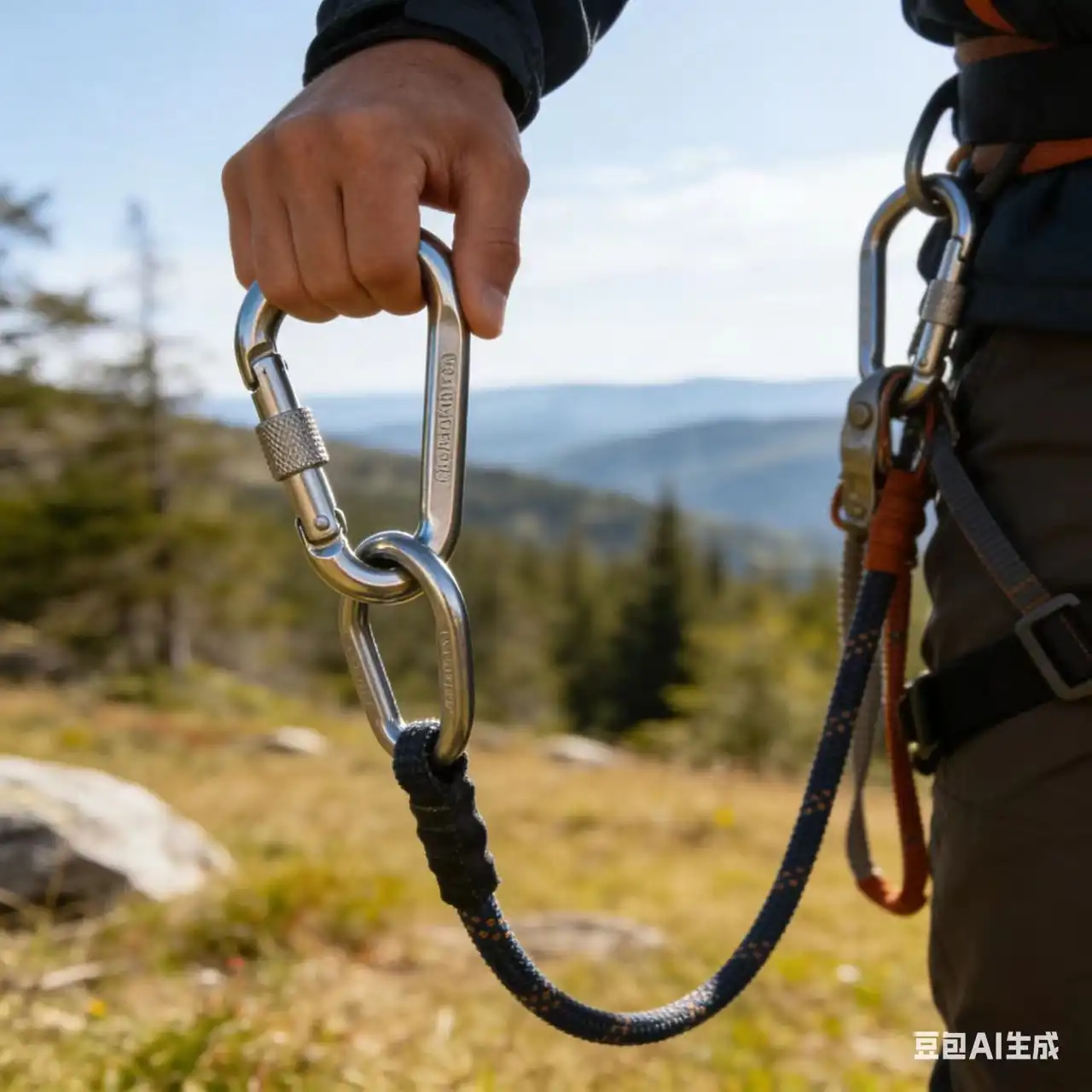
Because of this, hook buckles are frequently categorized by these criteria according to their intended usage. For example, hooks designed for industrial lifting may have different load rating requirements compared to those used in recreational activities like rock climbing or sailing. Manufacturers and consumers may make sure that their heavy-duty accessory hook buckles satisfy the required safety and performance requirements by consulting these industry-specific standards.
Moreover, some industries have developed their own specialized standards. In the marine sector, for instance, the American Boat and Yacht Council (ABYC) provides guidelines for hardware, including heavy-duty accessories hook buckles, used in boat construction and rigging. The particular difficulties presented by maritime environments—such as resistance to corrosion and UV exposure—are taken into consideration by these standards.
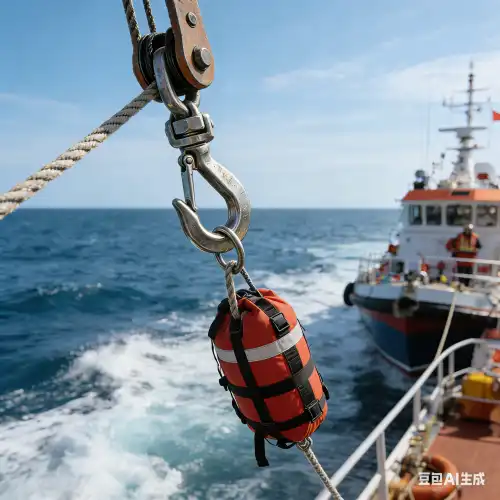
Reserve Safety Factors
Although industry standards offer a strong basis for choosing load ratings, it is essential to include reserve safety concerns in the process. A safety factor is essentially a buffer that accounts for unforeseen circumstances, material variations, and the potential for misuse or overloading.
When it comes to heavy-duty accessory hook buckles, the idea of safety factors—which has its roots in engineering principles—is especially crucial. In load-bearing systems, these components are usually essential linkages, and their failure might have catastrophic consequences. As such, it's common practice to choose a load rating that significantly exceeds the anticipated maximum load.
For example, if a heavy-duty accessories hook buckle is expected to handle a maximum load of 1000 pounds in normal operation, a safety factor of 5:1 would suggest selecting a buckle with a load rating of at least 5000 pounds. This approach provides a considerable margin of safety, accounting for factors such as:
- Dynamic loading: Sudden jerks or impacts that can momentarily increase the applied force
- Environmental factors: Temperature fluctuations, humidity, or exposure to chemicals that may affect material properties
- Wear and tear: Gradual degradation of the buckle's strength over time
- Human error: Potential misuse or overloading by operators
It's worth noting that the appropriate safety factor can vary depending on the application and industry. In some high-risk scenarios, such as personal fall protection equipment, safety factors as high as 10:1 or even 15:1 may be mandated. Conversely, in applications where weight is a critical consideration, such as aerospace engineering, lower safety factors might be employed, but only after extensive testing and analysis, especially when considering components like heavy-duty accessories hook buckles.
Match Materials With the Operating Environment
The third critical aspect of choosing load ratings for heavy-duty accessory hook buckles is ensuring that the materials used are compatible with the operating environment. The effective load rating of the buckle can be greatly impacted by the strengths, durability, and resistance to environmental variables of various materials.
For instance, stainless steel is widely utilized because of its excellent strength-to-weight ratio and corrosion resistance. For high humidity conditions or maritime applications, it is therefore a great option. However, not all stainless steels are created equal—grade 316 stainless steel offers superior corrosion resistance compared to the more common grade 304, making it better suited for harsh marine environments.
Alternatively, zinc alloys, such as those used in Carol's Customizable Heavy-Duty Accessories Hook Buckle, offer a balance of strength, durability, and affordability. To increase these metals' resistance to corrosion and aesthetic appeal, a range of coatings can be added. In addition to being aesthetically pleasing, Carol's matte gunmetal and antique silver finishes help the buckle last in a variety of settings.
When selecting materials, it's crucial to consider factors such as
-
Chemical exposure: Will the buckle be exposed to corrosive substances or harsh cleaning agents?
-
Temperature range: What are the maximum and minimum temperatures the buckle will experience?
-
UV exposure: For outdoor applications, how will prolonged sunlight affect the material?
-
Abrasion resistance: In high-wear applications, how well will the material withstand constant friction?
By carefully matching the material to the operating environment, you can ensure that the chosen load rating remains valid throughout the heavy-duty accessories hook buckle's intended lifespan. Applications where the buckle may be subjected to harsh environments or where routine maintenance and replacement may be difficult call for special attention.
Heavy-Duty Accessories Hook Buckle Supplier: Carol
Carol is a dependable and creative source when it comes to finding premium heavy-duty accessory hook buckles. Having manufactured leather goods, purses, and hardware accessories for luggage, Carol has long held a dominant position in the industry. Their customizable heavy-duty accessory hook buckle, made from zinc alloy and available in antique silver and matte gunmetal finishes, exemplifies their commitment to quality and versatility.
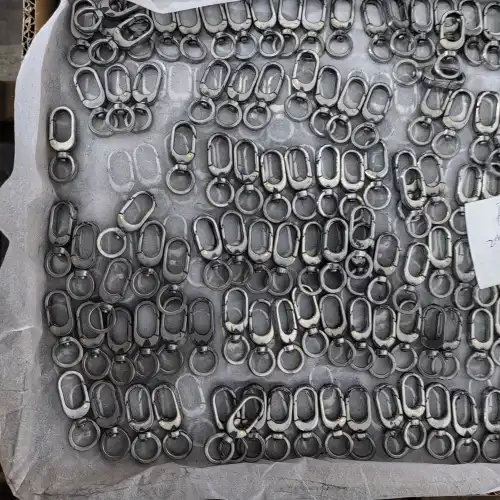
This specific hook buckle, which weighs 36.3 grams and is 83 x 15 mm, is made to be used in a variety of ways. Because of its strong structure and many uses, it is the best choice for manufacturers looking for durable, heavy-duty hardware for anything from straps and bags to leathercraft and pet accessories. Because of Carol's electroplating expertise and their ability to offer customizable sizes, colors, and materials, customers may choose the perfect hook buckle to meet their specific load rating and environmental requirements.
For those interested in exploring Carol's range of heavy-duty accessories hook buckles or discussing custom requirements, reaching out to their team is simple. If you work in the handbag, evening bag, or general bag production sector, you may email Tony at tony@carolxiao.com to find out more about how Carol's goods can fit your demands. Carol is ready to meet all of your heavy-duty hardware needs since they care about how things look, use eco-friendly materials, and last a long time.