_1753256285958.png)

_1754990596544.webp)
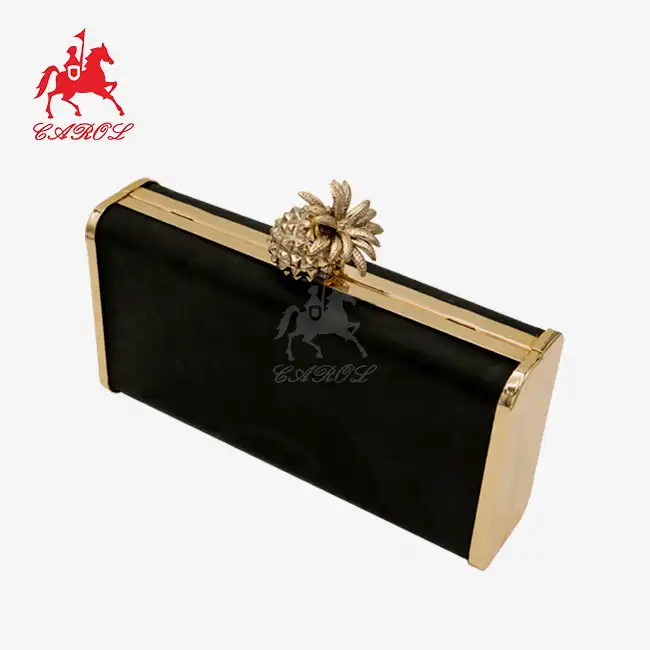
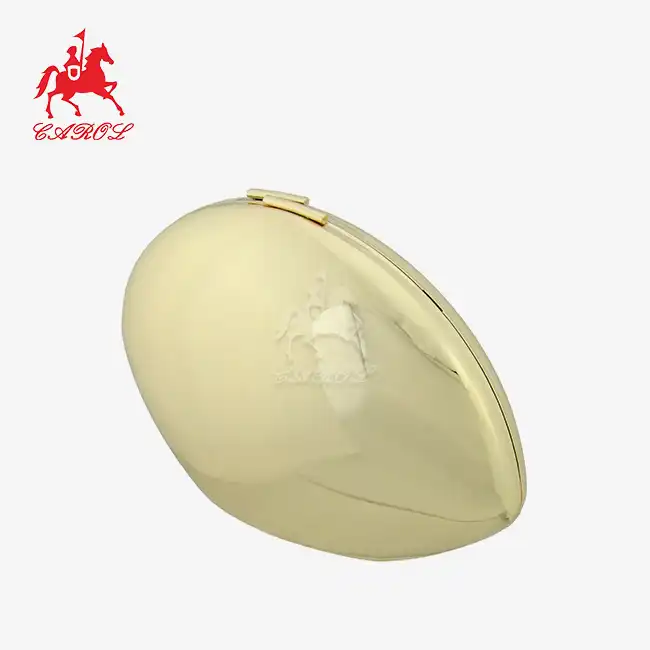
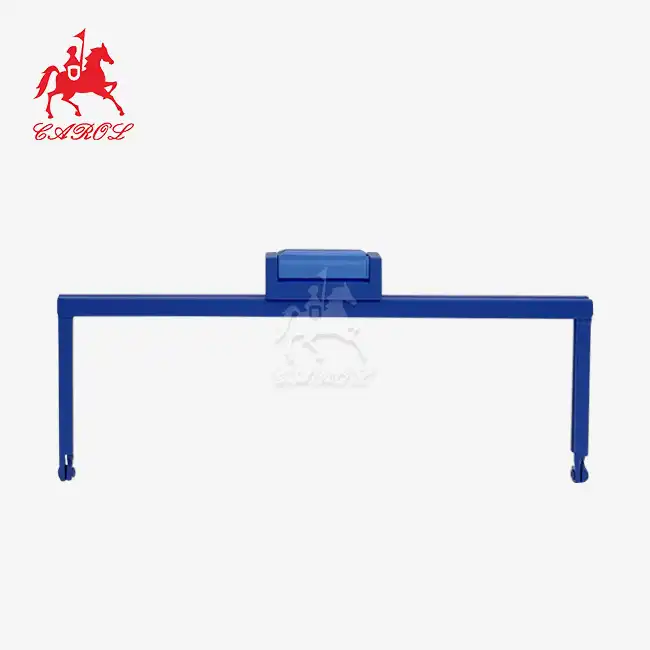
What size metal clasp frame do I need for my bag?
 2025-12-19 21:45:17
As the core supporting element of the bag structure, the size selection of the metal clasp frame directly affects the functionality, aesthetics and market competitiveness of the product.
Core Elements of Metal Frame Sizing Decisions
Bag Types and Functional Positioning
There are essential differences in the demand for metal frames for different types of bags. handbags, shoulder bags, backpacks, briefcases and other categories, due to different usage scenarios and load-bearing requirements, the metal clasp frame size needs to be designed in a targeted manner.
Key classification criteria:
①Frame Purse: The metal clasp frame size is usually 8-20cm wide, which directly determines the opening size and visual characteristics
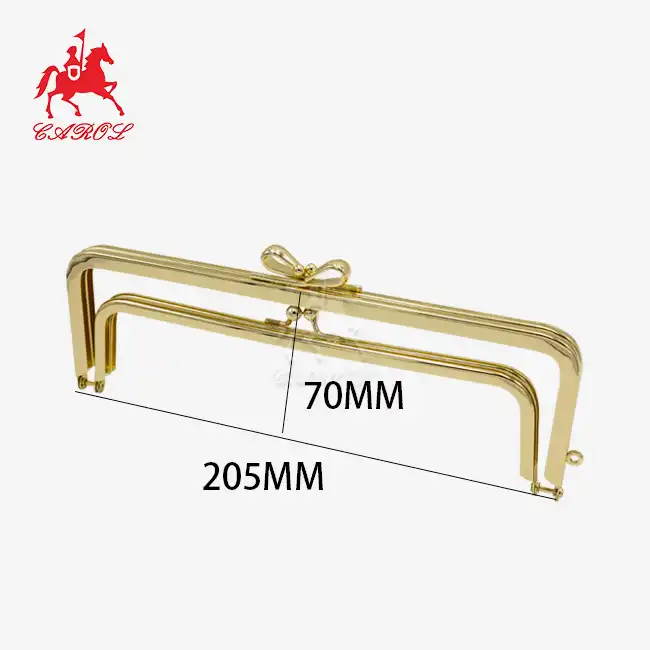
②Structured Handbag: The width of the bottom or side frame needs to match the size of the bag, the typical ratio is 80-95% of the bag width

③Vintage messenger bag: the width of the metal lock frame is 3-8cm, mainly responsible for decoration and fixing functions
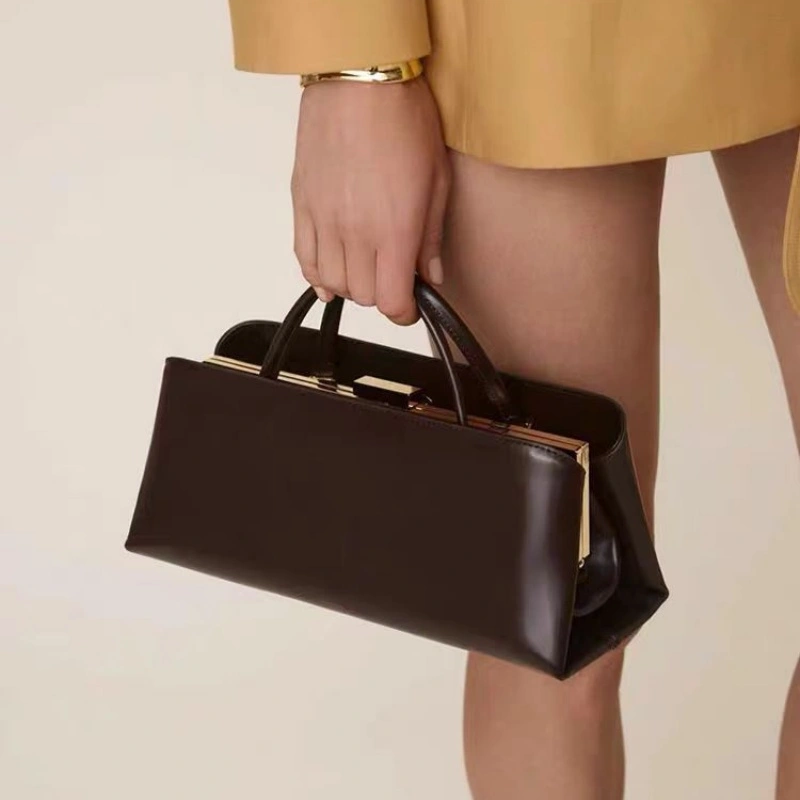
④Professional tool bag: the frame needs to carry 5-15kg weight, The size needs to be reinforced with the design
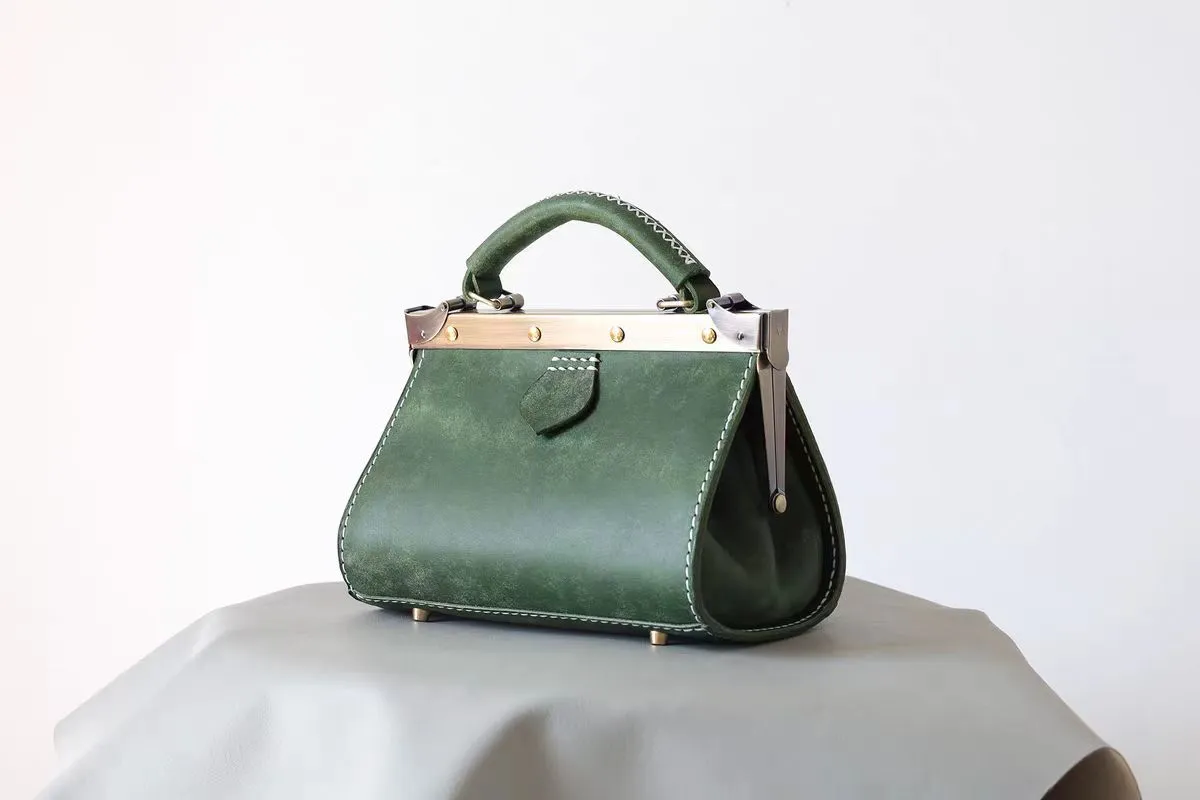
Material Mechanics and Load-Bearing Analysis
Metal clasp frame dimensions must meet mechanical safety factors. Depending on the tensile strength and yield point of the material type (brass, stainless steel, aluminum alloy, zinc alloy), frame cross-sectional dimensions can vary by 30-50% for the same load-bearing requirements.
Calculation formula:
Minimum frame width W = (load weight × safety factor) / (material bending strength × cross-sectional height)
In practical applications, manufacturers need to consider:
- Daily load range (typically 2-8 kg)
- Ultimate load-bearing test standard (usually 3-5 times the daily load)
- Fatigue strength degradation (material performance degrades by 15-25% after long-term use)
Systematic Sizing Method
Proportional Design Method Based on Bag Body Dimensions
This is the most commonly used industry standard method, determining dimensions by establishing the geometric relationship between the metal clasp frame and the bag body.
Note that the frame should not be exactly the same size as the bag body. Allow 2-5mm of fabric seam space and 3-8mm of visual margin to avoid a "frame overflow" that creates a low-end look.
Ergonomic Fit Assessment
The metal clasp frame dimensions must conform to the target user's body measurements and usage habits. Key Ergonomic Parameters:
- Handgrip Comfort: The handle diameter of the handbag frame should be 25-35mm, corresponding to the most comfortable grip for an adult hand.
- Shoulder Contact: The width of the upper frame of a shoulder bag should not exceed 8cm to avoid shoulder pressure (especially for female users).
- Opening Angle: The hinge design of the metal clasp frame should ensure an opening angle of 120-150°, corresponding to the natural range of hand movement.
Specific testing methods include:
- Using 5th-95th percentile human body size data for virtual simulation
- Production of 3-5 prototype sizes for blind user testing
- Collecting operating force and comfort ratings from at least 30 target users
Process Feasibility and Cost Control
The size of the metal clasp frame directly affects production efficiency and material costs. Factors manufacturers need to balance:
- Mold investment: Custom molds cost ¥5,000-50,000 per set, while standard sizes can reduce costs by 70%.
- Scrap rate: Scrap rates for cutting custom-shaped frames can reach 15-30%, while for standard rectangular frames, it's only 5-10%.
- Assembly accuracy: As the size increases, assembly errors accumulate, increasing the cost of positioning tooling.
A modular design strategy is recommended: break the frame down into standard sections (e.g., 10cm, 15cm, and 20cm standard widths) and connectors. These can be combined to meet customized needs, reducing development costs by 40-60%.
Size Specifications Of Different Types of Bags
Bag Frame Size Standard
The bag is the most typical category of metal clasp frame applications, and the frame is the functional core and design language.
Size grading system:
- Coin Purse: 6-10cm wide, suitable for small items such as change and jewelry
-

- Classic Frame: 12-18cm wide, mainstream women's handbag size
-

- Oversized Frame: 20-30cm wide, suitable for official documents or shopping
-
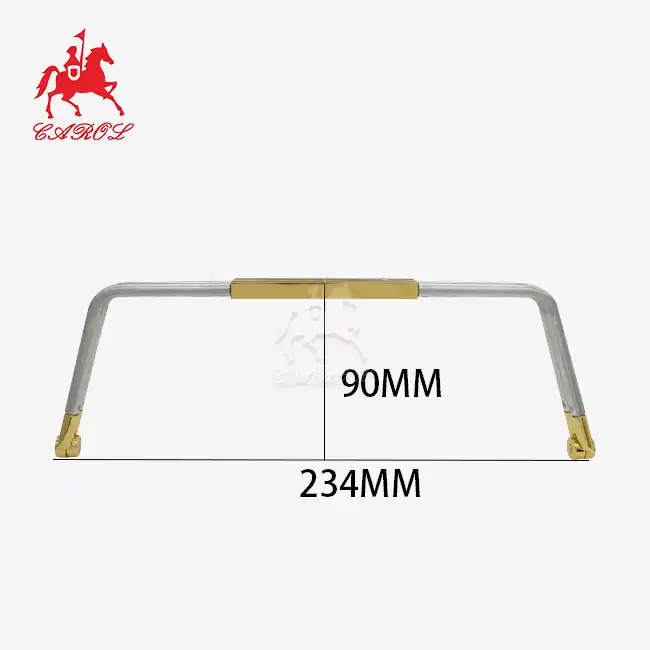
Use Design details:
- The thickness of the frame opening should be 60-80% of the main body of the frame, forming a natural transition
- The hinge position should be 15-25mm away from the edge of the frame to ensure smooth opening and closing and not easy to damage the fabric
- The height of the lock buckle bulge should not exceed 8mm to avoid scratching clothing or other items
Frame Configuration for Structured Handbags
Structural handbags typically feature a metal clasp frame at the bottom, side, or top to maintain the bag's shape and enhance durability.
Bottom Frame Design:
- The width should be 85-92% of the bag's base to ensure stability while minimizing exposure.
- Thickness: 3-5mm for light-load bags (<3kg), 6-10mm for heavy-load bags (>5kg).
- Shape Adaptability: A rectangular frame with rounded corners reduces stress concentration by 30% compared to a right-angle design.
Side Reinforcement Frame:
- The height is typically 40-60% of the bag's height. Too high will increase weight, while too low will provide insufficient support.
- Using a U-shaped or L-shaped cross-section improves bending resistance by over 50%.
- The distance between the anchor point and the bag's body should be ≤8cm to avoid localized deformation.
Metal Clasp Frame Requirements For Special Function Packages
Doctor's Bag: The width of the metal clasp frame with a large opening at the top should reach 25-35cm and the height should be 15-20cm to ensure quick access with one hand. The frame material is preferably brass or stainless steel to avoid rust contaminating medical items.
Camera bag/tool kit: Requires multiple layers of partitions to support the frame, with a single frame small in size (10-15cm) but a large number (4-8) to form a grid structure. The frame spacing should match the standard equipment size (e.g., camera lens diameter 7-12cm).
Clutch with Frame: The metal clasp frame size is extreme, with a width of 15-25cm, but a thickness of only 2-4mm, pursuing thinness and lightness. Most of them use aluminum-magnesium alloy or titanium alloy materials to achieve a balance between strength and weight.
Three-Level Testing System
Level 1: Static Load Test
- Fix the metal clasp frame and apply 200% of the designed load at the center point.
- Duration: 72 hours.
- Qualification Criteria: Permanent deformation <0.5mm, no cracks or breaks.
Level 2: Dynamic Fatigue Test
- Simulated opening and closing motion: 10,000-50,000 cycles.
- Loading Conditions: No load, half load, and full load.
- Qualification Criteria: Complete functionality, wear <10%.
Level 3: Actual Use Test
- Recruit 20-50 target users for 30-90 days of daily use.
- Data Collection: Comfort rating, failure rate, and sizing feedback.
- Qualification Criteria: Satisfaction ≥80%, zero functional failures.
Bring refined craftsmanship and durability to your handmade creations with Carol Metal's square metal clasp purse frame. Crafted from premium iron and zinc alloy with a stunning rose gold finish, it's the perfect touch of sophistication for any purse design. Available in multiple sizes, colors, and materials, every frame can be tailored to your specific needs. Elevate your next project. Contact tony@carolxiao.com today to place your custom order directly from Carol Metal.
References
Smith, J. & Anderson, K. (2023). Structural Design Principles for Leather Goods. Fashion Engineering Press.
International Handbag Manufacturers Association. (2024). Metal Frame Standards and Testing Protocols. Industry Technical Report No. 2024-07.
Chen, L. et al. (2023). "Ergonomic Analysis of Handbag Carrying Mechanisms." Journal of Fashion Technology & Textile Engineering, 11(3), 145-162.
European Committee for Standardization. (2022). EN 16115:2022 - Leather and imitation leather goods - Requirements for metal hardware. CEN Standards.
Tanaka, H. (2024). "Material Selection and Sizing Optimization for Bag Frames Using Finite Element Analysis." International Journal of Industrial Design, 18(2), 78-95.