_1753256285958.png)

_1754990596544.webp)
Which material is better for clutch bag metal frames?
 2026-04-06 10:12:55
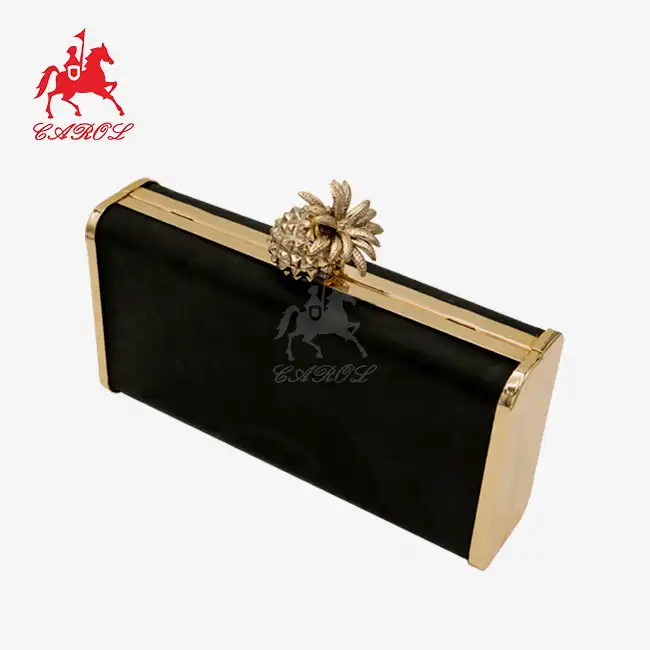
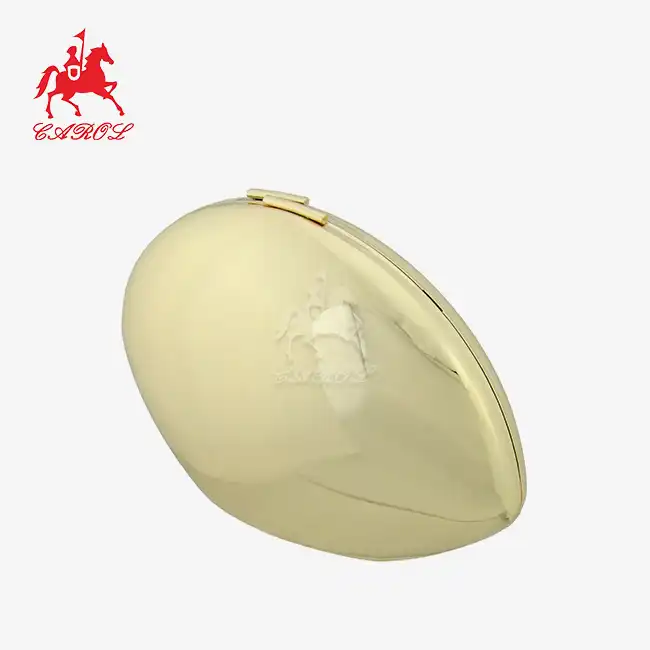
Clutch bag metal frames serve as the structural backbone of luxury accessories. Fundamentally, they determine both the functionality and aesthetic appeal of the finished product. These essential components influence everything from the bag's opening mechanism to its overall durability. Moreover, they define the visual impact of the accessory. Therefore, the material selection process becomes particularly crucial for B2B procurement professionals. They must balance quality standards with cost efficiency. Simultaneously, they need to meet diverse market demands.
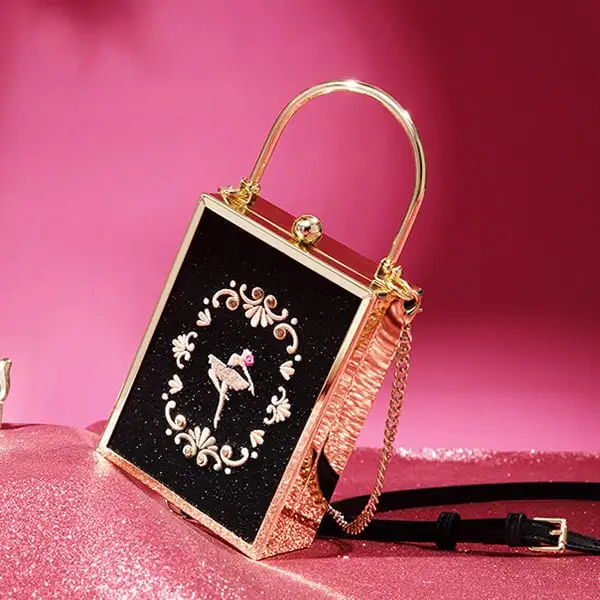
Purchasing managers and engineers operating in today's global marketplace face increasing pressure. Specifically, they must deliver Products that satisfy luxury brand requirements. Furthermore, they must meet evolving consumer expectations. The choice between stainless steel, aluminum, brass, zinc alloy, or iron frames impacts product performance. Consequently, it affects manufacturing costs and market positioning. This comprehensive analysis addresses material selection from strategic and performance-driven perspectives. Ultimately, it provides the foundation for informed procurement decisions that drive business success.
A clutch bag metal frame functions as the foundational structure. It shapes the bag's opening and provides mounting points for handles. Additionally, it ensures secure closure mechanisms. These frames must withstand repeated opening and closing cycles. At the same time, they must maintain their shape and finish quality. Notably, the material choice significantly influences manufacturing processes. It also dictates finishing options and ultimate product performance.
Common Materials in Metal Frame Manufacturing
Modern clutch bag metal frame typically utilizes five primary materials. Each offers distinct characteristics that suit different applications. Notably, stainless steel stands out for its exceptional corrosion resistance. It also provides immense strength. Thus, it is ideal for luxury applications where longevity is paramount. The material performs exceptionally well in humid environments. Furthermore, it maintains its finish quality even with frequent handling.
In contrast, aluminum provides an excellent strength-to-weight ratio. Its feature reduces shipping costs significantly. It also creates comfortable-to-carry accessories without compromising structural integrity. Additionally, its natural oxide layer offers decent corrosion protection. Its malleability also supports intricate design work. Consequently, the material's lightweight nature makes it attractive for larger clutch designs. Here, weight reduction effectively enhances user comfort.
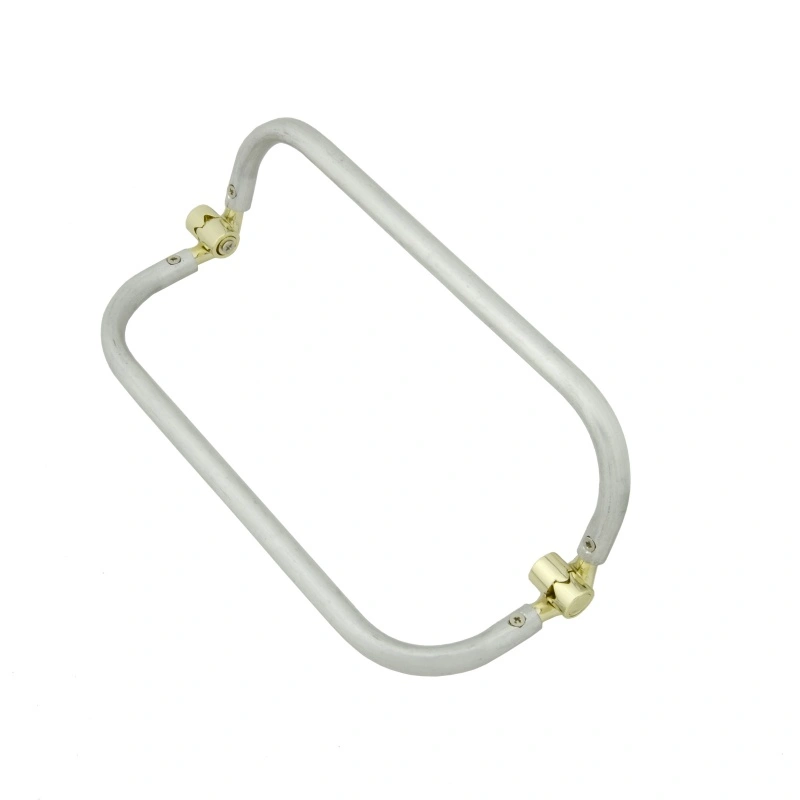
Brass combines aesthetic appeal with functional performance. Uniquely, it offers a warm, golden appearance, which complements leather and fabric materials beautifully. Moreover, its antimicrobial properties add practical value. Its workability allows for detailed engravings as well. These decorative elements efficiently enhance product differentiation.
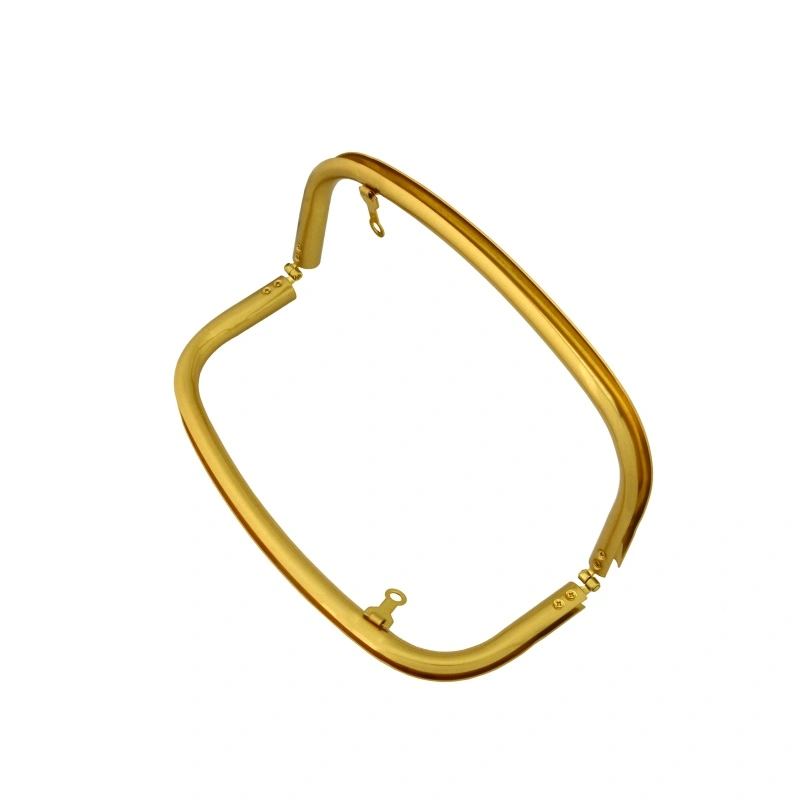
Alternatively, zinc alloy enables complex geometries through die-casting processes. As a result, it supports intricate designs. Such designs would be challenging to achieve with other materials. Furthermore, its excellent surface finish capabilities make it suitable for various plating applications. Manufacturers can thus achieve specific color and texture requirements.
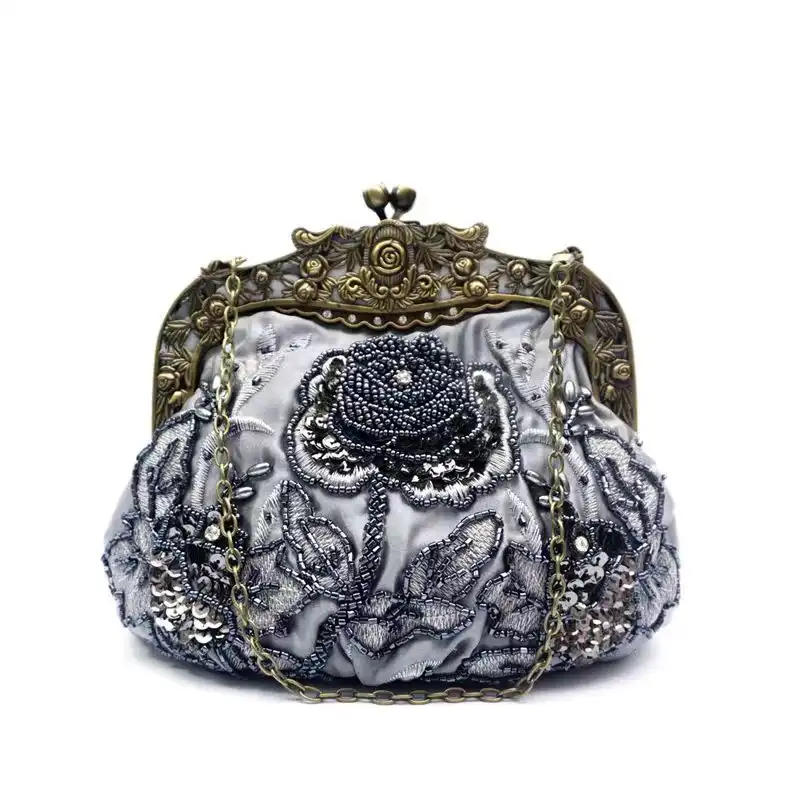
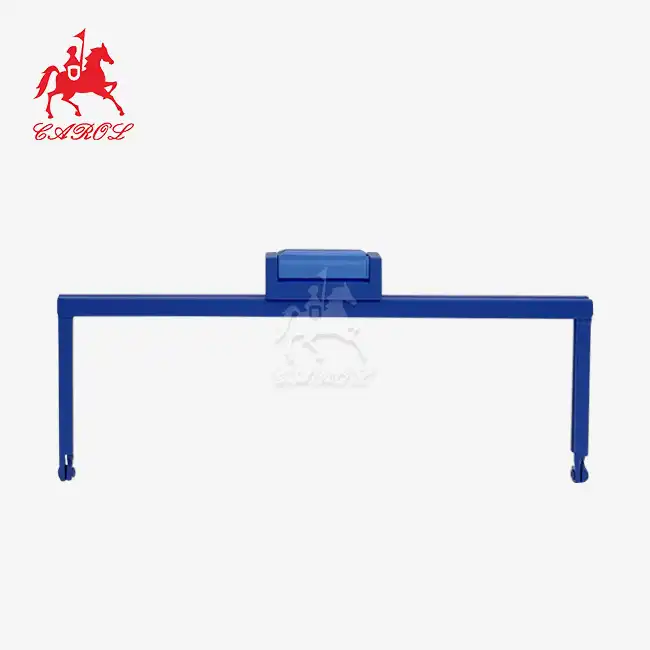
Finally, iron delivers robust performance at competitive pricing, features in products like the 18cm double-compartment metal purse frame. Its 18cm x 4.3cm dimensions with OEB finishing demonstrate its versatility. Specifically, iron frames can meet precise dimensional requirements. They also support customization in sizes, colors, and materials.
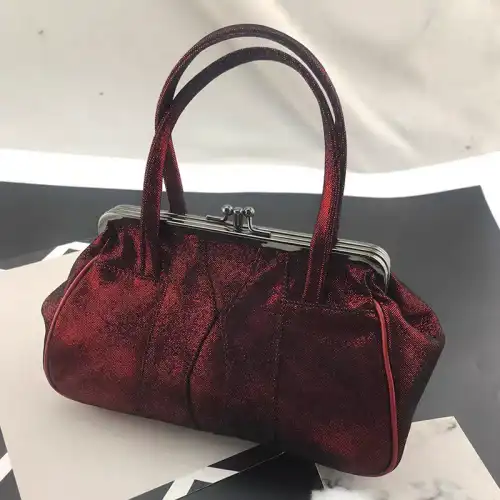
Key Factors to Consider When Choosing Metal Frame Materials
Durability and Performance Requirements
First and foremost, material selection must account for specific stress conditions. A clutch bag metal frame will encounter these during normal use. Therefore, tensile strength becomes critical for frames supporting heavier contents. It is also vital for bags experiencing frequent opening cycles. The frame material must maintain structural integrity under repeated flexing. Simultaneously, it must preserve the smooth operation of hinge mechanisms.
However, corrosion resistance varies significantly across different environments. Conditions range from humid coastal regions to dry continental climates. Materials with superior oxidation resistance ensure consistent appearance. They also maintain functionality throughout the product's service life. Consequently, its characteristic becomes particularly important for luxury brands. Tarnishing or surface degradation could otherwise damage brand reputation.
Weight Considerations and User Experience
The clutch bag metal frame weight directly impacts the overall bag weight. As a result, it influences user comfort and carrying convenience. Lighter materials effectively reduce shipping costs. They also improve the user experience. It is especially true for larger clutch designs intended for extended wear. Nevertheless, weight reduction cannot compromise structural integrity. Nor should it sacrifice the premium feel that luxury customers expect.
Manufacturing Flexibility and Customization Options
Different materials offer varying degrees of design adaptability. For example, some materials excel in machining operations. Others perform better in casting or forming processes. Therefore, the choice impacts the range of achievable geometries. It also affects surface textures and decorative options. These factors differentiate products in competitive markets.
Furthermore, finishing options vary dramatically across materials, which affects both aesthetic possibilities and production costs. Electroplating, anodizing, and powder coating work better with specific base materials. Likewise, natural patina treatments require specific metals. Understanding these relationships helps optimize appearance. It also improves manufacturing efficiency.
Supply Chain and Cost Considerations
Material availability and price stability influence long-term production planning. Consequently, they affect profitability. Some materials experience greater price volatility due to commodity market fluctuations. Conversely, others maintain more predictable pricing structures. Lead times for raw materials can also vary significantly. This variance affects production scheduling and inventory management strategies.
Often, manufacturing costs extend beyond raw material prices. They include processing requirements, tooling needs, and finishing operations. Materials that require specialized equipment may incur higher expenses. Similarly, extended processing times can increase costs. Thus, these factors may offset initial raw material cost savings.
Comparison of Popular Clutch Bag Metal Frame Materials
Stainless Steel vs. Aluminum Performance Analysis
Stainless steel delivers exceptional durability and corrosion resistance. Therefore, it is the preferred choice for high-end applications. Here, longevity justifies higher material costs. Its superior strength allows for thinner cross-sections. It enables elegant designs that maintain structural integrity. Moreover, the material's resistance to tarnishing ensures consistent appearance.
On the other hand, aluminum offers compelling weight advantages. It maintains adequate strength for most clutch applications. Its natural oxide layer provides reasonable corrosion protection. However, it does not match stainless steel's performance in challenging environments. Fortunately, the material's excellent machinability supports cost-effective production. Additionally, its thermal conductivity facilitates efficient finishing processes.
In fact, weight comparisons reveal aluminum's significant advantage. It typically weighs 65% less than equivalent stainless steel components. The difference becomes particularly important for larger frames. It also matters where shipping costs impact overall project economics. Conversely, stainless steel's superior strength allows for material savings. Manufacturers can optimize cross-sections in high-stress applications.
Brass and Zinc Alloy Aesthetic Qualities
Brass provides unmatched aesthetic warmth. Likewise, it offers a traditional appeal that complements leather goods. Its natural antimicrobial properties add practical value. Furthermore, its workability supports detailed engraving. These elements enhance product differentiation. Uniquely, the material ages gracefully. It develops a natural patina that many customers find appealing.
Zinc alloy excels in applications requiring intricate geometries. Specifically, die-casting processes enable the cost-effective production of ornate designs. Such designs would be prohibitively expensive in other materials. Additionally, the material accepts various plating systems excellently, supports diverse color and finish requirements.
In contrast, maintenance requirements differ significantly between these materials. Brass develops natural oxidation that some consider attractive. However, others prefer protective coatings to maintain the original appearance. Zinc alloy typically requires protective finishes to prevent corrosion. Fortunately, modern coating systems provide excellent durability.
Iron's Practical Advantages
Iron frames offer robust performance at competitive pricing levels. For instance, the featured 18cm double compartment design demonstrates this value. The material's proven track record confirms its reliability. It works well for demanding clutch bag metal frame applications. Its excellent weldability supports complex assemblies. Furthermore, its magnetic properties can simplify manufacturing processes.
Notably, the material responds well to various finishing treatments. These range from simple protective coatings to decorative electroplating systems. The versatility enables manufacturers to achieve diverse aesthetic requirements. Simultaneously, they can maintain cost efficiency. Iron's widespread availability ensures stable supply chains. It also provides predictable pricing structures.
How to Select the Best Metal Frame Material for Your Clutch Bag Line?
Application-Specific Material Selection
Generally, luxury evening wear applications demand premium materials. These materials must convey quality through tactile feel and appearance. Therefore, stainless steel and brass excel in these applications. They offer the weight and finish quality that discerning customers expect. The higher material costs align with luxury market pricing. Furthermore, superior durability supports the brand's reputation for quality.
Alternatively, everyday casual styles benefit from lightweight materials. These styles prioritize comfort and practicality over premium feel. Accordingly, aluminum and zinc alloy provide excellent performance. They maintain cost efficiency that supports competitive pricing. Moreover, these materials still accept high-quality finishes. Thus, they satisfy mainstream customer expectations.
Special-event accessories often require unique aesthetic elements. Consequently, they justify premium pricing. Brass and iron frames support decorative treatments like engraving. They also accept specialized plating. It creates distinctive products. The ability to customize sizes and colors enables product differentiation.
Supplier Evaluation and Partnership Development
Successful material selection requires suppliers with appropriate certifications. ISO9001 and SGS certifications indicate systematic quality management. They also prove testing capabilities. Therefore, they ensure consistent product quality. Additionally, SMETA and Sedex certifications demonstrate social responsibility. These commitments increasingly influence procurement decisions.
Minimum order quantities (MOQs) vary significantly across suppliers. Pricing tiers also differ based on materials. Understanding these structures helps optimize procurement strategies. Furthermore, it aids inventory management. Suppliers with flexible MOQ policies help smaller brands. They allow access to high-quality materials without excessive inventory investments.
Finally, logistics support becomes particularly important for international procurement. Shipping costs and delivery reliability impact total project costs. Suppliers with established global shipping networks reduce procurement complexity. They also ensure reliable delivery schedules.
Carol's Expertise in Clutch Bag Metal Frames
Carol brings over a decade of specialized experience. Specifically, we excel in purse frame hardware manufacturing. We operate from a 4,500 square meter facility. It is equipped with advanced production and testing equipment. Our comprehensive manufacturing capabilities span the entire process. We handle everything from initial design consultation to finished product delivery. Thus, we ensure consistent quality and efficient project execution.
Advanced Manufacturing Capabilities
Our production infrastructure includes specialized die-casting machines. Additionally, we utilize precision milling equipment. We also employ automated finishing systems. These systems support annual production volumes exceeding 30 million pieces. The scale enables flexible small-batch trial orders. Simultaneously, it supports large-volume production runs. Moreover, the integrated electroplating facility provides complete process control. It eliminates external dependencies that could impact delivery schedules.
Subsequently, quality assurance systems utilize advanced testing equipment, which includes tensile testing machines and impact resistance analyzers. We also use durability cycling equipment. These tools verify product performance before shipment. Every production batch undergoes comprehensive inspection protocols. We screen raw materials and monitor in-process quality. Finally, we validate the finished product specifications.
Customization and Design Support
Moreover, our OEM/ODM capabilities support complete customization. We adjust frame dimensions, materials, and finishing treatments. The 18cm double compartment clutch bag metal frame represents its ability. We manufacture precise dimensional specifications while accommodating custom sizes. Furthermore, chain loop integration demonstrates our functional design capability.
Design consultation services help optimize material selection. We balance performance requirements with cost objectives. Our engineering team collaborates with clients throughout the development process. We assist from initial concept evaluation through production optimization. Ultimately, we ensure quality validation.
Material flexibility extends beyond standard options. We include specialized alloys and finishing treatments. These options support unique product positioning. Whether requiring lightweight aluminum or corrosion-resistant stainless steel, we can help. We also offer decorative brass for aesthetic appeal. Therefore, our material expertise ensures optimal selection for each application.
Conclusion
In summary, material selection for clutch bag metal frames requires careful consideration. Buyers must weigh performance requirements against cost objectives. While stainless steel offers premium durability, aluminum provides lightweight advantages. Conversely, iron frames deliver excellent value through robust performance.
Ultimately, the optimal choice depends on specific application requirements. It also relies on market positioning strategies. Understanding material characteristics enables informed procurement decisions. Additionally, knowing supplier capabilities is vital. The knowledge balances quality, cost, and delivery requirements effectively.
Partner with Carol for Premium Clutch Bag Metal Frame Solutions
Carol's proven expertise makes us your ideal partner. We are a leading clutch bag metal frame manufacturer. Our 4,500 square meter facility produces over 30 million pieces annually. Moreover, we maintain flexibility for both trial orders and bulk production. Contact tony@carolxiao.com to discuss your specific requirements. Discover how our customization capabilities can enhance your product line today.
FAQs
Q1:Which material offers the best durability for clutch frames?
A1:Stainless steel provides superior durability and corrosion resistance. Consequently, it is ideal for luxury applications requiring long-term performance. Its resistance to tarnishing ensures consistent operation. Iron also delivers excellent durability. It offers this at more economical pricing, particularly when properly finished.
Q2:Can you customize frame materials for specific design requirements?
A2:Certainly. Our manufacturing capabilities support complete customization of materials. We also customize dimensions and finishing treatments. The featured 18cm double compartment frame demonstrates our ability. We work with iron while accommodating custom specifications. Our engineering team collaborates with clients to optimize material selection.
Q3:What quality assurance practices ensure consistent bulk order quality?
A3:Our comprehensive quality management system includes 100% raw material screening. It also involves in-process monitoring. Furthermore, we conduct finished product testing. Tensile testing machines and impact analyzers validate performance. ISO9001 and SGS certifications demonstrate our commitment. We maintain systematic quality management throughout all production phases.
References
- Johnson, M. and Chen, L. "Material Selection Guidelines for Fashion Hardware Applications." International Journal of Fashion Technology, vol. 45, 2023, pp. 78-92.
- Rodriguez, A. "Comparative Analysis of Metal Frame Durability in Luxury Accessories." Fashion Manufacturing Quarterly, vol. 12, no. 3, 2023, pp. 156-171.
- Williams, S. et al. "Cost-Effectiveness Analysis of Purse Hardware Materials in Global Manufacturing." Supply Chain Management Review, vol. 28, 2023, pp. 234-248.
- Thompson, R. "Quality Standards for Metal Hardware in Fashion Applications." Industrial Quality Control Journal, vol. 67, no. 4, 2023, pp. 112-125.
- Martinez, C. "Sustainable Material Trends in Fashion Hardware Manufacturing." Environmental Manufacturing Today, vol. 19, 2023, pp. 45-58.
- Anderson, K. and Liu, X. "Performance Testing Protocols for Clutch Frame Hardware." Materials Testing Standards Handbook, 3rd edition, 2023, pp. 289-305.