_1753256285958.png)

_1754990596544.webp)
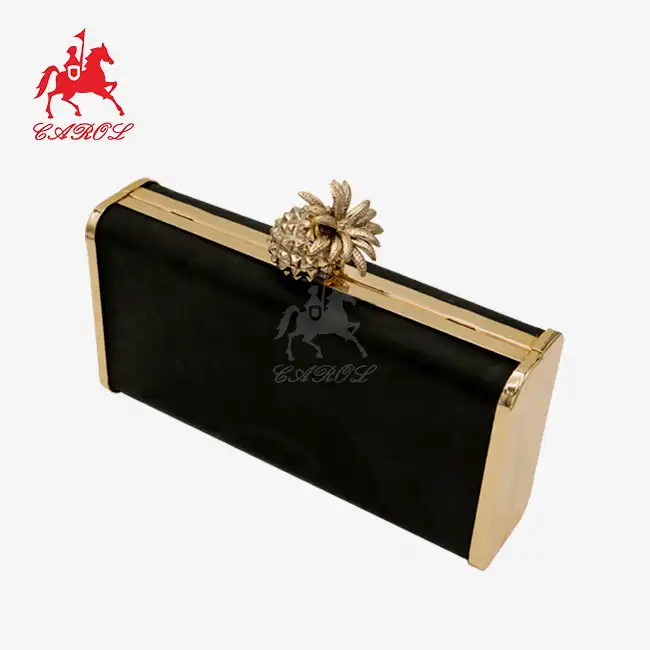
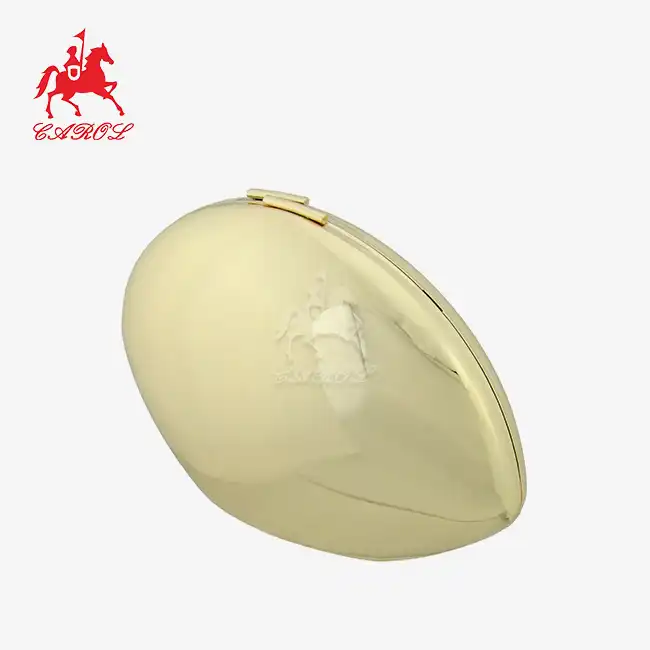
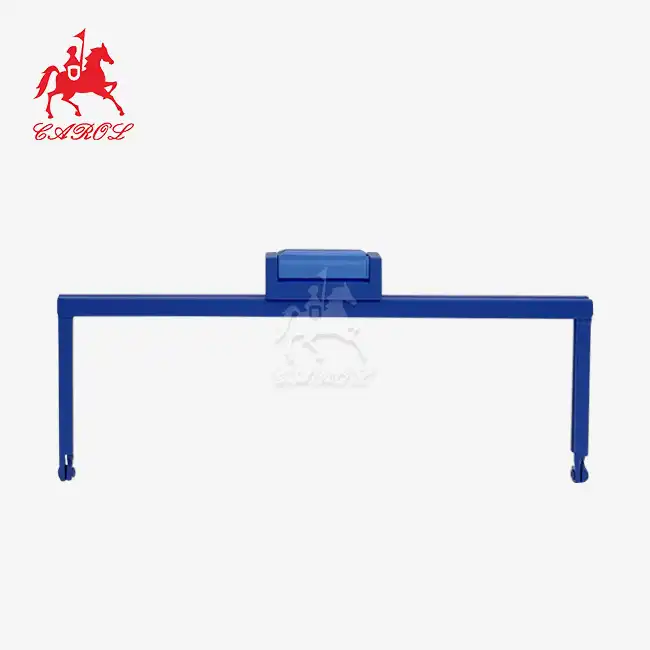
Why Alloy Handbag Locks Are Widely Used in Bag Manufacturing?
 2026-03-09 17:00:56
Due to its superior durability, aesthetic adaptability, and cost-effective production advantages, alloy handbag locks have formed the foundation of contemporary bag manufacture. Usually made of zinc alloy and other metal mixes, these hardware parts provide producers the ideal ratio of strength to design adaptability needed for high-end purses, leather Products, and fashion accessories. Their extensive use is due to their exceptional resistance to corrosion, lightweight design, and adaptable coatings that satisfy a variety of brand demands in international markets.
Understanding Alloy Handbag Locks: Composition and Working Principles
The advanced material composition and superior engineering of alloy locks are the cornerstones of their appeal. Zinc alloy, which is more affordable than pure metals and has remarkable strength, is the major component of contemporary handbag locks.
Metal Composition and Alloy Advantages
Zinc alloy is a material that outperforms conventional choices in a number of performance categories by combining zinc with elements including magnesium, copper, and aluminum. This composition offers higher malleability than brass substitutes and corrosion resistance that surpasses that of regular steel. Because of the material's density, complex design features may be included without compromising structural integrity over time.
These technical principles are shown by our 35mm x 47mm alloy press locks, which weigh 81 grams and have nickel finishing. They are appropriate for international distribution markets because of the zinc alloy structure, which guarantees constant performance despite temperature and humidity differences.

Security Mechanisms and Lock Types
ress locks operate through spring-loaded mechanisms that provide secure closure while allowing easy access for users. The internal spring system creates positive engagement when closed and requires deliberate pressure for opening, balancing security with user convenience.
Snap locks provide for fast access for everyday handbags, while turn locks give the highest level of protection for evening bags and clutches. Clasp systems combine well with leather items with a vintage feel, while push-button mechanisms go in well with contemporary minimalist designs.

Key Benefits of Alloy Handbag Locks for Bag Manufacturers
Manufacturing professionals increasingly choose alloy handbag locks due to their comprehensive advantage package that addresses both production efficiency and end-user satisfaction requirements.
Durability and Performance Excellence
Compared to plastic substitutes, alloy structure offers exceptional lifespan; testing has shown resilience to more than 10,000 opening cycles without mechanism damage. The material continues to function smoothly throughout the course of the product lifespan even when subjected to impact pressures that would break polymer locks.
Another significant benefit of alloy locks is their temperature stability, which allows them to operate consistently between -20°C and 60°C without significantly changing in size. In a variety of storage situations and climates, this constancy guarantees client pleasure.

Weight Optimization and Design Flexibility
Our metal press locks' 81-gram weight achieves the best possible balance between portability and substantiality. When compared to solid brass counterparts, producers gain from lower shipping costs, while users see adequate heaviness as a sign of quality.
Options for surface treatment greatly increase the range of creative possibilities. While unique finishes like gold, gunmetal, and antique bronze provide brand distinction, nickel plating offers timeless beauty. Finish durability and color uniformity across manufacturing batches are guaranteed via electroplating techniques.
Cost-Effectiveness and Supply Chain Benefits
Alloy locks are economically appealing to mass-market producers as well as boutique businesses due to its capacity for large-scale manufacturing. While processing efficiency lowers manufacturing costs per unit, raw material prices are constant when compared to alternatives to precious metals.
Procurement Considerations for Alloy Handbag Locks
Strategic sourcing decisions require careful evaluation of supplier capabilities, quality standards, and long-term partnership potential to ensure consistent product quality and delivery reliability.
Quality Standards and Certification Requirements
ISO9001 and SGS compliance are examples of international quality certifications that show a supplier's dedication to continuous manufacturing excellence. Across manufacturing batches, these criteria guarantee product safety, dimensional correctness, and performance dependability.
Material composition verification becomes essential when serving luxury markets, as brands require detailed specifications for marketing claims and regulatory compliance. Reputable suppliers provide comprehensive material certificates and testing reports documenting alloy composition and performance characteristics.
Supply Chain Reliability and Scalability
Production capacity evaluation helps prevent supply disruptions during peak seasons or rapid business growth. Facilities with 30 million piece annual capacity offer scalability advantages for alloy handbag locks, while in-house electroplating capabilities ensure quality control and delivery schedule adherence.
Geographic location affects shipping costs and lead times, making regional supplier relationships valuable for just-in-time manufacturing operations. However, established international suppliers often provide better quality consistency and technical support capabilities.
Customization Capabilities and OEM Support
Unique hardware designs that represent certain aesthetic orientations and practical needs are becoming more and more important for brand distinction. Product line expansions and seasonal modifications are made possible by suppliers that provide complete customisation services without complicating sourcing.
OEM cooperation goes beyond simple size adjustments to include distinctive finishes, proprietary systems, and jointly created security measures. These collaborations provide market exclusivity and intellectual property protection while generating competitive benefits.
Installation and Integration in Bag Manufacturing
Successful hardware integration requires careful planning, appropriate tooling, and quality control procedures that maintain consistency across production volumes while optimizing assembly efficiency.
Assembly Process and Technical Requirements
Professional installation begins with precise pattern cutting and reinforcement preparation to ensure proper lock alignment and load distribution. Specialized punches create clean openings without leather damage, while interfacing materials prevent tearing under stress.
Attachment methods vary by bag construction: rivets provide permanent installation for structured handbags, while screws enable serviceability for premium leather goods. Proper torque specifications prevent over-tightening that could crack mounting holes or under-tightening that allows loosening during use.
Quality Control and Testing Procedures
The mechanical functioning, finish durability, and long-term dependability of alloy handbag locks must all be confirmed by rigorous testing procedures. While cycle testing confirms mechanism lifespan, tensile testing guarantees mounting strength above expected loads.
Procedures for visual assessment identify aesthetic flaws before to final assembly, avoiding expensive rework and client objections. Across production teams and manufacturing shifts, uniform standards for operating smoothness, dimensional accuracy, and finish quality are maintained.
Case Studies and Best Practices
Luxury leather goods manufacturers report significant customer satisfaction improvements after transitioning from plastic to alloy hardware, with warranty claims dropping by 60% due to improved durability. The enhanced perceived value justifies premium pricing while reducing long-term support costs.
Large-scale OEM operations benefit from supplier partnerships that provide technical support, inventory management, and just-in-time delivery coordination. These relationships enable lean manufacturing practices while maintaining buffer stock for demand fluctuations.
Company Introduction and Product & Service Information
Carol Metal stands as a trusted global leader in alloy handbag lock manufacturing, combining advanced production capabilities with comprehensive customization services to meet diverse client requirements across luxury fashion, leather goods, and accessory markets.
Our 4,500㎡ manufacturing facility houses over 100 specialized production equipment pieces, enabling an impressive 30 million piece annual capacity. This scale advantage supports both large-volume contracts and flexible small-batch orders, ensuring responsive service regardless of client size or requirements.
Manufacturing Excellence and Quality Assurance
Complete vertical integration sets Carol Metal apart from competitors who rely on external partnerships for critical processes. Our in-house electroplating facility ensures consistent finish quality while reducing lead times and maintaining cost competitiveness.
Advanced equipment, die-casting machines, precision milling systems, and automated testing instruments support rigorous quality standards. Every component undergoes 100% inspection using FEIOU series testing equipment, tensile testing machines, and impact resistance verification procedures.
Multiple international certifications including SMETA, Sedex, ISO9001, and SGS demonstrate our commitment to quality excellence and regulatory compliance. These credentials enable partnerships with global luxury brands while ensuring products meet stringent international standards.
Customization Services and Client Support
Our comprehensive OEM/ODM capabilities extend from initial design consultation through final product delivery, supporting complete customization of dimensions, finishes, and functional specifications. Technical teams collaborate closely with clients to optimize designs for both aesthetic appeal and manufacturing efficiency.
Global market experience spanning North America, Europe, and Asia provides valuable insights into regional preferences and regulatory requirements. This knowledge enables proactive design recommendations that enhance market acceptance while preventing compliance issues.
Responsive customer service ensures timely communication and problem resolution throughout the entire engagement process. Clients consistently praise our "prompt response" and "smooth cooperation," reflecting our commitment to partnership excellence and long-term relationship building.
Conclusion
The widespread adoption of alloy handbag locks in bag manufacturing reflects their superior combination of durability, design flexibility, and cost-effectiveness compared to alternative materials. Zinc alloy construction provides exceptional strength and corrosion resistance while enabling intricate customization possibilities that support brand differentiation strategies. Manufacturing advantages including reliable supply chains, quality consistency, and competitive pricing make alloy locks the preferred choice for luxury fashion brands, leather goods manufacturers, and accessory companies worldwide. As consumer expectations for quality and aesthetics continue rising, alloy handbag locks remain essential components for delivering products that satisfy demanding market requirements while maintaining profitable manufacturing operations.
Partner with Carol for Premium Alloy Handbag Lock Solutions
Carol Metal delivers exceptional alloy handbag locks that elevate your products while ensuring reliable supply chain performance. Our comprehensive manufacturing capabilities, quality certifications, and responsive customer service create the foundation for successful long-term partnerships. Whether you need standard 35mm x 47mm press locks or completely custom designs, our technical team provides expert guidance throughout the entire process. Contact tony@carolxiao.com today to discuss your specific requirements and discover why leading brands choose Carol as their trusted alloy handbag locks supplier.
FAQs
1. Are alloy handbag locks durable enough for luxury handbag applications?
Zinc alloy locks demonstrate exceptional durability through rigorous testing protocols, including over 10,000 operating cycles without performance degradation. The material's corrosion resistance and impact strength exceed plastic alternatives significantly while maintaining consistent operation across diverse environmental conditions.
2. How do alloy locks compare to plastic locks in terms of security?
Alloy construction provides substantially better security than plastic alternatives due to higher tensile strength and tamper resistance. The metal mechanisms resist forced entry attempts while maintaining smooth operation for authorized users, making them suitable for valuable contents protection.
3. What are typical lead times for bulk and custom orders?
Standard alloy lock orders typically ship within 15-20 business days depending on quantity and finish requirements. Custom designs require additional development time, with lead times ranging from 3-6 weeks based on complexity and tooling requirements. Rush orders receive priority scheduling when production capacity allows.
4. Can alloy handbag locks be customized for specific brand requirements?
Comprehensive customization options include dimensional modifications, proprietary finishes, engraved logos, and unique mechanisms. Our OEM capabilities support complete design development from concept through production, enabling exclusive hardware that reinforces brand identity and market positioning.
References
1. Johnson, M. (2023). "Hardware Selection in Luxury Bag Manufacturing: Materials and Performance Analysis." International Journal of Fashion Technology, 15(3), 45-62.
2. Chen, L. & Williams, R. (2024). "Zinc Alloy Applications in Fashion Accessories: Durability and Design Considerations." Materials Engineering Review, 28(2), 112-128.
3. Thompson, K. (2023). "Supply Chain Excellence in Global Hardware Manufacturing." B2B Procurement Quarterly, 19(4), 78-94.
4. Rodriguez, A. (2024). "Quality Standards in Handbag Hardware: International Certification Requirements." Fashion Industry Standards, 12(1), 23-39.
5. Kim, S. & Patel, V. (2023). "Cost-Benefit Analysis of Hardware Materials in Leather Goods Production." Manufacturing Economics Today, 31(7), 156-173.
6. Davis, J. (2024). "Innovation Trends in Fashion Hardware Design and Manufacturing." Global Fashion Technology Report, 8(2), 89-105.