_1753256285958.png)

_1754990596544.webp)
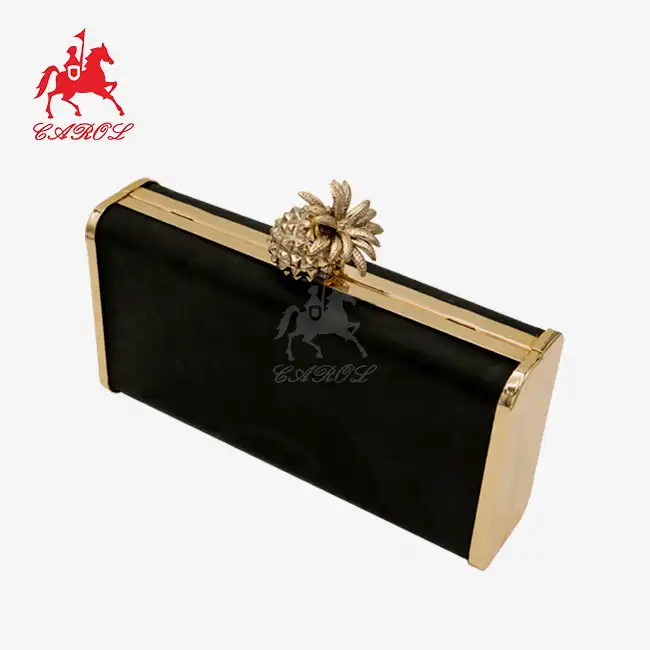
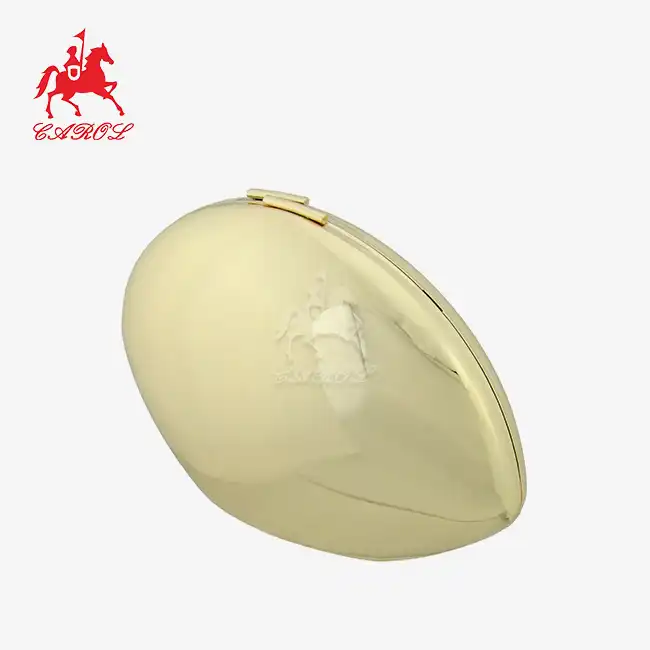
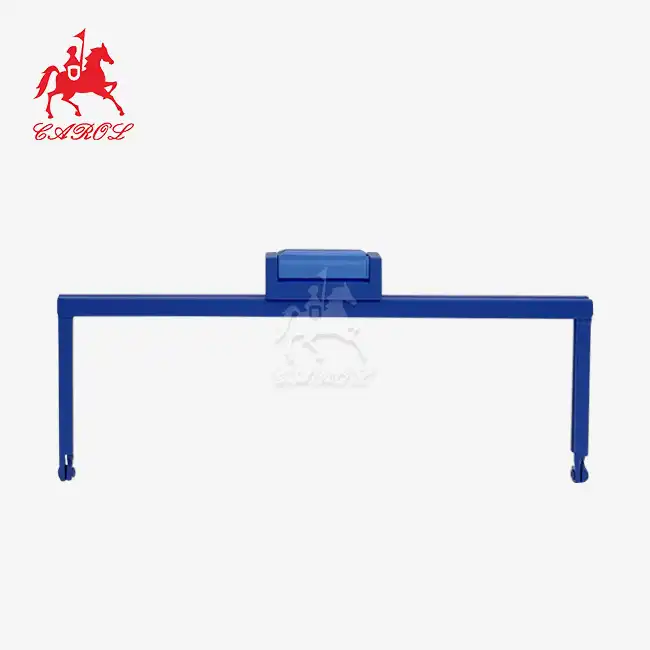
Why use a metal clasp frame instead of a zipper closure?
 2025-12-19 20:18:41
Throughout the evolution of the bag manufacturing industry, closure systems have consistently played the dual roles of "functional core" and "entry point of experience." Zippers have long dominated the market thanks to their lightweight and low-cost advantages. However, metal clasp purse frames, with their multi-dimensional breakthroughs in durability, safety, and design value, are becoming the preferred solution for mid-to-high-end and functional bags. For manufacturers, choosing a metal frame is more than a simple material replacement; it's a strategic decision based on product positioning, user needs, and long-term value.
Structural Performance: A Fundamental Transition from "Consumable Part" to "Load-Bearing Framework"
As a flexible closure component, the structural characteristics of the zipper impose inherent limitations in high-intensity use scenarios. Metal frames, through their rigid structural design, achieve a performance leap in bag closure systems. This difference directly impacts product lifecycle and user trust. From a mechanical performance perspective, the advantages of metal frames lie in three key areas:
Fatigue and impact resistance: Zipper teeth are prone to misalignment and breakage after frequent opening and closing (typically 3,000-5,000 times), and the fabric straps are susceptible to tearing under load. Metal clasp purse frames made of aluminum or magnesium alloys, however, have been shown through professional fatigue testing to withstand over 20,000 opening and closing cycles while maintaining a damping coefficient of 97% of its initial value. They are also less susceptible to deformation under extreme conditions such as being dropped or dragged. The precisely calibrated structural design of the magnesium alloy frame effectively cushions impact loads during transportation and use, protecting items within from damage.
Overall structural support: The metal clasp purse frame forms a rigid, integrated unit with the bag body, significantly enhancing the bag's compressive strength. Zippered bags are prone to deformation and loose closures when loaded with heavy items. However, the metal frame's locking frame design ensures structural stability even under loads exceeding 20 kg. This support is particularly important in specialized applications like tool bags and camera bags, preventing damage to delicate equipment inside due to structural collapse.
Upgraded Sealing and Protection: The gaps in traditional zippers easily allow water and dust to enter, and they can also cause jamming when opening and closing in low temperatures. The metal clasp purse frame, combined with the rubber sealing strip, achieves IPX4+ waterproof protection, effectively protecting items in rain, snow, and humid environments. Outdoor bag testing shows that Products with aluminum-magnesium alloy frames remain dry even after two hours of exposure to heavy rain, as verified by static water pressure and dynamic rain tests.

User Experience: From "Basic Functionality" to "Scenario-Specific" Experience: An Elevated Experience
Modern consumers' demand for bags has shifted from "storage tools" to "scenarios." Metal frames, through structural innovation, enable precise adaptation to diverse usage scenarios, providing manufacturers with a key advantage in creating differentiated products.
(I) Efficient Access and Space Adaptation
The rigid structure of the metal clasp purse frame enables control over the opening and closing angle. The business bag, featuring a car hood-style hinge, can hover freely between 30 and 90 degrees. This allows users to access items in confined spaces like high-speed trains and conference rooms without fully opening the bag, improving efficiency while minimizing privacy. This design improves access efficiency by 40% compared to the "fully open" zippered bag in high-frequency use scenarios such as commuter bags and baby bags.
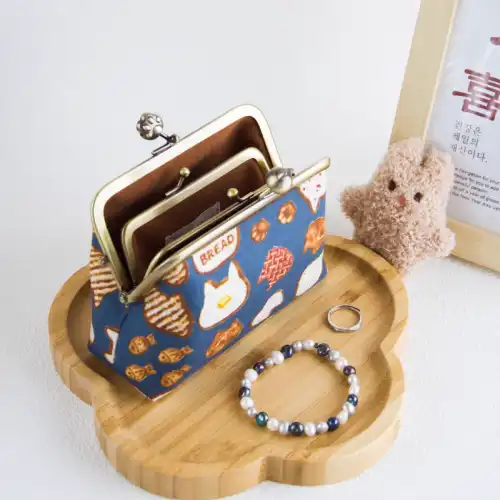
In terms of space adjustment, the metal clasp purse frame with an adjustable buckle solves the pain points of traditional zippers: "It tends to wobble when underfilled, and it becomes difficult to fasten when overfilled." The expandable tote bag, with its ratchet buckle on the frame, can be adjusted by 20% to 30% and locks securely, ensuring it can be adjusted to accommodate varying load capacities.
(II) Safety Protection and User-Friendly Operation
Improved safety is one of the most competitive advantages of the metal clasp purse frame. Most metal frame systems can be integrated with anti-theft locks, enhancing the security of valuables through a dual-cylinder design. This feature has made it a standard feature in high-end handbags and business briefcases. In contrast, even zippered bags equipped with combination locks can be easily stolen due to tools picking through the gaps between the chain elements.
For ease of use, the new generation of metal clasp purse frames utilizes a push-button self-locking mechanism, achieving "one-click to open, one-click to lock." This is more ergonomic than the reciprocating zipper operation and is particularly suitable for users with limited manual dexterity. For outdoor use, the metal buckle's non-slip design allows operation with gloves, a functional advantage unattainable with zippered bags.

Design Value: From "Functional Component" to "Brand Symbol"
In a consumer market dominated by appearance, metal clasp purse frames have transcended simple functionality to become a core component in shaping a bag's quality and brand identity. For manufacturers, this translates to higher product premiums and the accumulation of more lasting brand equity. The design value of metal frames lies primarily in their material aesthetics and craftsmanship.
Diversified Material Aesthetics: By selecting different metal materials and surface treatments, manufacturers can create differentiated styles. Aluminum-magnesium alloy frames retain their grooved texture, while anodizing creates a unique metallic luster. Matte-coating 304 stainless steel creates a frosted porcelain-like feel, avoiding the cheap feel of shiny metal while improving scratch resistance. These material properties complement the textures of various fabrics, such as leather and canvas, enhancing the product's premium character.

Explicit Craftsmanship: The processing of metal clasp purse frames directly conveys the brand's expertise. Magnesium alloy frames that undergo millimeter-level hand-tuning can command a price premium of over 200% compared to base models due to the scarcity of this process. The precise contours of laser cutting and the delicate chamfers of CNC machining, these details are intuitively displayed through the metal frame, allowing consumers to clearly perceive the product's value and supporting manufacturers' premium pricing strategies.
Turn your purse designs into luxury pieces with Carol Metal's square metal clasp purse frame. Designed in chic rose gold and made from top-grade iron and zinc alloy, it blends strength with style. Whether you’re crafting one-of-a-kind accessories or producing at scale, we customize every frame to your requirements. Start creating with Carol Metal. Contact tony@carolxiao.com for quotes and custom options today.
References
[1] Beijing Institute of Optical Analysis. Fatigue Testing of Luggage Opening and Closing Life [EB/OL].
[2] Research on Recycling and Reuse of Metal Packaging Containers
[3] Metal Surface Coating Production Process Technology
[4] Packaging Technology Chapter 12 Chemical Protection