_1753256285958.png)

_1754990596544.webp)
2025 Design Trends: Geometric & Nature-Inspired Metal Purse Frames for Evening Bags
 2026-02-27 21:54:42
Fashion hardware has entered a transformative phase where metal frames transcend their traditional functional roles to become defining aesthetic elements. The evening bag segment, long characterized by minimalist hardware that faded into background details, now witnesses a paradigm shift toward statement-making closures that command visual attention. Geometric precision meets organic inspiration in 2025 design directions, creating metal purse frames that bridge mathematical elegance with natural world references.
Geometric Design Language in Contemporary Metal Purse Frames
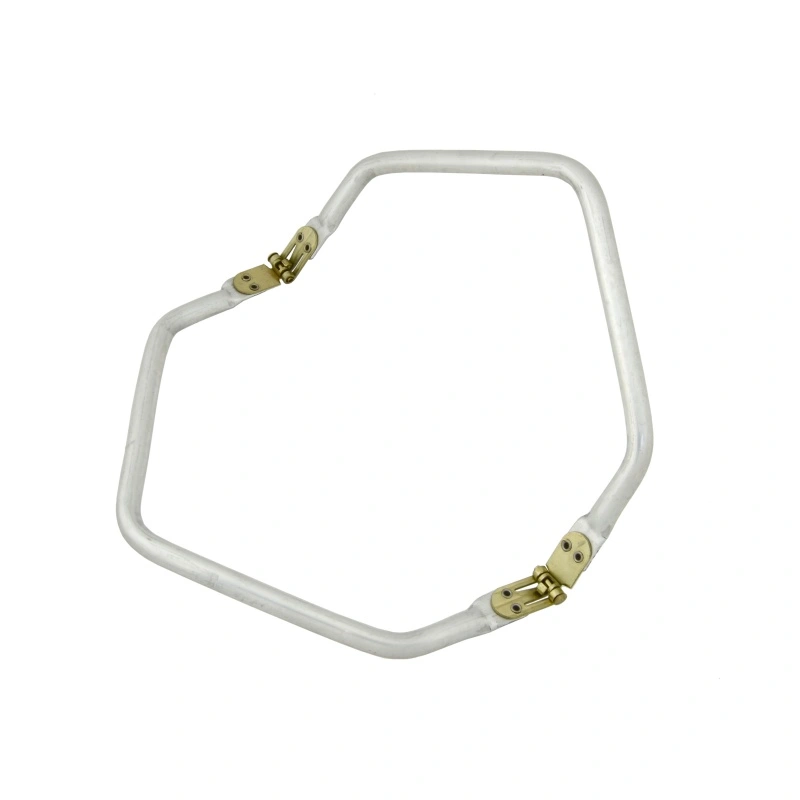
Geometric forms have dominated architectural and product design throughout the 2020s, with metal purse frames increasingly adopting angular vocabulary that challenges traditional curved aesthetics. Sharp lines, polygonal shapes, and asymmetric compositions characterize frames moving beyond conventional semicircular or rectangular configurations. Triangle frames, hexagonal closures, and trapezoidal silhouettes introduce mathematical precision to handbag hardware.
Angular Frames and Structural Experimentation
The rise of angular metal purse frames reflects design philosophies celebrating honest materiality and structural expression. Unlike curved frames that soften visual impact, angular designs emphasize metal's inherent rigidity and industrial origins. Octagonal frames, composed of eight distinct segments meeting at precise angles, demonstrate technical manufacturing capabilities while projecting modern sophistication. Pentagon and heptagon configurations offer less common alternatives, differentiating Products through geometric uniqueness. Designers appreciate how angular frames create predictable fold patterns in fabric and leather, enabling controlled draping effects difficult to achieve with curved hardware.
Manufacturing angular metal purse frames presents distinct challenges compared to traditional curved designs. Corner intersections concentrate mechanical stress, requiring careful material selection and reinforcement strategies.
Minimalist Geometry and Refined Proportions
While some geometric metal purse frames embrace bold, oversized proportions, parallel trends favor restrained minimalism where geometric purity takes precedence over visual weight. Thin-profile frames in simple rectangular or triangular forms demonstrate the "less is more" philosophy, allowing materials and finishing to carry aesthetic impact without competing shapes. Brush finishes on geometric frames enhance industrial character, with directional metal grain creating subtle surface interest that polished finishes lack. Antique brass treatments applied to minimalist geometric frames bridge contemporary form language with vintage material references, satisfying consumers seeking both modern and timeless qualities.
The interplay between frame geometry and bag body proportions requires careful consideration during product development. Geometric metal purse frames with strong visual presence work best when bag dimensions create harmonious relationships rather than awkward contrasts. A prominent hexagonal frame suits structured box clutches where geometric theme extends throughout the product, while the same frame might overwhelm soft gathered pouches. Designers increasingly sketch bag concepts and hardware simultaneously rather than selecting frames as afterthoughts, ensuring geometric elements integrate cohesively into overall designs.
Nature-Inspired Elements Transforming Evening Bag Hardware
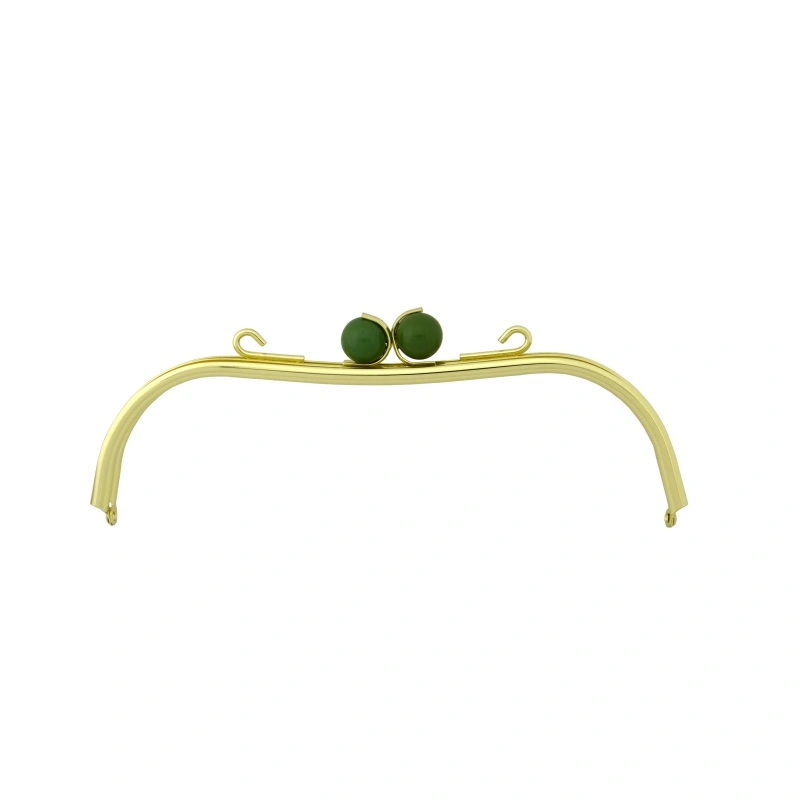
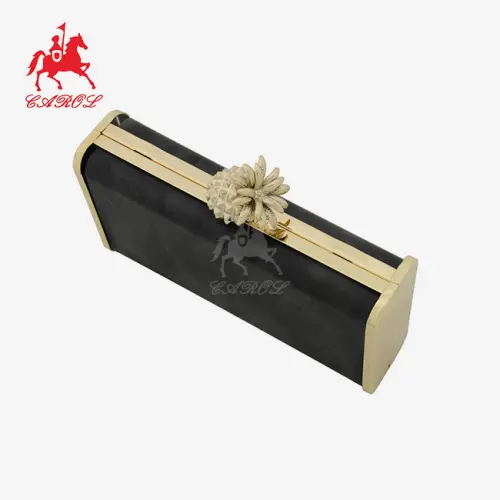
Parallel to geometric trend acceleration, nature-inspired metal purse frames have gained momentum as consumers seek connections with organic forms and natural materials. Wooden elements incorporated into metal frames exemplify material fusion strategies that differentiate products while introducing tactile variety. The 18 cm wooden ball clasp represents sophisticated execution of nature-inspired design, pairing turned wood spheres with metal frame structures finished in brush antique brass. Wood's warmth contrasts metal's coolness, creating sensory experiences that purely metallic frames cannot replicate. These hybrid designs appeal particularly to buyers seeking sustainable material stories and handcrafted aesthetic qualities.
Material Combinations and Textural Contrast
Wooden ball clasps demonstrate how metal purse frames can incorporate secondary materials without compromising structural integrity. The spherical wood elements function as tactile grips, making frame operation more comfortable while contributing distinctive visual character. Wood species selection influences both appearance and performance; hardwoods like walnut and maple offer durability and fine grain patterns, while softer woods enable easier shaping but may show wear more quickly. Finishing techniques applied to wooden components must complement metal surface treatments; natural oil finishes preserve wood's organic appearance, while lacquers provide protection and dimensional stability.
Organic Shapes and Fluid Forms
Beyond explicit natural material incorporation, nature-inspired metal purse frames adopt organic shapes referencing botanical forms, water movements, and geological features. Leaf-shaped frames, petal configurations, and wave-pattern closures bring natural world vocabulary to evening bag hardware. These designs require sophisticated manufacturing techniques; organic curves lack the geometric predictability simplifying production planning. Lost-wax casting enables complex organic shapes unachievable through stamping or bending operations, though the process involves higher tooling costs and longer lead times than conventional manufacturing methods.
Finish Innovations and Surface Treatment Technologies
Surface finishing technologies have advanced considerably, enabling metal purse frame manufacturers to achieve effects previously impossible or economically impractical. Beyond traditional polished gold, silver, and nickel plating, contemporary finishes include matte blacks, rose golds, gunmetal, and iridescent treatments creating color-shifting effects.
Antiqued and Distressed Finish Techniques
Antique finishes have evolved beyond simple darkening processes to include sophisticated multi-tone effects suggesting natural aging and use patina. Brush antique brass finishes combine mechanical surface preparation with chemical treatments, creating depth impossible with single-process approaches. Manufacturers control antiquing intensity by adjusting chemical concentrations and exposure durations, enabling customization from subtle shadowing to heavily oxidized appearances. The brush texture underlying antique treatments catches light directionally, making frames appear to change character as viewing angles shift.
Two-Tone and Gradient Finishing Effects
Multi-tone metal purse frames employ contrasting finishes on different frame components, creating visual complexity that single-finish hardware lacks. A frame might feature polished gold mounting portions with matte black closure mechanisms, or brush nickel bodies with rose gold accents. Producing two-tone frames requires selective masking during plating operations or sequential plating steps with intermediate masking. The complexity increases manufacturing costs and failure rates, as masking imperfections or plating bleed create cosmetic defects requiring rework or rejection.
Gradient finishes transition smoothly between colors or tones across frame surfaces. Achieving convincing gradients on small metal purse frame components demands precise process control rarely available outside specialized facilities. Some manufacturers have developed proprietary gradient plating techniques becoming signature offerings distinguishing their products from competitors'. Gradient effects prove particularly effective on geometric frames where transitions can align with angular facets, emphasizing form through color modulation. Nature-inspired designs benefit from gradients suggesting natural color variations found in woods, stones, and botanical specimens.
Customization Strategies for Brand Differentiation
Standard metal purse frames serve basic functional requirements but offer limited differentiation opportunities in crowded markets. Custom hardware development enables brands to create proprietary closure systems becoming recognizable signature elements. Customization ranges from simple dimensional modifications and finish variations to completely original frame geometries requiring dedicated tooling. The investment required for custom development varies dramatically based on complexity; dimensional tweaks to existing designs involve minimal costs, while entirely new shapes necessitate significant tooling expenditures that buyers must amortize across production volumes.
Dimensional Customization and Proportional Adjustments
Many buyers begin customization by modifying standard frame dimensions to suit specific bag patterns or desired proportions. Adjusting an 18 cm frame to 16 cm or 20 cm versions accommodates different bag sizes while leveraging existing design foundations. Manufacturers with flexible tooling can produce dimensional variations efficiently, though minimum order quantities typically apply to justify setup costs. Width adjustments prove simpler than modifications to frame depth or profile curvature, as width changes often require only die adjustment rather than complete tooling replacement.
Proportional customization extends beyond simple scaling to adjust specific frame features. Buyers might request thicker frame cross-sections for perceived durability, wider mounting flanges for enhanced bag attachment, or modified ball sizes on wooden clasp designs. Each adjustment affects both aesthetics and functionality, requiring evaluation to ensure changes don't introduce unintended consequences. Experienced manufacturers provide technical guidance during customization discussions, identifying potential issues before tooling commitments occur.
Exclusive Designs and Proprietary Frame Development
Brands seeking maximum differentiation invest in exclusive metal purse frame designs protected through design patents or manufacturing exclusivity agreements. Developing proprietary frames involves collaborative design processes where brands articulate aesthetic visions and manufacturers provide technical feasibility assessments. Initial concept sketches evolve through iterative refinement addressing both visual goals and manufacturing realities. Three-dimensional modeling and rapid prototyping enable physical evaluation before tooling investment, reducing risks of expensive course corrections after production tooling completion.
Exclusive frame development timelines typically span several months from initial concept to production-ready tooling. Buyers must plan accordingly, initiating hardware development well in advance of intended product launches. Manufacturers sometimes offer reduced tooling costs in exchange for non-exclusive rights or minimum order commitments, arrangements benefiting both parties when volume projections justify tooling investments. Clear intellectual property agreements prevent disputes over design ownership and usage rights, particularly important when manufacturers contribute substantive design input beyond executing buyer specifications.
Metal Purse Frames Supplier: Carol
For buyers seeking to incorporate geometric and nature-inspired metal purse frames into 2025 evening bag collections, Shenzhen Carol Metal Products Co., Ltd offers comprehensive manufacturing capabilities supporting both standard and custom hardware development. The company produces diverse frame styles including the 18 cm wooden ball clasp handbag metal frame, measuring 18 cm x 6.5 cm with brush antique brass finishing. Constructed from iron and wood, these hybrid frames suit handbags, coin purses, and evening bags where material contrast creates distinctive character. Carol's integrated production model, featuring in-house electroplating facilities, enables customization of sizes, colors, and materials tailored to specific brand requirements.
Carol's experience spanning multiple hardware categories including handbag frames, evening bag closures, and various metal accessories positions the company as a knowledgeable partner for buyers navigating evolving design trends. Technical teams assist with material selection, finish specification, and customization feasibility assessment, helping translate design concepts into manufacturable products. The company's OEM/ODM capabilities support exclusive frame development for brands seeking proprietary hardware that differentiates products in competitive markets.
Buyers interested in exploring metal purse frame options for upcoming collections can initiate contact via email at tony@carolxiao.com. Carol welcomes detailed requirement discussions, providing technical specifications, finish samples, and production capability documentation supporting informed sourcing decisions. Whether selecting from existing frame designs or developing custom geometric and nature-inspired hardware, Carol's manufacturing expertise and quality commitment support successful product development from concept through production delivery.
FAQs
What are the advantages of wooden ball clasp frames compared to all-metal designs?
A: Wooden ball clasps offer warmth, comfort, and aesthetic contrast not possible with metal. They allow color and texture variation through wood choice, but require care with moisture and may wear differently than metal.
How do geometric metal purse frames affect manufacturing costs compared to traditional curved designs?
A: Geometric frames increase tooling and material costs due to sharp angles and reinforcements, and may reduce electroplating yields. Some assembly steps may be easier, partially offsetting costs. Overall impact depends on geometry and production volume.
What minimum order quantities typically apply for custom metal purse frame development?
A: Simple modifications usually need 500–1,000 units; fully custom designs require 2,000–5,000+ units. Lower MOQs may be negotiated for exclusive partnerships or existing tooling. Discuss quantities early in development.
References
- Martinez, A., & Wong, L. (2024). "Material Innovation in Fashion Hardware: Hybrid Designs and Sustainable Approaches." Journal of Fashion Accessories, 12(2), 145-162.
- Thompson, R., & Chen, M. (2024). "Geometric Design Trends in Luxury Goods Hardware: Consumer Perception and Market Analysis." Luxury Brand Management Quarterly, 31(1), 78-95.
- International Fashion Hardware Association. (2024). "2025 Design Forecast: Emerging Trends in Metal Accessories and Closures." IFHA Annual Trend Report.
- Davidson, K., Lee, S., & O'Connor, P. (2023). "Surface Finishing Technologies for Small Metal Components: Quality Standards and Innovation Directions." Surface Engineering Journal, 39(4), 312-329.
- Wilson, J., & Zhang, H. (2023). "Sustainable Material Combinations in Handbag Hardware: Wood-Metal Hybrids and Environmental Impact Assessment." Sustainable Fashion Technology Review, 8(3), 201-218.