_1753256285958.png)

_1754990596544.webp)
Alloy Handbag Lock Supplier Guide
 2026-03-24 11:55:14
In today's cutthroat fashion accessories industry, selecting the best alloy handbag lock supplier is a crucial decision point for manufacturers, designers, and procurement specialists. Because alloy handbag locks are necessary hardware parts that blend practicality and style, choosing the right supplier is critical to the success of the product. The growing need for robust, fashionable closing mechanisms from luxury labels, mid-range manufacturers, and up-and-coming fashion houses is propelling the growth of the worldwide handbag hardware market. Beyond only items, quality suppliers provide engineering know-how, customisation options, and trustworthy alliances that may improve the image of your company while guaranteeing steady supply chain performance.
Understanding Alloy Handbag Locks: Definition, Types, and Benefits
Material Composition and Superior Performance
Handbags, purses, clutches, and other leather items may be secured using alloy handbag locks, which are complex closing devices made of metal alloys, mainly zinc alloy. With improved durability and superior aesthetic attributes that contemporary customers want, these locks mark a substantial improvement over conventional plastic substitutes. These components are perfect for high-end applications where both performance and look are important because of the remarkable strength-to-weight ratios provided by the zinc alloy fabrication.
Precision die-casting processes are used in the production process to produce reliable, better surface-finish components. Alloy locks, in contrast to less expensive options, resist typical failure modes like cracking or deformation that afflict weaker materials while maintaining their structural integrity with repeated usage.
Lock Types and Application Versatility
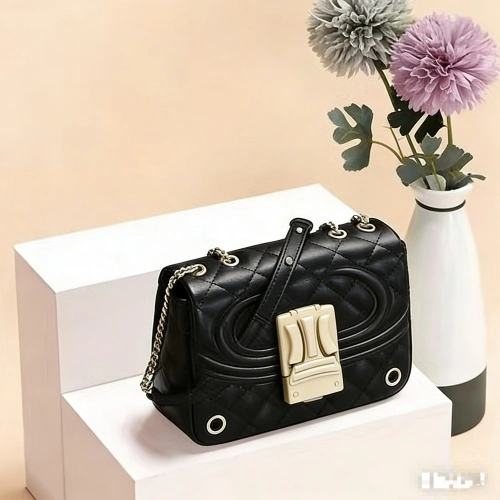
The market offers diverse lock configurations to meet varying design requirements and security levels. Press locks, like our featured 35mm x 47mm alloy handbag lock weighing 81 grams with nickel finishing, provide intuitive operation combined with robust construction suitable for handbags, purses, and premium leather goods. Toggle locks offer classic styling with reliable engagement mechanisms, while twist locks provide enhanced security through multi-point locking systems.
Clasp-style locks deliver traditional elegance perfect for evening bags and clutches, whereas magnetic locks offer silent operation favored in professional settings. Each type serves specific applications, with press locks being particularly popular for their balance of security, ease of use, and manufacturing compatibility across different bag styles and production methods.
Comparative Advantages Over Alternative Materials
In major performance criteria, alloy locks clearly outperform plastic, magnetic, and even certain stainless steel equivalents when comparing closing choices. One major benefit is corrosion resistance; well-finished alloy locks retain their look and performance even when exposed to damp, cosmetics, and normal handling pressures that would deteriorate less durable materials.
The visual appeal of expertly polished metal surfaces enhances premium brand positioning, while security features like pick resistance and tamper evidence are simply unmatched by plastic locks. When overall ownership costs include warranty claims, replacement frequency, and the effects of hardware failures on brand reputation, alloy locks are preferred due to cost concerns.
How to Choose the Right Alloy Handbag Lock Supplier: Key Criteria and Market Insights
Defining Your Procurement Requirements
Clearly stated specifications that address order numbers, customization requirements, delivery timelines, and quality standards are the first step in choosing a successful supplier. When working with unique specs or changing design needs, modern procurement teams must strike a balance between short-term cost concerns and long-term relationship value. From small-batch prototypes to large-scale manufacturing runs reaching millions of units yearly, volume issues are relevant.
Specific dimensions, finishes, branding integration, and performance attributes that are not possible with regular catalog goods are common examples of customization needs. Prominent vendors provide full OEM and ODM services, including everything from small adjustments to entirely unique designs created in conjunction with client technical teams.
Core Evaluation Metrics for Supplier Assessment
Both production capabilities and quality control systems must be examined in order to evaluate the quality of a product. Reputable vendors uphold thorough testing procedures that address corrosion performance, impact resistance, tensile strength, and lifespan durability. Third-party validation of quality management systems and environmental compliance is offered by manufacturing certifications like ISO9001, SMETA, and SGS.
When evaluating a pricing structure, the entire cost of ownership should be taken into account instead of just the unit price. This covers the cost of alloy handbag lock tooling for bespoke designs, minimum order quantities, conditions of payment, and possible ways to save costs by volume commitments or design optimization. The success of a long-term collaboration is greatly impacted by after-sales support capabilities, such as technical help, warranty coverage, and the availability of replacement parts.
Verification of Supplier Credibility and Capabilities
Verification of a supplier's legitimacy entails more than just standard business registration checks. Audits of manufacturing facilities show capacity utilization, quality control implementation, and real production capabilities that are not captured by paper requirements. Client reference checks provide information on performance in the real world, delivery dependability, and problem-solving skills under trying circumstances.
Verification of certification guarantees that suppliers fulfill global requirements for social responsibility, environmental compliance, and quality. While several industry-specific certifications may be applicable based on end-use applications and target market criteria, REACH compliance becomes especially crucial for suppliers supplying European markets.
Installation, Maintenance, and Performance Optimization
Professional Installation Guidelines
Proper installation techniques preserve both lock functionality and bag integrity throughout the product lifecycle. Installation begins with precise positioning using manufacturer-provided templates, ensuring alignment accuracy that prevents stress concentration points that could lead to premature failure. Mounting hole preparation requires appropriate sizing and edge finishing to prevent material damage during assembly.
Fastening procedures must account for material thickness variations, thread engagement requirements, and torque specifications that ensure secure attachment without over-stressing lock components or bag materials. Professional installers recognize that proper technique during initial assembly significantly impacts long-term reliability and customer satisfaction with the finished product.
Maintenance Protocols for Extended Service Life
Regular maintenance schedules help maximize lock performance and appearance throughout normal use cycles. Cleaning protocols involve appropriate solvent selection that removes accumulated contaminants without damaging protective finishes or compromising mechanical clearances. Lubrication schedules using manufacturer-approved materials maintain smooth operation while preventing wear acceleration.
Inspection procedures identify potential issues before they progress to failure modes that could affect end-user experience. Visual checks for finish degradation, mechanical checks for proper engagement, and function testing under normal operating conditions help identify maintenance needs and replacement timing for optimal performance.
Procurement Solutions: Ordering, Shipping, and Customization Options
Streamlined Ordering Processes
In order to meet varying customer preferences and operational needs, modern providers provide a variety of ordering methods. While direct sales assistance manages intricate custom needs and high volume negotiations, online platforms provide round-the-clock access to product catalogs, technical details, and real-time inventory status. Standard items are often offered in lesser numbers than bespoke designs, and minimum purchase quantities usually reflect production costs.
Complete project management assistance is provided throughout bulk ordering procedures, from the first specification review to delivery confirmation. Prominent vendors have advanced inventory control systems that can adapt to different delivery times, enabling purchasers to minimize their own inventory carrying expenses while guaranteeing sufficient supply continuity.
Custom Design and OEM Services
Customization capabilities range from simple finish modifications to completely engineered solutions developed specifically for unique applications. Design collaboration typically begins with concept discussions, progresses through prototype development, and culminates in production tooling and manufacturing setup. Lead times vary significantly based on complexity, with simple modifications requiring weeks while complex custom designs may require several months.
OEM services often include branding integration, packaging customization, and documentation support that enables seamless integration into client product lines. Quality suppliers maintain design engineering capabilities that can optimize performance characteristics while ensuring manufacturability and cost-effectiveness throughout the product lifecycle.
Company Introduction and Product Service Overview
Manufacturing Excellence and Global Reach
Carol Metal has established itself as a premier manufacturer of alloy handbag locks and hardware accessories, operating from a state-of-the-art 4,500 square meter facility equipped with over 100 specialized production units. Our annual production capacity of 30 million pieces enables us to serve both small-batch custom orders and large-scale production requirements with equal efficiency and attention to detail.
Our integrated manufacturing approach includes in-house electroplating facilities, ensuring complete quality control from raw material processing through final packaging. This vertical integration eliminates external dependencies that could compromise delivery schedules or quality consistency, while providing cost advantages that we pass along to our clients.
Comprehensive Product Portfolio and Certifications
Our product range encompasses diverse hardware accessories including handbag frames, metal buckles, locks, and Bag Chains, with designs suitable for applications ranging from luxury fashion brands to mass market accessories. Technical capabilities include advanced surface finishing options, precision machining, and comprehensive testing protocols validated through multiple international certifications including SMETA, Sedex, ISO9001, and SGS.
Quality control systems implement rigorous testing protocols covering tensile strength, impact resistance, corrosion performance, and aesthetic consistency. Our commitment to continuous improvement includes ongoing investment in advanced testing equipment and process optimization that ensures product performance meets or exceeds international standards.
Conclusion
Selecting the right alloy handbag lock supplier requires careful evaluation of manufacturing capabilities, quality systems, and partnership potential that extends beyond simple price comparisons. Successful procurement strategies emphasize long-term value creation through reliable supply chains, consistent quality delivery, and collaborative innovation that supports evolving market demands. The investment in quality supplier relationships pays dividends through reduced warranty claims, enhanced brand reputation, and access to emerging technologies that maintain competitive advantages in dynamic fashion markets.
Partner with Carol for Your Alloy Handbag Lock Requirements
Carol Metal stands ready to support your alloy handbag lock procurement needs with comprehensive manufacturing capabilities, certified quality systems, and collaborative partnership approaches that drive mutual success. Our experienced team provides technical consultation, custom design services, and reliable delivery performance that luxury brands and volume manufacturers trust. Contact tony@carolxiao.com to discuss your specific requirements and discover how our expertise in alloy handbag locks manufacturing can enhance your product line.
FAQs
1. How do alloy locks compare to stainless steel alternatives in terms of durability?
Alloy locks, particularly zinc alloy construction, offer excellent durability characteristics while providing cost advantages over stainless steel alternatives. While stainless steel provides superior corrosion resistance in extreme environments, properly finished alloy locks deliver comparable performance in normal use conditions while offering greater design flexibility and lower material costs.
2. What should I consider when placing custom lock orders?
Custom lock orders require careful specification of dimensions, performance requirements, finish options, and quantity commitments. Leading suppliers provide engineering support to optimize designs for manufacturability and cost-effectiveness while ensuring performance objectives are met. Consider lead times, tooling costs, and minimum order quantities when planning custom projects.
3. What are typical shipping timelines for bulk orders?
Bulk order shipping timelines depend on order complexity, customization requirements, and current production schedules. Standard Products typically ship within 2-4 weeks, while custom designs may require 6-12 weeks including tooling and setup time. Reputable suppliers provide detailed project schedules and maintain regular communication throughout production cycles.
References
1. International Fashion Accessories Manufacturing Standards and Quality Guidelines, Fashion Hardware Institute, 2024
2. Metal Alloy Applications in Luxury Goods Manufacturing: Technical Performance Analysis, Materials Engineering Quarterly, 2023
3. Global Handbag Hardware Market Analysis and Supplier Evaluation Criteria, Fashion Industry Research Council, 2024
4. Quality Management Systems for Fashion Accessories Suppliers: Best Practices Guide, International Manufacturing Standards Organization, 2023
5. Procurement Strategies for Fashion Hardware Components: Risk Management and Supplier Selection, Supply Chain Management Review, 2024
6. Zinc Alloy Applications in Fashion Accessories: Performance Characteristics and Design Optimization, Advanced Materials in Fashion Technology, 2023