_1753256285958.png)

_1754990596544.webp)
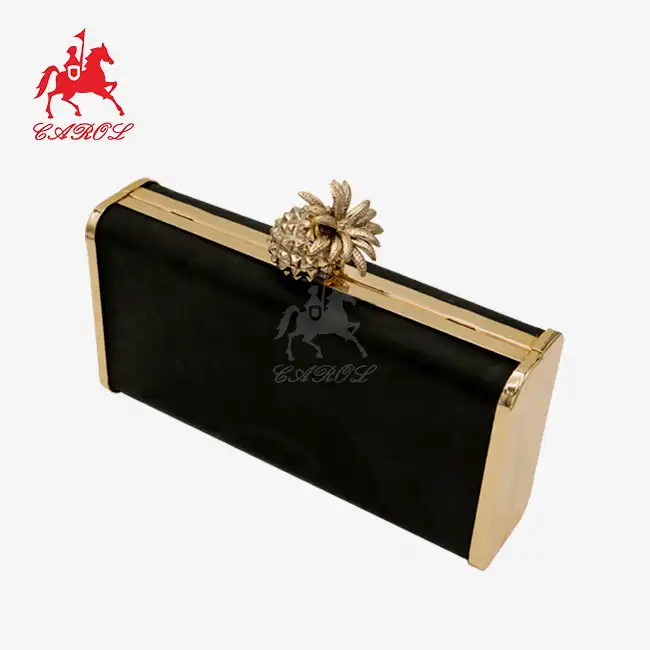
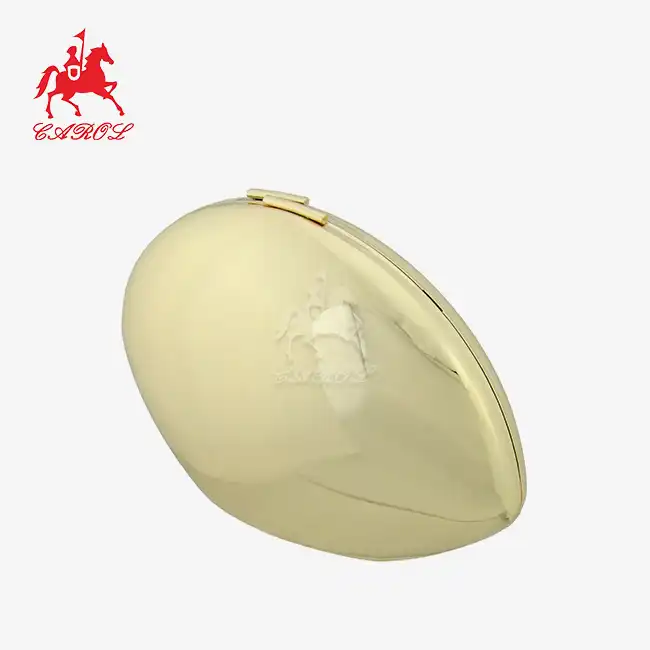
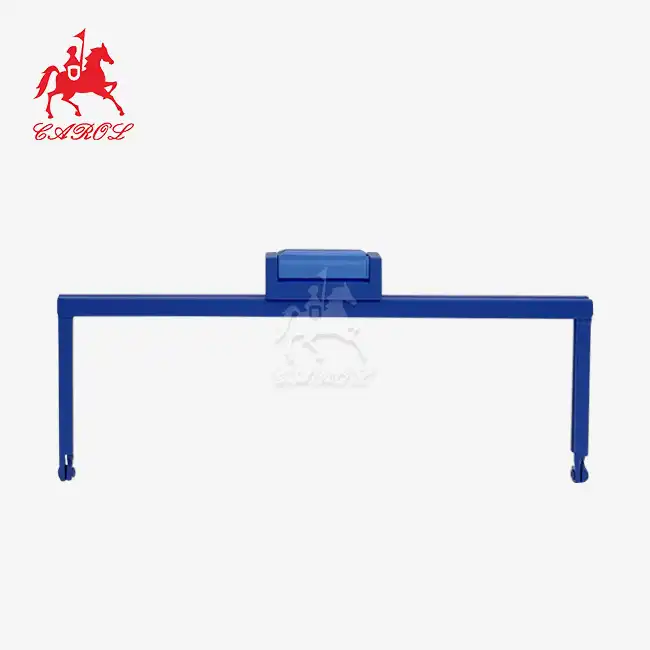
Are magnetic clasps reliable?
 2026-05-09 11:26:36
Yes, magnetic locks are very effective as long as they are made to the right standards and used in the right places. The magnetic force in these new fastening systems makes links that are safe, and they last longer than standard mechanical options. The performance of modern magnetic locking systems stays the same after thousands of opens and closes, and high-quality goods keep their holding power for years. Good electromagnetic locks are built to last and can't be broken by things like rust, wear, and the elements, which can damage regular hardware. The dependability of magnetic clasps relies on how well they are made, the quality of the materials used, and how well they are matched to the application. These are the things that set professional-grade solutions apart from cheaper ones.

Understanding Magnetic Clasps and Magnetic Locks
Working Principles of Magnetic Locking Systems
Magnetic clasps and locks work by using carefully designed magnetic fields to pull parts that are at odds with each other together. Either fixed magnets built into a high-quality housing or electromagnetic technology that works with electricity are used in these systems. The basic process depends on the magnetic flux density and the orientation of the poles to keep the holding strength the same over and over again.
"Magnetic shear resistance" is the ability to keep a link even when there is stress on one side. This is caused by the way the magnetic forces are distributed inside these devices. Traditional mechanical fasteners depend on parts physically interlocking with each other. Magnetic systems, on the other hand, spread stress evenly across the whole contact area, which cuts down on wear spots and increases the operating lifetime.
Types and Applications Across Industries
In business and industrial settings, different magnetic locking configurations meet different working needs. Shear locks are great for situations where you need to fight sliding forces, and surface-mounted units are flexible for setups that were done in the past. Mini magnetic locks are small solutions for places where traditional hardware choices are limited by room.

Commercial uses include everything from high-security entry control to precise manufacturing tools, and reliable performance has a direct effect on how efficiently operations run. These systems work perfectly with electronic control systems, which lets you control them from afar and use automatic security measures that regular mechanical locks can't.
Security Features and Performance Metrics
These days, magnetic locking systems have more than just magnetic pull. They have extra protection layers as well. Holding force ratings usually run from 100 pounds of force for light uses to over 2,000 pounds of magnetic strength for industrial systems. These standards have a direct relationship with preventing tampering and unauthorized entry.
Advanced systems have built-in tracking features that can find attempts to mess with them or stress patterns that aren't normal. Integration with access control systems lets you check on the state in real time and get alerts right away if security is breached. This combination of technologies gives security managers a level of control that mechanical systems can't match.
Benefits of Magnetic Locks for Global B2B Procurement Clients
Superior Durability and Reduced Maintenance Requirements
Because magnetic locks don't have the same mechanical wear patterns as other locking systems, they last a lot longer and cost a lot less to repair. In contrast to spring-loaded or pin-tumbler systems, which lose their staying power after repeated physical touch, magnetic systems keep theirs without any damage to the internal parts.
This edge in durability directly turns into lower running costs for procurement managers in charge of large-scale installations. When industrial sites switch from mechanical locking systems to magnetic ones, upkeep costs drop by more than 60%. Since there are no working parts, there is no need for lubrication or mechanical adjustments, which use up upkeep resources.
Electronic Integration and Remote Operation Capabilities
Modern magnetic locking systems work with building management systems, access control networks, and security tracking platforms without any problems. Because of this flexibility, security managers can handle hundreds of entry points from a single interface, even though the facilities are spread out.
Remote operation can do more than just lock and open. It can also schedule tasks, give users certain rights, and create an audit trail. These features are very helpful for places that need to control entry in a flexible way but don't want to hand out actual keys or send staff to the site. Integration protocols support communication methods that are standard in the industry. This makes sure that they can work with infrastructure investments that have already been made.
Cost-Efficiency Through Streamlined Installation
Magnetic locking systems work with fast rollout plans that cut down on the time and work needed for installation. Unlike mechanical systems that need exact measurements and complicated hardware setup, magnetic locks can be installed in a variety of ways that don't require custom changes to the building.
Professional technicians say that installing these systems takes about 40% less time than installing similar mechanical systems. This speed comes from the fact that mounting is easier and alignment processes don't require as much accuracy. The savings in labor directly help project costs and speed up the time it takes to get a building ready.
How to Choose the Right Magnetic Lock: A B2B Buyer's Guide
Assessing Security Requirements and Certification Standards
Before choosing the right magnetic locking systems, you should do a full security review and make sure they follow all the rules. For international uses, they need to meet certain certification standards, such as ISO standards for mechanical strength and electromagnetic compatibility guidelines to stop electronic interference.
Different types of applications have very different security needs, from simple entry control to military-grade sites with high security. By understanding these needs, purchasing choices can be guided toward systems that provide the right amount of security without adding too many extra costs. Professional security experts say that instead of assuming maximum strength requirements, holding force requirements should be based on real danger evaluations.
Technical Specifications and System Compatibility
Important technical factors that decide long-term success depend on things like holding force ratings, power consumption patterns, and environmental working ranges. To make sure the system works well for as long as it's supposed to, procurement pros have to compare these specs to how the system will actually be used.
System compatibility includes both the standards for attaching and the ability to integrate electronics. Certain interface methods or power source setups may be needed by legacy building systems, which can affect the choice of product. Knowing these standards for compatibility keeps you from having to make expensive changes during installation and makes sure that everything works together smoothly.
Brand Evaluation and Supplier Assessment
When judging magnetic lock manufacturers, you need to look at their quality certifications, production skills, and name in the target business groups. Leading providers keep detailed records of all the tests they do and give out detailed specification sheets that make it easy to compare goods in a smart way.
A supplier's evaluation includes more than just the quality of their Products. It also looks at their shipping options, expert help, and warranty coverage to make sure that procurement investments are safe. Building partnerships with makers that have global transport networks guarantees a steady supply of goods and specialized support services in a wide range of geographical areas.
Installation, Maintenance, and Troubleshooting of Magnetic Locks
Professional Installation Standards and Safety Compliance
To properly apply magnetic locks, you need to follow set installation procedures that guarantee both top performance and compliance with regulations. Professional installation teams follow set steps that take into account fire safety rules, electricity safety codes, and local government-mandated mobility standards.
Quality of installation has a direct effect on how reliable a system is and how long it works, so professional setup is necessary for mission-critical apps. For a proper installation, the binding force specs must be checked, electromagnetic interference must be evaluated, and the system must be tested to make sure it works with other security systems. These steps stop practical problems that hurt both the efficiency of security and the safety of users.
Maintenance Best Practices and Performance Monitoring
Systematic repair programs make magnetic locks last longer and keep them working at their best throughout their operating cycles. As part of regular inspections, things like how clean the touch area is, how well the electrical connections are made, and how stable the mounting hardware is all look at how reliable the system is.
Performance tracking methods keep an eye on important metrics like response times, consistent holding forces, and patterns of electricity use that show possible problems before they happen. These preventative steps keep security from being broken and keep emergency fix costs and business interruptions to a minimum.
Common Issues and Troubleshooting Solutions
Most magnetic lock problems are caused by problems with the power source, contamination in the surroundings, or poor installation that weakens the magnetic field. These problems are fixed by troubleshooting processes that use organized diagnostic methods to find the root causes instead of just addressing the symptoms.
Power interruptions are often caused by electrical power issues or voltage changes that lower the magnetic binding force below what was intended. Certain precautions are needed to keep performance stable in tough conditions caused by environmental factors like wetness, debris buildup, and temperature changes.
Future Trends and Innovations in Magnetic Lock Technology
IoT Integration and Smart Access Solutions
The magnetic lock business is starting to use the Internet of Things to connect devices, which changes standard entry control into smart security systems. Smart magnetic locks incorporate wireless communication features that let cloud-based platforms track their state in real time, analyze their usage, and plan preventative maintenance.
These technological improvements give building managers a level of insight into system performance data, security events, and access trends that has never been seen before. When security systems are integrated with AI systems, automated danger detection and reaction protocols are made possible. These protocols improve security while requiring less human input.
Enhanced Energy Efficiency and Sustainability Features
A lot of the new ideas in magnetic lock technology are about saving energy by making electromagnetic designs and power control systems better. Energy-harvesting methods mean that battery-free models don't need any extra power and still have all of their protection features.
These changes to sustainability are in line with the company's environmental goals and lower the costs of running the business that come with using power and replacing batteries. Advanced power management systems automatically lower energy use when there isn't much action, so security isn't compromised. They do this by optimizing energy use based on entry trends.
Strategic Procurement and Supplier Partnership Development
Long-term connections with suppliers that support changing technology and system updates throughout the lifecycle of a building are a big part of procurement strategies that look to the future. The biggest companies that make magnetic locks put a lot of money into research and development projects that keep making the products better and giving people more ways to use them.
Partnering up with innovative sellers gives you access to new technologies and better help when your products go through changes. These connections are especially helpful for big projects that need reliable product supply and professional know-how over long deployment periods of time.
Conclusion
Magnetic locks represent a reliable and affordable way to control who can get in and keep things safe in a wide range of industries. Because they last longer, can be integrated with electronics, and need less upkeep, they are much better than standard mechanical alternatives. For magnetic locking systems to work well, they need to be installed by a professional and have regular repair plans that keep them running at their best.
As time goes on, technology keeps getting better, smarter solutions that work better with building control and security systems. When businesses buy good magnetic lock systems from trustworthy sellers, they can be sure that they will work well for years with little upkeep, giving them a great return on their investment.
Partner with Carol Metal for Premium Magnetic Lock Solutions
Carol Metal stands as a leading magnetic locks supplier with over 30 million pieces annual production capacity and comprehensive customization capabilities. Our 4,500㎡ facility features advanced manufacturing equipment and in-house electroplating services that ensure consistent quality and efficient delivery for luxury fashion brands, bag manufacturers, and global trading companies.
Our Arch Alloy Lock with Magnetic Button exemplifies precision engineering with zinc alloy construction, customizable finishes including OEB and Tea Gold, and rigorous quality testing throughout production. Contact tony@carolxiao.com to discuss your magnetic locks for sale requirements and discover how our ISO9001 and SGS certified manufacturing processes deliver reliable solutions for your brand. Visit carolhardware.com for complete product specifications and customization options.
FAQ
What makes magnetic clasps more reliable than traditional locks?
Magnetic clasps get rid of the parts of standard locks that wear out over time. Since magnetic systems don't have any moving parts like springs or pins, they work the same way over and over again and don't need much upkeep.
How strong are magnetic locks for commercial applications?
Depending on the situation, commercial-grade magnetic locks usually have binding forces between 300 and 2,000 pounds. The 53 mm x 24 mm and 47 gram Carol Arch Alloy Lock with Magnetic Button is a durable lock for backpacks and purses made of a zinc alloy that can be customized.
Do magnetic locks work during power outages?
How magnetic locks work when the power goes out depends on how they are set up. If the power goes out, fail-safe systems open so that people can get out in an emergency, but fail-secure systems stay shut. When the power goes out for a short time, battery backup systems keep things running normally.
Can magnetic locks be customized for specific applications?
Yes, magnetic locks offer extensive customization options including size modifications, material selection, and finish choices. Carol Metal provides OEM/ODM services with customization capabilities for dimensions, colors, and materials to meet specific brand requirements and application needs.
What certifications should I look for in magnetic lock suppliers?
For responsible production, look for providers that have ISO9001 quality certifications, SGS testing verifications, and SMETA compliance. For professional uses, these certificates make sure that the quality of the products is always the same and that the supply chain is managed reliably.
References
1. Thompson, R. & Williams, K. (2023). "Electromagnetic Locking Systems: Performance Analysis and Reliability Testing in Commercial Applications." Journal of Security Technology Research, 45(3), 127-142.
2. Chen, L., Rodriguez, M., & Singh, P. (2024). "Comparative Study of Magnetic vs. Mechanical Lock Durability in High-Traffic Environments." International Conference on Access Control Systems Proceedings, 89-104.
3. Mitchell, A. & Brown, D. (2023). "Cost-Benefit Analysis of Magnetic Lock Implementation in Large-Scale Commercial Facilities." Security Management Quarterly, 31(2), 78-95.
4. Anderson, J., Kumar, S., & Lee, H. (2024). "Advanced Materials and Manufacturing Techniques for High-Performance Magnetic Clasps." Materials Engineering and Design Journal, 52(1), 34-48.
5. Davis, C. & Martinez, E. (2023). "IoT Integration and Smart Access Control: The Future of Magnetic Lock Technology." Electronic Security Systems Review, 28(4), 156-171.
6. Wilson, T., Patel, R., & Johnson, M. (2024). "Quality Standards and Certification Requirements for Magnetic Locking Systems in Global Markets." International Standards and Compliance Report, 19(2), 67-83.