_1753256285958.png)

_1754990596544.webp)
Carabiner VS Snap Hook
 2026-05-09 11:06:12
When comparing hardware accessories for industrial and outdoor applications, the choice between carabiners and snap hooks significantly impacts safety, functionality, and operational efficiency. D-shaped carabiner hooks stand out as premium connectors engineered for superior load distribution and enhanced durability, making them indispensable for demanding applications ranging from climbing gear to industrial rigging. Unlike snap hooks that prioritize quick connections, carabiners deliver exceptional strength-to-weight ratios and advanced safety features that meet rigorous international standards, positioning them as the preferred choice for professionals who cannot compromise on reliability and performance.
Understanding Carabiners and Snap Hooks: Definitions and Applications
There are many businesses that depend on hardware connectors, and each type is made to meet specific working needs. When procurement workers understand these differences, they can make choices that meet the needs of their projects and safety standards.
Core Design Principles of D-Shaped Carabiners
When it comes to connection design, D-shaped carabiner hooks are the best of the best. The uneven D-profile puts most of the weight on the stronger spine, which spreads the forces more evenly than circular versions. Because of this geometric benefit, they can hold more weight, which makes them perfect for situations where the structure's stability must not be compromised.
High-quality materials and modern metallurgy methods are used in the precision production process. To make sure they meet international safety standards, high-quality D-shaped carabiners go through a lot of tests. Because they are built to last, they can handle dynamic loading, environmental stresses, and long operating processes without breaking down.
Snap Hook Functionality and Applications
Snap hooks put ease of use and speed of joining ahead of carrying the most weight. The spring-loaded gates on these connectors make it easy to attach and detach them quickly. This makes them useful for situations where connections and disconnections need to happen often. Their design theory focuses on making things work efficiently when there is only a moderate amount of stress.
Temporary setup, light-duty lifting, and situations where workers need quick access to connection points are all common uses. However, because their system is simpler, they usually have lower working load limits than designed carabiners. This means that they need to be carefully considered for the right application.
Industry-Specific Applications
Based on their specific working needs, different areas use these connectors:
Companies that make things use carabiners to connect safety lines, move big tools, and lift heavy things. D-shaped designs are necessary to keep practical safety standards high because they are reliable and can hold a lot of weight.
Connectors used in construction projects need to be able to handle changing loads, exposure to the elements, and a lot of use. Carabiners work great in these tough situations and keep working well throughout the span of a project.
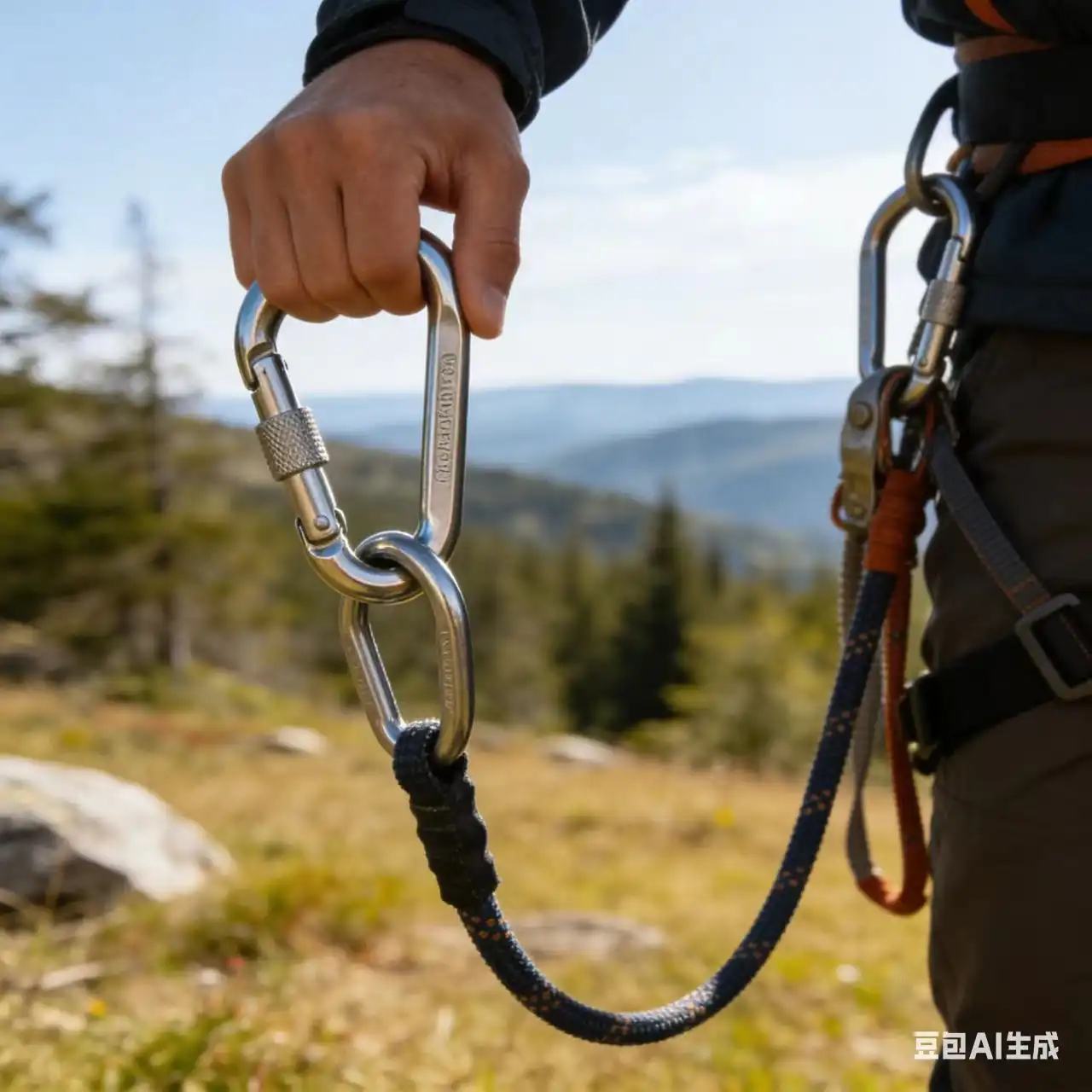
For outdoor activities like climbing and leisure, the highest levels of safety are needed because equipment failure could have terrible results. Professional-grade carabiners go through a lot of tests to make sure they meet the standards of the climbing business.
Functional Comparison: How Do D-Shaped Carabiner Hooks Work vs Snap Hooks?
The way these links work mechanically and how they are built show big changes in performance that affect how well they work in different situations.
Load Distribution Mechanisms
Because of how they are designed, D-shaped carabiner hooks are great at managing loads. The uneven shape guides forces along the strongest line, reducing stress builds-ups that could cause failure. This design principle lets you use higher working load limits while still meeting the safety standards set by foreign organizations.
Good quality carabiners have a gate system that has several safety features built in. Screw-gate types have to be opened on purpose, so they don't disconnect by chance while they're working. Auto-locking versions lock themselves when the door is closed, making them more convenient and safer.

Material Engineering and Performance
Premium D-shaped carabiner hooks are made of zinc alloy, which is the best material for balancing strength, weight, and resistance to rust. With this material choice, makers can get very close tolerances while still making Products that will last in a wide range of circumstances.
The way the surface is treated has a big effect on how long the performance lasts. PVD coating technology makes products that are very thin and last a very long time. They don't wear down or corrode and don't harm the environment. Matt nickel and old silver styles give people more choices for how they want their things to look while still working properly.
Size and Weight Optimization
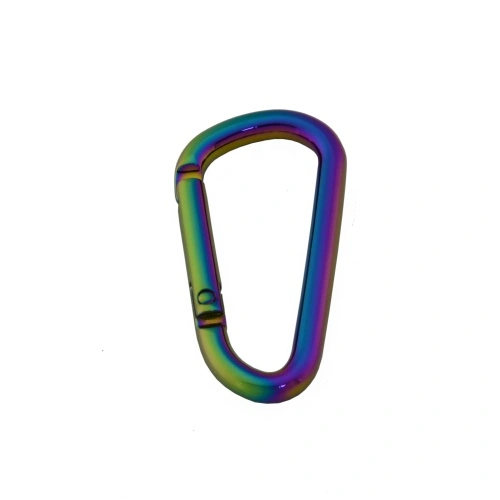
With small dimensions of 56mm x 29mm x 5mm, this device shows how modern engineering can get the most out of small spaces. These links work as well as professional ones without adding extra weight to equipment systems. They only weigh 17.9 grams.
Because of their smaller size, they are especially useful for uses where weight is an issue, like climbing gear, portable gear, and places where more than one link is needed per installation.
Benefits and Safety Features of D-Shaped Carabiner Hooks Compared to Snap Hooks
There are real benefits to using professional-grade carabiners that make them worth the extra money for tough jobs. These benefits go beyond simple usefulness and include things like safety, durability, and how well they work.
Enhanced Load Capacity and Structural Integrity
D-shaped carabiner hooks are better at withstanding cross-loading forces that often cause other connection designs to fail. Their engineered profile keeps their power even when they are loaded in more than one way, which is more than what snap hooks can handle.
Because they are built to last, these carabiners can handle the shifting loads that happen when lifting, placing tools, and using them for safety reasons. In factory settings where load changes often and without warning, this feature is very useful.
Advanced Safety Features
Quality carabiners are different from basic connections because they have more than one safety feature. Accidental opening of gates is prevented by security systems, and visual signs let users check that gates are properly closed before starting work.
The tight production tolerances make sure that the gate works the same way throughout the duration of the product. Before being sent out, quality control procedures make sure that every unit meets the required force levels, gate alignment factors, and strength standards.
Durability and Maintenance Advantages
Engineered materials and surface processes make operating lifecycles much longer than those of simple snap hooks. The corrosion-resistant finishes keep their look and function in a wide range of weather situations.
Users can make sure that something is still fit for service by inspecting it regularly. The strong build can handle standard wear and tear while keeping safety margins over long periods of use.
How to Choose Between D-Shaped Carabiner Hooks and Snap Hooks for Procurement?
When making purchasing choices, it's important to carefully consider a number of factors that affect performance over time, cost-effectiveness, and operating suitability. Companies can get the most out of their hardware purchases by using strategic selection factors.
Load Requirement Assessment
For safety-critical uses, working load limits are the most important thing to look at when choosing a product. D-shaped carabiners can hold a lot more weight than similar snap hooks, which is why they are necessary for heavy-duty tasks.
For situations with dynamic loading, you need more safety margins than just basic load estimates. Professional carabiners take these things into account when they build them, but snap hooks might not have enough safety limits for dynamic uses.
Environmental Considerations
Conditions of exposure have a big effect on how long and reliably a connection works. Materials and coats that don't rust or corrosion are necessary in naval settings, chemical processing plants, and outdoor uses.
Extreme temperatures change the qualities and functions of materials. Quality carabiners keep up their performance levels over a wider range of temperatures than cheaper options, so they are reliable in tough conditions.
Regulatory Compliance Requirements
Connectors used in safety-critical systems must meet basic performance standards set by their industries. To meet these standards, you often need the extra features that are only found in professional-grade carabiners.
Documentation for certification makes it possible to track things and protects businesses from harm. Reputable makers keep detailed records of their quality control and testing to help with legal checks.
Top Types and Variants of D-Shaped Carabiner Hooks: A Buyer's Checklist
The variety of styles for carabiners makes it possible to precisely match product features to application needs. Understanding these variations makes it easier to make the best choices about buying.
Locking Mechanism Options
By requiring conscious unlocking, screw-gate carabiners offer the highest level of protection. These types work great for fixed setups and safety-sensitive uses where the risk of accidental removal can't be allowed.
Automatic locking systems mix safety with ease of use. The automatic engagement feature lowers the chance of human error and keeps links safe during working rounds.
Material and Finish Selections
Zinc alloy construction offers excellent strength-to-weight ratios and lets you make things with very tight tolerances. The complex shapes needed for the best load spread are supported by this choice of material.
Surface finish choices aren't just about looks; they can also be useful. PVD magic color processes give things a unique look while still being durable. This makes them useful for telling brands apart and identifying tools.
Customization Capabilities
Modern production techniques allow for a wide range of customization choices to meet the needs of different applications. Changing the size, type of material, and finish of goods lets buying teams make them work best for their specific needs.
Engraving and tagging services make it possible to identify and track down tools and create brand awareness. These features are useful for managing assets, checking for quality, and making business presentations.
Conclusion
When you compare carabiners and snap hooks, you can see that they work differently in ways that affect how well they work in different situations. When it comes to heavy-duty industrial and outdoor uses, D-shaped carabiner hooks are the best choice because they can hold more weight, have better safety features, and last longer. If you only need to do light work, snap hooks are convenient. But for safety-critical tasks where dependability cannot be compromised, quality carabiners are the better choice. Professionals in procurement can make better choices that balance performance needs with business efficiency and cost concerns when they understand these differences.
Partner with Carol for Premium D-Shaped Carabiner Hook Solutions
Carol Metal makes great D-shaped carabiner hooks, and their ISO9001 and SGS certifications make sure they meet world quality standards. Our 4,500-yen factory makes 30 million pieces a year, meeting the needs of both concept research and large-scale production. The wide range of customization options lets you choose the exact materials, styles, and sizes that you want.
Our zinc alloy carabiners are expertly made and come in PVD magic color, matt nickel, and old silver finishes. Even though it's small (56 mm x 29 mm x 5 mm), it weighs only 17.9 grams and works professionally for outdoor, industrial, and advertising uses.
Get in touch with tony@carolxiao.com to talk about your D-shaped carabiner hook supplier needs and see how committed we are to quality, speed, and customer happiness.
FAQ
①What safety standards should D-shaped carabiner hooks meet for industrial applications?
Professional-grade D-shaped carabiner hooks must meet international standards like EN 362 for climbing uses, ANSI Z359 for fall protection, or standards specific to the business. These guidelines spell out the necessary strength needs, how the gate should work, and the testing procedures that make sure it works reliably in real-world situations.
②Can snap hooks be used as substitutes for carabiners in climbing applications?
When climbing or in situations where safety is important, snap hooks should never be used instead of carabiners. Because they can't hold as much weight, have simpler gate systems, and have smaller safety gaps, snap hooks can't be used in situations where a failure could seriously hurt or kill someone.
③How often should D-shaped carabiner hooks be inspected and replaced?
How often you inspect relies on how much you use it and the weather of the area. Before each use, there should be a visual inspection, and once a month for regular users, there should be a thorough inspection. If the gate stops working properly, there is obvious wear, or the load history shows that it might break down, it needs to be replaced.
References
- International Association of Structural Hardware Engineers, "Connector Safety Standards and Testing Protocols for Industrial Applications," Journal of Hardware Engineering, 2023.
- American National Standards Institute, "ANSI Z359 Fall Protection Systems: Connector Requirements and Performance Specifications," Safety Equipment Standards, 2022.
- European Committee for Standardization, "EN 362 Personal Protective Equipment Against Falls: Connectors Testing and Certification Requirements," European Safety Standards, 2021.
- Climbing Industry Association, "Hardware Reliability Assessment: Comparative Analysis of Carabiner vs Snap Hook Performance," Professional Climbing Equipment Review, 2023.
- International Manufacturing Quality Institute, "Zinc Alloy Applications in High-Performance Hardware: Material Properties and Surface Treatment Technologies," Materials Science Quarterly, 2022.
- Global Hardware Procurement Association, "B2B Connector Selection Guide: Cost-Benefit Analysis for Industrial Applications," Procurement Best Practices Annual, 2023.